

 Previzualizare
 Trimite
 Distribuie
 Detalii despre lucrare

 Descarcă
 Produse similare
 Radiografie
 Diapozitive automate
 Statistici
Main Altar


 Vezi mai mult
Achiziționați o imagine digitală de înaltă rezoluție, îmbunătățită, mult superioară previzualizării online.
Fiecare fișier este pregătit cu meticulozitate de specialiștii noștri interni, utilizând instrumente avansate și retușare manuală expertă. Ne asigurăm că fiecare imagine beneficiază de o claritate excepțională, o acuratețe precisă a culorilor și detalii fine.
Fișierul final este livrat prin e-mail în termen de 72 de ore, optimizat pentru utilizare imediată în medii profesionale, editoriale și de imprimare. Aceasta este aceeași calitate în care au încredere studiouri de design, edituri și galerii de top.
Imagine Digitală
Descărcați un fișier la rezoluție înaltă pentru afișare personală, imprimare și proiecte creative. ( Comută pe Print Comandă pictură lucrată manual)
Inclus în fiecare comandă de imagini digitale
Livrare digitală de expertiză, garantată
Când alegeți OriginalUniqueArt.com, nu primiți doar o simplă imagine – primiți o operă de artă digitală îmbunătățită profesional, creată cu precizie și susținută de o garanție de satisfacție. Iată tot ceea ce primești odată cu comanda ta, în mod automat:

Livrare rapidă prin e-mail
Fișierul imaginii digitale la rezoluție înaltă vă va fi trimis prin e-mail în termen de 72 de ore de la finalizarea comenzii – gata pentru utilizare imediată.

Fișier digital optimizat prin IA
Opera ta de artă este optimizată profesional prin intermediul unor instrumente AI avansate și al editării manuale, asigurând un nivel maxim de detalii, claritate și acuratețe a culorilor.

Retransmitere gratuită pe viață
Ai șters sau ai pierdut din greșeală fișierul? Nu îți face griji – ți-l vom retrimite oricând, gratuit.

Fără taxe de import – Întotdeauna
Bucură-te instant de noua ta operă de artă, fără taxe vamale, taxe de import sau costuri de livrare – descărcările digitale sunt întotdeauna fără taxe.

Garanția acurateții culorilor
Asigurăm o reflectare cât mai fidelă a culorilor originale în imaginea ta digitală, prin utilizarea unor instrumente profesionale și a proceselor de gestionare a culorii.

Garanție de satisfacție de 100 de zile
Dacă nu sunteți mulțumit de imaginea digitală achiziționată, o vom revizui sau vă vom returna 100% în termen de 100 de zile - fără nicio întrebare.

Garanție de returnare 100% a banilor
Nu ești mulțumit? Primești rambursarea integrală în termen de 100 de zile de la primirea fișierului digital – fără nicio întrebare.

Reduceri pentru comenzi în volum
Cumpără 3 imagini, economisește 10% - Cumpără 5, economisește 15% - Cumpără 10+, economisește 20%. Ideal pentru proiecte creative, galerii și agenții.
Biografie artist
The Sculptor of the Spanish Renaissance
In the grand tapestry of the Spanish Renaissance, few names resonate with as much structural and artistic authority as Felipe Bigarny. A master whose hands shaped the very soul of Spanish sacred spaces, Bigarny was far more than a mere carver of stone; he was an architect of devotion and a bridge between the fading echoes of the Gothic era and the burgeoning light of the Renaissance. Born in Langres, Burgundy, around 1475, his early life was marked by a nomadic artistic education that would eventually define his unique aesthetic. His youth took him to Italy, where the air of Rome likely instilled in him the classical proportions and anatomical precision that would later breathe life into his Spanish commissions. This profound synthesis of Flemish detail, Burgundian tradition, and Italian grace allowed him to transcend local styles, creating a visual language that felt both intimately familiar to the Spanish faithful and strikingly modern.
The trajectory of Bigarny’s career shifted irrevocably in 1498 when, at the age of twenty-three, he embarked on the pilgrimage to Santiago de Compostela. This journey led him to settle in Burgos, a city that would become the stage for his greatest triumphs. It was here that his technical mastery first captured the attention of the ecclesiastical elite. His execution of the incredibly precise reliefs within the main retrochoir of the Burgos Cathedral served as a definitive calling card, establishing him not just as a skilled artisan, but as the preeminent sculptor of his generation. This prestige soon paved his way to the highest echelons of Spanish power, leading to his appointment as the master sculptor and carver for one of Spain's most significant religious landmarks.
A Legacy Carved in Stone and Wood
Bigarny’s professional life was characterized by an extraordinary industriousness that allowed him to operate several studios simultaneously. This organizational brilliance enabled him to undertake massive, multi-decade projects for the Crown of Castile, effectively shaping the visual identity of a nation. His work was remarkably versatile, spanning various sculptural genres and mediums; he moved with equal grace between the rugged permanence of stone and the delicate, emotive potential of polychromed wood. This versatility ensured that his influence permeated every corner of Spanish liturgical art, from grand altarpieces to intimate devotional figures.
His most significant architectural and sculptural contributions can be seen in several monumental sites:
- Toledo Cathedral: In 1499, under the patronage of Cardinal Archbishop Francisco Jiménez de Cisneros, Bigarny designed the fundamental structure of the cathedral's main altarpiece. His work on this project, including the creation of figures such as Saint Mark the Evangelist, showcased his ability to manage complex, large-scale theological narratives through sculpture.
- University of Salamanca: During the early 16th century, he expanded his reach by producing a series of profound sculptures for the university's altarpiece, including depictions of Saint Augustine, Saint Barbara, and Saint Jerome, further cementing his role as a primary educator of the visual arts through his work.
- Palencia Cathedral: His involvement in the chapel of the sanctuary at Palencia demonstrated his role as a director of artistic vision. While much of the heavy labor was delegated to his skilled studio, Bigarny personally oversaw the most vital elements, meticulously sculpting the faces and hands to ensure the emotional resonance of the work remained true to his hand.
The Architect of an Era
Beyond the chisel, Bigarny functioned as an architect, a role that required him to understand the spatial relationship between sculpture and the structures they inhabited. This dual mastery allowed him to create works that were not merely placed within buildings but were integral to their very architecture. His ability to blend the intricate, almost overwhelming detail of the Flemish style with the balanced, harmonious compositions of the Italian Renaissance created a tension that defined the Spanish aesthetic of the 16th century. He brought a sense of movement and humanism to religious iconography, making the divine feel tangible and present.
By the time of his death in 1542, Felipe Bigarny had achieved a level of wealth and renown that few artists of his era could claim. His legacy is not found merely in individual statues, but in the very atmosphere of the great Spanish cathedrals. Through his tireless work for the Church and the Crown, he helped transition Spain from the medieval mindset into the modern age, leaving behind a monumental heritage of stone and wood that continues to inspire awe in all who walk through the shadows of his masterpieces.
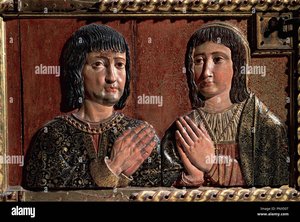
Felipe Bigarny
1475 - 1542 , Spain
Detalii rapide
- Artistic Movement Or Style: Renaissance
- Artists Or Movements Influenced By This Artist:
- Flemish Renaissance
- Burgundian Renaissance
- Artists Who Influenced This Artist: ['Lodovico Mazzolino']
- Date Of Birth: ca. 1475
- Date Of Death: 1542
- Full Name: felipe bigarny
- Nationality: Spanish
- Notable Artworks:
- Main Altar
- Circumcision
- Place Of Birth: Toledo, Spain