

 Vezi în context
 Trimite
 Distribuie
 Detalii
 Ghidul

 Descarcă
 Produse similare
 Radiografie
 Diaporama
 Statistici
Chinese Restaurant

 Citește mai mult
Reproducere pictată manual în ulei
Pictură în ulei pe pânză, realizată manual de artiștii noștri la dimensiunea și ramele dorite de dumneavoastră, pe comandă. ( Comută pe versiunea Print Treci la imagine digitală)




P118B lei10

P118H lei10

P118W lei10

P438Z lei10

P508JH lei12

P508YH lei12

P805H lei10

P805Z lei10

P919BZ lei10

P919G lei10

P919XJ lei10

P959ZH lei10

P968JZ lei12

W106C lei8

W218G lei10

W218JH lei8

W218Y lei10

W307PJ lei10

W316G lei10

W316PJ lei8

W316Y lei10

W398PJ lei8

W4111J lei10

W500HY lei15

W500JH lei15

W692G lei12

W849H lei8

W940BG lei15

W953PJ lei8




Alegeți dintre dimensiunile noastre prestabilite, care respectă proporțiile originale ale operei de artă.

Introduceți lățimea și înălțimea de care aveți nevoie, pentru a se potrivi ramei sau peretelui dumneavoastră. Această lucrare este pictată manual, așa că pentru o dimensiune cu o formă diferită, artistul poate picta puțin mai mult în jurul imaginii sau poate tăia puțin din margini — dumneavoastră decideți. Vă vom trimite o simulare digitală pentru aprobare înainte de a începe pictarea. Imaginea afișată pe această pagină nu reprezintă rezultatul real — doar simularea este reprezentativă.
După plasarea comenzii, echipa OriginalUniqueArt.com va contacta clientul prin e-mail pentru instrucțiuni și îi va furniza o previzualizare a machetei
Livrare în întreaga lume () în 3-4 săptămâni, în loc de cele 5 săptămâni standard. (15 Octombrie). Fără compromisuri în ceea ce privește calitatea.

Livrare expres gratuită la nivel mondial

Pânză de in premium

Asigurare completă pentru transport

Garanție de rambursare a taxelor vamale

Garanția fidelității culorilor

Politica de retur în 100 de zile (doar pentru defecte)

Garanție de rambursare 100%

Reducere pentru comenzi multiple
 Opțiunea cu sticlă este disponibilă doar pentru dimensiuni de sub 110 cm

Chinese Restaurant
Tip de reproducere
Dimensiune reproducere
-


Preț total
lei 1368
Biografie artist
A Chronicler of Urban Life: The World of Everett Shinn
Everett Shinn, born in Woodstown, New Jersey, in 1876, wasn’t simply a painter; he was a visual poet of the burgeoning metropolis. He captured the raw energy, the vibrant spectacle, and often, the underlying grit of early 20th-century America with an immediacy that set him apart. From his beginnings as a newspaper illustrator to his prominence within the Ashcan School, Shinn’s artistic journey reflects a commitment to portraying life as it was lived – unvarnished, compellingly real. Art historian Sam Hunter affectionately dubbed him “the dandy of the realists,” a moniker reflecting both his refined aesthetic and his embrace of the city's pleasures. His early training at the Spring Garden Institute and later, the Pennsylvania Academy of the Fine Arts in Philadelphia, provided a solid foundation, but it was his work as an artist-reporter for Philadelphia newspapers – the *Press*, the *Inquirer*, and the *Ledger* – that truly honed his observational skills. This experience instilled in him a fascination with urban life and a knack for capturing fleeting moments before they vanished. He wasn’t interested in idealized landscapes or heroic figures; Shinn sought to document the lives of ordinary people, their struggles, their joys, and their everyday routines within the sprawling city.From Philadelphia Streets to New York Stages
The move to New York City in 1897 marked a turning point for Shinn’s artistic direction. He quickly found work as an illustrator, contributing to publications like *Harper’s Weekly*, but it was his burgeoning friendships with fellow artists – George Luks, John Sloan, William J. Glackens, and Robert Henri – that truly shaped his artistic vision. These connections led him directly into the heart of the Ashcan School, a group dedicated to depicting the everyday realities of urban existence, often focusing on scenes overlooked by more traditional art circles. The Ashcan School wasn’t simply about documenting poverty; it was about portraying the full spectrum of urban life – its beauty, its ugliness, and everything in between. Shinn's work within this movement challenged established artistic norms, rejecting romanticized depictions in favor of honest portrayals of working-class neighborhoods, bustling saloons, and lively dance halls. While many of his peers experimented with oil paints, Shinn distinguished himself through his masterful use of pastels, a medium that allowed for a unique blend of spontaneity and delicate detail. He found particular inspiration in the city’s theaters, captivated by their dazzling displays of light, color, and performance. Works like “Olympic Theater” and “Revue” are not merely representations of entertainment; they are vibrant studies of human interaction, capturing the energy and excitement of a night out in the city. The theatrical world offered Shinn a stage for exploring themes of illusion, spectacle, and the complex relationship between performer and audience. He wasn’t merely recording what he saw; he was interpreting it through a lens of dramatic flair and psychological insight.The Ashcan School and Beyond
Shinn's association with the Ashcan School solidified his position within American art at the turn of the century, though he maintained a slightly more refined aesthetic than some of his colleagues. His work often depicted scenes of urban life – crowded streets, bustling markets, and dimly lit bars – with a keen eye for detail and a subtle sense of humor. He wasn’t solely focused on social commentary; Shinn was equally interested in capturing the spectacle and allure of modern life. This versatility extended beyond painting, as demonstrated by his murals for private homes and public spaces, including those at the Stuyvesant Theatre and the Plaza Hotel. These commissions showcased his ability to adapt his style to different contexts while maintaining a consistent commitment to realism and observation. He continued to explore themes of urban life, but with an increasing emphasis on its glamour and theatricality – capturing the fleeting moments of beauty amidst the city’s chaos. His work reflected a fascination with the transient nature of experience, the ephemeral quality of light and shadow, and the ever-changing rhythms of urban existence.A Life Marked by Passion and Turmoil
Everett Shinn’s personal life was as dynamic and complex as the scenes he depicted in his art. He experienced multiple marriages – four in total – and a reputation for enjoying the pleasures of city life, contributing to his “dandy” persona. These personal challenges often intersected with his artistic pursuits, influencing his subject matter and adding layers of emotional depth to his work. Shinn’s depictions of nightlife, for example, weren't simply celebrations; they were often tinged with a sense of melancholy or disillusionment. Despite periods of financial hardship, particularly during the Depression, Shinn continued to paint and exhibit, receiving recognition from institutions like the National Academy of Design and the American Academy of Arts and Letters later in his career. He passed away in 1953, leaving behind a legacy that continues to resonate with audiences today. His life was a testament to the power of artistic vision and the enduring appeal of capturing life as it truly is, even amidst personal struggles and societal changes.Enduring Legacy
Everett Shinn’s influence on American art remains significant.- Influence on American Realism: Shinn’s work significantly contributed to the development of American realism, paving the way for future generations of artists who sought to depict everyday life with honesty and authenticity.
- Capturing a Moment in Time: His paintings and pastels offer invaluable insights into the social and cultural landscape of early 20th-century America, providing a visual record of a rapidly changing world.
- Masterful Technique: Shinn’s innovative use of pastel as a fine art medium expanded the possibilities of this often-underappreciated technique.
- Theatricality and Spectacle: His depictions of theater scenes are not merely representations of entertainment; they are explorations of human psychology, social dynamics, and the allure of illusion.

Everett Shinn
1876 - 1953 , Statele Unite ale Americii
Informații rapide
- Artistic Movement Or Style: Ashcan School, Realism
- Artists Or Movements Influenced By This Artist: ['American Realism']
- Date Of Birth: 1876
- Date Of Death: 1953
- Full Name: Everett Shinn
- Nationality: American
- Notable Artworks:
- Olympic Theater
- Revue
- Place Of Birth: Woodstown, USA
Articole conexe

The Ashcan School: A Guide to Urban Realism for Professional Interior Design and Hospitality Procurement
Discover the raw energy of the Ashcan School. Our guide for hotel designers explores urban realism, offering professional insights into sourcing hand-painted oil reproductions and custom large-scale murals for high-end hospitality and corporate interiors.
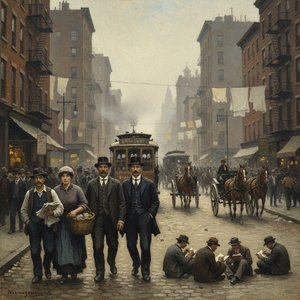
The Ashcan School: Realism, Urban Life & the Democratization of American Art
Explore the revolutionary Ashcan School! Discover how artists like Henri & Sloan challenged tradition with gritty realism, capturing urban life in early 20th-century America. Learn about their impact on American art history.
Design Interior ca Narativ Gastronomic: Crearea Experienței Contemporane cu Arta
Descoperă secretele designului interior restaurantului de succes! Ghid complet pentru crearea unei experiențe gastronomice memorabile, cu sfaturi de la experți și tendințele anului 2025. Arta, atmosfera & identitate vizuală.
Cultivating Ambiance: The Strategic Role of Art in Shaping Guest Experience within Restaurant & Dining Environments
Discover how strategic art selection & design elevate the restaurant experience. Expert insights on color psychology, acoustics, layout & commissioning artwork to create lasting impressions and boost your brand.

The Ashcan School: Capturing the Raw Spirit and Urban Realism of New York City Life
Explore the raw, evocative beauty of the Ashcan School. Discover how masters like Bellows and Glackens captured New York's urban soul through American Realism, and learn to bring this gritty, historical elegance into your modern art collection.