

 Vezi în context
 Trimite
 Distribuie
 Detalii
 Guide
Guide

 Descarcă
 Produse similare
 Radiografie
 Diaporama
 Statistici
Det lugna vattnet
 Acrilic pe pânză întinsă
- Artă de perete
- Regionalist Landscape
 1901
1901 1780.0 x 1420.0 cm
 Muzeul Național de Artă”
 Citește mai mult
Giclée / Imprimare artistică
Printuri giclée sau pe canvas de calitate muzeală, cu proces de producție rapid și opțiuni flexibile de finisare. ( Comandă pictură realizată manual Treci la imagine digitală)




P118B $10

P118H $10

P118W $10

P438Z $10

P508JH $12

P508YH $12

P805H $10

P805Z $10

P919BZ $10

P919G $10

P919XJ $10

P959ZH $10

P968JZ $12

W106C $8

W218G $10

W218JH $8

W218Y $10

W307PJ $10

W316G $10

W316PJ $8

W316Y $10

W398PJ $8

W4111J $10

W500HY $15

W500JH $15

W692G $12

W849H $8

W940BG $15

W953PJ $8




Alegeți dintre dimensiunile noastre prestabilite, care respectă proporțiile originale ale operei de artă.

Puteți introduce propriile dimensiuni pentru a se potrivi unui anumit cadru sau spațiu. Dacă dimensiunea selectată nu corespunde proporțiilor imaginii originale, vom decupa lucrarea de artă sau vom extinde imaginea cu margini oglindite sau cu o culoare uniformă. Un mockup digital va fi trimis pentru aprobarea dumneavoastră înainte de începerea producției.
Vă rugăm să rețineți că previzualizarea de pe ecran nu reflectă decuparea sau extinderea reală. Doar mockup-ul va arăta cu exactitate compoziția finală.
Deși dimensiunile personalizate sunt disponibile, vă recomandăm să selectați o dimensiune din lista predefinită pentru a păstra proporțiile originale.
Livrare în întreaga lume () în 2 săptămâni, în loc de cele 4/5 săptămâni standard. (21 Septembrie)

Livrare expres gratuită la nivel mondial

Pânză de in premium

Asigurare completă pentru transport

Garanție de rambursare a taxelor vamale

Garanția fidelității culorilor

Politica de retur în 100 de zile (doar pentru defecte)

Garanție de rambursare 100%

Reducere pentru comenzi multiple
 Opțiunea cu sticlă este disponibilă doar pentru dimensiuni de sub 110 cm

Det lugna vattnet
Giclée / Imprimare artistică
Dimensiune reproducere
-


Preț total
$ 80
Det Lugna Vattnet – En Ögonblicksbild av Svensk Konstnärlighet och Natur
Robert Henri, född Robert Henry Cozad i Cincinnati, Ohio den 10 februari 1865 och död Lambertville, New Jersey den 17 augusti 1947, är en central figur inom utvecklingen av amerikansk konst. Hans resa från ett barn som flyttar till Nebraska till att bli en hyllad konstnär återspeglar en dedikation till att fånga essensen av vardagslivet och själen i hans födelseland – en filosofi som djupt påverkade den växande regionalistiska rörelsen. Henri började sin konstnärliga utbildning något konventionellt genom studier i Cincinnati innan han flyttade till New York City 1887 där han började forma sitt distinkta vägval och avfärdade akademins begränsningar och omfamnade ett mer direkt och uttrycksfullt måleristiskt tillvägagångssätt. Detta första möte med Henri är en konstnär som redan då hade ett starkt engagemang för att skapa verk som återspeglar verkligheten omkring honom, utan att vara bundna av traditionella estetiska regler. ### Stil och Teknik – Ett Klassiskt Landskap Fångat i Olja Verket är en fantastisk landskapsbild över sjön Mälaren omgiven av trädstrukturer. Himlen ovanför scenen är molnigt vilket bidrar till den övergripande atmosfären i bilden. Förgrunden domineras av flera hästar, några närmare vattenbrynet och andra längre bort. Ett antal personer ses spritt ut över platsen, kanske njutandes av utsikten eller engagerade i olika aktiviteter vid sjön. Henri använde sig av en klassisk teknik där han målade på duk med olja för att skapa ett detaljerat och atmosfäriskt verk som fångar ljuset och skuggorna perfekt. Detta val av teknik är typiskt för hans tid och visar hans förmåga att skapa konstverk som är både tekniskt imponerande och estetiskt tilltalande. Henri var särskilt intresserad av att använda färger för att förmedla känslor och atmosfär, vilket är något som märks tydligt i detta mästerverk. Detta är ett exempel på hur Henri lyckades skapa konstverk som inte bara är visuellt vackra utan också berättar en historia om platsen och tiden då de skapades. ### Kontext och Symbolik – Ett Avbildning av Svensk Kultur Verket är från år 1901 och är ett produkt av Robert Henris engagemang för att skapa konst som återspeglar den svenska kulturen och miljön under början av 1900-talet. Henri var en pionjär inom amerikansk regionalism och hans verk är ofta präglat av ett starkt fokus på det lokala landskapet och människorna som bor där. Sjön Mälaren och dess omgivande trädstrukturer är inte bara ett visuellt förebild utan också ett symboliskt uttryck för svenska naturlandskap och deras lugna atmosfär. Henri ville skapa konstverk som skulle inspirera till reflektion över vår plats i världen och vår relation till naturen, vilket är något som detta mästerverk framgångsrikt lyckas göra. Detta verk är ett viktigt dokument från en tid då svenska konstnärer började utforska nya idéer och perspektiv på konstens roll i samhället. Henri var en konstnär som alltid sökte efter nya sätt att uttrycka sina tankar och känslor genom sitt arbete, vilket är något som detta mästerverk kommer att fortsätta inspirera till diskussion och analys under många år framöver. Detta verk är ett exempel på hur Henri lyckades skapa konstverk som inte bara är tekniskt briljant utan också har djupa kulturella och filosofiska rötter.Biografie artist
Robert Henri: A Pioneer of American Regionalism
Robert Henri, born Robert Henry Cozad in Cincinnati, Ohio on February 10, 1865, and passing away in Lambertville, New Jersey on December 17, 1947, stands as a pivotal figure in the development of American art. His journey from a young boy moving to Nebraska to becoming a celebrated artist reflects a dedication to capturing the essence of everyday life and the spirit of his native land – a philosophy that profoundly influenced the burgeoning Regionalist movement. Initially, Henri’s artistic training was somewhat conventional, receiving instruction in Cincinnati before relocating to New York City in 1887. It was here, amidst the bustling art scene, that he began to forge his distinctive path, rejecting the academic constraints of the time and embracing a more direct and expressive approach to painting.Early Influences and Artistic Development
Henri’s early artistic development was shaped by several key influences. The Impressionists, particularly Monet and Renoir, instilled in him an appreciation for capturing fleeting moments of light and color. However, he quickly moved beyond mere imitation, seeking to infuse his work with a deeper emotional resonance. He also found inspiration in the works of Gustave Courbet, whose commitment to depicting ordinary subjects with honesty and realism resonated deeply with Henri’s own artistic vision. Crucially, Henri's time spent observing the lives of working-class Americans – particularly in New York City – provided him with a rich source of subject matter and a profound understanding of human nature. This immersion in the realities of urban life would become a defining characteristic of his art. His early works often depicted scenes of street life, laborers, and immigrants, rendered with a remarkable sensitivity to their dignity and struggles.The Ashcan School and Regionalism
Henri’s most significant contribution to American art lies in his role as a founder of the Ashcan School. Emerging in the early 1900s, this movement sought to break away from the traditional subjects favored by the established art world – landscapes and historical scenes – and instead focus on depicting the gritty realities of urban life in America. Artists like Henri, John Sloan, George Bellows, and Everett Shinn captured the sights and sounds of New York City’s tenements, factories, and crowded streets with unflinching honesty. Henri's paintings, such as *Table at City Diner* (1913) and *The Newsboy*, are prime examples of this style—characterized by loose brushwork, vibrant colors, and a focus on the lives of ordinary people. He championed a philosophy of “art for life’s sake,” believing that art should reflect the world as it truly is, not as it is idealized or romanticized. This stance directly challenged the prevailing artistic conventions of the time and paved the way for future generations of American artists to explore new subject matter and approaches.Technique and Style
Henri’s distinctive style was characterized by a bold and expressive use of color, loose brushwork, and a dynamic sense of movement. He favored working *alla prima* – directly on the canvas without preliminary sketches – allowing him to capture the immediacy of his subjects. His compositions were often asymmetrical and energetic, reflecting the chaotic energy of urban life. He employed a technique he called “color-plus-form,” prioritizing color as the primary element in his paintings while still maintaining a strong sense of form and structure. Henri’s palette was typically rich and vibrant, utilizing complementary colors to create visual excitement and depth. He wasn't interested in photographic realism; instead, he sought to convey the *feeling* of a scene—the atmosphere, the mood, and the emotional impact.Legacy and Historical Significance
Robert Henri’s influence on American art is undeniable. As a founder of the Ashcan School, he helped to shift the focus of American painting away from traditional subjects and towards the realities of everyday life. His commitment to depicting ordinary people with dignity and respect paved the way for future generations of artists to explore social realism and documentary photography. Henri’s emphasis on “art for life’s sake” continues to resonate today, reminding us that art can be a powerful tool for social commentary and personal expression. His work remains celebrated for its honesty, vitality, and profound understanding of the human condition. He is remembered not just as an artist but as a teacher who inspired countless students to pursue their own artistic visions with passion and conviction. His legacy endures in the continued exploration of regional themes and the celebration of ordinary subjects within American art.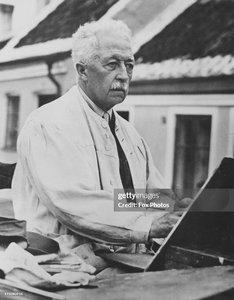
eugen napoleon nicolaus
1865 - 1947 , Sweden
Informații rapide
- Artistic Movement Or Style: Impressionism
- Artists Or Movements Influenced By This Artist:
- The Ashcan School
- American Impressionism
- Artists Who Influenced This Artist:
- William Merritt Chase
- Jean-Baptiste Camille Corot
- Date Of Birth: 1865
- Date Of Death: 1947
- Full Name: Robert Henri
- Nationality: American
- Notable Artworks:
- The Table
- Spanish Village
- Portrait of a Musician
- Place Of Birth: Cincinnati, Ohio
Articole conexe

Peisaje Romantice Iconice: 10 Capodopere Artistice pentru Decorul de Lux
Descoperă 10 capodopere romantice iconice de Caspar David Friedrich, Turner și alți maeștri. Explorează istoria artei, emoțiile din peisaje și găsește tablouri canvas perfecte pentru decorul tău pe OriginalUniqueArt.com!

Evocations of Place: A Historical Journey Through Landscape Art
Explore the rich history of landscape art with OriginalUniqueArt. Discover renowned artists, movements like Impressionism & tonalism, and expert guidance for collecting timeless pieces. Find your perfect serene escape today!
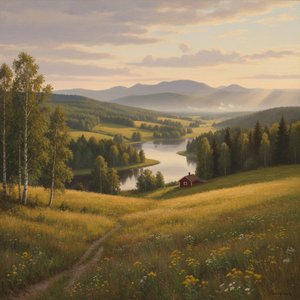
Johan Krouthén: Navigating Swedish Romanticism Through Landscape & Light
Explore the captivating landscapes of Johan Krouthén, a Swedish artist who broke from tradition to embrace realism & idealism. Discover his technique, influences, and legacy with OriginalUniqueArt.

John Constable: Cele Mai Frumoase 25 de Capodopere – Artă Clasică pentru Decorul Casei Tale
Descoperă cele mai frumoase 25 de picturi ale lui John Constable, maestru al peisajului englezesc! Explorează stilul romantic, Dedham Vale și capodopere precum The Hay Wain. Reproduceri artă clasică pentru decorul casei tale – OriginalUniqueArt.com.

Evocations of Place: A Historical Journey Through Landscape Art
Explore the rich history of landscape art with OriginalUniqueArt. Discover renowned artists, movements like Impressionism & Romanticism, and expert guidance for collecting timeless pieces. Find your perfect serene escape today!
