

 Vezi în context
 Trimite
 Distribuie
 Detalii
 Ghidul

 Descarcă
 Produse similare
 Radiografie
 Diaporama
 Statistici
St. Dominic and St. Francis imploring Christ with the intercession of the Virgin
 Oil On Canvas
- WallArt
- Baroque
 1730
1730- Early Modern
 328.0 x 244.0 cm
 Palácio de Mafra
 Citește mai mult
Reproducere pictată manual în ulei
Pictură în ulei pe pânză, realizată manual de artiștii noștri la dimensiunea și ramele dorite de dumneavoastră, pe comandă. ( Comută pe versiunea Print Treci la imagine digitală)




P118B $10

P118H $10

P118W $10

P438Z $10

P508JH $12

P508YH $12

P805H $10

P805Z $10

P919BZ $10

P919G $10

P919XJ $10

P959ZH $10

P968JZ $12

W106C $8

W218G $10

W218JH $8

W218Y $10

W307PJ $10

W316G $10

W316PJ $8

W316Y $10

W398PJ $8

W4111J $10

W500HY $15

W500JH $15

W692G $12

W849H $8

W940BG $15

W953PJ $8




Alegeți dintre dimensiunile noastre prestabilite, care respectă proporțiile originale ale operei de artă.

Puteți introduce propriile dimensiuni pentru a se potrivi unui anumit cadru sau spațiu. Dacă dimensiunea selectată nu corespunde proporțiilor imaginii originale, vom decupa opera de artă sau vom extinde pictura cu elemente suplimentare pictate manual. O simulare digitală vă va fi trimisă pentru aprobare înainte de începerea producției.
Vă rugăm să rețineți că previzualizarea de pe ecran nu reflectă decuparea sau extinderea reală. Doar macheta va arăta cu exactitate compoziția finală.
Deși sunt disponibile dimensiuni personalizate, vă recomandăm să selectați o dimensiune din lista predefinită pentru a păstra proporțiile originale.
După plasarea comenzii, echipa OriginalUniqueArt.com va contacta clientul prin e-mail pentru instrucțiuni și îi va furniza o previzualizare a machetei
Livrare în întreaga lume () în 3-4 săptămâni, în loc de cele 5 săptămâni standard. (25 Septembrie). Fără compromisuri în ceea ce privește calitatea.

Livrare expres gratuită la nivel mondial

Pânză de in premium

Asigurare completă pentru transport

Garanție de rambursare a taxelor vamale

Garanția fidelității culorilor

Politica de retur în 100 de zile (doar pentru defecte)

Garanție de rambursare 100%

Reducere pentru comenzi multiple
 Opțiunea cu sticlă este disponibilă doar pentru dimensiuni de sub 110 cm

St. Dominic and St. Francis imploring Christ with the intercession of the Virgin
Tip de reproducere
Dimensiune reproducere
-


Preț total
$ 350
A Celestial Symphony of Devotion
In the grand theater of the Baroque era, few works capture the intersection of divine majesty and human vulnerability as poignantly as Étienne Parrocel’s St. Dominic and St. Francis imploring Christ with the intercession of the Virgin. Painted in 1730, this monumental canvas serves as a breathtaking window into the spiritual fervor of the eighteenth century. The scene is not merely a depiction of religious figures but a choreographed movement of light and shadow designed to pull the viewer’s soul upward. At the heart of this celestial drama, Christ ascends toward the heavens, enveloped in an ethereal golden luminescence that seems to radiate from within the canvas itself. This brilliant glow, reminiscent of the legendary chiaroscroll techniques used by masters like Tiepolo, creates a focal point of pure, unadulterated hope, casting a divine spotlight upon the earthly figures below.
The composition is masterfully structured in a pyramidal form, a classic technique that provides both stability and a sense of ascending energy. As your eyes travel from the lower registers of the painting toward the apex, you encounter the profound emotional weight of the saints. St. Francis of Assisi and Mary Magdalene kneel in fervent, breathless prayer, their postures embodying a deep, unwavering devotion that resonates across the centuries. The inclusion of additional witnesses—a man and a woman caught in the gravity of this sacred event—amplifies the collective sense of awe. Through the use of sweeping diagonal lines, Parrocel injects a rhythmic dynamism into the work, ensuring that the viewer’s gaze is never static but is instead part of the upward trajectory of Christ's ascent.
The Mastery of Light and Texture
To behold this artwork is to witness the pinnacle of Baroque technical prowess. Parrocel utilized meticulous layers of oil paint and delicate glazing to achieve a surface that possesses an almost supernatural luminosity. This painstaking process allows for subtle gradations of color, where deep, velvety shadows transition seamlessly into brilliant, sun-drenched highlights. The artist’s ability to sculpt figures through light—a technique known as chiaroscuro—gives the saints a tangible, three-dimensional presence, making their spiritual agony and ecstasy feel remarkably human. The texture of the paint itself contributes to the atmospheric depth, creating an illusion of air and divine mist that surrounds the ascending Christ.
For the discerning collector or interior designer, this piece offers more than just historical significance; it provides a profound emotional anchor for any space. The dramatic contrast between the dark, grounded foreground and the radiant, golden heavens makes it a commanding centerpiece capable of transforming a room into a sanctuary of contemplation. Whether placed in a grand gallery or a sophisticated private study, the painting’s themes of faith, redemption, and divine grace offer a timeless elegance. It is an invitation to pause, to look upward, and to lose oneself in the magnificent, swirling light of a bygone era of artistic splendor.
Biografie artist
Giovanni Battista Tiepolo: The Architect of Light
Giovanni Battista Tiepolo, a name synonymous with the dazzling brilliance and theatrical grandeur of 18th-century Venetian painting, was more than just an artist; he was a master architect of light and space. Born in Venice in 1696, into a family steeped in maritime tradition—his father a small shipping merchant—Tiepolo’s artistic journey began unexpectedly, guided by his mother's decision to entrust him to the tutelage of Gregorio Lazzarini, a decorator known for his academic style. This early training, though seemingly conventional, laid the groundwork for Tiepolo’s later embrace of a revolutionary approach to fresco decoration, one that would forever alter the landscape of European art.
His formative years were marked by a complex and multifaceted artistic education. He absorbed influences from both Venetian masters like Piazzetta and Ricci, who instilled in him a love for dramatic chiaroscuro and robust modeling, alongside the more classical styles of Veronese, whose monumental scale and opulent color palettes captivated young Tiepolo. Crucially, he also studied the works of older painters, demonstrating an intellectual curiosity that fueled his constant experimentation and evolution. This diverse exposure shaped his distinctive style—a harmonious blend of Baroque drama, Rococo elegance, and a profound understanding of perspective and composition.
The Rise to Prominence: Frescoes as Stagecraft
Tiepolo’s career took off with remarkable speed. His early works, such as the ‘Sacrifice of Isaac’ (1716), showcased his burgeoning talent for dramatic storytelling and masterful use of light and shadow. However, it was his commission to decorate the Ca’ Dolfin in Venice around 1726-29 that truly catapulted him to fame. This vast cycle of canvases depicting ancient battles and triumphs—a veritable spectacle of heroic figures and exotic costumes—established his reputation as a leading decorative painter. These weren't merely paintings; they were meticulously designed sets, intended to transform the reception room into a stage for visual drama.
This innovative approach to fresco decoration became the hallmark of Tiepolo’s career. He didn’t simply paint on a wall; he built an entire world within it—a world of mythic grandeur and theatrical spectacle. His collaboration with Girolamo Mengozzi Colonna, a specialist in perspective, was instrumental in achieving this effect. Colonna devised a complex system of vanishing points and calculated viewpoints, allowing Tiepolo to create the illusion of depth and space that characterized his most celebrated ceiling frescoes.
The Grand Manner: Würzburg and Beyond
Tiepolo’s influence extended far beyond Venice. In 1750, he accepted a monumental commission in Würzburg, Germany—a testament to his international acclaim—to decorate the Residenz palace for Prince-Bishop Carl Philipp von Greiffenklau. This project, culminating in the magnificent ‘Apollo and the Planets’ fresco (1752-53), is considered the pinnacle of Tiepolo's career. The sheer scale of the composition, combined with its dynamic energy and masterful use of light and color, established a new standard for grand decorative painting—a style often referred to as the “Grand Manner.”
His work in Würzburg showcased his ability to seamlessly blend classical mythology with contemporary sensibilities. The fresco is not merely a depiction of the gods; it’s an invitation to participate in a vibrant, imaginative world. Subsequent commissions followed across Europe—in Madrid, Spain, and Stockholm, Sweden—demonstrating his versatility and enduring appeal. He continued to refine his technique, experimenting with new approaches to composition and color, always striving for a sense of lightness and airiness that defined his unique style.
Legacy: A Revolution in Fresco Painting
Giovanni Battista Tiepolo’s legacy is profound and multifaceted. He revolutionized fresco painting by elevating it from a purely decorative art form to a sophisticated medium capable of conveying complex narratives, evoking powerful emotions, and creating immersive visual experiences. His innovative use of perspective, his mastery of light and color, and his willingness to embrace theatricality profoundly influenced generations of artists who followed.
His work continues to captivate audiences today, not only for its aesthetic beauty but also for its historical significance. Tiepolo’s frescoes are a testament to the power of art to transport us to other worlds—worlds of myth and legend, of grandeur and spectacle. He remains one of the most celebrated figures in the history of Venetian painting, an architect of light who transformed the way we perceive and experience art.
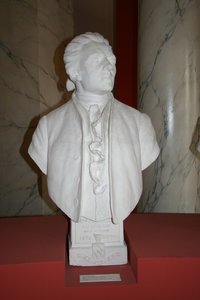
étienne parrocel
1696 - 1775 , France
Informații rapide
- Artistic Movement Or Style: Rococo, Venetian school
- Artists Or Movements Influenced By This Artist:
- Girolamo Mengozzi Colonna
- Rococo painting
- Artists Who Influenced This Artist:
- Gregorio Lazzarini
- Paolo Veronese
- Date Of Birth: March 5, 1696
- Date Of Death: March 27, 1770
- Full Name: Giovanni Battista Tiepolo
- Nationality: Italian
- Notable Artworks:
- Allegory with Venus and Time
- Meeting of Antony and Cleopatra
- Banquet of Antony and Cleopatra
- Place Of Birth: Venice, Italy
Articole conexe
Francis Bacon: Cele Mai Iconice Lucrări – Artă Expresionistă pentru Decor Rafinat
Descoperă cele mai iconice 25 de lucrări ale lui Francis Bacon – picturi expresioniste pline de emoție și forță. Explorează biografia artistului, tehnicile sale unice și impactul asupra artei moderne. Reproduceri artă de calitate muzeală pe OriginalUniqueArt.com!

Fra Angelico: Cele Mai Frumoase Capodopere – Artă Sacră pentru Decorul Casei Tale
Descoperă cele mai frumoase 25 de picturi Fra Angelico, capodopere ale artei renascentiste. Fresce religioase pline de culoare și emoție, perfecte pentru decorul casei tale. Reproduceri de artă de calitate muzeală pe OriginalUniqueArt.com! Explorează colecția online.

El Greco: Cele Mai Reprezentative 25 De Capodopere – Artă Sacră și Decorațiuni Excepționale
Descoperă cele mai frumoase 25 de picturi El Greco! Explorează capodoperele renascentiste, stilul unic al lui Doménikos Theotokópoulos și emoțiile puternice din arta sa sacră. Reproduceri de artă de calitate muzeală pe OriginalUniqueArt.com – inspiră-ți decorul!

The Dramatic Flourish: Exploring the Baroque Movement's Enduring Legacy in Art History
Explore the dramatic world of Baroque art! Discover iconic artists like Caravaggio & Rubens, defining techniques, and its lasting impact on art history. Expert insights for collectors & enthusiasts at OriginalUniqueArt.
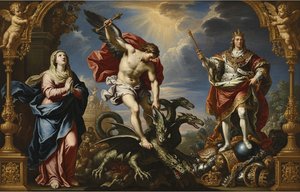
The Dramatic Flourish: Exploring Themes of Power, Faith & Emotion in Baroque Artworks
Explore the dramatic world of Baroque art! Discover masters like Zurbarán & the powerful influence of religious zeal on painting techniques. Expert insights for collectors and enthusiasts.