
 Previzualizare
 Trimite prin felicitare
 Distribuie
 Detalii despre lucrare
 Ghid
Ghid

 Descarcă imaginea
 Produse similare
 Radiografie
 Galerie foto
 Întrebări și răspunsuri
 Statistici
Washington Bridge, Harlem River


 Vezi mai mult
Giclée / Imprimare artistică
Printuri giclée sau pe canvas de calitate muzeală, cu proces de producție rapid și opțiuni flexibile de finisare. ( Comandă pictură realizată manual Comută pe Imagine Digitală)




P118B lei10

P118H lei10

P118W lei10

P438Z lei10

P508JH lei12

P508YH lei12

P805H lei10

P805Z lei10

P919BZ lei10

P919G lei10

P919XJ lei10

P959ZH lei10

P968JZ lei12

W106C lei8

W218G lei10

W218JH lei8

W218Y lei10

W307PJ lei10

W316G lei10

W316PJ lei8

W316Y lei10

W398PJ lei8

W4111J lei10

W500HY lei15

W500JH lei15

W692G lei12

W849H lei8

W940BG lei15

W953PJ lei8




Alegeți dintre dimensiunile noastre prestabilite, care respectă proporțiile originale ale operei de artă.

Introduceți lățimea și înălțimea necesare pentru a se potrivi ramei sau peretelui dumneavoastră. O printare poate fi doar tăiată, niciodată extinsă dincolo de dimensiunea imaginii originale, astfel încât o dimensiune cu o formă diferită va pierde o parte din imagine. Vă trimitem o simulare digitală pentru aprobare înainte de a imprima orice. Imaginea afișată pe această pagină nu prezintă tăierea reală — doar simularea arată acest lucru.
Livrare în întreaga lume () în 2 săptămâni, în loc de cele 4/5 săptămâni standard. (5 Noiembrie)

Livrare expres gratuită la nivel mondial

Pânză de in de înaltă calitate

Asigurare completă pentru transport

Garanție de rambursare a taxelor vamale

Garanția fidelității culorilor

Politica de retur în 100 de zile (doar pentru defecte de fabricație)

Garanție de rambursare 100%

Ofertă pentru comenzi multiple
 Opțiunea cu sticlă este disponibilă doar pentru dimensiuni de sub 110 cm

Washington Bridge, Harlem River
Giclée / Imprimare artistică
Dimensiune reproducere
-


Preț total calculat
lei 387
A Moment Suspended in Light
The river flows with a quiet, heavy grace under an overcast sky, its surface catching the soft, diffused light of a day caught between shadows. In this view of the Harlem River, the water moves through a landscape where the boundaries between earth and air seem to blur. The Washington Bridge rises in the distance, its golden hue acting as a steady anchor amidst the shifting greens and browns of the foreground. Trees and rocks cling to the riverbanks, rendered with thick, mosaic-like strokes that give the scene a palpable texture. There is a sense of stillness here, as if the wind has momentarily ceased its movement, leaving only the slow pulse of the water and the hazy expanse of the sky above.
The atmosphere feels heavy with moisture, suggesting a cool, damp afternoon where the light does not strike so much as it settles. Every brushstroke contributes to this sense of weight and depth, building layers of color that mimic the way light filters through a mist. The composition draws the eye upward from the dark, organic shapes of the shoreline toward the structural presence of the bridge, creating a silent dialogue between the natural world and the hand of man.
The Language of Impressionism
The technique relies on visible, broken strokes that reject precise lines in favor of pure sensation. This approach captures the ephemeral quality of the atmosphere, using color to suggest form rather than hard outlines. Muted greens and deep browns ground the foreground, while the sky and water reflect a palette of cool tones, punctuated by the warmth of the bridge. The way the paint sits upon the canvas creates a rugged, tactile surface that mirrors the uneven textures of the riverbank itself.
This method reflects the influence of the Impressionist movement, where the goal is to record a fleeting impression of light and weather. By prioritizing the subjective experience of the scene, the work captures the way the eye perceives a landscape in flux. The bridge, though a massive feat of engineering, becomes part of the natural rhythm of the river, its presence softened by the hazy, atmospheric perspective that pushes the distant hills into a soft, blue-tinted blur.
Connections Between Nature and Progress
There is a quiet tension held within this landscape, a subtle meeting point between the wildness of the river and the encroaching reach of urban life. The bridge acts as a physical link between two shores, but symbolically, it represents the intersection of civilization and the natural environment. As the early 20th century brings rapid change to the surrounding landscape, this painting captures a sense of peace that feels fragile, as if the tranquility of the Harlem River is being observed in a rare moment of respite from the expansion of the city.
The emotional weight of the piece lies in this very stillness. It invites a slow, contemplative gaze, encouraging anyone who looks to find a sense of calm within the textured layers of paint. The scene does not demand attention through loud colors or dramatic action; instead, it offers a quiet space for reflection, where the simple beauty of light hitting water and stone remains the central focus.
Întrebări și răspunsuri
Unde pot descărca imaginea pentru "Washington Bridge, Harlem River" de Ernest Lawson?
Pentru "Washington Bridge, Harlem River" este disponibil un download: pagina de Descărcare a operei oferă descărcare imagine digitală de înaltă rezoluție.
Este "Washington Bridge, Harlem River" în domeniul public?
În ceea ce privește drepturile de autor, "Washington Bridge, Harlem River" este în domeniul public – drepturile de autor au expirat.
Din ce epocă datează "Washington Bridge, Harlem River"?
Perioada istorică a operei "Washington Bridge, Harlem River" de Ernest Lawson este Modern. Această clasificare plasează lucrarea în contextul istoriei artei.
Biografie artist
Ernest Lawson: A Pioneer of American Impressionism
Ernest Lawson (1873-1939) stands as a cornerstone figure in the history of American Impressionism, recognized for his distinctive blend of realism and vibrant color—a stylistic approach that captured the essence of rural life alongside urban landscapes. His artistic journey spanned decades, marked by unwavering dedication to portraying the natural world with sensitivity and profound observation.- Early Life and Training: Born in Halifax, Nova Scotia, Canada, Lawson’s formative years were shaped by a childhood immersed in the Canadian countryside. He pursued formal artistic training initially at Kansas City Art Institute, followed by intensive studies at the Art Students League of New York under John Twachtman—a pivotal encounter that instilled within him the principles of Impressionism.
- Parisian Influences: Lawson’s relocation to Paris in 1893 proved transformative. He enrolled at Académie Julian, where he honed his skills alongside luminaries like Jean-Joseph Benjamin-Constant and Jean-Paul Laurens—artists who championed a bold departure from academic conventions. Notably, he found inspiration in the works of Claude Monet and Camille Pissarro, absorbing their techniques for capturing fleeting moments of light and color.
- The Eight and Artistic Rebellion: Lawson’s involvement with “The Eight,” a collective of artists challenging the restrictive policies of the National Academy of Design, solidified his commitment to artistic independence. This association fueled his exploration of urban realism—particularly scenes depicting working-class life—resulting in paintings that resonated deeply with the social consciousness of their time.
- Notable Works: Lawson’s oeuvre is characterized by a remarkable sensitivity to landscape and atmosphere. Among his most celebrated pieces are “Upper Harlem River—Winter,” which exemplifies his masterful use of impasto technique to convey textural depth, and “The Pond and Gapstow Bridge, New York City,” where he skillfully captures the luminous beauty of Central Park under moonlight.
- Legacy and Recognition: Lawson’s influence extended beyond his own lifetime. He was lauded by fellow artists like William Merritt Chase for his unparalleled ability to convey emotion through color and form—a distinction that cemented his place as America's foremost landscape painter. His enduring legacy continues to inspire artists today, reminding us of the power of observation and the importance of portraying the world with honesty and compassion.
Stylistic Characteristics: Impressionism Meets Realism
Lawson’s artistic style defies easy categorization—he skillfully merged the tenets of Impressionism with a grounding in realism. Like Monet and Sisley, he prioritized capturing the ephemeral qualities of light and color, employing loose brushstrokes and vibrant palettes to convey atmospheric sensations. However, Lawson distinguished himself by meticulously rendering details—particularly textures—that conveyed a palpable sense of place. This dual approach resulted in paintings that were both aesthetically captivating and psychologically insightful.The Eight: Artistic Solidarity and Critique
Lawson’s affiliation with “The Eight” represents a watershed moment in American art history. Driven by a shared conviction that the National Academy of Design stifled artistic expression, the group embarked on an audacious endeavor—the independent exhibition of 1908—that provoked considerable controversy and reshaped perceptions of artistic taste. Lawson's participation underscored his unwavering commitment to artistic freedom and challenged prevailing academic norms.Exploring American Landscapes: From Rural Scenes to Urban Perspectives
Lawson’s artistic focus consistently centered on the landscapes of America—ranging from tranquil rural vistas to bustling urban environments. His paintings captured not merely visual appearances but also the emotional resonance of these spaces, reflecting his profound connection to the natural world and his astute understanding of human experience.
Ernest Lawson
1873 - 1939 , Canada
Detalii rapide
- Artistic Movement Or Style: Impressionism
- Artists Who Influenced This Artist:
- John Henry Twachtman
- Alfred Sisley
- Date Of Birth: 22 martie 1873
- Date Of Death: 18 decembrie 1939
- Full Name: Ernest Lawson
- Nationality: Canadian
- Notable Artworks:
- Orașul Harlem—Iarna
- Podul Gapstow și Lacul
- Noapte de primăvară Harlem
- Place Of Birth: Halifax, Canada
Articole similare

Frederick Childe Hassam: American Impressionism's Chronicler of Light & Modern Life
Explore the captivating world of Frederick Childe Hassam, a pioneer of American Impressionism. Discover his iconic paintings capturing light, urban life & coastal beauty. Learn about his legacy and influence on American art history.
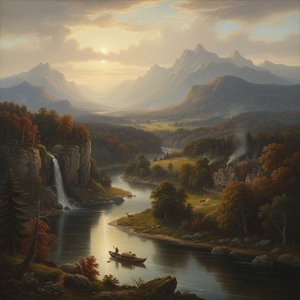
Capturing the American Spirit: A Journey Through Iconic Landscapes and the Legacy of the Hudson River School
Explore the profound beauty of American art history. From the Hudson River School to iconic landscapes, discover a curated journey through the masterpieces that defined a nation's spirit and the enduring legacy of American Romanticism.
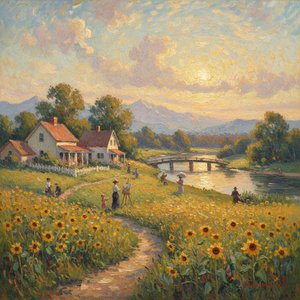
Capturing a Nation's Light: Exploring the American Impressionist Movement
Explore the captivating world of American Impressionism! Discover key artists, techniques & its lasting impact on art history. Find museum-quality reproductions and expert guidance at OriginalUniqueArt.
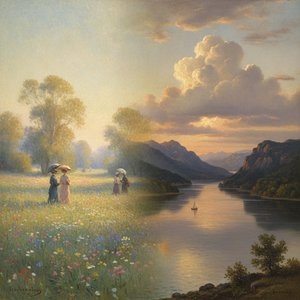
Capturing the Light: A Journey Through the Soul of American Impressionism and the Hudson River School
Explore the luminous beauty of American Impressionism and the Hudson River School. Discover a curated journey through light, landscape, and history, celebrating the enduring legacy of masters through exquisite, hand-painted oil reproductions for the discerning art lover.
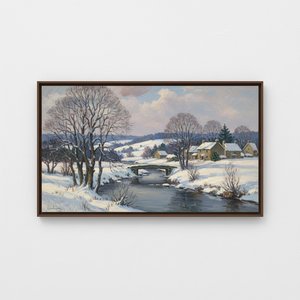
Ernest Lawson: A Pioneer of American Impressionism & His Vision of the Rural Landscape
Explore the life & art of Ernest Lawson, a pivotal figure in American Impressionism. Discover his evocative landscapes, influences, and lasting legacy with OriginalUniqueArt.