- Acasă

- Print pe pânză
- Ernest Lawson
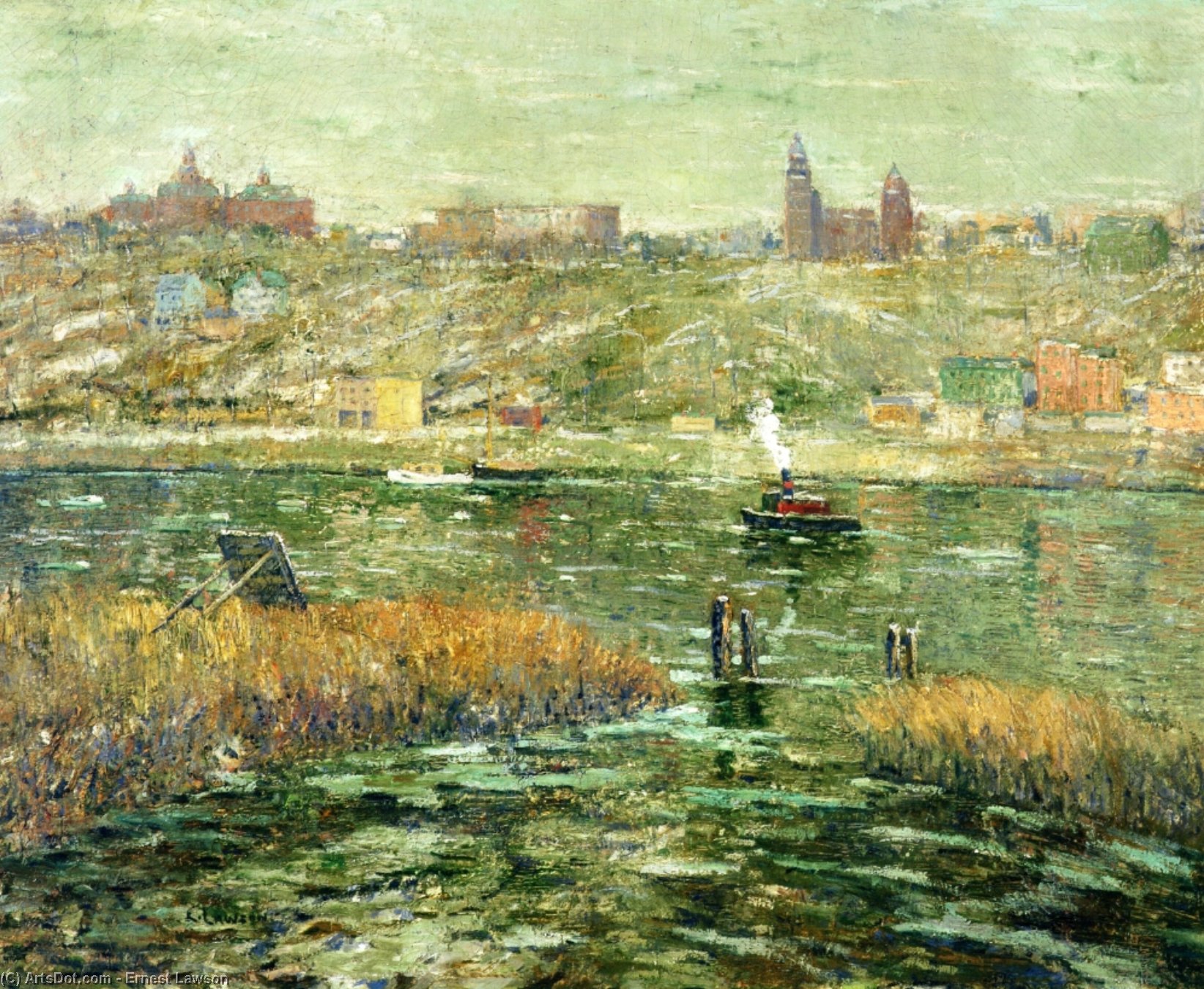
- Harlem River
 Vezi în context
 Trimite prin felicitare
 Distribuie
 Detalii

 Descarcă imaginea
 Produse similare
 Radiografie
 Galerie foto
Harlem River


 Citește mai mult
Giclée / Imprimare artistică
Printuri giclée sau pe canvas de calitate muzeală, cu proces de producție rapid și opțiuni flexibile de finisare. ( Comandă pictură realizată manual Comută la imagine)




P118B $10

P118H $10

P118W $10

P438Z $10

P508JH $12

P508YH $12

P805H $10

P805Z $10

P919BZ $10

P919G $10

P919XJ $10

P959ZH $10

P968JZ $12

W106C $8

W218G $10

W218JH $8

W218Y $10

W307PJ $10

W316G $10

W316PJ $8

W316Y $10

W398PJ $8

W4111J $10

W500HY $15

W500JH $15

W692G $12

W849H $8

W940BG $15

W953PJ $8




Alegeți dintre dimensiunile noastre prestabilite, care respectă proporțiile originale ale operei de artă.

Puteți introduce propriile dimensiuni pentru a se potrivi unui anumit cadru sau spațiu. Dacă dimensiunea selectată nu corespunde proporțiilor imaginii originale, vom decupa lucrarea de artă sau vom extinde imaginea cu margini oglindite sau cu o culoare uniformă. Un mockup digital va fi trimis pentru aprobarea dumneavoastră înainte de începerea producției.
Vă rugăm să rețineți că previzualizarea de pe ecran nu reflectă decuparea sau extinderea reală. Doar mockup-ul va arăta cu exactitate compoziția finală.
Deși dimensiunile personalizate sunt disponibile, vă recomandăm să selectați o dimensiune din lista predefinită pentru a păstra proporțiile originale.
Livrare în întreaga lume () în 2 săptămâni, în loc de cele 4/5 săptămâni standard. (4 August)

Livrare expres gratuită la nivel mondial

Pânză de in premium

Asigurare completă pentru transport

Garanție de rambursare a taxelor vamale

Garanția fidelității culorilor

Politica de retur în 60 de zile (doar pentru defecte)

Garanție de rambursare 100%

Reducere pentru comenzi multiple
 Opțiunea cu sticlă este disponibilă doar pentru dimensiuni sub 110 cm

Harlem River
Giclée / Imprimare artistică
Dimensiuni reproducere
-


Preț total
$ 80
Descriere obiect de colecție
A Symphony of Light on the Harlem River
In his 1911 masterpiece, Harlem River, Ernest Lawson invites the viewer to step into a world where the boundaries between water, sky, and shore dissolve into a vibrant dance of light. This exquisite oil on canvas is far more than a mere landscape; it is an Impressionist poem captured in pigment. The scene unfolds along the rhythmic pulse of the river, where several boats drift through the shimmering currents, their forms softened by the atmospheric haze. A solitary figure stands near the water's edge, a quiet observer lost in the grandeur of the scene, serving as a poignant anchor for the viewer’s own contemplation. Through Lawson's eyes, the Harlem River becomes a stage for the interplay of movement and stillness, capturing a fleeting moment of New York's natural beauty before the encroaching rush of modernity.
The technical brilliance of this work lies in Lawson's mastery of the Impressionist technique, specifically his ability to manipulate color and brushwork to evoke texture and temperature. Rather than relying on harsh outlines, he utilizes broken brushstrokes that allow colors to blend optically, creating a sense of shimmering energy. The palette is a sophisticated arrangement of tones that capture the essence of a living ecosystem; the cool blues and greens of the water contrast beautifully with the warmer, sun-drenched highlights reflecting off the boats and the shoreline. This meticulous application of paint gives the canvas a tactile quality, making the ripples of the river feel almost palpable to the touch.
Historical Resonance and Artistic Legacy
To understand Harlem River, one must look to Lawson’s place within the American art canon. As a prominent member of The Eight, Lawson brought a unique Canadian sensibility—honed by his early years in Halifax—to the gritty yet beautiful landscapes of New York. His training at the Art Students League under John Twachtman and his encounters with the French masters in Paris allowed him to bridge the gap between European Impressionism and American Realism. This painting stands as a testament to that fusion, capturing a specific historical era where the industrial spirit of the city met the untamed beauty of its waterways.
For the discerning collector or interior designer, this reproduction offers more than just aesthetic appeal; it provides an emotional centerpiece for any curated space. The painting’s ability to evoke tranquility while maintaining a sense of vitality makes it an ideal choice for creating a sophisticated atmosphere in a study, a grand living room, or a serene gallery setting. Owning a piece that reflects Lawson's profound connection to the light and life of the Harlem River is an opportunity to bring a fragment of art history into the modern home, offering a timeless window into a world of enduring grace and luminous beauty.
Biografie artist
Ernest Lawson: A Pioneer of American Impressionism
Ernest Lawson (1873-1939) stands as a cornerstone figure in the history of American Impressionism, recognized for his distinctive blend of realism and vibrant color—a stylistic approach that captured the essence of rural life alongside urban landscapes. His artistic journey spanned decades, marked by unwavering dedication to portraying the natural world with sensitivity and profound observation.- Early Life and Training: Born in Halifax, Nova Scotia, Canada, Lawson’s formative years were shaped by a childhood immersed in the Canadian countryside. He pursued formal artistic training initially at Kansas City Art Institute, followed by intensive studies at the Art Students League of New York under John Twachtman—a pivotal encounter that instilled within him the principles of Impressionism.
- Parisian Influences: Lawson’s relocation to Paris in 1893 proved transformative. He enrolled at Académie Julian, where he honed his skills alongside luminaries like Jean-Joseph Benjamin-Constant and Jean-Paul Laurens—artists who championed a bold departure from academic conventions. Notably, he found inspiration in the works of Claude Monet and Camille Pissarro, absorbing their techniques for capturing fleeting moments of light and color.
- The Eight and Artistic Rebellion: Lawson’s involvement with “The Eight,” a collective of artists challenging the restrictive policies of the National Academy of Design, solidified his commitment to artistic independence. This association fueled his exploration of urban realism—particularly scenes depicting working-class life—resulting in paintings that resonated deeply with the social consciousness of their time.
- Notable Works: Lawson’s oeuvre is characterized by a remarkable sensitivity to landscape and atmosphere. Among his most celebrated pieces are “Upper Harlem River—Winter,” which exemplifies his masterful use of impasto technique to convey textural depth, and “The Pond and Gapstow Bridge, New York City,” where he skillfully captures the luminous beauty of Central Park under moonlight.
- Legacy and Recognition: Lawson’s influence extended beyond his own lifetime. He was lauded by fellow artists like William Merritt Chase for his unparalleled ability to convey emotion through color and form—a distinction that cemented his place as America's foremost landscape painter. His enduring legacy continues to inspire artists today, reminding us of the power of observation and the importance of portraying the world with honesty and compassion.
Stylistic Characteristics: Impressionism Meets Realism
Lawson’s artistic style defies easy categorization—he skillfully merged the tenets of Impressionism with a grounding in realism. Like Monet and Sisley, he prioritized capturing the ephemeral qualities of light and color, employing loose brushstrokes and vibrant palettes to convey atmospheric sensations. However, Lawson distinguished himself by meticulously rendering details—particularly textures—that conveyed a palpable sense of place. This dual approach resulted in paintings that were both aesthetically captivating and psychologically insightful.The Eight: Artistic Solidarity and Critique
Lawson’s affiliation with “The Eight” represents a watershed moment in American art history. Driven by a shared conviction that the National Academy of Design stifled artistic expression, the group embarked on an audacious endeavor—the independent exhibition of 1908—that provoked considerable controversy and reshaped perceptions of artistic taste. Lawson's participation underscored his unwavering commitment to artistic freedom and challenged prevailing academic norms.Exploring American Landscapes: From Rural Scenes to Urban Perspectives
Lawson’s artistic focus consistently centered on the landscapes of America—ranging from tranquil rural vistas to bustling urban environments. His paintings captured not merely visual appearances but also the emotional resonance of these spaces, reflecting his profound connection to the natural world and his astute understanding of human experience.
Ernest Lawson
1873 - 1939 , Canada
Informații rapide
- Artistic Movement Or Style: Impressionism
- Artists Who Influenced This Artist:
- John Henry Twachtman
- Alfred Sisley
- Date Of Birth: 22 martie 1873
- Date Of Death: 18 decembrie 1939
- Full Name: Ernest Lawson
- Nationality: Canadian
- Notable Artworks:
- Orașul Harlem—Iarna
- Podul Gapstow și Lacul
- Noapte de primăvară Harlem
- Place Of Birth: Halifax, Canada
Articole conexe

Bărci în Artă: Top 10 Opere Maestru și Istoria Lor Fascinantă | OriginalUniqueArt.ro
Descoperă top 10 opere de artă marine iconice! De la Monet și Manet la simbolismul barcii, explorează istoria fascinantă a picturilor cu bărci. Reproduceri de calitate muzeală & inspirație decor pe OriginalUniqueArt.com.
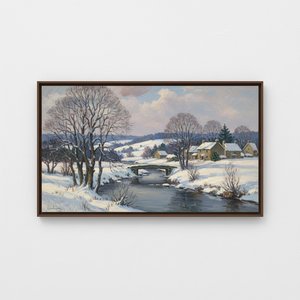
Ernest Lawson: A Pioneer of American Impressionism & His Vision of the Rural Landscape
Explore the life & art of Ernest Lawson, a pivotal figure in American Impressionism. Discover his evocative landscapes, influences, and lasting legacy with OriginalUniqueArt.
Renoir: Cele Mai Iconice Capodopere – Artă, Frumusețe și Decorațiuni de Lux
Descoperă cele mai frumoase 25 de picturi Renoir! Explorează capodoperele impresionismului, culorile vibrante și poveștile din spatele fiecărei opere. Reproduceri artă de lux pe OriginalUniqueArt.com – adaugă eleganță locuinței tale!

Top 10 Capodopere Impresioniste: Peisaje care au Schimbat Arta | OriginalUniqueArt.ro
Descoperă top 10 capodopere impresioniste care au revoluționat arta! Monet, Manet, Renoir și alți maeștri ai peisajului. Reproduceri de tablouri canvas de calitate muzeală pentru un decor inspirat. Explorează colecția completă pe OriginalUniqueArt.com!
Claude Monet: Cele Mai Iconice Lucrări – O Călătorie Prin Frumusețea Impresionismului | OriginalUniqueArt.ro
Descoperă cele mai frumoase lucrări Claude Monet – o călătorie prin impresionism, nufăr și peisaje iconice. Află povestea fiecărui tablou și adu atmosfera artistică în casa ta cu reproduceri de calitate superioară pe OriginalUniqueArt.com!

