
 Vezi în context
 Trimite
 Distribuie
 Detalii
 Ghidul

 Descarcă
 Produse similare
 Radiografie
 Diaporama
 Statistici
Crucifixion,
 Acrylic On Canvas
- WallArt
- Expressionist Symbolism
 1912
1912- 19th Century
 221.0 x 194.0 cm
 Citește mai mult
Reproducere pictată manual în ulei
Pictură în ulei pe pânză, realizată manual de artiștii noștri la dimensiunea și ramele dorite de dumneavoastră, pe comandă. ( Comută pe versiunea Print Treci la imagine digitală)




P118B lei10

P118H lei10

P118W lei10

P438Z lei10

P508JH lei12

P508YH lei12

P805H lei10

P805Z lei10

P919BZ lei10

P919G lei10

P919XJ lei10

P959ZH lei10

P968JZ lei12

W106C lei8

W218G lei10

W218JH lei8

W218Y lei10

W307PJ lei10

W316G lei10

W316PJ lei8

W316Y lei10

W398PJ lei8

W4111J lei10

W500HY lei15

W500JH lei15

W692G lei12

W849H lei8

W940BG lei15

W953PJ lei8




Alegeți dintre dimensiunile noastre prestabilite, care respectă proporțiile originale ale operei de artă.

Type the width and the height you need, to fit your frame or your wall. This is hand-painted, so for a size with a different shape the artist can paint a bit more around the picture, or cut a bit — you choose. We send you a digital mockup to approve before the painting starts. The picture shown on this page does not show the real result — only the mockup does.
După plasarea comenzii, echipa OriginalUniqueArt.com va contacta clientul prin e-mail pentru instrucțiuni și îi va furniza o previzualizare a machetei
Livrare în întreaga lume () în 3-4 săptămâni, în loc de cele 5 săptămâni standard. (14 Octombrie). Fără compromisuri în ceea ce privește calitatea.

Livrare expres gratuită la nivel mondial

Pânză de in premium

Asigurare completă pentru transport

Garanție de rambursare a taxelor vamale

Garanția fidelității culorilor

Politica de retur în 100 de zile (doar pentru defecte)

Garanție de rambursare 100%

Reducere pentru comenzi multiple
 Opțiunea cu sticlă este disponibilă doar pentru dimensiuni de sub 110 cm

Crucifixion,
Tip de reproducere
Dimensiune reproducere
-


Preț total
lei 1368
A Profound Meditation on Suffering: Emil Nolde's Crucifixion (1912)
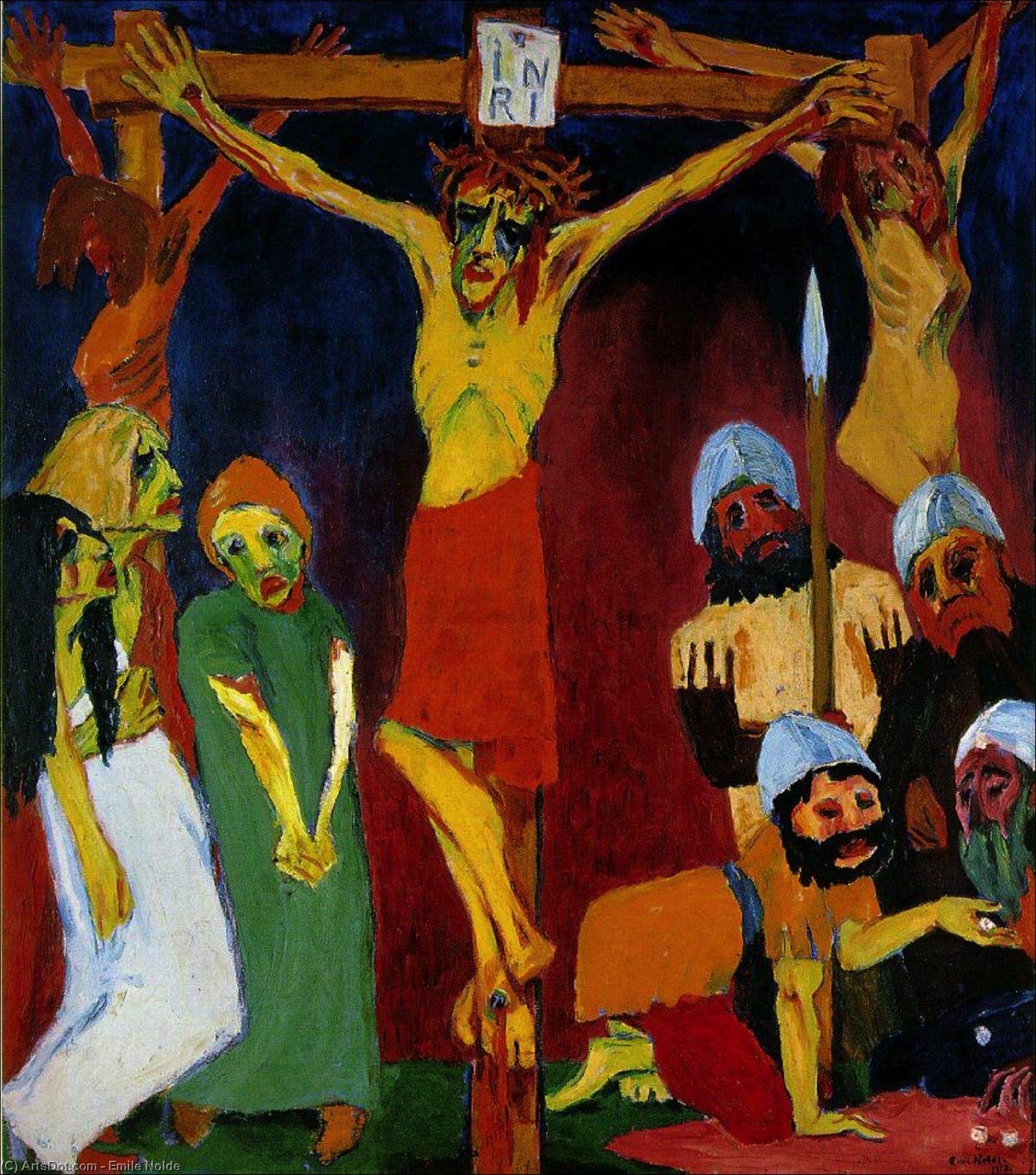
Emil Nolde’s Crucifixion, painted in 1912, is not merely a depiction of a biblical event; it’s a visceral exploration of human suffering and faith rendered with an arresting intensity. Measuring 221 x 194 cm, this canvas immediately commands attention with its dramatic composition and the artist's signature use of bold, expressive color. Nolde, deeply influenced by the works of Van Gogh and Gauguin, alongside a fascination with primitive art forms – particularly the raw emotion conveyed through masks and carvings – sought to bypass representational accuracy in favor of conveying profound spiritual truths. The painting’s power resides not just in its subject matter but in the artist's ability to translate complex emotions onto the canvas with remarkable directness.
Subject Matter and Composition
The scene is unequivocally the crucifixion of Christ, a cornerstone event in Christian theology. Nolde meticulously portrays Jesus on the cross, his body contorted in agony, arms outstretched in a gesture both vulnerable and defiant. The surrounding figures – a solitary figure to the left and another to the right, along with a throng gathered around the base of the cross – are not simply observers; they are participants in this monumental drama. Their postures, expressions, and spatial arrangement contribute to the painting’s dynamic tension, reflecting the emotional weight of the moment. Notably, the inclusion of a knife adds an element of unsettling ambiguity, perhaps symbolizing betrayal or the inherent violence within human nature.
Technique and Color – A Language of Emotion
- Impasto Technique: Nolde employs a thick impasto technique, layering paint with considerable texture. This creates a palpable sense of physicality, emphasizing the roughness of the wood, the vulnerability of Christ’s body, and the raw emotion conveyed through the figures' expressions.
- Bold Color Palette: The artist utilizes a vibrant, almost jarring color palette – deep reds, blues, and yellows – to heighten the emotional impact. These colors are not used realistically but rather expressively, amplifying the sense of suffering and spiritual intensity.
- Simplified Forms: Nolde simplifies forms, reducing figures to their essential shapes, further intensifying the painting’s symbolic power. This stylistic choice aligns with his broader interest in exploring primal emotions and spiritual truths through a non-naturalistic lens.
Symbolism and Historical Context
Painted during a period of significant artistic experimentation and religious questioning, Crucifixion reflects the anxieties and spiritual searches of early 20th-century Europe. The painting’s raw emotionality speaks to a desire for authentic experience beyond traditional religious dogma. The scene itself is laden with symbolism – Christ's sacrifice representing redemption, faith, and hope amidst despair. Nolde’s deliberate rejection of academic conventions aligns him with the Expressionist movement, which sought to convey subjective emotions rather than objective reality. The painting was created in 1912, a year marked by social unrest and political upheaval, suggesting a deeper engagement with themes of human suffering and injustice.
Emotional Impact and Artistic Legacy
Crucifixion remains a profoundly moving work of art. Its power lies in its ability to evoke empathy and contemplation, prompting viewers to confront the fundamental questions of faith, suffering, and redemption. Nolde’s masterful use of color, texture, and composition creates an unforgettable image that continues to resonate with audiences today. This hand-painted reproduction offers a unique opportunity to experience the full force of Nolde's artistic vision – a testament to his enduring legacy as one of Germany’s most important Expressionist painters.
Întrebări și răspunsuri
Care este nuanța dominantă în "Crucifixion," de Emil Nolde?
O nuanță de Golden Yellow Range traversează întregul "Crucifixion," de Emil Nolde.
Ce amplasare se potrivește formatului lucrării "Crucifixion," de Emil Nolde?
Formatul (Portrait) și spațiul recomandat (Living Room) sunt cele două detalii de amplasare înregistrate pentru "Crucifixion," de Emil Nolde.
Culorile din "Crucifixion," de Emil Nolde sunt vii sau discrete?
"Crucifixion," de Emil Nolde este înregistrată cu o saturație de Clear Color Presence și o intensitate de Balanced.
Biografie artist
Early Life and Artistic Beginnings
Emil Nolde, un pictor german-danemez de renume mondial, s-a născut Hans Emil Hansen pe 7 august 1867, în Nolde, Schleswig-Holstein, Germania. Provine dintr-o familie cu legături puternice cu viața rurală și credințele religioase, factori care au influențat profund viziunea sa artistică. În ciuda rezistenței inițiale a părinților săi, care preferau ca el să urmeze o carieră mai convențională, Nolde a urmărit cu perseverență pasiunea sa pentru artă. Inițial, a lucrat ca sculptor pe lemn și decorator de mobilier înainte de a se dedica în totalitate picturii abia la sfârșitul anilor săi doi. Originea sa modestă și legăturile sale cu mediul rural au modelat o sensibilitate profundă, care s-a reflectat în operele sale ulterioare.Artistic Development and Influences
Călătoria artistică a lui Nolde a fost marcată de autoeducare și explorare. A călătorit pe îndelete, absorbind influențe din diverse culturi și forme de artă. Influențele timpurii au inclus Vincent van Gogh, Paul Gauguin și arta populară tradițională – în special puterea expresivă a măștilor și sculpturilor primitive. Aceste întâlniri i-au stârnit interesul pentru culori îndrăznețe, forme simplificate și subiecte emoționante. Inițial, a experimentat cu Realismul și Impresionismul, dar s-a mișcat rapid către un stil mai subiectiv și expresiv. A fost fascinat de arta brută și de modul în care aceasta putea transmite emoții puternice, o temă centrală în opera sa ulterioară.Die Brücke and Expressionist Breakthrough
În 1905, Nolde a co-fondat Die Brücke (Podul), un grup seminal de artiști expressioniști germani. Această colectivă a căutat să depășească tradițiile academice și să exprime emoții interioare prin experimentare artistică radicală. Contribuția lui Nolde la Die Brücke a fost semnificativă; utilizarea sa intensivă de culoare și forme distorsionate au împins limitele reprezentării. Cu toate acestea, a menținut un drum relativ independent în cadrul grupului, deviind adesea în subiectul și stilul abordat. Grupul Die Brücke a oferit o platformă pentru Nolde să își dezvolte viziunea artistică, dar și să exploreze teme și tehnici care nu se aliniau întotdeauna cu cele ale altor membri.Key Themes and Artistic Style
Operele lui Nolde sunt caracterizate de mai multe teme recurente: scene religioase, peisaje, peisaje maritime și portrete. A fost fascinat în mod deosebit de puterea măștilor – atât ca obiecte fizice, cât și ca reprezentări simbolice ale emoțiilor primare. Stilul său artistic este definit de:- Culori îndrăznețe și vibrante folosite pentru a transmite intensitate emoțională
- Forme distorsionate care accentuează expresia în detrimentul reprezentării realiste
- Tehnica impasto - aplicarea grosieră a culorii, creând textură
- Un focus pe capturarea stărilor psihologice interioare
Notable Works and Achievements
Pe parcursul carierei sale, Nolde a creat un număr vast de opere. Unele dintre cele mai apreciate picturi includ:- Măștile (1906-1907) – evidențiind fascinarea sa pentru arta primitivă
- Calvarul (1908) - o reprezentare puternică și emoționantă a scenei religioase
- Batjocorirea lui Hristos (1909) – o capodoperă expresionistă intensă, cu figuri distorsionate și culori intense
- Grădina de flori (Fata și spălarea) (1907) - un tablou vibrant care reflectă sensibilitatea sa artistică.
- Marella (1912) – o pictură care ilustrează tema religioasă a convertirii.
Historical Significance and Legacy
Emil Nolde’s utilizare inovatoare a culorii și a stilului expresiv a influențat profund generațiile următoare de artiști. Lucrările sale au făcut o punte între arta reprezentativă tradițională și mișcările abstracte ulterioare. El rămâne o figură centrală în istoria expressionismului german, celebrat pentru intensitatea sa emoțională, experimentarea sa îndrăzneață și viziunea artistică durabilă. Moștenirea sa continuă să inspire artiști și iubitori de artă din întreaga lume.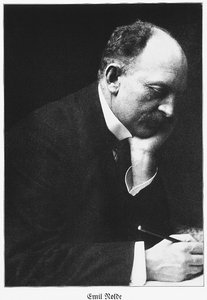
Emil Nolde
1867 - 1956 , Germania
Informații rapide
- Artistic Movement Or Style: Expresionism / Die Brücke
- Artists Or Movements Influenced By This Artist: ['Artă modernă']
- Artists Who Influenced This Artist:
- Van Gogh
- Gauguin
- Date Of Birth: 7 aug. 1867
- Date Of Death: 15 apr. 1956
- Full Name: Emil Nolde / Hans Emil Hansen
- Nationality: German-Dănțiu
- Notable Artworks:
- Mășcuțe
- Mihăloaga lui Hristos
- Marea toamnă
- Place Of Birth: Nolde, Germania
Articole conexe

Expresionismul German: 10 Capodopere Iconice pentru Decoruri de Artă
Descoperă cele mai importante 10 capodopere ale Expresionismului German! Explorează poveștile din spatele picturilor Kandinsky, Munch și Kirchner. Reproduceri de artă premium pentru un decor unic pe OriginalUniqueArt.com

Giclée Prints: Archival Quality & Aesthetic Nuances for the Discerning Collector
Explore the world of giclée prints with OriginalUniqueArt. Learn about archival quality, aesthetic nuances & investment potential. Expert guidance for discerning art collectors seeking museum-quality reproductions and lasting value.

The Enduring Legacy of Fine Art Prints: Technique, History & Aesthetic Impact
Explore the rich history & techniques of fine art prints. Discover investment potential, assess authenticity, and learn how to preserve your collection with expert guidance. Trusted insights for discerning collectors.

Echoes of Time: Exploring the Enduring Appeal & Historical Context of Vintage Art Prints
Explore the captivating world of vintage art prints! Discover their history, collecting tips & enduring appeal. Expert insights on chromolithography and building a legacy collection with OriginalUniqueArt.

Top 10 Opere de Artă Îndrăznețe: Inspirație și Decorațiuni Luxoase cu OriginalUniqueArt
Descoperă top 10 opere de artă îndrăznețe de la Van Gogh, Munch și Picasso! Explorează poveștile din spatele picturilor expresive, culorile vibrante și emoțiile puternice. Găsește inspirație pentru decorul casei tale cu reproduceri de calitate muzeală pe OriginalUniqueArt.com.

