
 Previzualizare
 Trimite
 Distribuie
 Detalii despre lucrare

 Descarcă
 Produse similare
 Radiografie
 Diapozitive automate
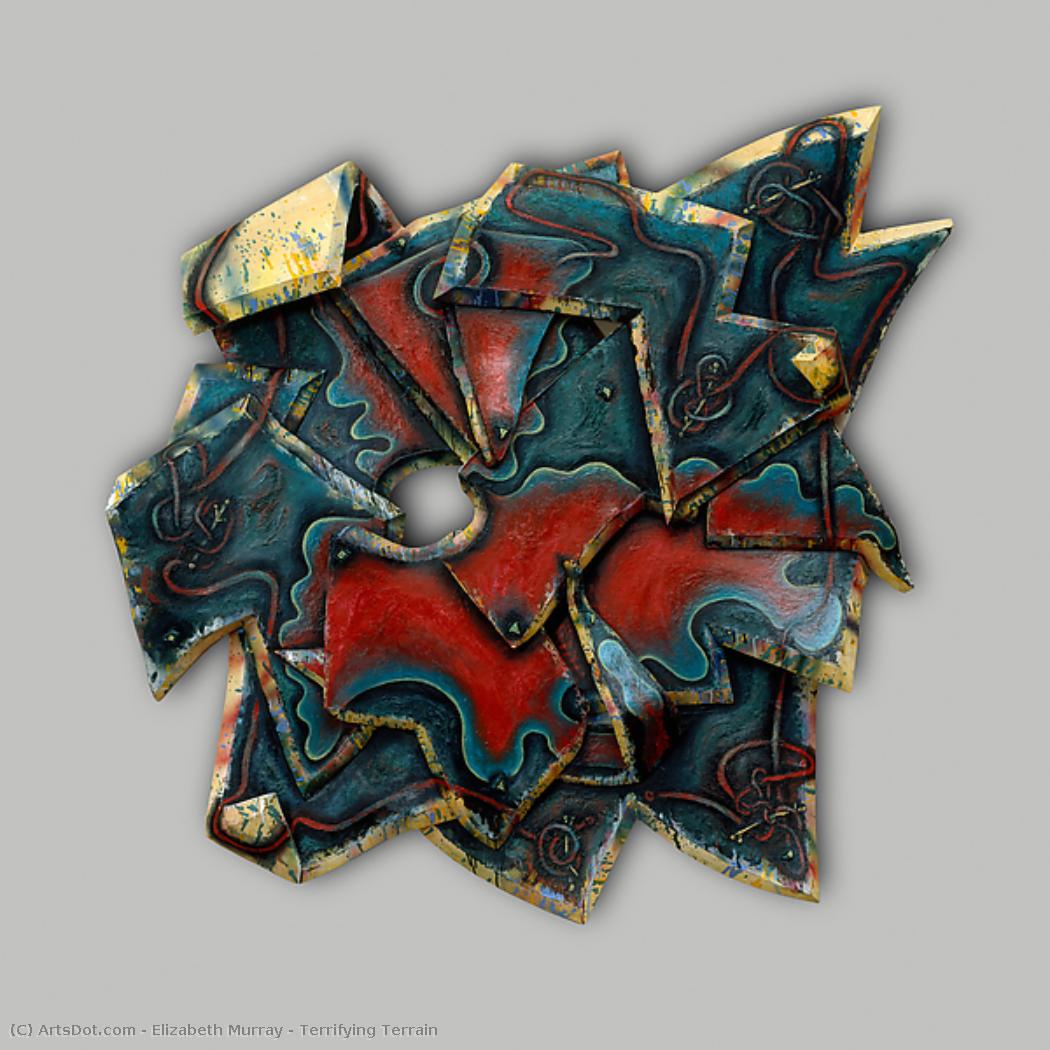
Terrifying Terrain
 Mixed Media
- WallArt
- Abstract Expressionism
 1989
1989- Modern
 215.0 x 216.0 cm
 Vezi mai mult
Achiziționați o imagine digitală de înaltă rezoluție, îmbunătățită, mult superioară previzualizării online.
Fiecare fișier este pregătit cu meticulozitate de specialiștii noștri interni, utilizând instrumente avansate și retușare manuală expertă. Ne asigurăm că fiecare imagine beneficiază de o claritate excepțională, o acuratețe precisă a culorilor și detalii fine.
Fișierul final este livrat prin e-mail în termen de 72 de ore, optimizat pentru utilizare imediată în medii profesionale, editoriale și de imprimare. Aceasta este aceeași calitate în care au încredere studiouri de design, edituri și galerii de top.
Imagine Digitală
Descărcați un fișier la rezoluție înaltă pentru afișare personală, imprimare și proiecte creative. ( Comandă printul Comandă pictură lucrată manual)
Inclus în fiecare comandă de imagini digitale
Livrare digitală de expertiză, garantată
Când alegeți OriginalUniqueArt.com, nu primiți doar o simplă imagine – primiți o operă de artă digitală îmbunătățită profesional, creată cu precizie și susținută de o garanție de satisfacție. Iată tot ceea ce primești odată cu comanda ta, în mod automat:

Livrare rapidă prin e-mail
Fișierul imaginii digitale la rezoluție înaltă vă va fi trimis prin e-mail în termen de 72 de ore de la finalizarea comenzii – gata pentru utilizare imediată.

Fișier digital optimizat prin IA
Opera ta de artă este optimizată profesional prin intermediul unor instrumente AI avansate și al editării manuale, asigurând un nivel maxim de detalii, claritate și acuratețe a culorilor.

Retransmitere gratuită pe viață
Ai șters sau ai pierdut din greșeală fișierul? Nu îți face griji – ți-l vom retrimite oricând, gratuit.

Fără taxe de import – Întotdeauna
Bucură-te instant de noua ta operă de artă, fără taxe vamale, taxe de import sau costuri de livrare – descărcările digitale sunt întotdeauna fără taxe.

Garanția acurateții culorilor
Asigurăm o reflectare cât mai fidelă a culorilor originale în imaginea ta digitală, prin utilizarea unor instrumente profesionale și a proceselor de gestionare a culorii.

Garanție de satisfacție de 60 de zile
Dacă nu sunteți mulțumit de imaginea digitală achiziționată, o vom revizui sau vă vom returna 100% în termen de 60 de zile – fără nicio explicație necesară.

Garanție de returnare 100% a banilor
Nu ești mulțumit? Obține o rambursare completă în termen de 60 de zile de la primirea fișierului tău digital – fără întrebări.

Reduceri pentru comenzi în volum
Cumpără 3 imagini, economisește 10% - Cumpără 5, economisește 15% - Cumpără 10+, economisește 20%. Ideal pentru proiecte creative, galerii și agenții.
Descriere obiect de colecție
Terrifying Terrain: A Deep Dive into Elizabeth Murray's Masterpiece
- Artist: elizabeth murray
- Birth Year: 1940
- Death Year: 2007
- Date: 1989
- Size: 215 x 216 cm
Subject and Composition
“Terrifying Terrain” is a monumental abstract painting by Elizabeth Murray, created in 1989. It’s not merely a painting; it's a sculptural construction composed of multiple irregularly shaped canvases joined together. This innovative approach challenges traditional notions of the picture plane, creating a dynamic and immersive visual experience. The work evokes the precariousness of rock climbing in Montana, a landscape Murray experienced firsthand. Jagged, overlapping planes simulate mountainous terrain, conveying both its awe-inspiring beauty and inherent danger.
Style and Technique
Murray belonged to a generation of postmodern artists who rejected the austerity of Minimalism and post-painterly abstraction. Her style is characterized by playful forms, vibrant colors, and a blurring of boundaries between traditional media. “Terrifying Terrain” exemplifies this approach, combining painting with sculptural elements. The technique involves layering multiple applications of paint and glaze, creating a heavily textured surface that invites tactile exploration. The use of red, blue, and gold hues contributes to the work's dramatic intensity and visual complexity. Murray’s shaped canvases are a signature element of her artistic practice, allowing her to manipulate space and perspective in unconventional ways.
Historical Context and Symbolism
Created during a period of significant cultural shifts, “Terrifying Terrain” reflects postmodern concerns with fragmentation, instability, and the breakdown of traditional structures. The painting’s title itself suggests a sense of anxiety and vulnerability. The central opening simulates a climber's vertiginous view down into a ravine, symbolizing both the thrill of adventure and the ever-present threat of falling. The work can be interpreted as an exploration of human fragility in the face of nature's power, or perhaps a metaphor for the complexities and uncertainties of modern life.
Emotional Impact and Legacy
“Terrifying Terrain” is not simply a visual spectacle; it’s also emotionally resonant. The painting evokes feelings of awe, fear, and exhilaration—emotions that are often intertwined when confronting vast landscapes or challenging personal endeavors. Murray's ability to convey such complex emotions through abstract forms is a testament to her artistic genius. Her work continues to inspire artists and art lovers alike, solidifying her place as one of the most important American painters of the late 20th century.
Biografie artist
A Life Painted in Form and Feeling
Elizabeth Murray, born in Chicago in 1940 to Irish-Catholic parents, irrevocably altered the landscape of American art, transforming modernist abstraction into a vibrant, intensely personal language of form. Her father, a respected lawyer, provided a stable foundation, while her mother, harboring ambitions as a commercial artist, nurtured Elizabeth’s early artistic inclinations – an essential catalyst for the unique trajectory she would ultimately forge. Murray's formal education commenced at the School of the Art Institute of Chicago in 1958, guided by a high school teacher who recognized her exceptional potential. This was followed by studies at Mills College in Oakland, California, where she earned her MFA in 1964. These formative years exposed her to a rich tapestry of influences – from the structural rigor of Cézanne and the groundbreaking experimentation of Robert Rauschenberg and Jasper Johns – all subtly shaping the distinctive style that would become her hallmark. However, it was the move to New York City in 1967 that truly ignited her artistic evolution, placing her at the heart of a rapidly transforming art world brimming with innovation and challenge.Breaking the Frame: Innovation and Early Recognition
Murray’s most enduring contribution lies in her revolutionary approach to shaped canvases. Rejecting the conventional rectangular format, she sculpted her paintings, imbuing them with dynamic, often playful forms that extended beyond the boundaries of the frame. This wasn't merely a stylistic choice; it represented a fundamental rethinking of painting itself – an exploration of its potential as both an object and a space simultaneously. Her early exhibitions, including a significant debut at the Whitney Museum of American Art’s annual exhibition in 1971, immediately garnered attention for this groundbreaking technique. *Children Meeting*, completed in 1978 and now permanently housed within the Whitney's collection, stands as a prime example from this period. The painting masterfully conveys emotion and suggests personality through non-figurative shapes, a captivating interplay of color, and dynamic lines – hinting at childhood memories and domestic scenes with an understated elegance. Like much of her work, *Children Meeting* reveals a deep connection to Murray’s lifelong fascination with the whimsical imagery of Walt Disney cartoons, injecting a sense of playful narrative into her abstract compositions. This influence is evident in the painting's vibrant hues and its suggestion of hidden stories within seemingly simple forms.Themes, Influences, and a Shifting Perspective
Murray’s artistic vision was deeply rooted in exploring themes related to domestic life, intimate relationships, and the very essence of painting itself. She seamlessly blended elements of Abstract Expressionism with the geometric precision of Minimalism, creating a unique visual language that resonated both intellectually and emotionally. Her ability to reshape modernist abstraction into a spirited, cartoon-based aesthetic opened entirely new avenues for artistic expression, profoundly influencing generations of artists who followed in her footsteps. Throughout her career, Murray consistently engaged with questions of representation and identity, often challenging traditional notions of art and its relationship to the world. Initially, her work focused on exploring feminist themes within a domestic context, but as she matured, her perspective broadened, incorporating broader dialogues about artistic practice and cultural exchange. This evolution is reflected in her later exhibitions, which demonstrated a willingness to engage with diverse voices and perspectives – a shift that underscored her commitment to pushing the boundaries of contemporary art.Major Achievements and Lasting Legacy
Elizabeth Murray’s career was punctuated by numerous accolades and significant milestones. In 1986, she received the Skowhegan Medal in Painting, recognizing her exceptional talent and innovative approach. The following year, she was awarded the prestigious Larry Aldrich Prize for Contemporary Art – a testament to her impact on the art world. Perhaps most notably, in 1999, Murray was elected as a Fellow of the American Academy of Arts and Sciences, a distinguished honor bestowed upon artists who have made significant contributions to their field. This recognition culminated in a major retrospective at New York’s Museum of Modern Art (MoMA) in 2006 – an event that cemented her place among the most influential figures in contemporary art. The exhibition was widely praised for its comprehensive overview of Murray's career and its insightful exploration of her unique artistic vision. Beyond these landmark achievements, she received numerous other awards from institutions such as the Art Institute of Chicago and the American Academy of Letters, solidifying her position as a leading voice in the art world.A Personal Canvas: Life and Remembrance
Beyond her professional accomplishments, Elizabeth Murray’s life was enriched by strong personal connections. Her marriage to poet and poetry activist Bob Holman was a source of mutual support and creative inspiration. Together they raised three children – Sophia Murray Holman, Daisy Murray Holman, and Dakota Sunseri – weaving family life into the fabric of their artistic pursuits. The memorials held in her honor following her untimely death from lung cancer in 2007 – one at the Bowery Poetry Club and another at MoMA – testified to the profound impact she had on both the art world and those who knew her personally. As *The New York Times* obituary eloquently stated, she “reshaped modernist abstraction into a high-spirited, cartoon-based language of form whose subjects included domestic life, relationships and the nature of painting itself.” Elizabeth Murray’s work remains a testament to the power of artistic innovation, personal expression, and the enduring beauty of a life lived in pursuit of creative vision. Her legacy continues to inspire artists today, reminding us that art can be both intellectually stimulating and deeply emotionally resonant.
Elizabeth Murray
1940 - 2007 , Statele Unite ale Americii
Detalii rapide
- Artistic Movement Or Style: Abstracționism
- Artists Or Movements Influenced By This Artist:
- Minimalism
- Art-Expresionism
- Artists Who Influenced This Artist:
- Cézanne
- Rauschenberg
- Johns
- Date Of Birth: 1940
- Date Of Death: 2007
- Full Name: Elizabeth Murray
- Nationality: Americană
- Notable Artworks:
- Children Meeting
- Terrifying Terrain
- Place Of Birth: Chicago, SUA

