
 Previzualizare
 Trimite
 Distribuie
 Detalii despre lucrare

 Descarcă
 Produse similare
 Radiografie
 Diapozitive automate
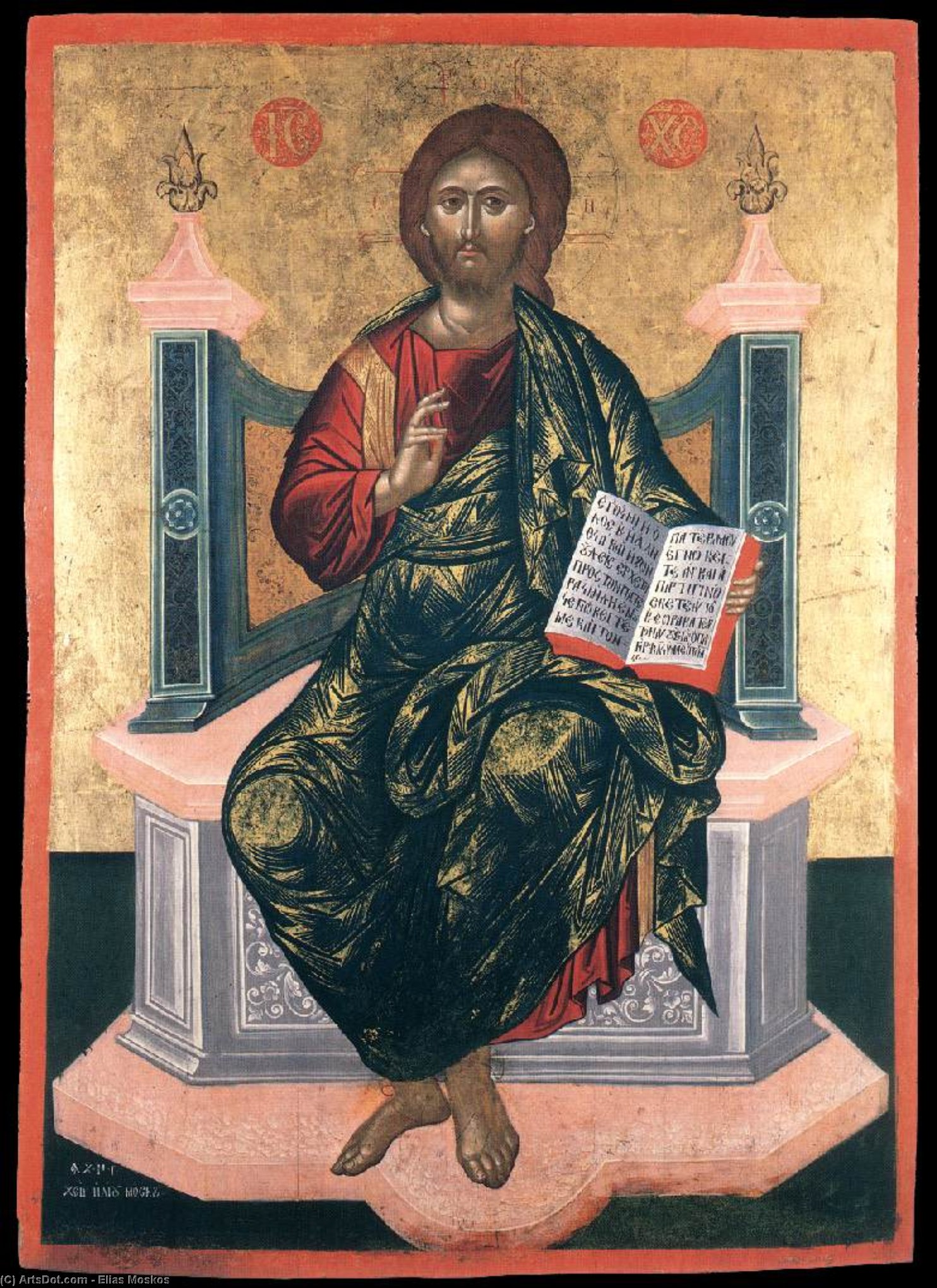
Christ Pantocrator
 Oil
Oil- WallArt
- Baroque
 1653
1653- Early Modern
 119.0 x 85.0 cm
 Ikonen-Museum
 Vezi mai mult
Achiziționați o imagine digitală de înaltă rezoluție, îmbunătățită, mult superioară previzualizării online.
Fiecare fișier este pregătit cu meticulozitate de specialiștii noștri interni, utilizând instrumente avansate și retușare manuală expertă. Ne asigurăm că fiecare imagine beneficiază de o claritate excepțională, o acuratețe precisă a culorilor și detalii fine.
Fișierul final este livrat prin e-mail în termen de 72 de ore, optimizat pentru utilizare imediată în medii profesionale, editoriale și de imprimare. Aceasta este aceeași calitate în care au încredere studiouri de design, edituri și galerii de top.
Imagine Digitală
Descărcați un fișier la rezoluție înaltă pentru afișare personală, imprimare și proiecte creative. ( Comandă versiunea tipărită Comandă pictură realizată manual)
Inclus în fiecare comandă de imagini digitale
Livrare digitală de expertiză, garantată
Când alegeți OriginalUniqueArt.com, nu primiți doar o simplă imagine – primiți o operă de artă digitală îmbunătățită profesional, creată cu precizie și susținută de o garanție de satisfacție. Iată tot ceea ce primești odată cu comanda ta, în mod automat:

Livrare rapidă prin e-mail
Fișierul imaginii digitale la rezoluție înaltă vă va fi trimis prin e-mail în termen de 72 de ore de la finalizarea comenzii – gata pentru utilizare imediată.

Fișier digital optimizat prin IA
Opera ta de artă este optimizată profesional prin intermediul unor instrumente AI avansate și al editării manuale, asigurând un nivel maxim de detalii, claritate și acuratețe a culorilor.

Retransmitere gratuită pe viață
Ai șters sau ai pierdut din greșeală fișierul? Nu îți face griji – ți-l vom retrimite oricând, gratuit.

Fără taxe de import – Întotdeauna
Bucură-te instant de noua ta operă de artă, fără taxe vamale, taxe de import sau costuri de livrare – descărcările digitale sunt întotdeauna fără taxe.

Garanția acurateții culorilor
Asigurăm o reflectare cât mai fidelă a culorilor originale în imaginea ta digitală, prin utilizarea unor instrumente profesionale și a proceselor de gestionare a culorii.

Garanție de satisfacție de 60 de zile
Dacă nu sunteți mulțumit de imaginea digitală achiziționată, o vom revizui sau vă vom returna 100% în termen de 60 de zile – fără nicio explicație necesară.

Garanție de returnare 100% a banilor
Nu ești mulțumit? Obține o rambursare completă în termen de 60 de zile de la primirea fișierului tău digital – fără întrebări.

Reduceri pentru comenzi în volum
Cumpără 3 imagini, economisește 10% - Cumpără 5, economisește 15% - Cumpără 10+, economisește 20%. Ideal pentru proiecte creative, galerii și agenții.
Biografie artist
Lavinia Fontana: A Pioneer of Female Artistic Voice
Lavinia Fontana (1552 – 1614) stands as a monumental figure in the history of art, recognized today as perhaps the first professional female artist to establish herself independently in Western Europe. Born into a family deeply rooted in the artistic traditions of Bologna, Italy, her journey was one of remarkable resilience and creative triumph against prevailing societal constraints. Her story isn’t simply that of an artist; it's a testament to the persistent pursuit of recognition within a world largely dominated by men. Her father, Prospero Fontana, was a respected painter known for his work in stucco decoration and frescoes, providing Lavinia with an invaluable early education in artistic techniques and practices. This familial connection offered her a unique advantage – access to a workshop environment and the opportunity to learn alongside her father, something rarely afforded to women of the era. Lavinia’s training began within the walls of her father's studio, where she honed her skills in tempera painting, a medium particularly favored for devotional works. Early commissions focused primarily on small-scale paintings intended as gifts – religious icons and portraits destined for wealthy patrons or diplomatic missions. These pieces, often executed on copper panels, were highly sought after due to the metal’s inherent value and luster. Her early work demonstrates a clear influence from the Bolognese School of painting, characterized by its rich colors, meticulous detail, and a focus on realistic representation – particularly evident in her 1576 masterpiece, *Christ with the Symbols of the Passion*, now housed at the El Paso Museum of Art. This piece showcases her burgeoning talent for capturing human emotion and rendering complex subjects with remarkable precision. However, it’s important to note that Lavinia's career unfolded within a context where female artists were largely excluded from formal training and professional opportunities. She navigated this challenging landscape by leveraging her family connections and establishing herself as a respected commercial artist, relying on commissions rather than patronage for her livelihood.A Unique Path: Portraiture and Mythological Scenes
While Lavinia’s early work was largely devotional, she gradually expanded her repertoire to encompass portraiture and mythological scenes – genres typically reserved for male artists. This shift is particularly significant as it suggests a deliberate effort on her part to challenge conventional artistic boundaries. Her portraits are notable for their psychological depth and subtle expressions, capturing the personalities of her subjects with remarkable sensitivity. However, perhaps more controversially, Lavinia is considered by some art historians to be the first female artist to depict nude female figures in Western painting. While the evidence remains debated, her 1575 work, *Child of the Monkey*, a lost masterpiece, and later works like *The Virgin and Child with Saints* (circa 1580) hint at this pioneering approach. These depictions, though often interpreted as allegorical or symbolic, represent a bold step towards asserting female agency within the visual arts – a daring act in a society that largely relegated women to domestic roles.The Influence of Mannerism and Beyond
Lavinia Fontana’s artistic style is firmly rooted in the Mannerist movement, characterized by its elongated figures, complex compositions, and dramatic use of color. She absorbed influences from prominent Mannerist artists like Parmigianino and Bronzino, adapting their techniques to her own unique vision. However, she also demonstrated a keen awareness of contemporary trends and incorporated elements of realism and naturalism into her work. Notably, she studied under Denis Calvaert, a Netherlandish artist who had once been a pupil of Prospero Fontana, gaining valuable insights into Northern European painting styles. This exposure broadened her artistic horizons and allowed her to synthesize diverse influences into a distinctive style that was both elegant and emotionally resonant.Legacy and Historical Significance
Lavinia Fontana’s legacy extends far beyond her individual artworks. She represents a pivotal moment in the history of art, demonstrating that women were capable of achieving professional success as artists – not just as assistants or imitators, but as independent creators with their own unique voices. Her story challenges traditional narratives about artistic production and highlights the systemic barriers faced by female artists throughout history. While her life was marked by hardship and societal prejudice, Lavinia Fontana’s unwavering determination to pursue her passion ultimately paved the way for future generations of women in the arts. She remains an inspiring figure, a testament to the power of talent, perseverance, and the enduring pursuit of artistic freedom. Her work continues to be studied and admired today, solidifying her place as one of the most important artists of the Italian Renaissance.
elias moskos
1552 - 1615

