
 Previzualizare
 Trimite prin felicitare
 Distribuie
 Detalii despre lucrare
 Ghid
Ghid

 Descarcă imaginea
 Produse similare
 Radiografie
 Galerie foto
 Statistici
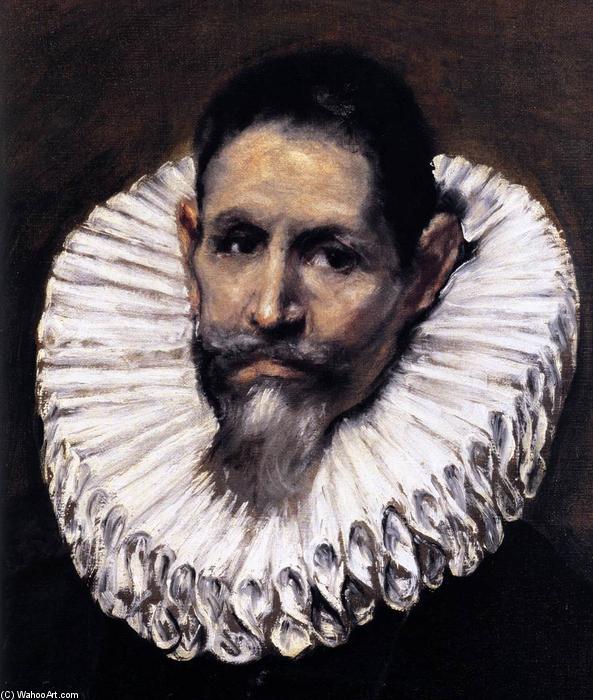
Jerónimo de Cevallos (detail)


 Vezi mai mult
Giclée / Imprimare artistică
Printuri giclée sau pe canvas de calitate muzeală, cu proces de producție rapid și opțiuni flexibile de finisare. ( Comandă pictură realizată manual Comută pe Imagine Digitală)




P118B lei10

P118H lei10

P118W lei10

P438Z lei10

P508JH lei12

P508YH lei12

P805H lei10

P805Z lei10

P919BZ lei10

P919G lei10

P919XJ lei10

P959ZH lei10

P968JZ lei12

W106C lei8

W218G lei10

W218JH lei8

W218Y lei10

W307PJ lei10

W316G lei10

W316PJ lei8

W316Y lei10

W398PJ lei8

W4111J lei10

W500HY lei15

W500JH lei15

W692G lei12

W849H lei8

W940BG lei15

W953PJ lei8




Alegeți dintre dimensiunile noastre prestabilite, care respectă proporțiile originale ale operei de artă.

Introduceți lățimea și înălțimea necesare pentru a se potrivi ramei sau peretelui dumneavoastră. O printare poate fi doar tăiată, niciodată extinsă dincolo de dimensiunea imaginii originale, astfel încât o dimensiune cu o formă diferită va pierde o parte din imagine. Vă trimitem o simulare digitală pentru aprobare înainte de a imprima orice. Imaginea afișată pe această pagină nu prezintă tăierea reală — doar simularea arată acest lucru.
Livrare în întreaga lume () în 2 săptămâni, în loc de cele 4/5 săptămâni standard. (26 Octombrie)

Livrare expres gratuită la nivel mondial

Pânză de in de înaltă calitate

Asigurare completă pentru transport

Garanție de rambursare a taxelor vamale

Garanția fidelității culorilor

Politica de retur în 100 de zile (doar pentru defecte de fabricație)

Garanție de rambursare 100%

Ofertă pentru comenzi multiple
 Opțiunea cu sticlă este disponibilă doar pentru dimensiuni de sub 110 cm

Jerónimo de Cevallos (detail)
Giclée / Imprimare artistică
Dimensiune reproducere
-


Preț total calculat
lei 370
A Vision of Regal Dignity: Exploring El Greco’s “Jerónimo de Cevallos”
Doménikos Theotokópoulos, universally known as El Greco – “the Greek” – stands apart from his contemporaries not merely as a painter but as an artist who wrestled with the very essence of faith and artistic innovation. Born in Crete in 1541, amidst the waning influence of Byzantium and burgeoning Venetian patronage, El Greco embarked on a journey that would propel him through Venice and Rome before anchoring him firmly in the spiritual crucible of Toledo, Spain. This unlikely confluence of cultural currents fueled his singular style—a style that anticipated the expressive fervor of Expressionism and foreshadowed the fragmented forms of Cubism centuries ahead of their time—establishing him as one of the most distinctive voices of Mannerism. His formative years in Crete instilled within him a meticulous dedication to detail, mirroring the Byzantine tradition’s reverence for precise iconography. Yet, El Greco refused to be confined by convention; he embraced experimentation and boldly asserted his Cretan identity through his signature – “Krḗs” – a defiant proclamation of heritage as he traversed new artistic horizons. The genesis of his distinctive aesthetic wasn't accidental but born from an internal struggle—a desire to transcend mere representation and convey profound spiritual emotion. This ambition is vividly realized in "Jerónimo de Cevallos," painted in 1610, currently residing within the hallowed halls of Museo del Prado in Madrid.Style and Technique: Mannerist Mastery
El Greco’s approach to painting defies easy categorization. He eschewed the smooth surfaces and idealized proportions favored by Renaissance artists, opting instead for elongated figures rendered with dramatic foreshortening—a technique borrowed from Byzantine art but pushed to its furthest limits. The resulting compositions are characterized by a palpable tension between solidity and etherealness, reflecting El Greco’s preoccupation with conveying spiritual transcendence. Observe how he manipulates color—primarily muted reds and yellows—to create an atmosphere of solemn grandeur, emphasizing the subject's nobility and inner contemplation. Brushstrokes are thick and impastoed, lending texture to the surface and intensifying the emotional impact of the image. This deliberate disregard for naturalism underscores El Greco’s commitment to conveying psychological depth rather than literal accuracy.Historical Context: Toledo and Religious Patronage
The painting emerged during a period of significant religious fervor in Spain—the Counter-Reformation—following decades of upheaval and papal schism. Philip II, the reigning monarch, commissioned numerous artworks intended to bolster Catholic faith and reaffirm royal authority. El Greco’s patronage by the Habsburg court exemplifies this trend, aligning him with the artistic ambitions of his time. “Jerónimo de Cevallos” depicts Jerónimo de Cevallos, a prominent Spanish diplomat and humanist scholar, reflecting the intellectual curiosity prevalent in Toledo during El Greco's era—a city renowned for its vibrant Jewish and Muslim communities alongside its Catholic institutions. The portrait embodies the ideals of Renaissance humanism – intellect, virtue, and civic responsibility – values championed by thinkers like Erasmus and Pico della Mirandola.Symbolism: Regal Presence and Spiritual Reflection
The elaborate ruffled collar adorning Cevallos’ shirt serves as a visual symbol of aristocratic status—a deliberate reference to the opulent attire favored by Iberian nobility. Simultaneously, it contributes to the overall impression of grandeur and formality, mirroring the solemn dignity demanded by religious iconography. The wig and mustache further emphasize the subject's age and wisdom, conveying an aura of erudition and moral authority. Most notably, El Greco’s gaze—direct and unwavering—commands attention, inviting contemplation and suggesting a profound connection between the sitter and the viewer. This gaze embodies the spiritual quest for enlightenment—a central theme in El Greco’s oeuvre—reflecting his belief that art could elevate the soul beyond earthly concerns.Emotional Impact: A Portrait of Inner Conviction
“Jerónimo de Cevallos” transcends mere visual representation; it communicates a palpable sense of inner conviction and contemplative serenity. The artist skillfully captures not only Cevallos’ physical appearance but also his psychological state—a quiet confidence rooted in intellectual pursuits and moral integrity. El Greco's masterful use of color, texture, and composition creates an immersive experience for the viewer, transporting them into the realm of spiritual contemplation. As a reproduction, this artwork offers an opportunity to appreciate El Greco’s enduring legacy – a testament to his ability to fuse artistic innovation with profound religious symbolism, resulting in a portrait that resonates with timeless beauty and intellectual depth.Întrebări și răspunsuri
Ce stare și ce emoție transmite "Jerónimo de Cevallos (detail)" de El Greco?
În "Jerónimo de Cevallos (detail)", o atmosferă Elegant însoțește o emoție Calm.
Culorile din "Jerónimo de Cevallos (detail)" de El Greco sunt saturate sau tenue?
Paleta lucrării "Jerónimo de Cevallos (detail)" are o saturație de Muted.
Este "Jerónimo de Cevallos (detail)" una dintre cele mai populare opere ale lui El Greco?
"Jerónimo de Cevallos (detail)" de El Greco are un nivel de popularitate Recognized. Această clasificare reflectă cât de larg este recunoscută lucrarea.
Biografie artist
Doménikos Theotokópoulos, called El Greco
Doménikos Theotokópoulos, known to the world as El Greco – “the Greek” – was a painter whose life and work defied easy categorization. Born in 1541 on the island of Crete, then under Venetian rule, his artistic journey led him through Venice and Rome before finding its ultimate expression in the spiritual heartland of Spain: Toledo. El Greco wasn’t merely a product of these places; he synthesized their influences into something wholly unique, a style that anticipated the emotional intensity of Expressionism and the fragmented forms of Cubism centuries later. His early training within the Byzantine tradition instilled in him a meticulous attention to detail and a profound understanding of religious iconography. This foundation, however, wouldn’t confine him. He signed his works in Greek, often appending “Krḗs” – Cretan – as a proud declaration of his origins, even as he ventured into new artistic territories. The seeds of his distinctive style were sown not just in technique but also in the fervent religious climate of his homeland and the rich tapestry of Venetian art.Early Life and Artistic Training
Little is known about Doménikos’s formative years. Records indicate that he was born in Fodele (or Candia), Crete, to a family of merchants—a fact confirmed by documents from 1566 where he appeared as “Maestrul Menegos Theotokopoulos” and with the word Κρής (“Cretan”) appended to his name. This deliberate assertion of Cretan identity speaks volumes about his sense of heritage and his desire to establish himself within the artistic traditions of Byzantium. His father, Nikolaos Zacharias Theotokópoulos, was a wealthy trader who instilled in Doménikos a love for learning and an appreciation for humanist ideals—values that would profoundly shape his intellectual development. Despite the prevailing Venetian dominance on Crete at the time, El Greco’s upbringing fostered a connection to Orthodox Christianity and Byzantine art, which served as crucial influences on his artistic vision. He began his formal training in Crete under Antonios Pizzorusso, a Venetian painter who taught him perspective and anatomical drawing—skills essential for mastering Western Renaissance techniques.Venetian Influence: Embracing Innovation
Around 1567, Doménikos embarked on a transformative journey to Venice, the epicenter of artistic innovation during the Renaissance. Immediately immersing himself in the vibrant atmosphere of the Venetian Republic, he studied the masterpieces of Titian, Tintoretto, and Veronese—artists who had revolutionized painting with their mastery of color, composition, and dramatic lighting. He absorbed their techniques, experimenting with looser brushwork and embracing the sensual qualities of oil paint. This Venetian influence is vividly apparent in his early works, such as *Saint Sebastian* (1600), where anatomical detail blends seamlessly with an almost theatrical use of light and shadow—a stylistic hallmark that would characterize much of his oeuvre. He skillfully incorporated Venetian compositional principles into his paintings, creating dynamic scenes filled with movement and emotion. Furthermore, he honed his skills in fresco painting, a technique favored by Venetian artists for decorating churches and palaces.Rome: Mannerism and Artistic Challenges
In 1570, Doménikos moved to Rome—a city teeming with artistic ambition and competition—where he established a workshop and executed a series of commissions. During his stay in Italy, he encountered the stylistic currents of Mannerism, spearheaded by artists like Parmigianino and Bronzino. Mannerist painters rejected the idealized beauty of High Renaissance art, favoring elongated figures, distorted perspectives, and sophisticated compositions that prioritized intellectual contemplation over emotional expression. While Doménikos demonstrated considerable talent within this challenging aesthetic framework, he struggled to gain widespread recognition in Rome’s competitive artistic milieu—a fact exacerbated by his inability to secure patronage from influential papal circles. Despite these difficulties, he continued to refine his technique and explore new stylistic ideas, absorbing influences from various artists and traditions.Toledo: Spiritual Synthesis and Artistic Legacy
By 1577, Doménikos settled in Toledo—a city steeped in religious fervor during the Counter-Reformation—where he received major commissions from churches and monasteries and produced his most celebrated paintings. The atmosphere of Toledo—characterized by austere piety and a fervent devotion to Catholicism—provided an ideal backdrop for El Greco’s artistic explorations. He created monumental altarpieces that conveyed profound spiritual emotion, employing dramatic lighting and expressive figures to communicate the mysteries of faith. His masterpiece, *The Burial of the Count of Orgaz* (1586-1588), exemplifies his stylistic synthesis—combining Byzantine influences with Venetian techniques and Mannerist distortions—resulting in a work of unparalleled grandeur and emotional intensity. El Greco’s distinctive style—characterized by elongated figures, intense emotion, and dramatic lighting—became a precursor to Expressionism and Cubism, influencing generations of artists who sought to convey psychological depth and visual dynamism. His legacy endures as one of the most important figures in Western art history—a visionary painter whose work continues to inspire awe and contemplation centuries after his death in 1614.
El Greco
1541 - 1614 , Grecia
Detalii rapide
- Artistic Movement Or Style: Mannerism, Barroco
- Artists Who Influenced This Artist:
- Tiziano
- Tintoretto
- Date Of Birth: 1541
- Full Name: Doménikos Theotokópoulos
- Nationality: Greacă-Spaniolă
- Notable Artworks:
- El Espolio
- St. Sebastian
- Burial of the Count of Orgaz
- View of Toledo
- Place Of Birth: Crete, Grecia
Articole similare
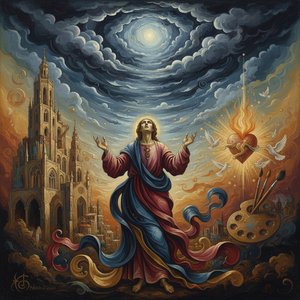
El Greco: Spirituality, Style & Innovation – A Renaissance Master's Legacy
Explore the captivating world of El Greco! Discover his unique style, spiritual intensity, and lasting impact on art history. Learn about this Renaissance master's life, iconic paintings & legacy.

El Greco: Cele Mai Reprezentative 25 De Capodopere – Artă Sacră și Decorațiuni Excepționale
Descoperă cele mai frumoase 25 de picturi El Greco! Explorează capodoperele renascentiste, stilul unic al lui Doménikos Theotokópoulos și emoțiile puternice din arta sa sacră. Reproduceri de artă de calitate muzeală pe OriginalUniqueArt.com – inspiră-ți decorul!
Top 25 de Capodopere Prado: Artă Spaniolă Clasică pentru Decorul Casei Tale
Descoperă top 25 de capodopere Prado: Velázquez, Goya, El Greco și alți maeștri spanioli. Află poveștile din spatele picturilor clasice baroce și găsește inspirație pentru decorul casei tale pe OriginalUniqueArt.com!
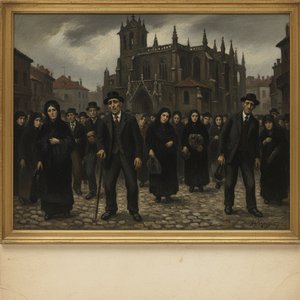
José Gutiérrez Solana: A Chronicle of Spanish Society Through Expressionist Vision
Explore the captivating world of José Gutiérrez Solana, a pivotal Spanish Expressionist painter. Discover his haunting depictions of early 20th-century Spain, influenced by Goya & El Greco. Learn about his key works and lasting legacy.
Mannerism Unveiled: The Dramatic Evolution of Renaissance Art and the Visionary Legacy of El Greco
Explore the dramatic transition from High Renaissance harmony to Mannerist tension. Discover how masters like El Greco redefined art through distortion and spiritual intensity. An expert guide for art enthusiasts seeking deep historical context and museum-quality inspiration.


