Previzualizare
 Trimite prin felicitare
 Distribuie
 Detalii despre lucrare
 Ghid
Ghid

 Descarcă imaginea
 Produse similare
 Radiografie
 Galerie foto
 Statistici
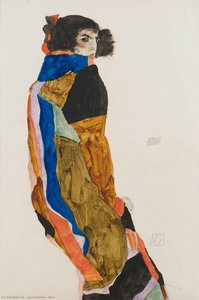
Seated Woman, Back View

 Vezi mai mult
Giclée / Imprimare artistică
Printuri giclée sau pe canvas de calitate muzeală, cu proces de producție rapid și opțiuni flexibile de finisare. ( Comandă pictură realizată manual Comută pe Imagine Digitală)




P118B lei10

P118H lei10

P118W lei10

P438Z lei10

P508JH lei12

P508YH lei12

P805H lei10

P805Z lei10

P919BZ lei10

P919G lei10

P919XJ lei10

P959ZH lei10

P968JZ lei12

W106C lei8

W218G lei10

W218JH lei8

W218Y lei10

W307PJ lei10

W316G lei10

W316PJ lei8

W316Y lei10

W398PJ lei8

W4111J lei10

W500HY lei15

W500JH lei15

W692G lei12

W849H lei8

W940BG lei15

W953PJ lei8




Alegeți dintre dimensiunile noastre prestabilite, care respectă proporțiile originale ale operei de artă.

Introduceți lățimea și înălțimea necesare pentru a se potrivi ramei sau peretelui dumneavoastră. O printare poate fi doar tăiată, niciodată extinsă dincolo de dimensiunea imaginii originale, astfel încât o dimensiune cu o formă diferită va pierde o parte din imagine. Vă trimitem o simulare digitală pentru aprobare înainte de a imprima orice. Imaginea afișată pe această pagină nu prezintă tăierea reală — doar simularea arată acest lucru.
Livrare în întreaga lume () în 2 săptămâni, în loc de cele 4/5 săptămâni standard. (26 Octombrie)

Livrare expres gratuită la nivel mondial

Pânză de in de înaltă calitate

Asigurare completă pentru transport

Garanție de rambursare a taxelor vamale

Garanția fidelității culorilor

Politica de retur în 100 de zile (doar pentru defecte de fabricație)

Garanție de rambursare 100%

Ofertă pentru comenzi multiple
 Opțiunea cu sticlă este disponibilă doar pentru dimensiuni de sub 110 cm

Seated Woman, Back View
Giclée / Imprimare artistică
Dimensiune reproducere
-


Preț total calculat
lei 370
O Meditație asupra Fragilității: Seated Woman, Back View de Egon Schiele
Egon Schiele, un nume gravat în istoria artei expresioniste, nu a fost un pictor care se concentra pe ochi cu ochi. În loc, a dezvăluit adâncimi psihologice și emoții brutale, transformând fiecare lucrare într-o explorare viscerală a condiției umane. „Seated Woman, Back View” (1917), o operă captivantă din colecția Metropolitan Museum of Art, este un exemplu perfect al acestei abordări radicale. Nu este o reprezentare simplă a unei figuri feminine; ci mai degrabă o încercare de a surprinde esența fragilității, a anxietății și a vulnerabilității umane, toate acestea exprimate printr-o paletă limitată de culori și o tehnică grafică intensivă.
Pictura este realizată în acuarelă, cu aditivi de acuarelă opacă și creion, pe hârtie. Schiele nu a fost un maestru al detaliilor minuțioase; mai degrabă, a folosit linii brute, energice și uneori distorsionate pentru a crea o senzație de tensiune și neliniște. Figura este reprezentată din spate, ceea ce elimină orice posibilitate de a cunoaște expresia facială, forțând privitorul să se concentreze pe forma corpului, pe liniile sale sinuoase și pe gesturile subtile ale mâinilor întinse asupra feței. Această absență a feței este crucială; nu ne oferă o imagine directă a emoțiilor, ci mai degrabă ne invită să ne imaginăm propriile sentimente, să ne conectăm cu experiența universală a anxietății și a incertitudinii.
Rațiune și Context: Schiele și Tema Mortalității
Pentru a înțelege pe deplin „Seated Woman, Back View”, este esențial să luăm în considerare contextul vieții și al operei lui Egon Schiele. Născut într-o perioadă de tulburări sociale și politice din Austria, Schiele a fost profund afectat de pierderea tatălui său la o vârstă fragedă, un eveniment care l-a marcat pentru totdeauna. Obsesia sa pentru mortalitate, pentru fragilitatea vieții și pentru inevitabilitatea morții este omniprezentă în arta sa. Multe dintre picturile sale explorează teme precum boala, deteriorarea, disecția și auto-portretizarea cu autopsie, reflectând o fascinație morbidă cu procesul de descompunere și o conștientizare a limitelor umane.
În 1918, Schiele a murit prematur la vârsta de 28 de ani, probabil din cauza gripei spaniole. Moartea sa bruscă a lăsat în urmă un moștenire artistică complexă și controversată, dar fără îndoială influentă. „Seated Woman, Back View” este o mărturie a acestei pasiuni pentru explorarea psihologiei umane și a unei sensibilități intense la suferință.
Simbolismul Subtil: Culoare, Formă și Gest
Paleta de culori limitată – predominanța albastrului și a galbenului – contribuie la atmosfera melancolică și introspectivă a picturii. Albastrul evocă adâncimea, misterul și chiar tristețea, în timp ce galbenul sugerează o lumină palidă, fragilă, care accentuează vulnerabilitatea figurii. Forma corpului este simplificată, aproape geometrică, ceea ce conferă picturii un aer de abstractizare și intensitate emoțională. Mânile întinse asupra feței sunt simbolul central al lucrării; ele pot fi interpretate ca o încercare de a se proteja de o forță exterioară, de a-și ascunde durerea sau de a căuta consolare.
Este important de menționat faptul că Schiele nu oferă nicio explicație explicită pentru semnificația picturii. El lăsa privitorul să își formuleze propriile interpretări, creând astfel o experiență artistică profund personală și provocatoare.
O Reproducere de Calitate: Capturarea Esenței Originale
OriginalUniqueArt oferă reproduceri meticulos realizate ale „Seated Woman, Back View”, folosind cele mai moderne tehnici de imprimare pentru a reproduce fidel culorile și detaliile originale. Fiecare reproducere este realizată pe hârtie premium de înaltă calitate, care asigură o durabilitate excelentă și o imagine vibrantă. Indiferent dacă sunteți un colecționar de artă experimentat sau pur și simplu doriți să adăugați o operă de artă expresionistă puternică în spațiul dvs., reproducerea noastră a „Seated Woman, Back View” este o modalitate excelentă de a aprecia măiestria lui Egon Schiele și de a experimenta emoțiile intense pe care le evocă această lucrare.
Întrebări și răspunsuri
Ce intensitate de culoare are "Seated Woman, Back View" de Egon Schiele?
"Seated Woman, Back View" de Egon Schiele prezintă o intensitate a culorii Vibrant.
În ce cameră ar recomandați să amplasați "Seated Woman, Back View" de Egon Schiele, având în vedere culorile sale?
Paleta de culori Culori pastelate din "Seated Woman, Back View" de Egon Schiele se armonizează perfect cu spațiul recomandat: un Living Room.
Ce dimensiune de print pentru "Seated Woman, Back View" de Egon Schiele se potrivește cu camera recomandată?
Combinația recomandată pentru "Seated Woman, Back View" de Egon Schiele: o printare de dimensiunea Mărime medie, ideală pentru o Living Room.
Biografie artist
A Life Forged in Expression
Egon Schiele’s life, a whirlwind of artistic passion and profound personal hardship, unfolded from his birth in Tulln an der Donau, Austria, in 1890. His early years were steeped in sorrow; the loss of his father, a railway station master, due to syphilis when Egon was just fourteen cast a long shadow, fueling within him a haunting preoccupation with mortality and the fragility of human existence. Raised initially by his mother and later under the watchful eye of his uncle Leopold Czihaczek, Schiele’s childhood lacked the stability common to many, yet it fostered an independent spirit—a crucial element in shaping his artistic vision. From a young age, he displayed an intense fascination with trains – a motif that would subtly reappear throughout his work – and a burgeoning talent for drawing, though this was often met with disapproval from his father who viewed it as a distraction from more practical pursuits. The untimely death of his sister Elvira further deepened the emotional landscape of his youth, imbuing his art with an undercurrent of melancholy and vulnerability. These formative experiences—loss, isolation, and a yearning for self-expression—became the bedrock upon which Schiele’s unique artistic voice was built, constantly grappling with themes of life, death, and the complexities of the human condition.The Crucible of Vienna: Artistic Development
Schiele's formal artistic training began at the Kunstgewerbeschule (School of Arts and Crafts) in Vienna, but he quickly found himself stifled by its conservative approach—a rigid adherence to tradition that clashed with his burgeoning creative spirit. Seeking a more stimulating environment, he transferred to the Akademie der bildenden Künste (Academy of Fine Arts), only to discover further disillusionment with its academic constraints. This dissatisfaction led him to abandon formal training altogether, choosing instead to forge his own path – a bold decision reflecting his unwavering artistic conviction and determination to express himself on his own terms. A pivotal influence during these early years was Gustav Klimt, the celebrated Secessionist painter. Schiele deeply admired Klimt’s decorative style and his exploration of symbolism, even receiving mentorship from the established artist. However, Schiele soon diverged significantly from Klimt's aesthetic, developing a distinctly individual voice characterized by its stark honesty, psychological intensity, and unflinching portrayal of human vulnerability. He became a founding member of the *Neues Wiener Kunstgruppe* (New Viennese Art Group) in 1909, alongside other progressive artists who challenged the prevailing artistic norms of the time. This group provided a space for experimentation and innovation, allowing Schiele to refine his style and explore new avenues of expression. His early works—often unsettling portraits and self-portraits—began to emerge as powerful statements of emotional turmoil, featuring distorted figures, elongated limbs, and a palpable sense of unease. These paintings were not merely representations of physical form but explorations of the inner landscape—the anxieties, desires, and fears that haunted the human psyche. He sought to depict not what he *saw*, but what he *felt*.Raw Emotion and Unflinching Truth
Egon Schiele’s art is immediately recognizable for its raw honesty and psychological depth. He fearlessly confronted themes often considered taboo – sexuality, death, anxiety, isolation – with an unflinching gaze. His distinctive style features elongated figures, contorted poses, and expressive lines that convey a sense of unease and emotional intensity. The human form, particularly the nude, became his primary subject, not as an object of idealized beauty but as a vessel for exploring the complexities of human experience. Self-portraits constitute a significant portion of his oeuvre, offering intimate glimpses into his inner world—a world often marked by loneliness and self-doubt. He didn’t shy away from depicting himself in unflattering or vulnerable poses, revealing a profound level of self-awareness and introspection. Beyond self-portraiture, Schiele created numerous portraits of others, capturing their likenesses with an unsettling realism that seemed to penetrate beneath the surface. His landscapes, while less central to his work than his figurative paintings, demonstrate his mastery of form and color, often reflecting the same emotional intensity as his portraits. The use of line is particularly striking in Schiele’s work; it's not merely a tool for defining shape but an expressive force that conveys emotion and psychological tension. Recurring motifs like the *Physalis* plant – symbolizing death and transience with its delicate, papery husk – further underscore this preoccupation with mortality. The influence of Symbolism is also evident in his use of color and symbolism, adding layers of meaning to his compositions.A Legacy Cut Short: Achievements & Significance
Despite facing censorship and legal challenges—including a brief imprisonment for allegedly corrupting minors with his art—Schiele gained recognition within Vienna’s avant-garde circles. His work challenged the conventions of the time, provoking both admiration and outrage. By the time of his untimely death during the Spanish flu pandemic in 1918 at the age of twenty-eight, he had established himself as a leading figure in Austrian Expressionism. Significant works such as *Self-Portrait with Physalis*, *Couple Embracing*, and *Field Landscape (Kreuzberg near Krumau)* stand as testaments to his artistic genius. His influence on subsequent generations of artists is undeniable, particularly those interested in exploring psychological themes and challenging conventional artistic norms. Schiele’s bold approach to form and subject matter continues to resonate with audiences today, making him one of the most important and influential figures in early 20th-century art. His paintings are now held in major museum collections worldwide, including the Leopold Museum in Vienna and the Egon Schiele Art Centrum in Český Krumlov, ensuring his artistic legacy endures. He left behind a body of work that is not merely aesthetically compelling but profoundly human—a testament to the power of art to confront the complexities of existence with honesty, courage, and unwavering vision.- Key Themes: Mortality, sexuality, isolation, psychological turmoil.
- Influences: Gustav Klimt, Viennese Secession, personal trauma.
- Style Characteristics: Elongated figures, contorted poses, expressive lines, raw emotion.

Egon Schiele
1890 - 1918 , Austria
Detalii rapide
- Artistic Movement Or Style: Expressionism
- Artists Or Movements Influenced By This Artist: ['Secession']
- Artists Who Influenced This Artist: ['Klimt']
- Date Of Birth: 1890
- Date Of Death: 1918
- Full Name: Egon Schiele
- Nationality: Austrian
- Notable Artworks:
- Self-Portrait
- Couple
- Peisaj
- Place Of Birth: Tulln, Austria
Articole similare

Top 10 Capodopere Acvarelă Legendară care au Schimbat Arta pentru Totdeauna | OriginalUniqueArt.ro
Descoperă Top 10 capodopere acuarelă legendară de la Sargent, Turner și alți maeștri! Explorează istoria artei, tehnicile unice și paletele vibrante. Reproduceri de artă de calitate muzeală pentru decorul perfect pe OriginalUniqueArt.com.
Egon Schiele: Cele Mai Remarcabile 25 De Opere – Artă, Decorațiuni și Inspirație
Descoperă cele mai importante 25 de opere ale lui Egon Schiele! Explorează expresionismul austriac, portretele intense și autoportretele emoționante. Reproduceri artă de calitate muzeală & inspirație decor pe OriginalUniqueArt.com.

Ephemeral Visions: Exploring the History & Emotional Resonance of Watercolor Painting
Explore the captivating history of watercolor painting, from ancient techniques to modern masters like Kandinsky & Blake. Discover essential artists, collecting tips & the emotional power of this luminous medium. Expert insights for art enthusiasts.

Ephemeral Visions: Exploring the Artistic Legacy & Nuances of Watercolor Painting
Explore the captivating world of watercolor painting! Discover its rich history, essential techniques, influential artists & collecting tips from art experts. A comprehensive guide for enthusiasts.

Ephemeral Visions: Exploring the Artistic Legacy & Contemporary Practice of Watercolor Painting
Explore the captivating world of watercolor painting! Discover its rich history, essential techniques, influential artists & collecting tips. A comprehensive guide for art enthusiasts from OriginalUniqueArt.