
 Previzualizare
 Trimite prin felicitare
 Distribuie
 Detalii despre lucrare
 Ghid
Ghid

 Descarcă imaginea
 Produse similare
 Radiografie
 Galerie foto
 Q&A
Q&A Statistici
Fire in a Village

- 26.0 x 35.0 cm


 Vezi mai mult
Giclée / Imprimare artistică
Printuri giclée sau pe canvas de calitate muzeală, cu proces de producție rapid și opțiuni flexibile de finisare. ( Comandă pictură realizată manual Comută pe Imagine Digitală)




P118B lei10

P118H lei10

P118W lei10

P438Z lei10

P508JH lei12

P508YH lei12

P805H lei10

P805Z lei10

P919BZ lei10

P919G lei10

P919XJ lei10

P959ZH lei10

P968JZ lei12

W106C lei8

W218G lei10

W218JH lei8

W218Y lei10

W307PJ lei10

W316G lei10

W316PJ lei8

W316Y lei10

W398PJ lei8

W4111J lei10

W500HY lei15

W500JH lei15

W692G lei12

W849H lei8

W940BG lei15

W953PJ lei8




Alegeți dintre dimensiunile noastre prestabilite, care respectă proporțiile originale ale operei de artă.

Introduceți lățimea și înălțimea necesare pentru a se potrivi ramei sau peretelui dumneavoastră. O printare poate fi doar tăiată, niciodată extinsă dincolo de dimensiunea imaginii originale, astfel încât o dimensiune cu o formă diferită va pierde o parte din imagine. Vă trimitem o simulare digitală pentru aprobare înainte de a imprima orice. Imaginea afișată pe această pagină nu prezintă tăierea reală — doar simularea arată acest lucru.
Livrare în întreaga lume () în 2 săptămâni, în loc de cele 4/5 săptămâni standard. (2 Noiembrie)

Livrare expres gratuită la nivel mondial

Pânză de in de înaltă calitate

Asigurare completă pentru transport

Garanție de rambursare a taxelor vamale

Garanția fidelității culorilor

Politica de retur în 100 de zile (doar pentru defecte de fabricație)

Garanție de rambursare 100%

Ofertă pentru comenzi multiple
 Opțiunea cu sticlă este disponibilă doar pentru dimensiuni de sub 110 cm

Fire in a Village
Giclée / Imprimare artistică
Dimensiune reproducere
-


Preț total calculat
lei 379
A Night of Desperation: Egbert van der Poel’s “Fire in a Village”
Egbert van der Poel's "Fire in a Village," a haunting depiction of a Dutch village consumed by flames, is more than just a historical scene; it’s a visceral exploration of human vulnerability and the destructive power of chaos. Painted around 1654, likely shortly after the devastating Delft gunpowder explosion – an event that profoundly impacted van der Poel's life and artistic focus – this work offers a chillingly intimate glimpse into a community gripped by panic. The painting’s immediate impact lies in its dramatic use of light and shadow; the intense orange and yellow of the inferno violently contrast with the deep, earthy tones of the surrounding buildings and the silhouetted figures fleeing their homes. This stark juxtaposition immediately establishes a sense of urgency and impending doom.
Van der Poel’s realism is meticulously rendered. Every thatched roof, every rough-hewn wooden wall, speaks to the humble origins of this village – a rural setting deliberately chosen by the artist to amplify the tragedy. The figures themselves are not heroic; they are simply people caught in an impossible situation, their forms reduced to silhouettes against the fiery backdrop, emphasizing their helplessness and desperation. The composition is carefully balanced, drawing the eye towards the central blaze while simultaneously hinting at the wider devastation unfolding beyond the immediate foreground.
The Artist’s Witness: Context and Technique
Understanding Egbert van der Poel requires acknowledging his unique position within the Dutch Golden Age. While contemporaries like Rembrandt and Vermeer are often celebrated for their portraits and landscapes, van der Poel carved a distinct niche by specializing in dramatic historical scenes and depictions of everyday life – particularly those marked by calamity. His training is debated, with theories suggesting influences from Esaias van de Velde’s expansive landscapes and Aert van der Neer's atmospheric lighting. However, it was the Delft explosion itself that truly shaped his artistic trajectory, leading him to document this pivotal moment in Dutch history with unflinching detail.
Technically, “Fire in a Village” showcases van der Poel’s mastery of oil paint. The layering is incredibly rich, creating a palpable sense of texture and depth. Notice the subtle gradations of color within the flames – from the brightest yellows to the deepest reds – achieved through meticulous blending and glazing techniques. The artist's signature in the lower right corner serves as a quiet testament to his dedication and skill. The painting’s current location at the Hermitage Museum in St. Petersburg is fitting, given its enduring power to evoke both historical memory and profound emotional resonance.
Symbolism of Destruction and Resilience
Beyond simply depicting a fire, “Fire in a Village” carries significant symbolic weight. The village itself represents a microcosm of Dutch society – a community built on hard work, faith, and resilience. Its destruction serves as a potent metaphor for the fragility of life and the unpredictable nature of fate. The fleeing figures embody the human instinct to survive, highlighting our capacity for both fear and courage in the face of overwhelming adversity. The smoke billowing upwards, obscuring parts of the scene, can be interpreted as a visual representation of loss and uncertainty – a reminder that some things are irrevocably changed.
Bringing “Fire in a Village” Home: A OriginalUniqueArt Reproduction
OriginalUniqueArt is proud to offer meticulously crafted hand-painted reproductions of Egbert van der Poel’s "Fire in a Village." We replicate the artist's masterful use of light, shadow, and texture with unparalleled accuracy, ensuring that your reproduction captures the full emotional impact of this iconic work. Available in a range of sizes – from intimate 26 x 35 cm prints to larger statement pieces – our reproductions are created using archival-quality materials and techniques, guaranteeing their longevity and beauty for generations to come. Whether you’re an art collector, interior designer seeking to evoke a sense of drama and history, or simply someone captivated by this powerful image, a OriginalUniqueArt reproduction of “Fire in a Village” is a stunning addition to any space. Explore our selection today and bring home a piece of Dutch Golden Age artistry.
Întrebări și răspunsuri
În ce perioadă a carierei lui Egbert Van Der Poel se încadrează "Fire in a Village"?
"Fire in a Village" reprezintă perioada Late Period a lui Egbert Van Der Poel.
Este disponibil un link de descărcare pentru "Fire in a Village"?
"Fire in a Village" de Egbert Van Der Poel poate fi descărcat de pe pagina dedicată lucrării, Descărcare, sub formă de descărcare imagine digitală de înaltă rezoluție.
Cine este autorul operei "Fire in a Village" și din ce curent artistic face parte?
Opera „Fire in a Village” este creată de Egbert Van Der Poel și aparține mișcării 17th Century Realism.
Biografie artist
O Martor al Dezastrului: Viața și Arta lui Egbert van der Poel
Egbert van der Poel, un nume poate mai puțin celebrat decât cel al unor contemporani ai săi din Epoca de Aur olandeză, ocupă totuși un spațiu vital și emoționant în peisajul artistic al Nederlandelor secolului al XVII-lea. Născut în Delft în 1621, într-o familie de artizani — tatăl său fiind aurar — viața lui Van der Poel s-a desfășurat pe fundalul unei prosperități în creștere și, tragic, al unei calamități devastatoare. Deși detaliile referitoare la primii săi ani de ucenicie rămân somewhat elusive, relatările istorice de artă sugerează o posibilă instruire sub îndrumarea lui Esaias van de Velde, cunoscut pentru peisajele sale vaste, și a lui Aert van der Neer, maestru al efectelor luminoase atmosferice. Se propun, de asemenea, conexiuni cu pictorul Adriaen Lievensz van der Poel, considerat fratele său, precum și studii cu Cornelis Saftleven în Rotterdam, sugerând o perioadă formativă îmbâlncită în diverse influențe artistice. Aceste prime expuneri i-au modelat stilul distinctiv al lui Van der Poel, îmbinând observația minuțioasă cu un talent dramatic de a surprinde atât liniștea vieții de zi cu zi, cât și haosul evenimentelor neprevăzute.De la Peisaje la Elegii: Evoluție Artistică și Teme Cheie
Călătoria artistică a lui Van der Poel a început cu concentrarea pe pictura de peisaj, un gen popular în Epoca de Aur olandeză. Totuși, el a demonstrat rapid o aptitudine pentru scenele de gen — reprezentări ale vieții cotidiene — îmbâtnite cu o atenție remarcabilă la detalii. Primele sale lucrări dezvăluie influența subtilă a mentorilor săi potenții; ecouri ale vederilor panoramice ale lui Van de Velde și utilizarea evocatoare a luminii a lui Van Neer pot fi sesite în compozițiile sale. Aranjamentele dinamice preferate de Saftleven au contribuit probabil la acea senzație de mișcare și dramă care avea să devină o marcă distinctivă a stilului lui Van der Poel. În 1650, s-a înregistrat oficial la Gilda Sfântului Luca din Delft ca pictor de peisaje, consolidându-și statutul profesional în comunitatea artistică. Un an mai târziu, s-a căsătorit cu Aeltgen Willems van Linschooten în Maassluis, lângă Rotterdam, și împreună au întemeiat o familie — un fiu și trei fiice — navigând printre complexitățile unei lumi în rapidă schimbare. Însă evenimentul care a sfărâmat liniștea orașului Delft în 1654 era cel care avea să marcheze indelibil moștenirea artistică a lui Van der Poel.Explozia din Delft: Un Moment Înghețat în Timp
Pe 12 octombrie 1654, o explozie catastrofică a sfâșiat orașul Delft, detonând un depozit de praf de pușcă și nivelând o mare parte din oraș. Trăind în zona afectată la acea vreme, Van der Poel a fost martorul direct al devastării inimaginabile. Acest eveniment a devenit subiectul definitoriu al întregii sale producții artistice. Spre deosebire de mulți artiști care ar fi evitat reprezentarea unei asemenea groaze, Van der Poel a înfruntat-o direct, creând o serie de picturi care au servit atât ca document istoric, cât și ca o elegie profund mișcătoare pentru viețile pierdute și pentru orașul zdrobite. Explozia depozitului din Delft, poate cea mai emblematică lucrare a sa, surprinde viu consecințele imediate — o scenă de haos absolut, cu clădiri reduse la ruine, figuri care se agită printre dărămături și fum care se ridică spre cer. Aceste picturi nu sunt doar reprezentări ale distrugerii; ele sunt mărturii puternice ale rezilienței umane în fața tragediei. Alte lucrări, precum Scenă de curte și Incendiu într-un sat, deși par subiecte disparate, demonstrează fascinația sa continuă pentru scenele de perturbare și evenimentele dramatice.Stil, Semnificație și Moștenire Durabilă
Stilul artistic al lui Van der Poel este caracterizat prin realism, o atenție meticuloasă la detalii și o paletă cromatică general de obicei temperată, care conferă o notă sobră lucrărilor sale. El a utilizat magistral lumina și umbra pentru a crea profunzime și atmosferă, atras fiind privitorul în inima fiecărei scene. Compozițiile sale prezintă adesea aranjamente dinamice de figuri și obiecte, sporind senzația generală de dramă și imediatitate. Deși nu a fost la fel de celebrat în timpul vieții sale precum unii dintre contemporanii săi, semnificația istorică a lui Van derরদ্বă constă în documentarea sa unică a exploziei de praf de pușcă din Delft — picturi care servesc drept înregistrări vizuale neprețuite ale unui moment crucial în istoria olandeză. A murit în Rotterdam în 1664, lăsând în urmă o creație care continuă să rezoneze cu publicul de astăzi. Picturile sale oferă o privire asupra lumii Epocii de Aur olandeze, surprinzând nu doar frumusețea și prosperitatea sa, ci și vulnerabilitatea și capacitatea sa de a genera tragedie. Ele ne amintesc că, chiar și în mijlocul măreției artistice, există întotdeauna loc pentru a fi martor — pentru a ne aminti și pentru a onora pe cei ale căror povești ar putea altfel să fie pierdute în timp.- Născut: Delft, Țările de Jos (1621)
- Decedat: Rotterdam, Țările de Jos (1664)
- Cunoscut pentru: Scene de gen, peisaje, reprezentări ale exploziei de praf de pușcă din Delft
- Influențe: Esaias van de Velde, Aert van der Neer, Cornelis Saftleven

Egbert Van Der Poel
1621 - 1664 , Țările de Jos
Detalii rapide
- Artistic Movement Or Style: Epoca de Aur Olandeză
- Artists Who Influenced This Artist:
- Esaias van de Velde
- Aert van der Neer
- Cornelis Saftleven
- Date Of Birth: 1621
- Date Of Death: 1664
- Full Name: Egbert van der Poel
- Nationality: Olandez
- Notable Artworks:
- Explozia depozitului de Delft
- Scenă în curtea fermei
- Incendiu într-un sat
- Place Of Birth: Delft, Țările de Jos
Articole similare

Top 10 Capodopere ale Picturii Netherlandeze Timpurii: Frumusețe și Simbolism pentru Decorul Tău
Descoperă top 10 capodopere ale picturii netherlandeze timpurii! Jan van Eyck, Robert Campin și alți maeștri renascentiști. Află poveștile din spatele simbolismului bogat și tehnicilor inovatoare. Reproduceri de artă de calitate muzeală pe OriginalUniqueArt.com.

Rogier van der Weyden: Emotion, Innovation & the Early Netherlandish Renaissance
Explore the revolutionary art of Rogier van der Weyden, a pivotal figure of the Early Netherlandish Renaissance. Discover his emotional realism, innovative compositions, and lasting impact on painting history.

Hugo van der Goes: Devotion, Innovation & the Psychological Depth of Early Netherlandish Painting
Explore the revolutionary art of Hugo van der Goes – a master of Early Netherlandish painting renowned for his dramatic realism, psychological depth & profound influence on Renaissance artists. Discover his iconic works and lasting legacy.

Rembrandt van Rijn: Cele Mai Frumoase 25 de Capodopere – Artă, Istorie și Decorațiuni Interioare
Descoperă cele mai frumoase 25 de picturi ale lui Rembrandt van Rijn! Explorează capodopere baroce, portrete emoționante și peisaje iconice. Reproduceri de artă de calitate muzeală pentru un design interior rafinat. Descoperă toate operele pe OriginalUniqueArt.com!
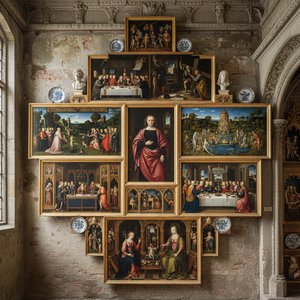
Renașterea Netherlandeză Timpurie: 10 Capodopere Esențiale pentru Decorul de Lux
Descoperiți 10 capodopere ale Renașterii Netherlandeze timpurii! Jan van Eyck, Robert Campin și alți maeștri. Reproduceri de tablouri de lux pentru un decor artistic unic. Explorează colecția completă pe OriginalUniqueArt.com