

 Previzualizare
 Trimite prin felicitare
 Distribuie
 Detalii despre lucrare
 Ghid
Ghid

 Descarcă imaginea
 Produse similare
 Radiografie
 Galerie foto
 Statistici
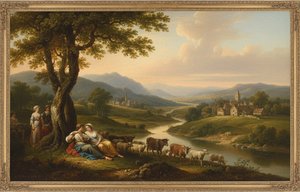
Withycombe Mill, Devon
 Oil
Oil- WallArt
- Realism
 1898
1898- 19th Century
 60.0 x 50.0 cm
 Exmouth Library
 Vezi mai mult
Reproducere pictată manual în ulei
Pictură în ulei pe pânză, pictată manual de artiștii noștri la dimensiunea și ramele dorite de dumneavoastră, pe comandă. ( Comută pe versiunea Print Comută pe Imagine Digitală)




P118B lei10

P118H lei10

P118W lei10

P438Z lei10

P508JH lei12

P508YH lei12

P805H lei10

P805Z lei10

P919BZ lei10

P919G lei10

P919XJ lei10

P959ZH lei10

P968JZ lei12

W106C lei8

W218G lei10

W218JH lei8

W218Y lei10

W307PJ lei10

W316G lei10

W316PJ lei8

W316Y lei10

W398PJ lei8

W4111J lei10

W500HY lei15

W500JH lei15

W692G lei12

W849H lei8

W940BG lei15

W953PJ lei8




Alegeți dintre dimensiunile noastre prestabilite, care respectă proporțiile originale ale operei de artă.

Introduceți lățimea și înălțimea necesare pentru a se potrivi ramei sau peretelui dumneavoastră. Această lucrare este pictată manual, așa că, pentru o dimensiune cu o formă diferită, artistul poate picta puțin mai mult în jurul imaginii sau poate tăia puțin din margini — dumneavoastră decideți. Vă vom trimite o simulare digitală pentru aprobare înainte de a începe pictarea. Imaginea afișată pe această pagină nu reprezintă rezultatul real — doar simularea este reprezentativă.
După plasarea comenzii, echipa OriginalUniqueArt.com va contacta clientul prin e-mail pentru instrucțiuni și îi va furniza o previzualizare a machetei
Livrare în întreaga lume () în 3-4 săptămâni, în loc de cele 5 săptămâni standard. (28 Octombrie). Fără compromisuri în ceea ce privește calitatea.

Livrare expres gratuită la nivel mondial

Pânză de in de înaltă calitate

Asigurare completă pentru transport

Garanție de rambursare a taxelor vamale

Garanția fidelității culorilor

Politica de retur în 100 de zile (doar pentru defecte de fabricație)

Garanție de rambursare 100%

Ofertă pentru comenzi multiple
 Opțiunea cu sticlă este disponibilă doar pentru dimensiuni de sub 110 cm

Withycombe Mill, Devon
Tehnică de reproducere
Dimensiune reproducere
-


Preț total calculat
lei 1392
Biografie artist
A Life Immersed in Light and Water
Edward William Cooke, born in Pentonville, London, in 1811, was destined to become a pivotal figure in 19th-century British art. His artistic lineage was firmly established from the outset; his father, George Cooke, was a respected line engraver, and his uncle, William Bernard Cooke, followed a similar path. This familial environment wasn’t merely professional—it fostered an atmosphere where artistry was woven into the very fabric of life. Even as a child, Edward exhibited remarkable talent, demonstrating advanced engraving skills by the age of nine, particularly in depictions of ships. But his early inclinations weren't solely maritime; pastoral landscapes and animal studies also captured his attention, revealing a nascent aesthetic deeply influenced by the serene beauty of 17th-century Dutch masters like Nicolaes Berchem, Paulus Potter, and Karel Dujardin. This initial exposure to their work would become a defining characteristic of his mature style—a commitment to capturing atmosphere and nuanced detail. His formal training began with botanical illustrations for John Loudon’s *Encyclopaedia of Plants*, followed by extensive work at George Loddiges’ *Botanical Cabinet*. These years honed his meticulous observation skills and instilled in him an appreciation for the natural world, qualities that would permeate all his subsequent endeavors.From Botanical Precision to Marine Mastery
Despite early success with botanical illustration—producing hundreds of wood engravings and around 400 watercolors within the vibrant ecosystem of Hackney nursery grounds—Cooke’s true passion lay with ships and the sea. Recognizing this inclination, he sought practical knowledge by studying under Captain Burton of the West-Indiaman *Thetis*. This experience proved invaluable, providing firsthand insight into the intricacies of vessels and maritime life – details he meticulously documented in his sketchbooks. He began painting in oils in 1833, formally studying under James Stark in 1834, and by 1835 had already exhibited at both the Royal Academy and the British Institution, marking a significant step in his artistic career. Even at this early stage, his style was clearly defined: detailed depictions of marine scenes and landscapes rendered with remarkable precision. He quickly gained recognition as a principal follower of Clarkson Stanfield, benefiting immensely from the older artist’s advice and guidance. Stanfield's influence is evident in Cooke’s ability to capture not just the physical appearance of ships and seascapes but also their atmosphere—the play of light on water, the drama of changing weather conditions, and the sense of vastness that characterizes the marine environment. He wasn’t simply recording what he saw; he was conveying a feeling, an experience.A Wanderer's Palette: Travels and Artistic Development
Cooke’s artistic development was profoundly shaped by his extensive travels throughout Europe and North Africa. A pivotal journey to the Netherlands in 1837 ignited a lifelong fascination with Dutch marine art, which became a cornerstone of his style. He returned repeatedly over the next two decades, immersing himself in the coastal landscapes and studying the unique quality of light that defined the region. These trips weren’t merely about replication; they were about understanding the underlying principles of composition, color, and atmosphere that made Dutch marine painting so compelling. Beyond Holland, his travels took him to Normandy, Belgium, France, Scotland, Ireland, Scandinavia, Spain, and Venice. Each location offered new subject matter and broadened his artistic horizons. He masterfully captured the dramatic effects of weather—turbulent storms, tranquil sunsets, misty mornings—and the diverse topography of each region, demonstrating a remarkable ability to convey both the power and the beauty of nature. His sketches from these journeys weren’t just preparatory studies; they were works of art in their own right, imbued with a sense of immediacy and observation.Recognition, Scholarship, and Enduring Legacy
Edward William Cooke achieved considerable recognition during his lifetime, solidifying his position as a leading figure in 19th-century British art. He was elected an Associate of the Royal Academy in 1851 and became a full Royal Academician in 1863—a testament to his artistic skill and standing within the art world. His international acclaim extended beyond Britain, with his election as an honorary academician to the National Academy of Design in 1858. Throughout his career, Cooke exhibited over 120 works at the Royal Academy, consistently receiving critical praise for his technical mastery and evocative depictions of marine scenes and landscapes. However, his achievements weren’t limited to the realm of art; he was also a respected scientist, elected as a Fellow of the Royal Society in 1863, alongside memberships in the Geological, Linnean, and other learned societies. This intellectual breadth distinguished him from many artists of his time, highlighting his curiosity and dedication to understanding the world around him. His paintings often featured scenes of harbors, coastal towns, and ships at sea, rendered with a remarkable attention to detail and a deep understanding of light and color. Hay Barge off Greenwich (1835), *Venetian Lagoons – Sunset*, *Salerno, Italy* (1849), and *Brighton Sands* (1837) continue to captivate audiences today. Edward William Cooke died on January 4, 1880, leaving behind a substantial body of work that stands as a testament to his skill, vision, and enduring legacy as both an accomplished painter and a respected scholar. He is remembered for his meticulous attention to detail, combined with his ability to capture the atmosphere of coastal scenes—a master of light, water, and the subtle nuances of the natural world.A Lasting Influence
- Technical Mastery: Cooke’s skill in rendering detail and capturing atmospheric effects remains highly admired.
- Dutch Inspiration: His embrace of Dutch marine painting traditions enriched British art with a new sensibility.
- Scientific Curiosity: His scientific pursuits informed his artistic vision, adding depth and accuracy to his work.
- Broad Appeal: Cooke’s paintings continue to resonate with audiences today, offering glimpses into a bygone era of maritime life and coastal beauty.

Edward William Cooke
1811 - 1880 , Regatul Unit al Marii Britanii și Irlandei
Detalii rapide
- Artistic Movement Or Style: Marine & peisaj
- Artists Or Movements Influenced By This Artist: ['British art']
- Artists Who Influenced This Artist:
- Stanfield
- Dutch Masters
- Date Of Birth: 27 martie 1811
- Date Of Death: 4 ianuarie 1880
- Full Name: Edward William Cooke
- Nationality: Britanic
- Notable Artworks:
- Hay Barge
- Venetian
- Salerno
- Place Of Birth: Pentonville, UK
Articole similare

Evocations of Place: A Historical Journey Through Landscape Art
Explore the rich history of landscape art with OriginalUniqueArt. Discover renowned artists, movements like Impressionism & Romanticism, and expert guidance for collecting timeless pieces. Find your perfect serene escape today!

Idyllic Visions: Exploring the Pastoral Scene in Art History – From Arcadia to Modern Interpretations
Explore the captivating history of pastoral art from classical Arcadia to modern masterpieces. Discover key artists like Millet & Cole at OriginalUniqueArt. Find serene landscape paintings for your home.

John Constable: Cele Mai Frumoase 25 de Capodopere – Artă Clasică pentru Decorul Casei Tale
Descoperă cele mai frumoase 25 de picturi ale lui John Constable, maestru al peisajului englezesc! Explorează stilul romantic, Dedham Vale și capodopere precum The Hay Wain. Reproduceri artă clasică pentru decorul casei tale – OriginalUniqueArt.com.
Idyllic Visions: Exploring the Pastoral Tradition in Western Art – Themes, Techniques & Enduring Appeal
Explore the rich history of pastoral art from classical Arcadia to contemporary interpretations. Discover key artists, themes & collecting tips at OriginalUniqueArt.

Peisaje Romantice Iconice: 10 Capodopere Artistice pentru Decorul de Lux
Descoperă 10 capodopere romantice iconice de Caspar David Friedrich, Turner și alți maeștri. Explorează istoria artei, emoțiile din peisaje și găsește tablouri canvas perfecte pentru decorul tău pe OriginalUniqueArt.com!
