Pictorialism · 1920
Sunflower (Edward Steichen, 1920)
Edward Steichen (1900–1973) a realizat Sunflower. Data sa este din 1920. Face parte din mișcarea Pictorialism. Este realizată în Acrylic On Canvas. Este păstrat la Muzeul George Eastman în Rochester, Statele Unite ale Americii. Dimensiunile sunt 19 × 24 cm.
- 1920
- Acrylic On Canvas
- 19 × 24 cm
- Muzeul George Eastman, Rochester

 Previzualizare

 Tablou în ulei pictat manual
 Trimite prin felicitare
 Distribuie
 Fișă informativă


 Descarcă imaginea
 Produse similare
 Radiografie
 Galerie foto
 Întrebări și răspunsuri

 Statistici
Sunflower, pe scurt
- Titlu
- Sunflower
- Artist
- Edward Steichen (1900–1973)
- Artist născut în
- Bivange, Luxemburg
- Date
- 1920
- Medium
- Acrylic On Canvas
- Dimensiuni
- 19 × 24 cm
- Unde poate fi vizualizată
- Muzeul George Eastman, Rochester, Statele Unite ale Americii
- Mișcare
- Pictorialism
- Perioadă
- 19th Century
- Subiect
- sunflower, edward steichen, photography, art, landscape, composition
Ce reprezintă Sunflower?
A Luxembourgian Seed Takes Root: The Genesis of “Sunflower”
Edward Steichen’s 1920 painting, "Sunflower," isn’t merely a depiction of a flower; it's a poignant distillation of memory, displacement, and the enduring search for belonging. Born in the small, unassuming village of Bivange, Luxembourg, in 1879 – a region steeped in history and shadowed by the shifting borders of Europe – Steichen’s early life was marked by an emigration to America at just eighteen months old. This relocation, a common experience for Luxembourgers facing economic hardship, instilled within him a profound sense of rootlessness, a feeling that would subtly permeate his artistic vision throughout his career. The painting itself emerges from this context; it's not simply a botanical study but a visual echo of a past left behind, a yearning for stability amidst constant change.
Steichen’s journey to America was fueled by the hope of opportunity and a desire to escape the limitations imposed by his birthplace. He quickly immersed himself in the vibrant artistic scene of Milwaukee, Wisconsin, where he honed his skills as a lithographer and began experimenting with photography – a medium that would ultimately become his defining voice. This early exposure to both visual arts laid the groundwork for his later ability to capture light, texture, and emotion with remarkable precision.
The Pictorialist’s Palette: Technique and Style
“Sunflower” exemplifies Steichen's mastery of the pictorialist style – a movement that sought to elevate photography to the level of fine art. The painting is rendered in tempera and oil on canvas, utilizing a muted palette dominated by earthy browns, ochres, and subtle greens. These colors evoke the rich soil from which the sunflower springs, grounding the image in a sense of naturalism while simultaneously lending it an air of quiet contemplation. Steichen’s brushwork is deliberately soft and blended, creating a hazy, dreamlike quality that obscures sharp details and invites the viewer to lose themselves within the scene.
The composition itself is carefully constructed. The sunflower dominates the center of the frame, its broad petals radiating outwards in an explosion of color and form. Steichen employs a technique known as *sfumato*, borrowed from Renaissance painting, to soften edges and create a sense of atmospheric perspective. This blurring effect not only adds depth but also contributes to the painting’s overall mood of melancholy and nostalgia. The lighting is particularly noteworthy – a diffused, almost ethereal glow that seems to emanate from within the flower itself, suggesting an inner life and vitality.
Symbolism in Bloom: Memory, Displacement, and Resilience
The sunflower, as a symbol, carries layers of meaning. Historically, it has represented adoration, loyalty, and longevity – qualities that resonate deeply with Steichen’s own experiences. The flower's tendency to follow the sun is often interpreted as a metaphor for seeking guidance and direction in life, a theme particularly relevant to an artist grappling with displacement and uncertainty. The painting can be seen as a visual representation of Steichen’s own journey – his departure from Luxembourg, his struggles to find acceptance in America, and his ongoing quest for artistic fulfillment.
Furthermore, the sunflower's association with remembrance is significant. It’s often used as a symbol of mourning and remembrance, connecting to the broader context of Steichen’s life – marked by personal loss and the challenges of adapting to a new culture. Despite these hardships, however, “Sunflower” ultimately conveys a sense of resilience and hope. The flower's vibrant colors and upward-reaching form suggest an enduring spirit, a testament to the human capacity for growth and renewal.
A Legacy in Light: Steichen’s Enduring Influence
Edward Steichen’s “Sunflower” stands as a powerful example of his artistic vision – a synthesis of technique, symbolism, and personal experience. His pioneering work in photography and painting profoundly influenced generations of artists, shaping the course of modern visual culture. Today, reproductions of this evocative image continue to captivate viewers with their quiet beauty and poignant message. It serves as a reminder that even amidst displacement and hardship, there is always room for growth, remembrance, and the enduring pursuit of light.
În ce muzeu se află Sunflower?
Muzeul George Eastman
Rochester, Statele Unite ale Americii
O Moștenire Gravată în Lumină Așezat în cadrul peisajului senin și verde al orașului Rochester, New York, se înalță un monument dedicat nu doar artei, ci însăși invenției narativului vizual. Muzeul George Eastman este mult mai mult decât un simplu depozit de fotografii și filme; este o mărturie vie a dorinței nelimitate a omului de a captura momente trecătoare, de a păstra amintiri efemere și de a împărtăși viziuni profunde. Fondată de vizionarul antreprenor George Eastman — omul care a democratizat fotografia prin camerele sale revoluționare Kodak — această instituție întruchipează o confluenta extraordinară de inovație tehnologică, expresie artistică și măreție arhitecturală.


Imagini la înaltă rezoluție ale lui Sunflower

Protected by copyright: these files are for personal reference, not a licence to republish.
Edward Steichen, Sunflower (1920), Muzeul George Eastman.
Întrebări despre Sunflower, răspunsuri
Unde poate fi vizualizată astăzi opera "Sunflower" de Edward Steichen?
Puteți vedea originalul "Sunflower" la Muzeul George Eastman, Rochester, Statele Unite ale Americii.
În ce an a fost creat "Sunflower" de Edward Steichen?
"Sunflower" de Edward Steichen a fost creat(ă) în 1920.
Din ce materiale este realizată „Sunflower”?
"Sunflower" este realizat în Acrylic On Canvas."
Ce dimensiuni are "Sunflower" de Edward Steichen în realitate?
Lucrarea originală "Sunflower" de Edward Steichen are dimensiunile de 24 x 19 cm.
Ce reprezintă "Sunflower" de Edward Steichen?
Temele prezente în "Sunflower" de Edward Steichen includ sunflower, edward steichen, photography, art, landscape, composition, color, 1920. Împreună, acestea definesc subiectul întregii opere de artă.
Imaginea pentru "Sunflower" de Edward Steichen poate fi reprodusă liber?
"Sunflower" de Edward Steichen este în domeniul public (încă protejată de drepturile de autor). Acest statut reglementează modul în care imaginea lucrării poate fi reprodusă.
Cine este artistul din spatele "Sunflower"?
Artistul din spatele operei „Sunflower” este Edward Steichen. Lucrarea este catalogată sub numele lui Edward Steichen.
Din ce stil face parte "Sunflower"?
„Sunflower” este o operă de Pictorialism. Acest curent indică tradiția artistică din care face parte lucrarea.
În ce etapă a evoluției lui Edward Steichen se încadrează „Sunflower”?
În cariera lui Edward Steichen, „Sunflower” aparține perioadei Early Period. Această etapă facilitează compararea sa cu celelalte opere ale artistului.
Despre artistul Edward Steichen

1900–1973, Luxemburg
Edward Steichen
O via care dintre lumi: Odiseea artistică a lui Edward Steichen Édouard Jean Steichen, cunoscut ulterior sub numele de Edward Steichen, a fost o figură care a depășit simplele categorisiri. Născut în 1879, în micul sat Bivange, Luxemburg, viața sa s-a transformat într-o călătorie extraordinară, de la rădăcină europene la statutul de unul dintre cei mai influenți artiști ai Americii – nu doar ca fotograf, ci și ca pictor, curator și vizionar care a rescris modul în care percepem cultura vizuală. Primii ani au fost marcați de o relocare semnificativă; în 1881, familia Steichen a emigrat la Hancock, Michigan, în căutarea unor noi oportunități. Această mutare i-a insuflat tânărului Edward un sentiment de deplasare și, poate, o sensibilitate sporită la observație – calități care i-ar fi modelat profund viziunea artistică.
Despre Edward Steichen Lucrări remarcabile ale lui Edward Steichen
Alte lucrări ale lui Edward Steichen
 Le Tournesol (The Sunflower)1920
 Behind-the-scenes photograph, Paying the Piper1921
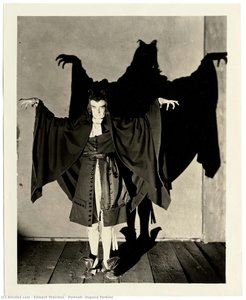 Portrait, Osgood Perkins1923
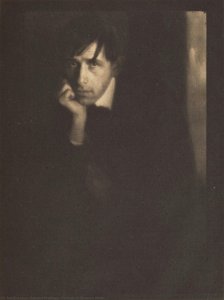 Portrait of Clarence White1905
Eseuri despre Sunflower
 Pictorialism Unveiled: How the Aesthetic Revolution Transformed Photography into Fine ArtExplore the revolution of Pictorialism. Discover how visionary photographers moved beyond documentation to transform the lens into a fine a…
 Capodopere ale Secolului al XIX-lea: 10 Lucrări de Artă Esențiale pentru Decorul TăuDescoperă 10 capodopere ale secolului al XIX-lea! Explorează romantismul lui Delacroix, impresionismul lui Monet și realismul lui Courbet. …
 Sunlight on Canvas: The Radiant Symbolism of Yellow Flowers in Impressionist ArtExplore the profound symbolism of yellow flowers in Impressionist art through expert analysis. Discover the light of the masters today.