
 Vezi în context
 Trimite
 Distribuie
 Detalii
 Ghidul

 Descarcă
 Produse similare
 Radiografie
 Diaporama
 Statistici
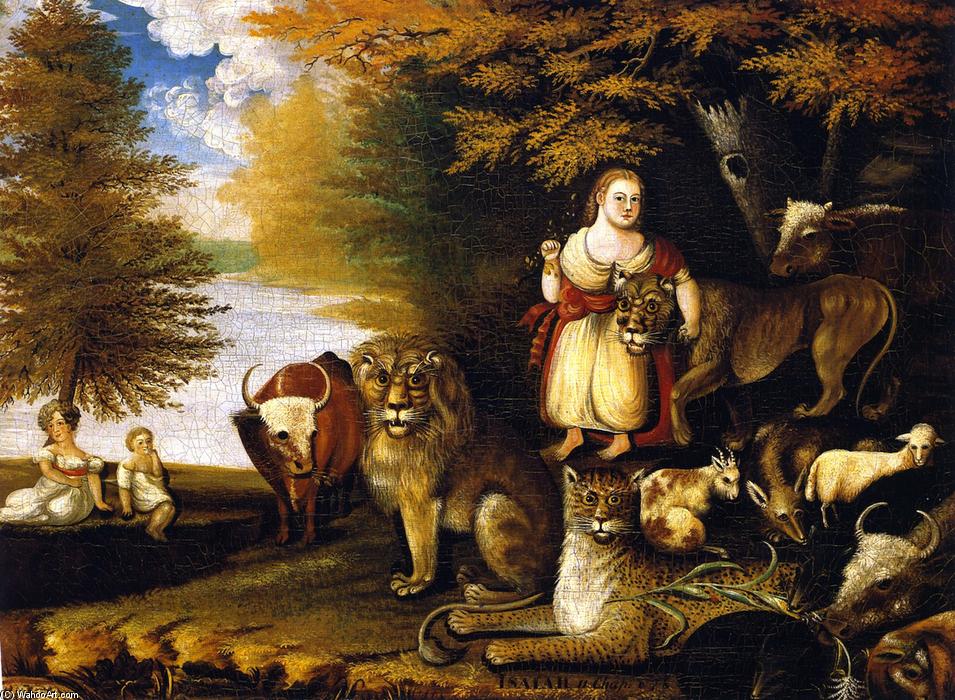
Peaceable Kingdom


 Citește mai mult
Giclée / Imprimare artistică
Printuri giclée sau pe canvas de calitate muzeală, cu proces de producție rapid și opțiuni flexibile de finisare. ( Comandă pictură realizată manual Treci la imagine digitală)




P118B lei10

P118H lei10

P118W lei10

P438Z lei10

P508JH lei12

P508YH lei12

P805H lei10

P805Z lei10

P919BZ lei10

P919G lei10

P919XJ lei10

P959ZH lei10

P968JZ lei12

W106C lei8

W218G lei10

W218JH lei8

W218Y lei10

W307PJ lei10

W316G lei10

W316PJ lei8

W316Y lei10

W398PJ lei8

W4111J lei10

W500HY lei15

W500JH lei15

W692G lei12

W849H lei8

W940BG lei15

W953PJ lei8




Alegeți dintre dimensiunile noastre prestabilite, care respectă proporțiile originale ale operei de artă.

Introduceți lățimea și înălțimea de care aveți nevoie, pentru a se potrivi ramei sau peretelui dumneavoastră. O printare poate fi doar tăiată, niciodată extinsă dincolo de dimensiunea imaginii originale, astfel încât o dimensiune cu o formă diferită va pierde o parte din imagine. Vă trimitem o simulare digitală pentru aprobare înainte de a imprima orice. Imaginea afișată pe această pagină nu prezintă tăierea reală — doar simularea arată acest lucru.
Livrare în întreaga lume () în 2 săptămâni, în loc de cele 4/5 săptămâni standard. (23 Octombrie)

Livrare expres gratuită la nivel mondial

Pânză de in premium

Asigurare completă pentru transport

Garanție de rambursare a taxelor vamale

Garanția fidelității culorilor

Politica de retur în 100 de zile (doar pentru defecte)

Garanție de rambursare 100%

Reducere pentru comenzi multiple
 Opțiunea cu sticlă este disponibilă doar pentru dimensiuni de sub 110 cm

Peaceable Kingdom
Giclée / Imprimare artistică
Dimensiune reproducere
-


Preț total
lei 371
A Pastoral Vision of Dominion: Edward Hicks’ “Peaceable Kingdom”
Edward Hicks' "Peaceable Kingdom," painted in 1830, is more than just a beautiful depiction of a rural landscape; it’s a profound meditation on faith, power, and the delicate balance between humanity and nature. This monumental oil painting, now a cornerstone of American art history, offers a glimpse into the heart of Quaker belief and Hicks' uniquely expressive artistic vision. The scene unfolds with an almost overwhelming sense of serenity – a vast meadow teeming with life, dominated by a central female figure holding aloft a symbolic crown or scepter. Lions, bulls, leopards, sheep, and cows gather around her, seemingly rendered docile and content under her watchful gaze. It’s a tableau that immediately evokes the grandeur of Renaissance allegories while retaining a distinctly American sensibility.
The Quaker Narrative: Faith as Foundation
Understanding Hicks' artistic practice requires acknowledging his deep connection to the Religious Society of Friends, or Quakers. Born into an Anglican family but raised by the devout Matron Elizabeth Twining, Hicks’ life was fundamentally shaped by their core tenets – simplicity, peace, and a belief in the “inner light” – that resided within each individual. "Peaceable Kingdom" isn't simply a landscape; it’s a visual representation of this spiritual philosophy. The central figure is often interpreted as representing Christ or Providence, embodying divine authority and offering a message of reconciliation and harmony. The animals, traditionally symbols of earthly power and potential conflict, are rendered peaceful and obedient, suggesting that true dominion comes not through force but through grace and understanding.
Technique and Composition: A Masterclass in Detail
Hicks’ masterful technique is immediately apparent upon close inspection. The painting is executed in the rich, layered style of oil paint, utilizing a meticulous approach to detail that was characteristic of his work. He employs a carefully constructed composition, drawing the eye towards the central figure through strategic use of light and shadow. The receding planes of land and trees create a sense of depth, while the vibrant colors – dominated by warm golds, browns, and reds – contribute to the painting’s overall warmth and inviting quality. Noticeably, Hicks utilizes impasto in certain areas, particularly within the foliage and animal fur, adding textural richness and emphasizing the tactile nature of the scene. The flattened perspective, reminiscent of earlier Renaissance styles, is skillfully balanced by a dynamic arrangement of figures and elements, preventing the composition from feeling static.
Symbolism Unveiled: A Tapestry of Meaning
Beyond its immediate visual appeal, “Peaceable Kingdom” is laden with symbolic meaning. The animals themselves carry significant weight – the lion representing strength, the bull symbolizing fertility and earthly power, the leopard embodying cunning and vigilance, while sheep represent innocence and vulnerability. The woman’s crown or scepter isn't merely a symbol of authority; it represents the divine right to rule, not through coercion but through benevolent guidance. The presence of two women seated beneath the tree on the left side adds another layer of interpretation, potentially representing the role of female wisdom and nurturing within this harmonious landscape. Even the body of water reflecting the sky reinforces the theme of interconnectedness – mirroring the heavens in the earth below.
“Peaceable Kingdom” remains a powerful testament to Edward Hicks’ artistic vision and his unwavering faith. It's a painting that invites contemplation, prompting viewers to consider their own relationship with nature, power, and the enduring promise of peace. Reproductions offer an accessible way to experience this remarkable work of art, bringing its serene beauty and profound symbolism into any space.
Întrebări și răspunsuri
Ce dimensiune este recomandată pentru "Peaceable Kingdom" într-un Living Room?
Combinația recomandată pentru "Peaceable Kingdom" de Edward Hicks: o printare de dimensiunea Medium, ideală pentru o Living Room.
Pot vedea o previzualizare a "Peaceable Kingdom" de Edward Hicks înainte de a comanda?
O previzualizare a operei "Peaceable Kingdom" de Edward Hicks este disponibilă pe pagina de Previzualizare a lucrării.
Imaginea pentru "Peaceable Kingdom" de Edward Hicks poate fi reprodusă liber?
"Peaceable Kingdom" de Edward Hicks este în în domeniul public - drepturile de autor au expirat. Acest statut reglementează modul în care imaginea lucrării poate fi reprodusă.
Biografie artist
A Life Rooted in Faith and Vision
Edward Hicks, born April 4th, 1780, in the tranquil landscape of Attleboro (now Langhorne), Bucks County, Pennsylvania, was a figure uniquely positioned at the intersection of religious conviction and artistic expression. His story is not simply that of a self-taught painter, but of a dedicated Quaker minister whose spiritual journey profoundly shaped his distinctive visual language. Though born to Anglican parents, young Edward’s life took a pivotal turn when he came under the care of Matron Elizabeth Twining, a devout Quaker who instilled in him the core tenets of this faith – simplicity, peace, and an unwavering belief in the “inner light.” This early exposure would become the bedrock upon which his artistic vision was built. From the age of thirteen, Hicks apprenticed with coach makers William and Henry Tomlinson, mastering the techniques of decorative painting that would initially sustain him. However, even as he honed his skills in rendering ornate designs on carriages, a deeper calling resonated within him, one that would ultimately lead him down a path less traveled – a path where faith and artistry converged. By 1803, Hicks had fully embraced the Society of Friends, marrying Sarah Worstall and embarking on a life of itinerant preaching throughout Philadelphia, all while continuing to support his growing family through his painting skills.The Evolving Canvas: From Coachwork to Spiritual Landscapes
Hicks’s artistic development was far from conventional. He wasn't formally trained in the academic traditions of the time; instead, he cultivated a distinctly American folk art style born from observation, necessity, and deeply held beliefs. Initially, his paintings served practical purposes – house painting, coach decoration, tavern signs, and even decorative work on furniture and farm equipment. These early commissions provided financial stability but often conflicted with the Quaker emphasis on plainness and eschewal of worldly vanities. A period of hardship in 1815 saw Hicks briefly abandon ornamental painting for farming, a venture that proved unsuccessful. It was through encouragement from friends that he returned to his brushes in 1816, a turning point that allowed him to reconcile his artistic talents with his spiritual calling. He began to imbue his paintings with symbolic meaning, reflecting his Quaker worldview and personal interpretations of scripture. His canvases became vehicles for conveying messages of peace, harmony, and the promise of a divinely ordained order.The Peaceable Kingdom: A Vision of Harmony
Edward Hicks is most celebrated today for his series of paintings known collectively as *The Peaceable Kingdom*. Comprising over sixty variations created throughout his life, these works are arguably the most iconic examples of American folk art. Inspired by Isaiah 11:6-9 – a passage foretelling a time when natural predators would coexist peacefully – Hicks depicted scenes of wild animals and children living in idyllic harmony. The paintings often feature figures from colonial Pennsylvania history, such as William Penn negotiating treaties with Native Americans, further grounding the biblical vision within an American context. *The Peaceable Kingdom* is not simply a charming depiction of animal life; it’s a powerful statement about Hicks's belief that Pennsylvania represented a fulfillment of this prophetic ideal – a place where peace and justice could prevail. Each version of *The Peaceable Kingdom* possesses subtle variations in composition, color palette, and detail, reflecting Hicks’s evolving artistic sensibilities and deepening spiritual understanding. Notable examples include *Peaceable Kingdom (31)* housed at Yale University Art Gallery, and *Peaceable Kingdom (34)* which portrays Noah's Ark amidst a serene landscape.Beyond the Kingdom: A Broader Artistic Scope
While *The Peaceable Kingdom* remains his signature achievement, Edward Hicks’s artistic output extended beyond this celebrated series. He painted landscapes, portraits, and historical scenes, each imbued with his characteristic folk art style and Quaker sensibility. His *Falls of Niagara*, now at the Abby Aldrich Rockefeller Folk Art Center, demonstrates his ability to capture the grandeur of nature while maintaining a sense of simplicity and reverence. Similarly, his depiction of *George Washington crossing...* – also held at the Abby Aldrich Rockefeller Folk Art Center – offers a unique folk perspective on this iconic moment in American history. Even seemingly mundane subjects like *Grave of William Penn at Jordans in England*, reveal Hicks’s deep connection to Quaker heritage and his ability to find spiritual significance in everyday scenes. These works, taken together, demonstrate the breadth of Hicks's artistic vision and his commitment to using art as a means of expressing his faith and values.A Lasting Legacy: The Folk Art Icon
Edward Hicks passed away on August 23rd, 1849, in Newtown, Pennsylvania, leaving behind a body of work that continues to resonate with audiences today. He is now recognized as a pivotal figure in American folk art, celebrated for his distinctive style, recurring themes, and profound spiritual depth. His paintings offer invaluable insights into the beliefs and values of the Society of Friends during the 19th century, providing a visual record of their commitment to peace, simplicity, and social justice. Hicks’s unique ability to blend religious faith with artistic expression created a body of work that is both visually compelling and spiritually meaningful. He remains a testament to the power of self-taught artistry and the enduring influence of Quaker ideals on American art history. His legacy continues to inspire artists and scholars alike, ensuring that his vision of harmony—both earthly and divine—will endure for generations to come.
Edward Hicks
1780 - 1849 , Statele Unite ale Americii
Informații rapide
- Artistic Movement Or Style: Folk Art
- Date Of Birth: April 4, 1780
- Date Of Death: August 23, 1849
- Full Name: Edward Hicks
- Nationality: American
- Notable Artworks:
- Peaceable Kingdom (31)
- Falls of Niagara
- George Washington crossing...
- Peaceable Kingdom (34)
- Place Of Birth: Langhorne, USA
Articole conexe
Echoes of Tradition: Exploring the Enduring Legacy of Folk Art Movements
Explore the rich history of folk art movements worldwide! Discover definitions, notable artists, and the enduring legacy of this captivating tradition. Expert insights & high-quality reproductions at OriginalUniqueArt.

Edward Hicks’ ‘Peaceable Kingdom’: American Folk Art & the Shaping of a National Identity
Explore the profound symbolism & historical context of Edward Hicks’ ‘Peaceable Kingdom.’ Discover how this iconic American folk art masterpiece reflects Quaker values and shaped a nation's identity. Learn more at OriginalUniqueArt.
Edward Hopper: Cele Mai Iconice Lucrări – Artă, Decorațiuni și Povești Captivante
Descoperă cele mai iconice 25 de picturi Edward Hopper! Explorează realismul american, atmosfera unică și poveștile din spatele capodoperelor sale. Reproduceri tablouri de calitate muzeală & inspirație pentru decor interior pe OriginalUniqueArt.com.
The Soul of Tradition: Exploring the Vibrant Heritage and Naive Mastery of Global Folk Art
Discover the profound beauty of folk art through a cultural lens. Explore how naive masterpieces and vibrant global traditions preserve heritage, offering timeless inspiration for collectors and art enthusiasts seeking authenticity and soul in every brushstroke.
Capodopere ale Secolului al XIX-lea: 10 Lucrări de Artă Esențiale pentru Decorul Tău
Descoperă 10 capodopere ale secolului al XIX-lea! Explorează romantismul lui Delacroix, impresionismul lui Monet și realismul lui Courbet. Găsește inspirație pentru decorul tău cu reproduceri de artă de calitate muzeală pe OriginalUniqueArt.com.