
 Previzualizare
 Trimite
 Distribuie
 Detalii despre lucrare

 Descarcă
 Produse similare
 Radiografie
 Diapozitive automate
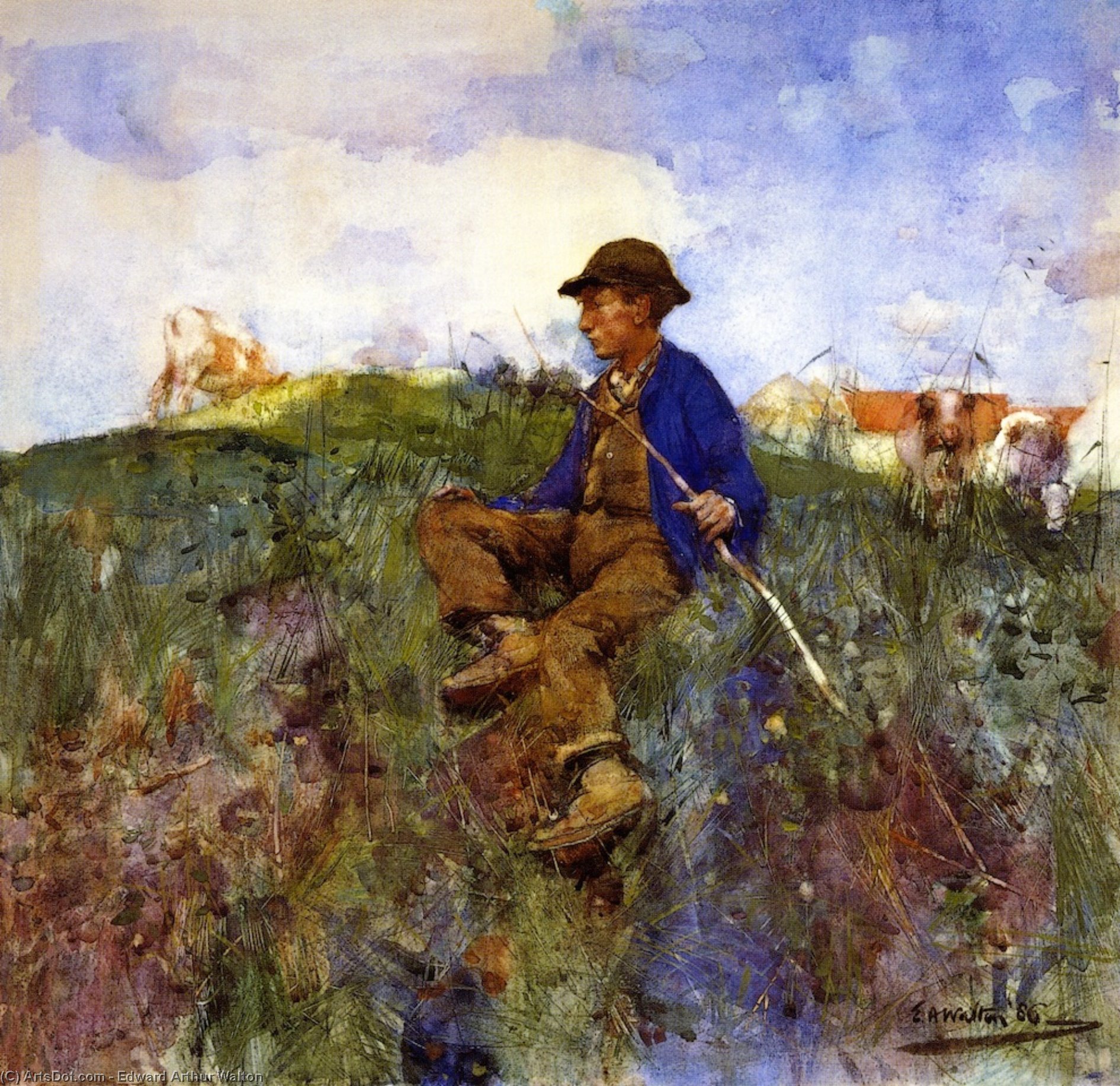
The Herd Boy


 Vezi mai mult
Reproducere pictată manual în ulei
Pictură în ulei pe pânză, realizată manual de artiștii noștri la dimensiunea și ramele dorite de dumneavoastră, pe comandă. ( Comandă printul Cumpără imaginea)




P118B $10

P118H $10

P118W $10

P438Z $10

P508JH $12

P508YH $12

P805H $10

P805Z $10

P919BZ $10

P919G $10

P919XJ $10

P959ZH $10

P968JZ $12

W106C $8

W218G $10

W218JH $8

W218Y $10

W307PJ $10

W316G $10

W316PJ $8

W316Y $10

W398PJ $8

W4111J $10

W500HY $15

W500JH $15

W692G $12

W849H $8

W940BG $15

W953PJ $8




Alegeți dintre dimensiunile noastre prestabilite, care respectă proporțiile originale ale operei de artă.

Puteți introduce propriile dimensiuni pentru a se potrivi unui anumit cadru sau spațiu. Dacă dimensiunea selectată nu corespunde proporțiilor imaginii originale, vom decupa opera de artă sau vom extinde pictura cu elemente suplimentare pictate manual. O simulare digitală vă va fi trimisă pentru aprobare înainte de începerea producției.
Vă rugăm să rețineți că previzualizarea de pe ecran nu reflectă decuparea sau extinderea reală. Doar macheta va arăta cu exactitate compoziția finală.
Deși sunt disponibile dimensiuni personalizate, vă recomandăm să selectați o dimensiune din lista predefinită pentru a păstra proporțiile originale.
După plasarea comenzii, echipa OriginalUniqueArt.com va contacta clientul prin e-mail pentru instrucțiuni și îi va furniza o previzualizare a machetei
Livrare în întreaga lume () în 3-4 săptămâni, în loc de cele 5 săptămâni standard. (16 August). Fără compromisuri în ceea ce privește calitatea.

Livrare expres gratuită la nivel mondial

Pânză de in de înaltă calitate

Asigurare completă pentru transport

Garanție de rambursare a taxelor vamale

Garanția fidelității culorilor

Politica de retur în 60 de zile (doar pentru defecte)

Garanție de rambursare 100%

Ofertă pentru comenzi multiple
 Opțiunea cu sticlă este disponibilă doar pentru dimensiuni de sub 110 cm

The Herd Boy
Tehnică de reproducere
Dimensiune reproducere
-


Preț total calculat
$ 300
Descriere operă de artă
The Enchanting Pastoral Vision of Edward Arthur Walton’s “The Herd Boy”
Edward Arthur Walton's "The Herd Boy," painted in 1886, transcends mere depiction; it embodies the spirit of the Glasgow School and whispers tales of Scottish countryside tranquility. Held proudly at the National Gallery of Scotland in Edinburgh, this watercolor isn’t simply a landscape—it’s an invitation into a moment frozen in time, capturing the quiet beauty of rural life with remarkable sensitivity. Walton's masterful use of color and light establishes an atmosphere of profound peace, drawing viewers into a scene where man and dog coexist harmoniously amidst a flock of cows.A Window Into Pre-Raphaelite Influence
Walton’s artistic journey was undeniably shaped by the Pre-Raphaelites, whose ethos championed meticulous detail and unwavering realism—a stylistic rebellion against the academic conventions prevalent at the time. This influence is palpable in Walton's careful rendering of textures: the rough wool of the cows’ coats contrasts beautifully with the soft hues of the grass beneath, creating a visual richness that speaks to the artist’s dedication to capturing authentic observation. The subtle shading and blending techniques employed contribute significantly to the painting’s luminous quality, mirroring the Pre-Raphaelites' fascination with natural light and its transformative power.Symbolism Rooted in Scottish Folklore
Beyond stylistic considerations, “The Herd Boy” resonates with deeper symbolic meanings rooted in Scottish folklore. Cows traditionally represent fertility and prosperity—themes central to Celtic traditions—and their presence underscores the painting’s celebration of rural abundance. The solitary shepherd boy symbolizes innocence and vulnerability, juxtaposed against the steadfast companionship of his dog, representing loyalty and protection. Together, they embody a harmonious relationship between humanity and nature, reflecting a worldview prevalent in Victorian Britain where pastoral landscapes held immense spiritual significance.Technical Brilliance: Watercolor Mastery
Walton’s technique exemplifies the exquisite precision characteristic of watercolor painting during the late 19th century. He skillfully layered translucent washes of pigment to achieve depth and luminosity, demonstrating an unparalleled understanding of color mixing and tonal gradation. The artist's meticulous attention to detail—evident in the individual strands of wool and the subtle variations in cow coloration—highlights the medium’s ability to convey nuanced textures and subtleties that would be impossible to replicate with oil paint. This masterful execution ensures that every brushstroke contributes to the painting’s overall impact, preserving its ethereal beauty for generations to come.A Legacy of Tranquility: Emotional Resonance
“The Herd Boy” continues to captivate audiences today not merely as a beautiful artwork but also as an embodiment of Victorian ideals—a yearning for simplicity, connection with the natural world, and moral virtue. The painting’s serene composition invites contemplation and evokes feelings of nostalgia for a bygone era—a reminder that true artistic achievement lies in capturing not just what is seen but also what is felt. Its enduring appeal speaks to our innate desire for beauty and tranquility, cementing Walton's place as one of Scotland’s most treasured landscape painters.- Artist: edward arthur walton
- Birth Year: 1860
- Death Year: 1922
- Birth City: None
- Birth Country: United Kingdom
Edward Arthur Walton was a Scottish painter who was known for his beautiful watercolours. His work often featured landscapes, figures, and animals, showcasing his ability to capture the beauty of the natural world.
He was influenced by the Pre-Raphaelite movement, which emphasized the importance of detail and realism in art.
- Edward Arthur Walton Wikipedia
- The Herd Boy Artwork Database
- Edward Arthur Walton Artists Database
- Walter Richard Sickert Wikipedia
Handmade oil painting reproductions of “The Herd Boy” are available on OriginalUniqueArt.com, allowing art lovers to own a piece of history and beauty.
Biografie artist
Walter Richard Sickert: A Shadowy Figure of London’s Modernist Scene
Walter Richard Sickert, born in Germany in 1860 and tragically passing away in 1942, remains a captivatingly enigmatic figure within the annals of British art. More than just an artist, he was a keen observer of urban life, a master of capturing fleeting moments, and a pivotal influence on the development of modern British painting. His work, often characterized by its smoky atmosphere, intimate portraits, and fascination with the underbelly of London’s social scene, continues to intrigue and challenge viewers today. He wasn't simply documenting reality; he was constructing it – a world filtered through his unique perspective and imbued with a subtle sense of melancholy and observation.Early Life and Influences: A European Education
Sickert’s early life, though rooted in Germany, shaped his artistic sensibilities profoundly. He spent his formative years in Munich, where he received a rigorous academic training in drawing and painting – a foundation that would later inform his meticulous technique. However, a sense of restlessness and a desire for a more vibrant and unconventional artistic environment led him to London in 1884. This move proved transformative. The bustling metropolis offered a stark contrast to the formal art schools he’d attended, exposing him to a diverse range of subjects – from street life and theatre performers to prostitutes and dockworkers. These encounters became central to his artistic vision, providing him with a wealth of material for his paintings and prints. Crucially, he was influenced by the Impressionists, particularly Monet and Degas, but quickly developed a distinct style that moved beyond mere replication of light and color. He sought to capture not just what *looked* like something, but also the feeling and atmosphere surrounding it.The Camden Town Group and a New Artistic Direction
Sickert’s arrival in London coincided with the emergence of a new artistic circle known as the Camden Town Group – a loosely affiliated collective of artists who rejected the academic traditions of the Royal Academy and sought to create a more accessible and expressive form of art. This group, which included Walter Russell, William Landseer Duffield, and John Angliss, embraced a gritty realism that focused on the everyday lives of London’s working class. Sickert became a key figure within this movement, contributing significantly to its aesthetic and intellectual direction. He was particularly interested in portraying the darker side of urban life – the poverty, squalor, and moral decay that lurked beneath the veneer of Victorian respectability. His paintings often depicted scenes of gambling dens, music halls, and opium dens, offering a starkly unflattering portrait of London society. The group’s rejection of idealized beauty in favor of honest representation was revolutionary for its time.Technique and Style: Smoke, Shadow, and Intimacy
Sickert's artistic style is immediately recognizable by its distinctive use of color and atmosphere. He favored a palette dominated by muted browns, greys, and blacks – colors that he skillfully manipulated to create a sense of smoke-filled interiors and shadowy streets. His brushwork was often loose and expressive, conveying movement and emotion rather than precise detail. He employed a technique known as “tonal painting,” where he built up layers of color to create subtle gradations of light and shadow. This approach allowed him to capture the fleeting effects of light and atmosphere with remarkable sensitivity. Furthermore, Sickert was a master of capturing human psychology through his portraits. He didn’t simply paint faces; he painted personalities – revealing the inner lives and hidden emotions of his subjects. His ability to convey a sense of vulnerability and melancholy in his portraits is particularly striking.Legacy and Historical Significance
Despite facing criticism during his lifetime for his subject matter and unconventional style, Walter Richard Sickert’s influence on British art is undeniable. He paved the way for later generations of artists who sought to explore the darker aspects of urban life and challenge traditional artistic conventions. His work anticipates elements of Expressionism and Surrealism, demonstrating a remarkable prescience. His paintings continue to be exhibited in major museums around the world, and his legacy as one of Britain’s most important modernists is firmly established. The persistent rumors surrounding his possible involvement in the Jack the Ripper murders only add to the mystique surrounding this complex and fascinating artist – a shadowy figure who captured the spirit of a rapidly changing London. His art serves as a poignant reminder that beauty can be found even in the most unexpected places, and that truth often lies hidden beneath the surface.
edward arthur walton
1860 - 1922 , United Kingdom
Detalii rapide
- Artistic Movement Or Style: British Impressionism
- Artists Or Movements Influenced By This Artist: ['Post-Impressionism']
- Artists Who Influenced This Artist: ['Impressionists']
- Date Of Birth: May 31, 1860
- Date Of Death: January 22, 1942
- Full Name: Walter Richard Sickert
- Nationality: British
- Notable Artworks:
- Brighton Pierrots
- London Group
- Camden Town Group
- Place Of Birth: Berlin, Germany
Articole similare

Top 10 Capodopere Acvarelă Legendară care au Schimbat Arta pentru Totdeauna | OriginalUniqueArt.ro
Descoperă Top 10 capodopere acuarelă legendară de la Sargent, Turner și alți maeștri! Explorează istoria artei, tehnicile unice și paletele vibrante. Reproduceri de artă de calitate muzeală pentru decorul perfect pe OriginalUniqueArt.com.
Edward Hopper: Cele Mai Iconice Lucrări – Artă, Decorațiuni și Povești Captivante
Descoperă cele mai iconice 25 de picturi Edward Hopper! Explorează realismul american, atmosfera unică și poveștile din spatele capodoperelor sale. Reproduceri tablouri de calitate muzeală & inspirație pentru decor interior pe OriginalUniqueArt.com.

Ephemeral Visions: Exploring the Artistic Legacy & Contemporary Practice of Watercolor Painting
Explore the captivating world of watercolor painting! Discover its rich history, essential techniques, influential artists & collecting tips. A comprehensive guide for art enthusiasts from OriginalUniqueArt.

Ephemeral Visions: Exploring the History & Emotional Resonance of Watercolor Painting
Explore the captivating history of watercolor painting, from ancient techniques to modern masters like Kandinsky & Blake. Discover essential artists, collecting tips & the emotional power of this luminous medium. Expert insights for art enthusiasts.

Ephemeral Visions: Exploring the Artistic Legacy & Nuances of Watercolor Painting
Explore the captivating world of watercolor painting! Discover its rich history, essential techniques, influential artists & collecting tips from art experts. A comprehensive guide for enthusiasts.

