

 Trimite
 Distribuie
 Detalii
 Ghidul

 Descarcă
 Produse similare
 Diaporama
 Statistici
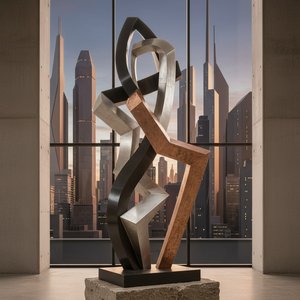
Embrace XI
 Metalwork
- Sculpture
- Abstract Sculpture
 1996
1996- Contemporary
 260.0 x 88.0 cm
 Muzeul Guggenheim din Bilbao
 Citește mai mult
Lucrarea de artă afișată pe această pagină este protejată de legile privind drepturile de autor, ceea ce înseamnă că nu putem crea sau vinde în mod legal o reproducere identică. Această protecție este garantată prin acorduri internaționale, precum Convenția de la Berna și de legile naționale, inclusiv cele prevăzute de Legea dreptului de autor din S.U.A. – Titlul 17. Toate drepturile rezervate. Orice reproducere neautorizată este interzisă.
Ca alternativă respectuoasă și legală, oferim tablouri pictate manual, personalizate, inspirate de original. Artistii noștri experimentați și profesioniști studiază cu atenție stilul, starea de spirit și esența artistică a originalului pentru a crea o piesă nouă și unică, care evocă aceeași emoție – rămânând, în același timp, o creație originală în sine.
Această metodă respectă pe deplin reglementările privind drepturile de autor, deoarece nu implică copierea sau duplicarea operei protejate. În schimb, este o reinterpretare creativă – o pictură nouă, influențată de original, dar care nu este identică cu acesta.
Reproducere pictată manual în ulei
Pictură în ulei pe pânză, realizată manual de artiștii noștri la dimensiunea și ramele dorite de dumneavoastră, pe comandă. ( Comută pe versiunea Print Treci la imagine digitală)




































Alegeți dintre dimensiunile noastre prestabilite, care respectă proporțiile originale ale operei de artă.

Introduceți lățimea și înălțimea de care aveți nevoie, pentru a se potrivi ramei sau peretelui dumneavoastră. Această lucrare este pictată manual, așa că pentru o dimensiune cu o formă diferită, artistul poate picta puțin mai mult în jurul imaginii sau poate tăia puțin din margini — dumneavoastră decideți. Vă vom trimite o simulare digitală pentru aprobare înainte de a începe pictarea. Imaginea afișată pe această pagină nu reprezintă rezultatul real — doar simularea este reprezentativă.
După plasarea comenzii, echipa OriginalUniqueArt.com va contacta clientul prin e-mail pentru instrucțiuni și îi va furniza o previzualizare a machetei
Livrare în întreaga lume () în 3-4 săptămâni, în loc de cele 5 săptămâni standard. (23 Octombrie). Fără compromisuri în ceea ce privește calitatea.

Livrare expres gratuită la nivel mondial

Pânză de in premium

Asigurare completă pentru transport

Garanție de rambursare a taxelor vamale

Garanția fidelității culorilor

Politica de retur în 100 de zile (doar pentru defecte)

Garanție de rambursare 100%

Reducere pentru comenzi multiple
 Opțiunea cu sticlă este disponibilă doar pentru dimensiuni de sub 110 cm

Embrace XI
Tip de reproducere
Dimensiune reproducere
-


Preț total
lei 1391
The Poetry of Forged Steel: A Dance of Form and Fire
In the realm of modern sculpture, few works command the space with as much visceral intensity as Eduardo Chillida’s Embrace XI. Created in 1996, this monumental steel structure is far more than a mere arrangement of metal; it is a captured moment of elemental struggle. The piece exists in a state of beautiful paradox, presenting itself as both vertical and curved, simultaneously rigid and fluid. To witness Embrace XI is to observe a silent dialogue between the artist’s will and the stubborn resistance of his medium. Unlike the more ethereal explorations found in his other works, this particular sculpture was born from a direct confrontation with fire and force, where sections of forged steel were manipulated through heat and strength to achieve their final, intertwining destiny.
The aesthetic language of the work is deeply rooted in the concept of organic growth. As the eye travels along the dark, heavy ribbons of metal, one does not see industrial coldness, but rather a biological rhythm. The steel sections curve and overlap with the grace of climbing vines or roots that emerge from the earth only to collapse back upon themselves in a tight, protective hold. This sense of "embracing" is central to the piece's identity, suggesting a profound intimacy between separate entities. For the collector or designer, this work offers a sophisticated interplay of shadow and silhouette, making it an extraordinary focal point for spaces that value structural depth and the evocative power of abstract form.
A Legacy of Materiality and Space
The mastery behind Embrace XI lies in Chillida’s unique ability to make heavy, industrial materials appear weightless and alive. His technique involved a deep, almost spiritual connection to the blacksmith's craft. By working alongside local artisans, Chillida mastered the art of coaxing life from iron, treating each curve as a way to "sculpt" the surrounding air. In this piece, the negative space—the gaps between the intertwining steel—is just as vital as the metal itself. The sculpture does not merely occupy space; it defines and contains it, creating a rhythmic tension that draws the viewer into its internal architecture.
Historically, Chillida’s work serves as a bridge between the rugged landscape of his native Basque Country and the universal language of abstraction. While he often rejected the label of "abstract artist," preferring to see himself as a realist capturing the essence of form, Embrace XI embodies this truth perfectly. It is a realistic depiction of tension, gravity, and connection. For those looking to integrate high-quality reproductions into a curated interior, this work provides an unparalleled sense of permanence and intellectual depth. It brings with it the monumental spirit of a master who found the soul within the stone and the heartbeat within the steel.
Întrebări și răspunsuri
Unde pot găsi statistici despre "Embrace XI" de Eduardo Chillida?
Pagina Statistici pentru "Embrace XI" de Eduardo Chillida prezintă statistici privind vizitele publice: numărul de vizite lunare ale acestei opere, o comparație cu cele mai vizionate lucrări ale artistului și proveniența vizitatorilor.
Ce emoție transmite "Embrace XI" atunci când este oferită ca cadou?
Tonul Powerful al operei "Embrace XI" de Eduardo Chillida se potrivește cu ocazia de cadou recomandată: Corporate Gift.
Cât de armonioase sunt culorile din "Embrace XI" de Eduardo Chillida?
"Embrace XI" de Eduardo Chillida prezintă o armonie cromatică Strong Color Unity.
Biografie artist
The Monumental Spirit of Eduardo Chillida
To speak of Eduardo Chillida is to speak of the very landscape of modern sculpture—a force of nature rendered in metal, stone, and wood. Born in San Sebastián on January 10, 1924, this Spanish Basque master was destined for a life marked by profound physical struggle and equally profound artistic triumph. Though his early path saw him pursuing architecture at the University of Madrid, it was the raw, undeniable call of art that ultimately redirected his destiny. His formative years were steeped in the cultural atmosphere of the Basque Country, an environment that would forever inform the deep resonance of his work.
His initial forays into sculpture began in Paris, a period where he wrestled with plaster and clay, absorbing influences from the great traditions housed within institutions like the Louvre. Yet, it was upon returning to the nurturing embrace of the Basque Country that Chillida’s artistic voice found its definitive timbre. The physical setbacks of his promising football career served perhaps as an unexpected crucible, channeling a restless energy into his creative pursuits.
Forging Form: Materials and Technique
Chillida's technical evolution is as compelling as the forms he created. Initially drawn to the delicate possibilities of plaster, he soon found his true medium in forged iron. Working alongside local blacksmiths, he mastered the art of transforming raw metal into structures that seemed both impossibly heavy and ethereally light. This mastery was not merely about joining materials; it was about coaxing them into a dialogue with space itself. His exploration expanded to include wood, notably when he began his seminal series, Anvil of Dreams, where wooden bases served as launching pads for metal forms that seemed to erupt in rhythmic, explosive curves.
The material choices were never arbitrary. Whether it was the cold strength of iron or the subtle luminescence of alabaster, Chillida treated each substance with a deep respect, allowing its inherent qualities—its weight, its patina, its resistance—to become integral parts of the sculpture's narrative. He sought not just to depict the human form, often focusing on torsos and busts, but to capture the very essence of existence struggling against constraint.
The Dialogue with Space: Abstract Realism
Despite his monumental scale and highly abstract compositions, Chillida himself resisted easy categorization. He preferred to be known as a "realist sculptor," suggesting that his abstraction was not an escape from reality, but rather a deeper excavation of it. His work is fundamentally concerned with the relationship between matter and void—the space around the sculpture is as vital, if not more so, than the material itself. This preoccupation led him to create public works that did not merely occupy space, but actively engaged with it, forcing the viewer into a physical conversation with the artwork.
His pieces often evoke primal energies and deep human introspection. They feel monumental because they are; they speak of endurance, of history, and of the enduring spirit of humanity rooted deeply in its cultural soil. The very act of viewing a Chillida piece becomes an immersive experience, one where the viewer must navigate the interplay between solid mass and infinite emptiness.
A Legacy Etched in Iron
Eduardo Chillida’s career stands as a towering achievement in 20th-century art. His body of work is a testament to relentless inquiry—an investigation into what it means to be human, contained within the boundaries of physical form and boundless spirit. From his early explorations to his later, massive public installations, he left behind a legacy that continues to challenge perceptions of weight, grace, and permanence. He did not just create sculptures; he forged dialogues between man, material, and the eternal space surrounding us.

Eduardo Chillida
1924 - 2002
Informații rapide
- Full Name: Eduardo Chillida Juantegui
- Nationality: Spanish
- Date Of Birth: 1924
- Date Of Death: 2002
- Place Of Birth: San Sebastián, Spain
- Notable Artworks: ['Anvil of Dreams']
- Artistic Movement Or Style: Abstract/Figurative Sculpture
Articole conexe
Forged in Fire: The Timeless Strength and Ethereal Beauty of Metal Art
Discover the enduring allure of metal art. Explore how masterfully forged sculptures blend industrial strength with organic elegance to create timeless investment pieces for sophisticated collectors and luxury interiors.

Forging Elegance: The Ultimate Guide to Metal Art as a Modern Masterpiece
Discover the profound elegance of metal art. Our expert guide explores how handcrafted metallic sculptures and industrial-grade ironwork serve as modern masterpieces for discerning collectors seeking to elevate their luxury interiors with strength and grace.

The Enduring Form: Exploring Themes & Techniques in Sculpture Across Historical Periods
Explore the rich history of sculpture from ancient masterpieces to contemporary innovations. Discover key techniques, influential artists & investment potential for discerning art collectors.

Top 10 Capodopere din Bronz care au Revoluționat Arta – Inspirație pentru Decor
Descoperă Top 10 sculpturi din bronz care au schimbat istoria artei! Explorează operele lui Rodin, Michelangelo și alți maeștri, tehnicile lor unice și inspirația pentru decorul casei tale. Replici de calitate muzeală pe OriginalUniqueArt.com.

Metal Art for Commercial Spaces: A Procurement Guide to Durable & Modern Large-Scale Decor Solutions
Expert procurement guide for hotel designers and managers. Discover durable, large-scale metal art solutions for commercial spaces. Learn about material selection, maintenance, and efficient bulk ordering for high-traffic hospitality and corporate interiors.