

 Previzualizare
 Trimite
 Distribuie
 Detalii despre lucrare

 Descarcă
 Produse similare
 Radiografie
 Diapozitive automate
Prophet Jeremiah (detail)


 Vezi mai mult
Giclée / Imprimare artistică
Printuri giclée sau pe canvas de calitate muzeală, cu proces de producție rapid și opțiuni flexibile de finisare. ( Comandă pictură lucrată manual Cumpără imaginea)




P118B $10

P118H $10

P118W $10

P438Z $10

P508JH $12

P508YH $12

P805H $10

P805Z $10

P919BZ $10

P919G $10

P919XJ $10

P959ZH $10

P968JZ $12

W106C $8

W218G $10

W218JH $8

W218Y $10

W307PJ $10

W316G $10

W316PJ $8

W316Y $10

W398PJ $8

W4111J $10

W500HY $15

W500JH $15

W692G $12

W849H $8

W940BG $15

W953PJ $8




Alegeți dintre dimensiunile noastre prestabilite, care respectă proporțiile originale ale operei de artă.

Puteți introduce propriile dimensiuni pentru a se potrivi unui anumit cadru sau spațiu. Dacă dimensiunea selectată nu corespunde proporțiilor imaginii originale, vom decupa lucrarea de artă sau vom extinde imaginea cu margini oglindite sau cu o culoare uniformă. Un mockup digital va fi trimis pentru aprobarea dumneavoastră înainte de începerea producției.
Vă rugăm să rețineți că previzualizarea de pe ecran nu reflectă decuparea sau extinderea reală. Doar mockup-ul va arăta cu exactitate compoziția finală.
Deși dimensiunile personalizate sunt disponibile, vă recomandăm să selectați o dimensiune din lista predefinită pentru a păstra proporțiile originale.
Livrare în întreaga lume () în 2 săptămâni, în loc de cele 4/5 săptămâni standard. (23 August)

Livrare expres gratuită la nivel mondial

Pânză de in de înaltă calitate

Asigurare completă pentru transport

Garanție de rambursare a taxelor vamale

Garanția fidelității culorilor

Politica de retur în 60 de zile (doar pentru defecte)

Garanție de rambursare 100%

Ofertă pentru comenzi multiple
 Opțiunea cu sticlă este disponibilă doar pentru dimensiuni de sub 110 cm

Prophet Jeremiah (detail)
Giclée / Imprimare artistică
Dimensiune reproducere
-


Preț total calculat
$ 80
Descriere obiect de colecție
A Soul in Stone: Donatello’s Prophet Jeremiah
Donatello's “Prophet Jeremiah (detail),” a poignant study carved from pristine white marble around 1423-1427, transcends mere portraiture to become a profound meditation on faith, suffering, and the weight of divine prophecy. This intimate fragment, originally conceived for the north side of Giotto’s bell tower in Florence, captures a pivotal moment within the biblical narrative – Jeremiah's lamentation over the impending destruction of Jerusalem, a vision he relentlessly conveyed despite facing scorn and rejection from his people. The sculpture isn’t simply depicting a man; it embodies an entire emotional landscape, radiating a palpable sense of sorrow and quiet dignity.
The work is firmly rooted in the burgeoning Early Renaissance style that Donatello pioneered. Rejecting the overly ornate conventions of the International Gothic tradition, he embraced classical ideals of humanism and naturalism, yet infused them with an intensely personal expression. Notice how the figure’s posture – a subtle lean back, a downward gaze – immediately conveys vulnerability and introspection. This isn't a heroic depiction of a prophet; it is Jeremiah as a man grappling with his burden, a testament to Donatello’s ability to imbue stone with profound psychological depth. The musculature, subtly rendered beneath the flowing drapery, speaks to an underlying strength, a resilience forged in the face of overwhelming adversity.
The Language of Marble: Technique and Material
Donatello's mastery of marble is immediately evident. The surface possesses a remarkable smoothness, achieved through meticulous polishing – a technique that reflects both his skill and the quality of the stone itself. The folds of the garment are sculpted with astonishing precision, creating an illusion of movement and texture. Observe how light plays across the figure’s face, highlighting the wrinkles around his eyes and mouth, not as signs of age but as emblems of experience and sorrow. The use of *contrapposto*, a classical technique where the weight is shifted to one leg, creates a dynamic balance within the sculpture, lending it a sense of life and vitality despite its stillness.
Crucially, Donatello’s choice of white marble was deliberate. The purity of the material serves as a visual metaphor for Jeremiah's message – a stark contrast against the corruption and impending doom he foretold. The reflective surface also invites contemplation, encouraging viewers to engage with the sculpture on an emotional level. It is a material that speaks of both fragility and enduring strength, mirroring the themes explored within the artwork.
Symbolism and Context: A Prophet’s Lament
Jeremiah's prophecy was notoriously difficult to deliver; he warned of divine judgment against a people who refused to heed his warnings. The sculpture captures this tension perfectly. The prophet’s hand, clasped tightly over his thigh, suggests both despair and determination – a refusal to relinquish hope despite the bleakness of his situation. His downcast eyes are not simply indicative of sadness but also of a profound understanding of God's will. The cartouche held by his left hand, bearing his name, is a subtle reminder of his identity and role as a messenger of divine truth.
The sculpture’s original placement on Giotto’s bell tower underscored its significance. As one of the first freestanding nude male sculptures since antiquity, it represented a bold departure from medieval artistic conventions. It was a statement about humanity's capacity for both suffering and resilience – qualities that resonated deeply with the humanist ideals of the Renaissance. The subsequent relocation to the Cathedral’s façade further cemented its place as a powerful symbol of faith and judgment.
A Timeless Echo: Emotional Resonance
“Prophet Jeremiah (detail)” continues to resonate with viewers centuries after its creation. Its raw emotional honesty, coupled with Donatello's masterful technical skill, creates an experience that is both deeply moving and intellectually stimulating. The sculpture invites us to contemplate the nature of faith, the burden of responsibility, and the enduring power of human compassion. It’s a work that transcends its historical context, offering a timeless reflection on the complexities of the human condition – a testament to Donatello's genius and his profound understanding of the human spirit.
Biografie artist
Early Life and Artistic Beginnings
Donato di Niccolò di Betto Bardi, universally known as Donatello, emerged from the bustling heart of Florence around 1386 – a time when the city was poised on the cusp of an extraordinary artistic revolution. His early life remains shrouded in some mystery, yet it’s understood that he received his initial training within the workshops of Florentine sculptors, absorbing the techniques and traditions of the era. It's believed he began his apprenticeship around 1400, likely under the tutelage of masters working on the magnificent Duomo – Florence’s iconic cathedral. This formative period exposed him to a wealth of artistic influences, from the Gothic styles that still held sway to the nascent stirrings of Renaissance humanism. Donatello's father, Niccolò di Betto Bardi, was a wool carder, placing his son within a merchant family and providing him with an early exposure to the commercial world – a characteristic that would later impact Donatello’s approach to commissions and his sometimes challenging relationship with patrons. The precise details of his upbringing are scarce, but it's clear that he developed a keen eye for form, proportion, and the expressive potential of sculpture during these crucial formative years.Key Works and Artistic Innovations
Donatello’s legacy rests upon a remarkable body of work, each piece reflecting a deepening understanding of classical ideals and a bold departure from established conventions. His most celebrated creation, undoubtedly, is the bronze *David* (circa 1446), a sculpture that irrevocably altered the course of Western art. Unlike previous depictions of the biblical hero, Donatello’s David stands nude, powerfully embodying youthful strength and vulnerability. This was a revolutionary gesture – the first freestanding nude male sculpture to be created since antiquity – and it immediately captivated audiences with its realism and emotional intensity. The *David* wasn't merely a technical achievement; it represented a profound shift in artistic philosophy, prioritizing human anatomy and psychological depth over idealized beauty. Beyond *David*, Donatello produced a series of equally significant works, including the poignant *St. Louis of Toulouse* (1423-1425), a marble sculpture that showcased his mastery of drapery and expressive detail; the dramatic *Sacrifice of Isaac* (circa 1457-1469) for the Santa Maria del Fiore’s campanile, which boldly employed perspective to create a dynamic and engaging composition; and the emotionally charged *Crucifix* (1425), a testament to his ability to convey profound spiritual anguish. These works demonstrate Donatello's versatility across materials – bronze, marble, wood – and his willingness to experiment with new techniques, such as the “schiacciato” relief method, which created an illusion of depth and volume.Artistic Style and Influences
Donatello’s artistic style evolved dramatically throughout his career, reflecting a constant dialogue between classical antiquity and contemporary Florentine sensibilities. Initially influenced by the Gothic traditions prevalent in Florence, he gradually embraced the principles of Renaissance humanism, drawing inspiration from ancient Roman sculpture – particularly the works of artists like Pollione and Leoquinto. He meticulously studied casts of Greek and Roman statues, analyzing their proportions, musculature, and expressive gestures. This deep engagement with classical models informed his own work, resulting in a remarkable synthesis of stylistic elements. Donatello’s sculptures are characterized by their anatomical accuracy, emotional intensity, and dynamic compositions. Unlike the static, idealized figures of earlier Renaissance artists, Donatello's subjects appear to be caught in moments of action or contemplation, conveying a sense of immediacy and vitality. His use of light and shadow further enhances this effect, creating a dramatic interplay between form and space. Furthermore, Donatello’s work was not immediately embraced by the Florentine community; his innovative approach often met with resistance from conservative critics who favored more traditional styles. However, his talent and artistic vision eventually prevailed, establishing him as one of the most influential sculptors of his time and profoundly shaping the course of Renaissance art.Legacy and Historical Significance
Donatello’s impact on Western art is immeasurable. He not only revitalized interest in classical sculpture but also pioneered new techniques and approaches to representation. His emphasis on realism, emotional expression, and dynamic composition set a precedent for generations of artists who followed. Donatello's work served as a crucial bridge between the Gothic and Renaissance periods, demonstrating the potential for artistic innovation while retaining a deep respect for the past. He was a true innovator, pushing the boundaries of sculpture and inspiring countless artists to explore new possibilities. His legacy continues to resonate today, with his sculptures admired and studied by art lovers around the world. Donatello’s contributions extend beyond the purely aesthetic; he embodied the spirit of Renaissance humanism, celebrating the beauty and potential of the human form and reflecting a profound engagement with the complexities of the human experience. He remains one of the most important figures in the history of Western art, a testament to the power of artistic vision and technical mastery.
Donatello
1386 - 1466 , Italia
Detalii rapide
- Artistic Movement Or Style: Renaissance
- Artists Or Movements Influenced By This Artist: ['Renăscut']
- Artists Who Influenced This Artist: ['Sculptură clasică']
- Date Of Birth: c. 1386
- Date Of Death: 1466
- Full Name: Donato di Niccolò
- Nationality: Italian
- Notable Artworks:
- David
- St. Louis
- Sacrificiu
- Place Of Birth: Florența, Italia
Articole similare
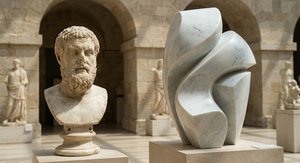
The Enduring Allure of Marble in Art History: From Classical Sculpture to Modern Abstraction
Explore the captivating history of marble sculpture from ancient Greece to modern art. Discover renowned artists like Canova & Michelangelo, carving techniques, and investment insights at OriginalUniqueArt.

Top 10 Capodopere din Bronz care au Revoluționat Arta – Inspirație pentru Decor
Descoperă Top 10 sculpturi din bronz care au schimbat istoria artei! Explorează operele lui Rodin, Michelangelo și alți maeștri, tehnicile lor unice și inspirația pentru decorul casei tale. Replici de calitate muzeală pe OriginalUniqueArt.com.

The Enduring Form: Exploring Themes & Techniques in Sculpture Across Historical Periods
Explore the rich history of sculpture from ancient masterpieces to contemporary innovations. Discover key techniques, influential artists & investment potential for discerning art collectors.

Top 10 Capodopere din Bronz care au Revoluționat Arta | OriginalUniqueArt.ro
Descoperiți Top 10 capodopere din bronz care au revoluționat arta! Rodin, Michelangelo și alții. Aflați istoria sculpturilor clasice și inspirație pentru decorul casei dvs. Reproduceri de artă de calitate muzeală pe OriginalUniqueArt.com
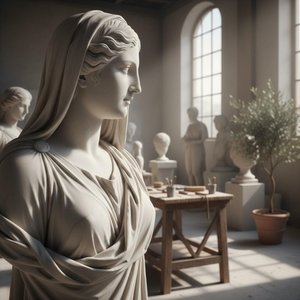
Timeless Elegance: A Complete Guide to the Sublime Beauty and Artistry of Marble Sculpture
Discover the sublime beauty of marble art through an expert exploration of Renaissance and Neoclassical masterpieces. From the delicate textures of Carpeaux to the grandeur of Sansovino, immerse yourself in a guide to timeless elegance and sculptural perfection.


