
 Previzualizare
 Trimite
 Distribuie
 Detalii despre lucrare

 Descarcă
 Produse similare
 Radiografie
 Diapozitive automate
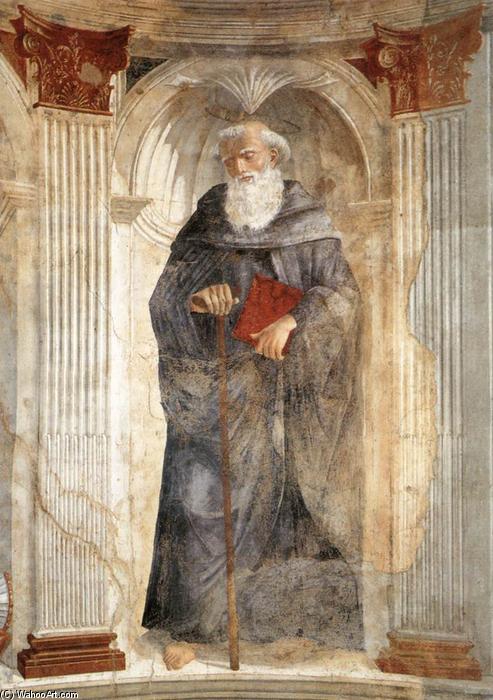
St Antony


 Vezi mai mult
Achiziționați o imagine digitală de înaltă rezoluție, îmbunătățită, mult superioară previzualizării online.
Fiecare fișier este pregătit cu meticulozitate de specialiștii noștri interni, utilizând instrumente avansate și retușare manuală expertă. Ne asigurăm că fiecare imagine beneficiază de o claritate excepțională, o acuratețe precisă a culorilor și detalii fine.
Fișierul final este livrat prin e-mail în termen de 72 de ore, optimizat pentru utilizare imediată în medii profesionale, editoriale și de imprimare. Aceasta este aceeași calitate în care au încredere studiouri de design, edituri și galerii de top.
Imagine Digitală
Descărcați un fișier la rezoluție înaltă pentru afișare personală, imprimare și proiecte creative. ( Comandă printul Comandă pictură lucrată manual)
Inclus în fiecare comandă de imagini digitale
Livrare digitală de expertiză, garantată
Când alegeți OriginalUniqueArt.com, nu primiți doar o simplă imagine – primiți o operă de artă digitală îmbunătățită profesional, creată cu precizie și susținută de o garanție de satisfacție. Iată tot ceea ce primești odată cu comanda ta, în mod automat:

Livrare rapidă prin e-mail
Fișierul imaginii digitale la rezoluție înaltă vă va fi trimis prin e-mail în termen de 72 de ore de la finalizarea comenzii – gata pentru utilizare imediată.

Fișier digital optimizat prin IA
Opera ta de artă este optimizată profesional prin intermediul unor instrumente AI avansate și al editării manuale, asigurând un nivel maxim de detalii, claritate și acuratețe a culorilor.

Retransmitere gratuită pe viață
Ai șters sau ai pierdut din greșeală fișierul? Nu îți face griji – ți-l vom retrimite oricând, gratuit.

Fără taxe de import – Întotdeauna
Bucură-te instant de noua ta operă de artă, fără taxe vamale, taxe de import sau costuri de livrare – descărcările digitale sunt întotdeauna fără taxe.

Garanția acurateții culorilor
Asigurăm o reflectare cât mai fidelă a culorilor originale în imaginea ta digitală, prin utilizarea unor instrumente profesionale și a proceselor de gestionare a culorii.

Garanție de satisfacție de 60 de zile
Dacă nu sunteți mulțumit de imaginea digitală achiziționată, o vom revizui sau vă vom returna 100% în termen de 60 de zile – fără nicio explicație necesară.

Garanție de returnare 100% a banilor
Nu ești mulțumit? Obține o rambursare completă în termen de 60 de zile de la primirea fișierului tău digital – fără întrebări.

Reduceri pentru comenzi în volum
Cumpără 3 imagini, economisește 10% - Cumpără 5, economisește 15% - Cumpără 10+, economisește 20%. Ideal pentru proiecte creative, galerii și agenții.
Biografie artist
A Florentine Garland: The Life and Art of Domenico Ghirlandaio
Domenico di Tommaso Curradi di Doffo Bigordi, a name that echoes through the annals of Renaissance art as Domenico Ghirlandaio, emerged from the heart of Florence in 1449. His very moniker – “Il Ghirlandaio,” or garland-maker – offers a poignant glimpse into his origins and the formative influences that shaped his extraordinary artistic vision. It wasn’t a reference to floral arrangements, but rather to the exquisite, jewel-like headdresses crafted by his father, a skilled goldsmith, adorning the women of Florence at the time. This familial connection to craftsmanship instilled in young Domenico an appreciation for meticulous detail, precise execution, and the captivating beauty of ornamentation – qualities that would become inextricably linked with his artistic identity. Initially apprenticed to his father, mastering the intricate techniques of metalwork, he soon transitioned to painting under the tutelage of Alesso Baldovinetti, absorbing the foundational principles of fresco and mosaic that defined Florentine art’s aesthetic landscape. Some scholars also suggest a formative period spent within the orbit of Andrea del Verrocchio, placing him amongst a generation of masters destined to redefine the very essence of Renaissance artistry.Bridging the Sacred and the Secular
Ghirlandaio's artistic genius lay in his remarkable ability to seamlessly intertwine religious narratives with the vibrant tapestry of everyday Florentine life. He didn’t populate biblical scenes with idealized figures drawn from antiquity; instead, he populated them with recognizable Florentines – merchants bustling through their trades, townsfolk engaged in their daily routines, and even members of prominent patron families. This innovative approach breathed a startling sense of realism and immediacy into his work, grounding the sacred within the tangible world of human experience. His workshop, a dynamic hub of creativity, wasn’t merely a studio; it was a thriving community that included not only his brothers, Davide and Benedetto, but also his brother-in-law, Sebastiano Mainardi, and, most notably, the burgeoning talent of Michelangelo Buonarroti. The sheer efficiency and productivity fostered within this collaborative environment allowed Ghirlandaio to undertake ambitious commissions – large-scale fresco cycles that cemented his reputation as one of Florence’s foremost artists. Notable examples include the breathtaking fresco cycles adorning the Sassetti Chapel in Santa Trinita (1482-1485), a vibrant and captivating narrative depicting the life of St. Francis, interwoven with scenes of Florentine commerce and social interaction – a testament to his ability to seamlessly blend religious devotion with the rhythms of daily life. Similarly, his *Apotheosis of St. Zenobius* in the Palazzo Vecchio showcased his mastery of perspective and composition, creating a monumental visual experience for viewers.Rome and the Sistine Chapel
The pinnacle of Ghirlandaio’s illustrious career arrived in 1481 with an invitation from Pope Sixtus IV to Rome. The pontiff sought to assemble a team of Florence's most accomplished artists – including Botticelli, Perugino, and Rossetti – to adorn the walls of the newly constructed Sistine Chapel. Ghirlandaio’s contribution was *The Vocation of the Apostles*, a dynamic and compelling scene depicting Christ summoning Peter and Andrew to follow him. While often overshadowed by Michelangelo's later ceiling frescoes, this work in the Sistine Chapel stands as a powerful demonstration of Ghirlandaio’s narrative storytelling prowess and his exceptional ability to create compositions brimming with expressive figures – a testament to his artistic skill and influence. Crucially, this commission provided a vital learning experience for the young Michelangelo Buonarroti, who observed Ghirlandaio's techniques firsthand, absorbing invaluable lessons that would profoundly shape his own artistic development.A Legacy of Realism and Influence
Domenico Ghirlandaio’s untimely death in 1494 at the age of forty-five tragically cut short a promising career, yet his impact on Renaissance art remains undeniably profound. He left behind a legacy not only through his numerous frescoes and paintings but also through the artists he nurtured – most notably Michelangelo. His unwavering commitment to realism, his remarkable ability to portray contemporary life within the context of religious narratives, and his masterful command of color and composition exerted a lasting influence on generations of painters who followed. While perhaps less universally celebrated than figures like Leonardo da Vinci or Raphael, Ghirlandaio’s work offers a unique and intimate window into the vibrant world of Renaissance Florence – a world where faith, commerce, and artistic innovation converged to create an era of unparalleled cultural flourishing. His paintings continue to resonate today, offering viewers a captivating glimpse into the lives and beliefs of those who lived centuries ago, reminding us of the enduring power of art to connect us across time.Notable Works
- St. Jerome in His Study (1480): A companion piece to Botticelli’s *Saint Augustine*, showcasing Ghirlandaio's meticulous attention to detail and his skillful use of fresco techniques.
- The Last Supper (Ognissanti, 1480): A groundbreaking work that significantly influenced subsequent depictions of this iconic scene, including Leonardo da Vinci’s masterpiece.
- Frescoes in the Sassetti Chapel (Santa Trinita, 1482-1485): A comprehensive cycle illustrating the life of St. Francis, celebrated for its realistic portrayal of Florentine society and its vibrant color palette.
- The Vocation of the Apostles (Sistine Chapel, 1483): A significant contribution to one of the world’s most iconic artistic spaces, demonstrating Ghirlandaio's narrative skill and compositional mastery.
- Adoration of the Magi (Uffizi Gallery, 1487): A vibrant and detailed depiction showcasing Ghirlandaio's exceptional command of perspective and his ability to create visually engaging compositions.

Domenico Ghirlandaio
1449 - 1494 , Italia
Detalii rapide
- Artistic Movement Or Style: Renașterea timpurie
- Artists Or Movements Influenced By This Artist: ['Michelangelo']
- Artists Who Influenced This Artist:
- Alesso Baldovinetti
- Andrea del Verrocchio
- Date Of Birth: 1449
- Date Of Death: 1494
- Full Name: Domenico di Tommaso Curradi
- Nationality: Italian
- Notable Artworks:
- St. Jerome
- Ultima Cina
- Ador.
- Vocare
- Place Of Birth: Florența, Italia

