

 Previzualizare
 Trimite
 Distribuie
 Detalii despre lucrare

 Descarcă
 Produse similare
 Radiografie
 Diapozitive automate
 Statistici
Trinity (detail)


 Vezi mai mult
Reproducere pictată manual în ulei
Pictură în ulei pe pânză, realizată manual de artiștii noștri la dimensiunea și ramele dorite de dumneavoastră, pe comandă. ( Comută pe Print Comută pe Imagine Digitală)




P118B $10

P118H $10

P118W $10

P438Z $10

P508JH $12

P508YH $12

P805H $10

P805Z $10

P919BZ $10

P919G $10

P919XJ $10

P959ZH $10

P968JZ $12

W106C $8

W218G $10

W218JH $8

W218Y $10

W307PJ $10

W316G $10

W316PJ $8

W316Y $10

W398PJ $8

W4111J $10

W500HY $15

W500JH $15

W692G $12

W849H $8

W940BG $15

W953PJ $8




Alegeți dintre dimensiunile noastre prestabilite, care respectă proporțiile originale ale operei de artă.

Puteți introduce propriile dimensiuni pentru a se potrivi unui anumit cadru sau spațiu. Dacă dimensiunea selectată nu corespunde proporțiilor imaginii originale, vom decupa opera de artă sau vom extinde pictura cu elemente suplimentare pictate manual. O simulare digitală vă va fi trimisă pentru aprobare înainte de începerea producției.
Vă rugăm să rețineți că previzualizarea de pe ecran nu reflectă decuparea sau extinderea reală. Doar macheta va arăta cu exactitate compoziția finală.
Deși sunt disponibile dimensiuni personalizate, vă recomandăm să selectați o dimensiune din lista predefinită pentru a păstra proporțiile originale.
După plasarea comenzii, echipa OriginalUniqueArt.com va contacta clientul prin e-mail pentru instrucțiuni și îi va furniza o previzualizare a machetei
Livrare în întreaga lume () în 3-4 săptămâni, în loc de cele 5 săptămâni standard. (11 Septembrie). Fără compromisuri în ceea ce privește calitatea.

Livrare expres gratuită la nivel mondial

Pânză de in de înaltă calitate

Asigurare completă pentru transport

Garanție de rambursare a taxelor vamale

Garanția fidelității culorilor

Politica de retur de 100 de zile (doar pentru defecte)

Garanție de rambursare 100%

Ofertă pentru comenzi multiple
 Opțiunea cu sticlă este disponibilă doar pentru dimensiuni de sub 110 cm

Trinity (detail)
Tehnică de reproducere
Dimensiune reproducere
-


Preț total calculat
$ 300
The Genesis of a Vision: Domenico Beccafumi's Trinity
Domenico di Pace Beccafumi, a name often overshadowed by the titans of Florence, nevertheless stands as a crucial bridge between the High Renaissance and the burgeoning complexities of Mannerism. Born in the modest Tuscan town of Montaperto around 1486, his artistic journey was one defined not just by technical skill but by an intensely individual vision—a deeply rooted sensibility informed by the traditions of Siena yet boldly reaching towards new expressive possibilities. His story is a testament to how regional artistry could simultaneously embrace and subtly transform broader stylistic trends, culminating in works of profound emotional resonance.
The “Trinity,” painted circa 1513, offers an immediate glimpse into this unique perspective. Commissioned for the Cappella del Manto within the venerable Santa Maria della Scala hospital complex in Siena – a space steeped in history and dedicated to healing – the altarpiece transcends mere devotional representation; it becomes a carefully constructed meditation on faith, sacrifice, and divine presence. Beccafumi’s decision to depict Jesus Christ on the cross as a young man, rather than the more conventional aged figure, immediately establishes a dynamic tension within the composition, injecting a palpable sense of vulnerability and nascent power into the scene.
A Synthesis of Influences: Style and Technique
Beccafumi’s style is remarkably complex, a skillful synthesis of influences from Siena, Florence, and Rome. He inherited the Sienese tradition's emphasis on rich color palettes, dramatic lighting, and a heightened sense of emotional intensity – qualities evident in his masterful use of chiaroscuro to sculpt form and draw the viewer’s eye towards the central figure. Yet, he was also deeply influenced by the Florentine artists who had recently returned from Rome, absorbing their innovations in perspective, anatomical accuracy, and a more dynamic approach to composition. The subtle distortions of figures, particularly in the depiction of the angels, hint at the emerging Mannerist aesthetic – a deliberate departure from the idealized forms of the High Renaissance.
Technically, Beccafumi demonstrates remarkable control over his medium. The oil paint is applied with meticulous detail, creating a surface texture that is both luminous and tactile. The layering of colors—the deep blues and purples of the background contrasted against the vibrant reds and golds of the garments—further enhances the sense of depth and drama. Note also the intricate detailing in the drapery, which flows with an almost sculptural quality, adding to the overall dynamism of the scene.
Symbolism and Spiritual Depth
The “Trinity” is rich in symbolic meaning. The central image of Christ on the cross represents sacrifice and redemption—the core tenets of Christian theology. Above him, the figures of God the Father and the Holy Spirit are rendered with a subtle elegance, suggesting a divine hierarchy while simultaneously conveying a sense of profound unity. The inclusion of two cherubs in the foreground adds an element of innocence and hope, anchoring the scene within a narrative of salvation. The choice of saints flanking Christ—Cosmas and Damian, known for their healing abilities – further reinforces the altarpiece’s connection to the hospital complex where it was originally displayed.
Interestingly, the composition echoes elements found in Raphael's “Foligno Madonna,” suggesting a conscious engagement with contemporary artistic trends. However, Beccafumi transcends mere imitation; he imbues the scene with his own distinctive emotional intensity and spiritual depth. The restless movement of figures, the dramatic lighting, and the carefully orchestrated symbolism all contribute to a powerful and unforgettable visual experience.
A Legacy of Dramatic Emotion
Domenico Beccafumi’s “Trinity” is more than just a religious painting; it's a profound exploration of faith, sacrifice, and the human condition. It stands as a testament to his unique artistic vision—a synthesis of Sienese tradition, Florentine innovation, and personal expression. The work’s enduring appeal lies in its ability to evoke a powerful emotional response, inviting viewers to contemplate the mysteries of life, death, and redemption. Reproductions of this masterpiece capture not only its visual splendor but also the spirit of its creator—a true Sienese visionary who left an indelible mark on the history of Italian Renaissance art.
Biografie artist
Domenico Beccafumi (1486 – May 18, 1551): A Sienese Visionary
Domenico di Pace Beccafumi stands as a singular figure in the panorama of Italian Renaissance art—a painter who stubbornly clung to traditions while simultaneously embracing innovations that would propel Mannerism into prominence. Born around 1486 in Montaperti, near Siena, his artistic journey wasn’t merely one of technical prowess; it was a profound exploration of emotion and visual experience, rooted in the distinctive spirit of his Sienese heritage yet propelled toward uncharted expressive territories. His story isn't simply about mastering technique; it’s about cultivating an individual sensibility—a sensitivity attuned to the nuances of medieval aesthetics while simultaneously absorbing the revolutionary ideas emanating from Rome.Early Influences and Artistic Training
Domenico’s formative years were marked by a grounding in Sienese artistic practices, shaped by the legacy of Fra Bartolommeo and Giovanni Battista Baldinelli Pacchiarotto—artists who championed expressive fervor and decorative richness. Lorenzo Beccafumi, recognizing his son's innate talent for drawing, took him under his wing, securing him an apprenticeship with Mechero, a local Sienese artist. This early training instilled in Domenico the foundational principles of Sienese painting—a tradition characterized by a penchant for dramatic gesture and opulent ornamentation—qualities that would permeate his subsequent oeuvre. The Sienese school’s divergence from classical ideals fostered an environment where emotional intensity and decorative detail were valued, shaping Domenico's artistic vision and informing his stylistic choices.The Roman Period: Absorbing Innovation
Around 1509, Domenico embarked on a transformative pilgrimage to Rome—a city pulsating with artistic dynamism under the patronage of Pope Julius II and Michelangelo Buonarroti. He encountered the monumental frescoes adorning St. Peter’s Basilica, immersing himself in the groundbreaking innovations championed by Raphael and Michelangelo—masterpieces that redefined composition, anatomy, and dramatic expression. Unlike many artists of his generation who sought to emulate these titans slavishly, Domenico synthesized Roman influences through his own distinctive lens. He didn't merely copy; he filtered them through a Sienese aesthetic—one imbued with a certain provincialism, an emphasis on decorative detail, and a lingering medieval sensibility. This process yielded a style that was both informed by the grandeur of Rome and resolutely rooted in Siena’s artistic traditions.Major Achievements: Frescoes and Monumental Decoration
Domenico Beccafumi's artistic reputation rests primarily upon his monumental frescoes—particularly those executed for the Duomo di Siena Cathedral between 1517 and 1544. This ambitious undertaking involved designing vast panels depicting biblical narratives—scenes from Ahab and Elijah, Melchisedec, Abraham, and Moses—a testament to Domenico’s narrative skill and expressive power. He skillfully blended Sienese decorative conventions with Mannerist stylistic features, creating images that captivated viewers with their dramatic intensity and psychological depth. Beyond the Duomo, Domenico undertook commissions for palaces and churches throughout Siena and Tuscany, demonstrating his versatility as an artist and craftsman. His work stands apart from the harmonious compositions of High Renaissance ideals, embracing instead a palpable sense of unease and emotional turbulence—a hallmark of Mannerism that distinguishes him from many of his contemporaries.Legacy: A Singular Voice Amidst Change
Domenico Beccafumi died in Siena in 1551, marking a poignant conclusion to the Sienese artistic tradition he so passionately upheld. He is rightfully recognized as the last significant representative of the Sienese school—a painter who preserved its distinctive aesthetic qualities while simultaneously anticipating the stylistic developments of Mannerism. His oeuvre embodies a singular vision—one characterized by irrationality, emotional fervor, and an arresting visual experience achieved through discordant colors and hallucinatory settings. Domenico’s legacy extends beyond his artistic achievements; he remains a compelling figure—a testament to the enduring power of individual creativity within the broader context of Renaissance art history. He challenged conventions, embraced innovation, and forged a style that continues to inspire admiration and scholarly inquiry centuries later.
domenico di pace beccafumi
1486 - 1551 , Italia
Detalii rapide
- Artistic Movement Or Style: Mannerism
- Artists Who Influenced This Artist:
- Raphael
- Michelangelo
- Date Of Birth: c. 1486
- Full Name: Domenico di Pace Beccafumi
- Nationality: Italian
- Notable Artworks:
- Trinity Triptych
- The Annunciation
- Place Of Birth: Montaperti, Italia
Articole similare

Moștenirea Frescei: Pictând Istoria Familiei pe Pereți
Transformă istoria familiei tale într-o frescă unică! Artiști profesioniști, tehnici moderne și consultanță gratuită. Creează o moștenire vizuală de neuitat cu .
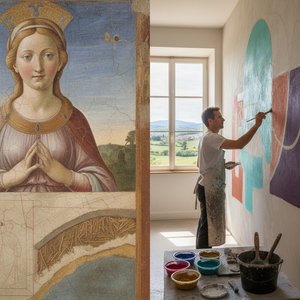
The Enduring Legacy of Fresco Painting: Techniques, History & Contemporary Relevance
Explore the rich history & enduring artistry of fresco painting – from Giotto to Michelangelo! Discover techniques, conservation efforts, & modern applications. Learn how OriginalUniqueArt brings this timeless art form to your home.

The Enduring Legacy of Fresco: Technique, History & Artistic Expression Across Cultures
Explore the rich history & enduring legacy of fresco painting! Discover ancient techniques, Giotto's masterpieces, and modern applications. Expert insights for art lovers & professionals.
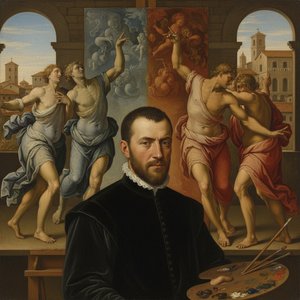
Domenico Beccafumi: A Sienese Master Between Mannerism & Baroque Anticipation
Explore the captivating world of Domenico Beccafumi, a pivotal figure bridging Mannerism & Baroque art. Discover his unique style, religious masterpieces, and lasting legacy with OriginalUniqueArt.

The Enduring Legacy of Fresco: Technique, History & Artistic Expression
Explore the rich history & enduring artistry of fresco painting. Discover techniques from Giotto to Michelangelo, conservation efforts, & modern applications. Learn how OriginalUniqueArt brings this timeless art form to your home.

