

 Vezi în context
 Trimite
 Distribuie
 Detalii
 Ghidul

 Descarcă
 Produse similare
 Radiografie
 Diaporama
 Statistici
Interface 27-28
 Contemporary
 1979
1979 44.0 x 61.0 cm
 Fundația Serralves
 Citește mai mult
Lucrarea de artă afișată pe această pagină este protejată de legile privind drepturile de autor, ceea ce înseamnă că nu putem crea sau vinde în mod legal o reproducere identică. Această protecție este garantată prin acorduri internaționale, precum Convenția de la Berna și de legile naționale, inclusiv cele prevăzute de Legea dreptului de autor din S.U.A. – Titlul 17. Toate drepturile rezervate. Orice reproducere neautorizată este interzisă.
Această metodă respectă pe deplin reglementările privind drepturile de autor, deoarece nu implică copierea sau duplicarea operei protejate. În schimb, este o reinterpretare creativă – o pictură nouă, influențată de original, dar care nu este identică cu acesta.
Giclée / Imprimare artistică
Printuri giclée sau pe canvas de calitate muzeală, cu proces de producție rapid și opțiuni flexibile de finisare. ( Comandă pictură realizată manual Treci la imagine digitală)




P118B lei10

P118H lei10

P118W lei10

P438Z lei10

P508JH lei12

P508YH lei12

P805H lei10

P805Z lei10

P919BZ lei10

P919G lei10

P919XJ lei10

P959ZH lei10

P968JZ lei12

W106C lei8

W218G lei10

W218JH lei8

W218Y lei10

W307PJ lei10

W316G lei10

W316PJ lei8

W316Y lei10

W398PJ lei8

W4111J lei10

W500HY lei15

W500JH lei15

W692G lei12

W849H lei8

W940BG lei15

W953PJ lei8




Alegeți dintre dimensiunile noastre prestabilite, care respectă proporțiile originale ale operei de artă.

Introduceți lățimea și înălțimea de care aveți nevoie, pentru a se potrivi ramei sau peretelui dumneavoastră. O printare poate fi doar tăiată, niciodată extinsă dincolo de dimensiunea imaginii originale, astfel încât o dimensiune cu o formă diferită va pierde o parte din imagine. Vă trimitem o simulare digitală pentru aprobare înainte de a imprima orice. Imaginea afișată pe această pagină nu prezintă tăierea reală — doar simularea arată acest lucru.
Livrare în întreaga lume () în 2 săptămâni, în loc de cele 4/5 săptămâni standard. (22 Octombrie)

Livrare expres gratuită la nivel mondial

Pânză de in premium

Asigurare completă pentru transport

Garanție de rambursare a taxelor vamale

Garanția fidelității culorilor

Politica de retur în 100 de zile (doar pentru defecte)

Garanție de rambursare 100%

Reducere pentru comenzi multiple
 Opțiunea cu sticlă este disponibilă doar pentru dimensiuni de sub 110 cm

Interface 27-28
Giclée / Imprimare artistică
Dimensiune reproducere
-


Preț total
lei 370
Biografie artist
The Alchemy of Impermanence: The Life and Vision of Dieter Roth
Born in Hanover, Germany, on April 21, 1930, Dieter Roth—often referred to by the variation Diter Rot—emerged as one of the most radical and boundary-pushing figures of the twentieth-century avant-garde. His artistic journey was never a linear progression toward perfection, but rather a profound exploration of decay, transformation, and the beautiful instability of existence. Moving through the cultural landscapes of Europe, Roth developed a practice that defied the static nature of traditional fine art, choosing instead to embrace the organic processes of life and death. His work serves as a visceral meditation on the passage of time, where the boundaries between the creator, the medium, and the environment are perpetually blurred.
Roth’s creative evolution was deeply intertwined with the experimental spirit of the Fluxus movement. As a co-founder of the magazine Spirale, he became a central node in a network of artists dedicated to breaking down the walls between high art and everyday life. This period of his life was marked by an intense curiosity regarding how objects interact with their surroundings. He did not merely seek to represent reality; he sought to engage with its physical degradation. His fascination with found materials—ranging from discarded newspapers and magazines to the much more provocative use of organic matter—allowed him to create works that were living, breathing, and ultimately, dying.
Materiality and the Aesthetics of Decay
What truly distinguishes Roth’s oeuvre is his fearless approach to medium. While many artists of his era sought permanence through oil on canvas or carved stone, Roth found profound meaning in the ephemeral. He became renowned for his sculptures that incorporated rotting foodstuffs, a technique that challenged the very notion of what an art object could be. In pieces such as Insel, the artist utilized decomposing organic elements to create a sensory experience that engaged not just the eyes, but the sense of smell and the awareness of biological change. This focus on impermanence turned his sculptures into performances of natural entropy, where the artwork changed shape, color, and texture every day it remained on display.
Beyond his sculptural experiments, Roth revolutionized the concept of the book. His artist's books were far from passive objects of reading; they were tactile, interactive landscapes. By designing books with pages that readers could rearrange or manipulate, he dismantled the traditional hierarchy of narrative and structure. This approach mirrored his interest in Concrete Art and the deconstruction of form, inviting a participatory experience that transformed the viewer into an active collaborator. His editioned prints and works on paper further showcased this mastery of technique, blending experimental textures with a deep-seated connection to the raw materials of the modern world.
Legacy and Artistic Influence
The historical significance of Dieter Roth lies in his ability to expand the vocabulary of contemporary art. He drew inspiration from the psychological depth of Expressionism, finding echoes of the raw emotion found in the works of Edvard Munch and Francis Bacon, yet he applied these influences to a much more physical, materialist framework. His legacy is felt in every movement that seeks to challenge the sanctity of the museum object and every artist who finds beauty in the discarded or the decomposing.
Throughout his career, Roth’s work was celebrated in prestigious institutions, including the Museum Folkwang in Essen, Germany, ensuring that his radical experiments were documented within the canon of art history. Though he passed away in 1998, his impact remains undiminished. He left behind a body of work that continues to provoke thought about the nature of creation and the inevitability of dissolution, reminding us that there is a profound, haunting beauty to be found in the very process of falling apart.

Dieter Rot, Diter Rot
1930 - 1998 , Germany
Informații rapide
- Date Of Birth: 1930
- Date Of Death: 1998
- Place Of Birth: Hanover, Germany
Articole conexe
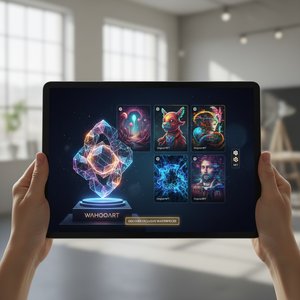
Deține Unicatul: Explorați Exclusivitatea Capodoperelor Digitale și NFT-urilor de Lux la OriginalUniqueArt
Descoperă exclusivitatea la OriginalUniqueArt. Transformăm NFT-uri și capodopere digitale în piese de colecție tangibile. Oferim reproduții premium pictate manual în ulei, garantând unicitatea și moștenirea artistică pentru colecționarii exigenți. Investește în artă autentică și atemporală.
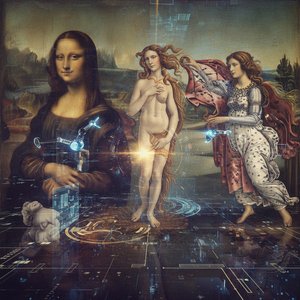
Digital Collage: Merging Art History and Technological Innovation into Modern Masterpieces
Explore the profound evolution of digital collage, where art history meets modern technology. Discover how contemporary masters merge classical techniques with digital innovation to create breathtaking new masterpieces for the modern collector.

Mastering Digital Collage: An Expert Guide to Layering Art, Texture, and Imagination
Elevate your digital artistry with our expert guide to mastering collage. Learn professional techniques for layering textures, blending imagery, and creating profound visual narratives through advanced digital composition and modern creative workflows.

Top 10 Capodopere ale Expresionismului Abstract: Artă, Artiști și Decorațiuni de Lux | OriginalUniqueArt.ro
Descoperă Top 10 capodopere ale Expresionismului Abstract! Explorează poveștile lui Pollock, Rothko și De Kooning. Reproduceri de artă de lux & inspirație decor pe OriginalUniqueArt.ro. Găsește pictura perfectă pentru spațiul tău!
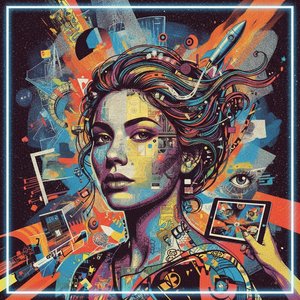
Digital Collage Unleashed: How to Remix Reality into High-Impact Pop Art
Master the art of digital collage. Discover how to remix pop culture icons, glitch aesthetics, and vibrant textures into high-impact Pop Art for modern urban spaces. Elevate your collection with bold, trend-setting visual strategies from the experts in contemporary graphic art.