
 Previzualizare
 Trimite prin felicitare
 Distribuie
 Detalii despre lucrare
 Ghid
Ghid

 Descarcă imaginea
 Produse similare
 Radiografie
 Galerie foto
 Q&A
Q&A Statistici
Skating during Carnival

- 57.0 x 100.0 cm


 Vezi mai mult
Giclée / Imprimare artistică
Printuri giclée sau pe canvas de calitate muzeală, cu proces de producție rapid și opțiuni flexibile de finisare. ( Comandă pictură realizată manual Comută pe Imagine Digitală)




P118B lei10

P118H lei10

P118W lei10

P438Z lei10

P508JH lei12

P508YH lei12

P805H lei10

P805Z lei10

P919BZ lei10

P919G lei10

P919XJ lei10

P959ZH lei10

P968JZ lei12

W106C lei8

W218G lei10

W218JH lei8

W218Y lei10

W307PJ lei10

W316G lei10

W316PJ lei8

W316Y lei10

W398PJ lei8

W4111J lei10

W500HY lei15

W500JH lei15

W692G lei12

W849H lei8

W940BG lei15

W953PJ lei8




Alegeți dintre dimensiunile noastre prestabilite, care respectă proporțiile originale ale operei de artă.

Introduceți lățimea și înălțimea necesare pentru a se potrivi ramei sau peretelui dumneavoastră. O printare poate fi doar tăiată, niciodată extinsă dincolo de dimensiunea imaginii originale, astfel încât o dimensiune cu o formă diferită va pierde o parte din imagine. Vă trimitem o simulare digitală pentru aprobare înainte de a imprima orice. Imaginea afișată pe această pagină nu prezintă tăierea reală — doar simularea arată acest lucru.
Livrare în întreaga lume () în 2 săptămâni, în loc de cele 4/5 săptămâni standard. (1 Noiembrie)

Livrare expres gratuită la nivel mondial

Pânză de in de înaltă calitate

Asigurare completă pentru transport

Garanție de rambursare a taxelor vamale

Garanția fidelității culorilor

Politica de retur în 100 de zile (doar pentru defecte de fabricație)

Garanție de rambursare 100%

Ofertă pentru comenzi multiple
 Opțiunea cu sticlă este disponibilă doar pentru dimensiuni de sub 110 cm

Skating during Carnival
Giclée / Imprimare artistică
Dimensiune reproducere
-


Preț total calculat
lei 379
Skating during Carnival by ALSLOOT, Denis van
Denis van Alsloot (c. 1570-1626), a Flemish painter of vibrant landscapes & festive scenes! Court artist famed for detailed depictions of Brussels life, winter views & the Sonian Forest. His legacy resides in capturing moments of aristocratic grandeur interwoven with the spirited energy of everyday existence—a duality that resonates powerfully within his celebrated artwork, “Skating during Carnival.” This captivating painting transports us back to 1620, a pivotal year marking the zenith of Flemish Baroque artistry and reflecting the burgeoning fascination with winter landscapes as symbols of nobility and celebration. Alsloot’s masterful execution employs oil on panel—a technique favored by artists of his era—resulting in an image brimming with rich color palettes and meticulous textural detail. The canvas breathes life into a bustling Antwerp carnival scene, capturing not merely visual splendor but also the social customs and artistic sensibilities of the time. The composition unfolds with remarkable clarity. Dominating the central space is a substantial brick fortification – likely a section of the Kipdorppoort Moats—serving as a backdrop to an exuberant gathering of skaters. These figures, dressed in opulent costumes adorned with masks and hats, embody the aristocratic spirit of the Baroque period, engaging in merriment amidst the frosty air. Scattered along the waterfront are trees bearing sparse winter foliage, subtly reinforcing the overarching theme of seasonal splendor and highlighting the artistic preoccupation with portraying nature’s beauty even during its dormant phase. A closer examination reveals Alsloot's profound understanding of visual storytelling. The artist skillfully utilizes perspective to create depth and atmosphere, guiding the viewer’s gaze across the scene—from the towering fortifications in the background to the animated skaters in the foreground. Notice the careful rendering of light and shadow, enhancing the dramatic effect and conveying a palpable sense of warmth against the cold winter landscape. This juxtaposition underscores the painting's symbolic significance: Carnival represents indulgence and merriment, while the winter setting symbolizes resilience and beauty—themes central to Baroque artistic ideals. The artwork’s provenance traces back to the Royal Collection (specifically Isabella Farnese), demonstrating its esteemed status within European art history. It was subsequently housed in the Museo Nacional del Prado and later acquired by Charles III of Spain, cementing its place as a cornerstone of Flemish landscape painting. Furthermore, Alsloot's meticulous attention to detail—evident in the intricate costumes, architectural elements, and atmospheric effects—reflects the Baroque commitment to realism and grandeur. “Skating during Carnival” stands not merely as a depiction of a festive occasion but as an embodiment of artistic excellence and a testament to Alsloot’s enduring contribution to European art heritage.- Artist: Denijs van Alsloot
- Birth Year: 1570
- Death Year: 1626
- Birth City: Mechelen
- Birth Country: Belgium
Întrebări și răspunsuri
Din ce materiale este realizată „Skating during Carnival”?
Tehnica utilizată pentru "Skating during Carnival" de Denis Van Alsloot este Oil On Panel, iar reproducerile urmăresc să reducă aspectul acestei tehnici.
În ce etapă a carierei lui Denis Van Alsloot se încadrează "Skating during Carnival", având în vedere data sa de execuție?
"Skating during Carnival", creat în 1620, aparține perioadei Mature Baroque din cariera lui Denis Van Alsloot."
"Skating during Carnival" de Denis Van Alsloot este o pictură, un desen sau o printă?
"Skating during Carnival" este o piesă de tip wall art.
Biografie artist
A Life Woven in Landscape: The World of Denijs van Alsloot
Denijs van Alsloot, a name resonating softly through the annals of Flemish art, occupies a fascinating transitional space between the established traditions of the 16th century and the burgeoning Baroque dynamism of the 17th. Born around 1570 in either Mechelen or Brussels, Belgium, his origins were steeped in the craft of tapestry – his father’s profession providing an early immersion into design and visual composition. Though details surrounding his formal artistic training remain elusive, it's clear that this familial connection to textile arts laid a foundational aesthetic sensibility for the young Alsloot. He entered the Brussels Guild of St Luke in 1599 as a tapestry designer, initially focusing on this craft before gradually shifting towards painting, taking on his first pupil the same year and continuing to mentor apprentices until 1625. This period suggests a deliberate evolution, a honing of skills that would eventually blossom into a distinctive landscape style.Courtly Commissions and Artistic Flourishing
A pivotal moment arrived around 1606 with Alsloot’s appointment as court painter to Albert and Isabella, the Archdukes who governed the Spanish Netherlands. This prestigious position not only provided financial stability but also thrust him into a world of influential patrons and significant commissions. The court became his canvas, demanding depictions of both grandeur and everyday life. He excelled at capturing scenes of civil processions, local festivals, and ceremonial events – vibrant snapshots of 17th-century Brussels society. Perhaps the most notable commission came from Archduchess Isabella herself: a request to paint eight panels commemorating the Ommegang procession of 1615, for which he was handsomely rewarded with 10,000 guilders. These works weren’t merely decorative; they were historical documents, preserving the spectacle and social fabric of the time. Alsloot's landscapes often blended topographical accuracy with imaginative flourishes, creating a unique aesthetic that resonated with his aristocratic clientele. He became particularly renowned for his realistic winter landscapes, frequently featuring the abbey of Groenendael in varying seasonal conditions – scenes commissioned by Archduke Albert himself, demonstrating the court’s appreciation for his skill and vision.The Sonian Forest School and Collaborative Spirit
Van Alsloot is often associated with the Sonian Forest school of landscape painters, a group who found inspiration in the sprawling woodlands surrounding Brussels. This association isn't merely geographical; it reflects a shared aesthetic preference for depicting scenes from this particular environment – its dense forests, tranquil abbeys, and atmospheric perspectives. His series of views of abbeys within the Sonian Forest exemplifies this connection, showcasing his ability to capture both the natural beauty and spiritual significance of these locations. However, Alsloot rarely worked in complete isolation. A fruitful collaboration with Hendrick de Clerck, a painter specializing in *staffage* – the figures populating landscapes – became a hallmark of his style. De Clerck’s vividly colored figures brought life and narrative to Alsloot's meticulously rendered backgrounds, creating dynamic compositions that captivated viewers. This partnership demonstrates a willingness to embrace collaborative artistry, enhancing the overall impact of their combined talents.Influences and a Developing Vision
Tracing Alsloot’s artistic lineage reveals a fascinating synthesis of influences. Early works demonstrate an affinity with 16th-century landscape painting, suggesting he studied the masters who came before him. The style of Gillis van Coninxloo is particularly evident, yet Alsloot's work generally possesses a calmer, more static quality, employing a softer palette and exhibiting greater precision in detail. He also absorbed elements from Jan Brueghel the Elder, skillfully blending these influences into his own distinctive approach. His artistic journey wasn’t simply imitation; it was an evolution. Starting with tapestry design, he gradually expanded his creative scope, embracing independent landscape painting and refining his technique over time. This progression demonstrates a commitment to growth and innovation, solidifying his position as a significant figure in the development of Flemish art.Legacy: A Window into 17th-Century Brussels
Though he passed away around 1626, likely before 1628, Denijs van Alsloot’s artistic legacy endures. His paintings are now held in esteemed museums worldwide, including the Museo Nacional del Prado in Madrid and the Victoria and Albert Museum in London, ensuring his work continues to inspire and captivate audiences centuries later. He is remembered not only for his technical skill – his topographical accuracy, atmospheric perspective, and meticulous detail – but also for his ability to document 17th-century life in Brussels. His depictions of festivals, processions, and landscapes offer invaluable insights into the social customs, architectural features, and natural beauty of the era. As a key representative of the Sonian Forest school and a transitional figure bridging earlier landscape traditions with the emerging Baroque style, Van Alsloot remains a significant subject for scholars studying Flemish landscape painting – a testament to his enduring contribution to the world of art.
Denis Van Alsloot
1570 - 1626 , Belgia
Detalii rapide
- Artistic Movement Or Style: Sonian Forest school
- Artists Or Movements Influenced By This Artist: ['Hendrick de Clerck']
- Artists Who Influenced This Artist:
- Gillis van Coninxloo
- Jan Brueghel the Elder
- Date Of Birth: c. 1570
- Date Of Death: c. 1626
- Full Name: Denijs van Alsloot
- Nationality: Flemish
- Notable Artworks:
- Tervuren tervuren
- Landscape with Tobias...
- The Flight into Egypt
- Place Of Birth: Mechelen, Belgium
Articole similare
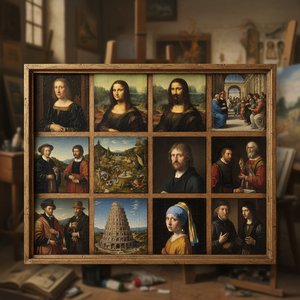
Capodopere pe Panel de Lemn: 10 Lucrări care au Revoluționat Arta | OriginalUniqueArt.ro
Descoperă 10 capodopere uluitoare pe lemn de la Van Eyck, Botticelli și Rembrandt! Explorează istoria, tehnicile și culorile vibrante ale picturii clasice. Reproduceri de artă de calitate muzeală pentru un decor rafinat. Descoperă toate operele pe OriginalUniqueArt.com

Măreția Barocului: Un Ghid despre Dramatism, Chiaroscuro și Emoție în Arta Secolului al XVII-lea
Descoperă drama și tehnica chiaroscuro din arta barocă prin acest ghid expert. Explorează măiestria secolului al XVII-lea acum.

Baroque Classicism: The Grandeur of Order and Drama in 17th-Century Art History
Explore the profound elegance of Baroque Classicism. Discover how 17th-century masters synthesized dramatic emotion with classical order through the lens of the Counter-Reformation and the works of legends like Carlo Maratta and Andrea Sacchi.

Mastering the Surface: A Historical and Technical Guide to the Art of Oil on Panel Painting
Explore the profound history and technical brilliance of oil on panel painting. From Renaissance masters to modern techniques, discover why this rigid support offers unparalleled precision and permanence for fine art lovers and collectors.

The Timeless Charm of Oil on Board: Reimagining Texture and Light through the Impressionist Lens
Discover the profound intimacy of oil on panel. Explore how Impressionist masters used rigid supports to capture light, texture, and impasto depth through exquisite, handmade oil reproductions for discerning collectors.