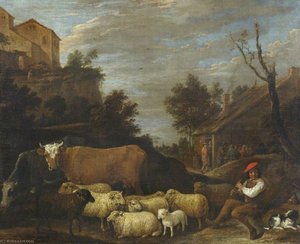
Previzualizare
 Trimite prin felicitare
 Distribuie
 Detalii despre lucrare
 Ghid
Ghid

 Descarcă imaginea
 Produse similare
 Radiografie
 Galerie foto
 Q&A
Q&A Statistici
The Surgeon

- 57.0 x 73.0 cm


 Vezi mai mult
Giclée / Imprimare artistică
Printuri giclée sau pe canvas de calitate muzeală, cu proces de producție rapid și opțiuni flexibile de finisare. ( Comandă pictură realizată manual Comută pe Imagine Digitală)




P118B lei10

P118H lei10

P118W lei10

P438Z lei10

P508JH lei12

P508YH lei12

P805H lei10

P805Z lei10

P919BZ lei10

P919G lei10

P919XJ lei10

P959ZH lei10

P968JZ lei12

W106C lei8

W218G lei10

W218JH lei8

W218Y lei10

W307PJ lei10

W316G lei10

W316PJ lei8

W316Y lei10

W398PJ lei8

W4111J lei10

W500HY lei15

W500JH lei15

W692G lei12

W849H lei8

W940BG lei15

W953PJ lei8




Alegeți dintre dimensiunile noastre prestabilite, care respectă proporțiile originale ale operei de artă.

Introduceți lățimea și înălțimea necesare pentru a se potrivi ramei sau peretelui dumneavoastră. O printare poate fi doar tăiată, niciodată extinsă dincolo de dimensiunea imaginii originale, astfel încât o dimensiune cu o formă diferită va pierde o parte din imagine. Vă trimitem o simulare digitală pentru aprobare înainte de a imprima orice. Imaginea afișată pe această pagină nu prezintă tăierea reală — doar simularea arată acest lucru.
Livrare în întreaga lume () în 2 săptămâni, în loc de cele 4/5 săptămâni standard. (1 Noiembrie)

Livrare expres gratuită la nivel mondial

Pânză de in de înaltă calitate

Asigurare completă pentru transport

Garanție de rambursare a taxelor vamale

Garanția fidelității culorilor

Politica de retur în 100 de zile (doar pentru defecte de fabricație)

Garanție de rambursare 100%

Ofertă pentru comenzi multiple
 Opțiunea cu sticlă este disponibilă doar pentru dimensiuni de sub 110 cm

The Surgeon
Giclée / Imprimare artistică
Dimensiune reproducere
-


Preț total calculat
lei 379
A Glimpse into a World of Healing and Observation
David Teniers the Younger’s “The Surgeon,” painted around 1670, isn't merely a depiction of a medical scene; it’s a meticulously rendered snapshot of daily life within a bustling apothecary and surgical workshop. The painting immediately draws the eye into a crowded room filled with figures engaged in various activities – a surgeon intently focused on his patient, assistants tending to instruments, and onlookers observing the procedure. This isn't a grand portrait of heroic medicine; instead, it offers an intimate, almost voyeuristic view of the practical realities of medical practice during the Dutch Golden Age. The composition is deliberately dense, reflecting the organized chaos inherent in a working environment where life and death were intimately intertwined.
The scene unfolds within a space defined by earthy tones – browns, ochres, and muted greens dominate the palette, lending an air of realism and groundedness to the portrayal. Subtle touches of red appear in clothing and bandages, providing visual contrast and drawing attention to the act of healing itself. Teniers’ masterful use of hatching and cross-hatching creates a remarkable sense of texture, from the rough wool of garments to the smooth surfaces of porcelain jars filled with medicinal ingredients. The artist skillfully employs light – primarily emanating from a window on the left – to sculpt forms and cast shadows, adding depth and drama to the composition. The limited perspective, while somewhat flattened, effectively guides the viewer’s eye through the crowded room, emphasizing key figures and details.
The Artist's Hand: Technique and Style
“The Surgeon” is a prime example of David Teniers the Younger’s signature style – a blend of meticulous observation and genre painting. He was renowned for his ability to capture the nuances of everyday life, imbuing even mundane scenes with a sense of vitality and interest. The brushwork is visible yet controlled, contributing to the overall realism of the piece. Notice how Teniers renders the folds in clothing, the textures of skin, and the details of surgical instruments – each element meticulously rendered with careful attention to detail. The painting’s foundation lies in oil paints applied to canvas, a technique that allowed for layering and blending, creating rich colors and subtle gradations of tone.
Furthermore, Teniers' work reflects the influence of his mentor, Peter Paul Rubens, particularly in his use of vibrant color and dynamic composition. However, unlike Rubens’ grand historical scenes, Teniers focused on capturing the immediacy of a domestic setting. The painting is not just a record of events; it’s an invitation to step into a world where medicine was practiced within the familiar confines of a workshop, alongside the rhythms of daily life.
Symbolism and Context: A Window into 17th-Century Medicine
Beyond its immediate visual appeal, “The Surgeon” offers a fascinating glimpse into the cultural attitudes surrounding medicine during the 17th century. The presence of anatomical tools, surgical instruments, and even a monkey – often associated with alchemy and medical knowledge – hints at the prevailing fascination with the human body and the pursuit of healing. Skulls are also present, serving as stark reminders of mortality and the fragility of life. These elements collectively evoke a sense of both wonder and apprehension regarding the practice of medicine.
The painting’s historical context is crucial to understanding its significance. During this period, medical knowledge was still evolving, often blending traditional remedies with emerging scientific discoveries. The scene depicted reflects the collaborative nature of medical care, where surgeons relied on assistants and apprentices to aid in their procedures. “The Surgeon” isn't a celebration of surgical prowess; it’s a testament to the shared experience of healing within a community.
A Timeless Masterpiece: Reproduction and Legacy
David Teniers the Younger’s “The Surgeon” remains a captivating work of art, offering a rare glimpse into the world of 17th-century medicine. Reproductions capture the painting's rich detail and evocative atmosphere, making it an ideal addition to any home or office. Its enduring appeal lies in its ability to transport viewers back in time, inviting them to contemplate the complexities of human health, knowledge, and the ever-present pursuit of healing.
Întrebări și răspunsuri
Unde pot vizualiza "The Surgeon" de David Teniers Cel Tânăr sub formă de diaporama?
Diaporama pentru "The Surgeon" poate fi vizualizată pe pagina Galerie foto a operei de artă.
În ce tehnică este realizată lucrarea "The Surgeon" de David Teniers Cel Tânăr?
"The Surgeon" este realizat în Oil On Canvas."
Unde pot găsi statistici despre "The Surgeon" de David Teniers Cel Tânăr?
Statistici despre "The Surgeon" de David Teniers Cel Tânăr se regăsesc pe pagina Statistici a operei de artă: vizitele lunare ale acesteia, vizitele lucrărilor artistului și distribuția pe țări și limbi pentru vizitatorii recenti.
Biografie artist
Primii Ani și Rădăcinile Familiale
- Naștere: Anvers, atunci parte a Nederlandelor Spaniole, botezat pe 15 decembrie 1610.
- David Teniers Cel Tânăr s-a născut într-o familie profund înrădăcinată în tradiția artistică a Flandrei. Tatăl său, David Teniers cel Bătrân, era și el pictor, iar frații săi mai mici, Juliaan, Theodoor și Abraham, au devenit toți, de asemenea, pictori.
- Instruire: A studiat sub îndrumarea tatălui său începând cu anul 1626, primind astfel pregătirea fundamentală în tehnici și stiluri picturale.
- Tatăl său se confrunta frecvent cu datorii și a fost uneori închis pentru aceasta, motiv pentru care tânărul David a creat copii ale unor picturi ale maeștrilor vechi pentru a ajuta la întreținerea familiei.
- Gilda din Anvers: A devenit maestru al Gildei Sfântului Luca din Anvers în perioada 1632–16রদ্ব, ocupând funcția de decan între 1644 și 1645.
Dezvoltarea Artistică și Influențele
- Influențe timpurii: Primele sale lucrări au urmat modelul picturilor de cabinet ale tatălui său și, prin intermediul acestuia, exemplul lui Adam Elsheimer. Până la sfârșitul anilor 1630, picturile sale erau foarte apropiate de cele ale lui Adriaen Brouwer ca tematică, tehnică, culoare și compoziție.
- Cercul lui Rubens: În 1637, s-a căsătorit cu Anna Brueghel, fiica lui Jan Brueghel cel Bătrân. Peter Paul Rubens, care fusese tutorele ei după moartea tatălui său, a fost martor la nuntă, integrându-l pe Teniers în cercul liderilor pictori din Anvers.
- Specializarea pe gen: Teniers s-a specializat treptat în pictura de gen – reprezentări ale vieții cotidiene – devenind renumit pentru scenele sale vibrante de festivaluri țărănești (kermesses), interioare de taverne și peisaje de sat.
Lucrări Majore și Stil Artistic
- Scene de Gen: Cele mai celebrate opere ale sale sunt picturile de gen. Acestea înfățișează adesea scene agitate din viața țărănească, pline de veselie, dans, băutură și jocuri.
- Picturile Kermess: Sărbătorile sătești, precum Kermessul Flandrez, exemplifică stilul său – culori vibrante, compoziții detaliate și o observație aguzată a comportamentului uman.
- Interioare de Taverne: Scenele sale de taverne sunt remarcabile în special prin portretizarea realistă a vieții de zi cu zi și prin atmosfera plină de viață din aceste locuri.
- Dincolo de Sat: A pictat, de asemenea, peisaje, scene de cameră de gardă, alchimiști și medici în lucru, precum și singeries ingenioase, în care maimuțele mimează afacerile oamenilor. l Picturi de Galerie: Vederea sa asupra galeriei de tablouri a Arhiduciului, cu pereți aglomerați de capodopere recognoscibile, l-a transformat într-o figură de prim plan în acest gen distinctiv flamand.
Pictor de Curte și Curator
- Serviciul pentru Arhiducii Leopold Wilhelm: În jurul anului 1650, Teniers s-a mutat la Bruxelles pentru a servi Arhiducele Leopold Wilhelm, Guvernatorul Nederlandelor Spaniole, în calitate de pictor de curte și păstrător al colecției sale de artă.
- Gestionarea Colecției: El l-a ajutat pe Arhduc să achiziționeze capodopere, inclusiv picturi din colecția regală britanică dispersată și colecția Hamilton. Colecția a crescut până la aproximativ 1.300 de lucrări și a format ulterior baza muzeului Kunsthistorisches din Viena.
- Theatrum Pictorium: Publicat la Bruxelles în 1660, acesta reproducea prin gravuri 246 de picturi italiene din colecția Arhducului – primul catalog ilustrat al unei colecții de maeștri vechi.
- Discipoli: Se crede că Gillis van Tilborgh a învățat sub îndrumarea sa la Bruxelles și a ocupat ulterior același post de păstrător al colecției de curte.
- Ulterior: După moartea Annei, s-a căsătorit cu Isabella de Fren în 1656. A cerut regelui Spaniei un titlu de nobilitate, dar a renunțat când i s-a spus că va trebui să înceteze vânzarea picturilor sale.
- Academia din Anvers: Teniers a fost forța motrice din spatele înființării Academiei de Arte Frumoase din Anvers, obținând atașamentul regal în 1663, cu scopul de a revitaliza pictura flamandă după moartea lui Rubens și Van Dyck.
Semnificația Istorică și Moștenirea
- Lider al Picturii de Gen: David Teniers Cel Tânăr este considerat cel mai important pictor de gen flamand al timpului său, capturând esența vieții secolului al XVII-lea cu o îndemânare remarcabilă.
- Influența asupra Viitorilor Artiști: Opera sa a influențat generațiile ulterioare de pictori din Europa de Nord și a impactat chiar artiștii rococo francezi, precum Antoine Watteau.
- Productivitate Remarcabilă: Teniers a fost un artist incredibil de prolific, producând o cantitate vastă de lucrări care continuă să fie admirate pentru farmecul, detaliul și perspectiva lor istorică.
- Moarte: A murit la Bruxelles pe 25 aprilie 1690, lăsând în urmă o moștenire durabilă ca unul dintre cei mai importanți pictori baroci din Flandra.
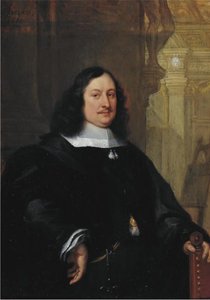
David Teniers Cel Tânăr
1610 - 1690 , Belgia
Detalii rapide
- Date Of Birth: 1610
- Date Of Death: 1690
- Place Of Birth: Antwerp, Belgia
- Place Of Death: Bruxelles, Belgia
- Birth Date: 1610
- Birth Place: Antwerp, Belgia
- Death Date: 1690
- Influenced By: Adriaen Brouwer, Adam Elsheimer, Peter Paul Rubens
- Movement: Baroc
- Name: David Teniers Cel Tânăr
- Nationality: flamand
- Notable Works:
- Doi bețivani
- Scenă de sat
- Scenă de bucătărie
- Kermess flamand
Articole similare
David Teniers II: Master of Flemish Genre & Social Commentary
Explore the captivating world of David Teniers II, a leading Flemish Baroque painter renowned for his lively genre scenes & insightful social commentary. Discover his masterpieces and legacy with OriginalUniqueArt.
Scenes of Daily Life: A Comprehensive Exploration of Genre Painting Through History
Explore the rich history of genre painting! Discover Dutch Masters & European artists who captured everyday life with stunning realism. Learn about symbolism, techniques & lasting influence.
Gerard David: Bridging Late Medieval Tradition with Early Renaissance Humanism
Explore the captivating world of Gerard David, a pivotal figure bridging late medieval artistry with the Early Renaissance. Discover his innovative techniques, religious masterpieces, and enduring legacy – a must-read for discerning art collectors.
David Teniers the Younger: Genre Painting & Social Commentary in Baroque Flanders
Explore the captivating world of David Teniers the Younger, a leading Flemish Baroque painter. Discover his genre scenes, social commentary, and lasting influence on 17th-century art. Learn about his life, techniques & legacy.

Sir David Wilkie: Narrative Detail & the Rise of Victorian Genre Painting
Explore the life & work of Sir David Wilkie, a pivotal figure in Victorian genre painting. Discover his narrative detail, social commentary, and lasting influence on 19th-century British art. Learn more at OriginalUniqueArt.