Previzualizare
 Trimite prin felicitare
 Distribuie
 Detalii despre lucrare
 Ghid
Ghid

 Descarcă imaginea
 Produse similare
 Radiografie
 Galerie foto
 Q&A
Q&A Statistici
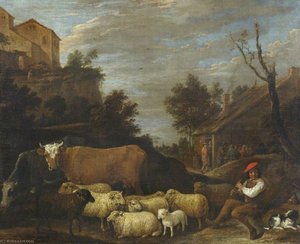
The Prodigal Son


 Vezi mai mult
Giclée / Imprimare artistică
Printuri giclée sau pe canvas de calitate muzeală, cu proces de producție rapid și opțiuni flexibile de finisare. ( Comandă pictură realizată manual Comută pe Imagine Digitală)




P118B lei10

P118H lei10

P118W lei10

P438Z lei10

P508JH lei12

P508YH lei12

P805H lei10

P805Z lei10

P919BZ lei10

P919G lei10

P919XJ lei10

P959ZH lei10

P968JZ lei12

W106C lei8

W218G lei10

W218JH lei8

W218Y lei10

W307PJ lei10

W316G lei10

W316PJ lei8

W316Y lei10

W398PJ lei8

W4111J lei10

W500HY lei15

W500JH lei15

W692G lei12

W849H lei8

W940BG lei15

W953PJ lei8




Alegeți dintre dimensiunile noastre prestabilite, care respectă proporțiile originale ale operei de artă.

Introduceți lățimea și înălțimea necesare pentru a se potrivi ramei sau peretelui dumneavoastră. O printare poate fi doar tăiată, niciodată extinsă dincolo de dimensiunea imaginii originale, astfel încât o dimensiune cu o formă diferită va pierde o parte din imagine. Vă trimitem o simulare digitală pentru aprobare înainte de a imprima orice. Imaginea afișată pe această pagină nu prezintă tăierea reală — doar simularea arată acest lucru.
Livrare în întreaga lume () în 2 săptămâni, în loc de cele 4/5 săptămâni standard. (2 Noiembrie)

Livrare expres gratuită la nivel mondial

Pânză de in de înaltă calitate

Asigurare completă pentru transport

Garanție de rambursare a taxelor vamale

Garanția fidelității culorilor

Politica de retur în 100 de zile (doar pentru defecte de fabricație)

Garanție de rambursare 100%

Ofertă pentru comenzi multiple
 Opțiunea cu sticlă este disponibilă doar pentru dimensiuni de sub 110 cm

The Prodigal Son
Giclée / Imprimare artistică
Dimensiune reproducere
-


Preț total calculat
lei 380
A Window into the Soul: David Teniers the Younger’s “The Feast of the Prodigal Son”
David Teniers the Younger's "The Feast of the Prodigal Son," painted circa 1644-1650, isn’t merely a depiction of a biblical parable; it’s a vibrant tableau brimming with human drama and profound spiritual reflection. This remarkable work, now housed within the Louvre Museum in Paris, offers a captivating glimpse into the bustling world of 17th-century Antwerp – a city renowned for its artistic innovation and mercantile prosperity. More than just a historical record, Teniers masterfully captures a moment of intense emotion, inviting viewers to contemplate themes of repentance, forgiveness, and familial love within a richly detailed and meticulously rendered scene.

A Dutch Golden Age Masterpiece: Style and Technique
Teniers’ style firmly anchors this painting within the flourishing tradition of Dutch Golden Age art. He expertly blends elements of realism with a theatrical flair, characteristic of the period. The composition is deliberately crowded, mirroring the lively atmosphere of a tavern – a common setting for depicting moral tales in Flemish art. Notice the careful attention to detail: the folds of the richly embroidered robes, the textures of the wooden furniture, and the subtle variations in skin tones all contribute to an astonishingly lifelike portrayal. The artist’s technique is characterized by smooth brushstrokes and masterful use of light and shadow, creating a sense of depth and volume that draws the viewer into the scene. The painting employs linear perspective, guiding our eye through the room and towards the central figures.
Symbolism and Narrative Depth
At its heart, “The Feast of the Prodigal Son” is an illustration of Luke 15:11-32 – a powerful parable about forgiveness and redemption. The scene depicts the younger son’s return home after squandering his inheritance on reckless living. He's now sharing a meager meal with two prostitutes, symbols of societal outcasts, highlighting his fallen state. The looming bed in the background is a potent symbol of excess and indulgence, a stark reminder of the son’s past behavior. The older brother, observing from the doorway, embodies righteous judgment and resentment – emotions that resonate deeply within the narrative. The lavish feast itself represents the father's boundless grace and willingness to welcome his wayward child back into the fold.
Historical Context: Antwerp in the 17th Century
To fully appreciate Teniers’ work, it’s crucial to understand the context of 17th-century Antwerp. The city was a major center for trade and art production, attracting artists from across Europe. Teniers benefited greatly from the patronage of wealthy merchants and nobles, as well as the influence of his father, David Teniers the Elder, a renowned painter of altarpieces and portraits. His marriage to Anna Brueghel, daughter of the celebrated Jan Bruegel the Elder, further solidified his position within the artistic community. The painting reflects the era’s fascination with genre scenes – everyday life depicted with remarkable detail and often imbued with moral lessons. It also demonstrates a shift towards more secular subjects, moving beyond purely religious commissions.
Emotional Resonance: A Timeless Tale
“The Feast of the Prodigal Son” transcends its biblical subject matter to offer a universal meditation on human nature – our capacity for both folly and redemption. The painting’s emotional intensity is palpable, capturing the joy of reunion, the sting of resentment, and the overwhelming grace of forgiveness. It's a scene that continues to resonate with viewers centuries later, reminding us of the enduring power of family bonds and the transformative potential of repentance. Whether viewed as a historical artifact or a profound work of art, Teniers’ masterpiece remains a testament to the enduring appeal of this timeless parable.
Întrebări și răspunsuri
Unde pot fi achiziționate copii pictate manual ale operei "The Prodigal Son" de David Teniers Cel Tânăr?
Puteți comanda o reproducere pictată manual a operei "The Prodigal Son" de David Teniers Cel Tânăr direct pe pagina sa de Reproducere pictată în ulei: o reproducere pictată manual în ulei pe pânză de in, realizată la comandă.
Există o fișă informativă despre "The Prodigal Son" de David Teniers Cel Tânăr pentru studenți?
O pagină de Fișă informativă este disponibilă pentru "The Prodigal Son" de David Teniers Cel Tânăr: o fișă informativă imprimabilă despre operă, concepută pentru elevi și utilizare în mediul școlar.
Culorile din "The Prodigal Son" par intense sau delicate?
Culorile din "The Prodigal Son" de David Teniers Cel Tânăr au o intensitate Monochromatic.
Biografie artist
Primii Ani și Rădăcinile Familiale
- Naștere: Anvers, atunci parte a Nederlandelor Spaniole, botezat pe 15 decembrie 1610.
- David Teniers Cel Tânăr s-a născut într-o familie profund înrădăcinată în tradiția artistică a Flandrei. Tatăl său, David Teniers cel Bătrân, era și el pictor, iar frații săi mai mici, Juliaan, Theodoor și Abraham, au devenit toți, de asemenea, pictori.
- Instruire: A studiat sub îndrumarea tatălui său începând cu anul 1626, primind astfel pregătirea fundamentală în tehnici și stiluri picturale.
- Tatăl său se confrunta frecvent cu datorii și a fost uneori închis pentru aceasta, motiv pentru care tânărul David a creat copii ale unor picturi ale maeștrilor vechi pentru a ajuta la întreținerea familiei.
- Gilda din Anvers: A devenit maestru al Gildei Sfântului Luca din Anvers în perioada 1632–16রদ্ব, ocupând funcția de decan între 1644 și 1645.
Dezvoltarea Artistică și Influențele
- Influențe timpurii: Primele sale lucrări au urmat modelul picturilor de cabinet ale tatălui său și, prin intermediul acestuia, exemplul lui Adam Elsheimer. Până la sfârșitul anilor 1630, picturile sale erau foarte apropiate de cele ale lui Adriaen Brouwer ca tematică, tehnică, culoare și compoziție.
- Cercul lui Rubens: În 1637, s-a căsătorit cu Anna Brueghel, fiica lui Jan Brueghel cel Bătrân. Peter Paul Rubens, care fusese tutorele ei după moartea tatălui său, a fost martor la nuntă, integrându-l pe Teniers în cercul liderilor pictori din Anvers.
- Specializarea pe gen: Teniers s-a specializat treptat în pictura de gen – reprezentări ale vieții cotidiene – devenind renumit pentru scenele sale vibrante de festivaluri țărănești (kermesses), interioare de taverne și peisaje de sat.
Lucrări Majore și Stil Artistic
- Scene de Gen: Cele mai celebrate opere ale sale sunt picturile de gen. Acestea înfățișează adesea scene agitate din viața țărănească, pline de veselie, dans, băutură și jocuri.
- Picturile Kermess: Sărbătorile sătești, precum Kermessul Flandrez, exemplifică stilul său – culori vibrante, compoziții detaliate și o observație aguzată a comportamentului uman.
- Interioare de Taverne: Scenele sale de taverne sunt remarcabile în special prin portretizarea realistă a vieții de zi cu zi și prin atmosfera plină de viață din aceste locuri.
- Dincolo de Sat: A pictat, de asemenea, peisaje, scene de cameră de gardă, alchimiști și medici în lucru, precum și singeries ingenioase, în care maimuțele mimează afacerile oamenilor. l Picturi de Galerie: Vederea sa asupra galeriei de tablouri a Arhiduciului, cu pereți aglomerați de capodopere recognoscibile, l-a transformat într-o figură de prim plan în acest gen distinctiv flamand.
Pictor de Curte și Curator
- Serviciul pentru Arhiducii Leopold Wilhelm: În jurul anului 1650, Teniers s-a mutat la Bruxelles pentru a servi Arhiducele Leopold Wilhelm, Guvernatorul Nederlandelor Spaniole, în calitate de pictor de curte și păstrător al colecției sale de artă.
- Gestionarea Colecției: El l-a ajutat pe Arhduc să achiziționeze capodopere, inclusiv picturi din colecția regală britanică dispersată și colecția Hamilton. Colecția a crescut până la aproximativ 1.300 de lucrări și a format ulterior baza muzeului Kunsthistorisches din Viena.
- Theatrum Pictorium: Publicat la Bruxelles în 1660, acesta reproducea prin gravuri 246 de picturi italiene din colecția Arhducului – primul catalog ilustrat al unei colecții de maeștri vechi.
- Discipoli: Se crede că Gillis van Tilborgh a învățat sub îndrumarea sa la Bruxelles și a ocupat ulterior același post de păstrător al colecției de curte.
- Ulterior: După moartea Annei, s-a căsătorit cu Isabella de Fren în 1656. A cerut regelui Spaniei un titlu de nobilitate, dar a renunțat când i s-a spus că va trebui să înceteze vânzarea picturilor sale.
- Academia din Anvers: Teniers a fost forța motrice din spatele înființării Academiei de Arte Frumoase din Anvers, obținând atașamentul regal în 1663, cu scopul de a revitaliza pictura flamandă după moartea lui Rubens și Van Dyck.
Semnificația Istorică și Moștenirea
- Lider al Picturii de Gen: David Teniers Cel Tânăr este considerat cel mai important pictor de gen flamand al timpului său, capturând esența vieții secolului al XVII-lea cu o îndemânare remarcabilă.
- Influența asupra Viitorilor Artiști: Opera sa a influențat generațiile ulterioare de pictori din Europa de Nord și a impactat chiar artiștii rococo francezi, precum Antoine Watteau.
- Productivitate Remarcabilă: Teniers a fost un artist incredibil de prolific, producând o cantitate vastă de lucrări care continuă să fie admirate pentru farmecul, detaliul și perspectiva lor istorică.
- Moarte: A murit la Bruxelles pe 25 aprilie 1690, lăsând în urmă o moștenire durabilă ca unul dintre cei mai importanți pictori baroci din Flandra.
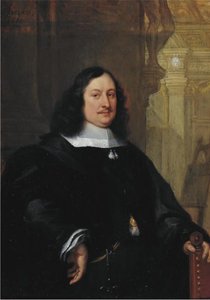
David Teniers Cel Tânăr
1610 - 1690 , Belgia
Detalii rapide
- Date Of Birth: 1610
- Date Of Death: 1690
- Place Of Birth: Antwerp, Belgia
- Place Of Death: Bruxelles, Belgia
- Birth Date: 1610
- Birth Place: Antwerp, Belgia
- Death Date: 1690
- Influenced By: Adriaen Brouwer, Adam Elsheimer, Peter Paul Rubens
- Movement: Baroc
- Name: David Teniers Cel Tânăr
- Nationality: flamand
- Notable Works:
- Doi bețivani
- Scenă de sat
- Scenă de bucătărie
- Kermess flamand
Articole similare
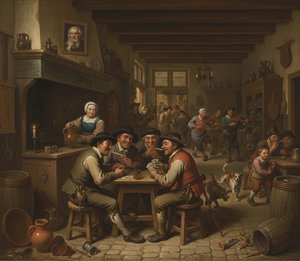
David Teniers II: Master of Flemish Genre & Social Commentary
Explore the captivating world of David Teniers II, a leading Flemish Baroque painter renowned for his lively genre scenes & insightful social commentary. Discover his masterpieces and legacy with OriginalUniqueArt.

The Dramatic Flourish: Exploring the Baroque Movement's Enduring Legacy in Art History
Explore the dramatic world of Baroque art! Discover iconic artists like Caravaggio & Rubens, defining techniques, and its lasting impact on art history. Expert insights for collectors & enthusiasts at OriginalUniqueArt.

Mastering Drama and Light: A Definitive Guide to the Flemish Baroque Art Movement
Explore the dramatic brilliance of the Flemish Baroque movement. Discover how masters like Peter Paul Rubens utilized chiaroscuro and dynamic composition to redefine art history through light, shadow, and unparalleled emotion.

Drama Barocă: Cum să Aduceți Splendoare și Emoție în Interioarele Contemporane
Descoperiți cum să integrați splendoarea stilului baroc în locuința dumneavoastră! Ghid complet cu elemente de design, culori și inspirație pentru interioare luxoase și pline de emoție.
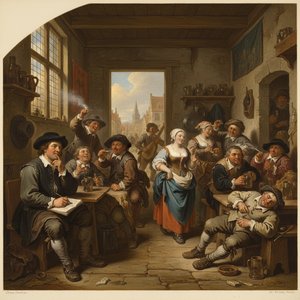
David Teniers the Younger: Genre Painting & Social Commentary in Baroque Flanders
Explore the captivating world of David Teniers the Younger, a leading Flemish Baroque painter. Discover his genre scenes, social commentary, and lasting influence on 17th-century art. Learn about his life, techniques & legacy.