
 Vezi în context
 Trimite
 Distribuie
 Detalii
 Ghidul

 Descarcă
 Produse similare
 Radiografie
 Diaporama
 Statistici
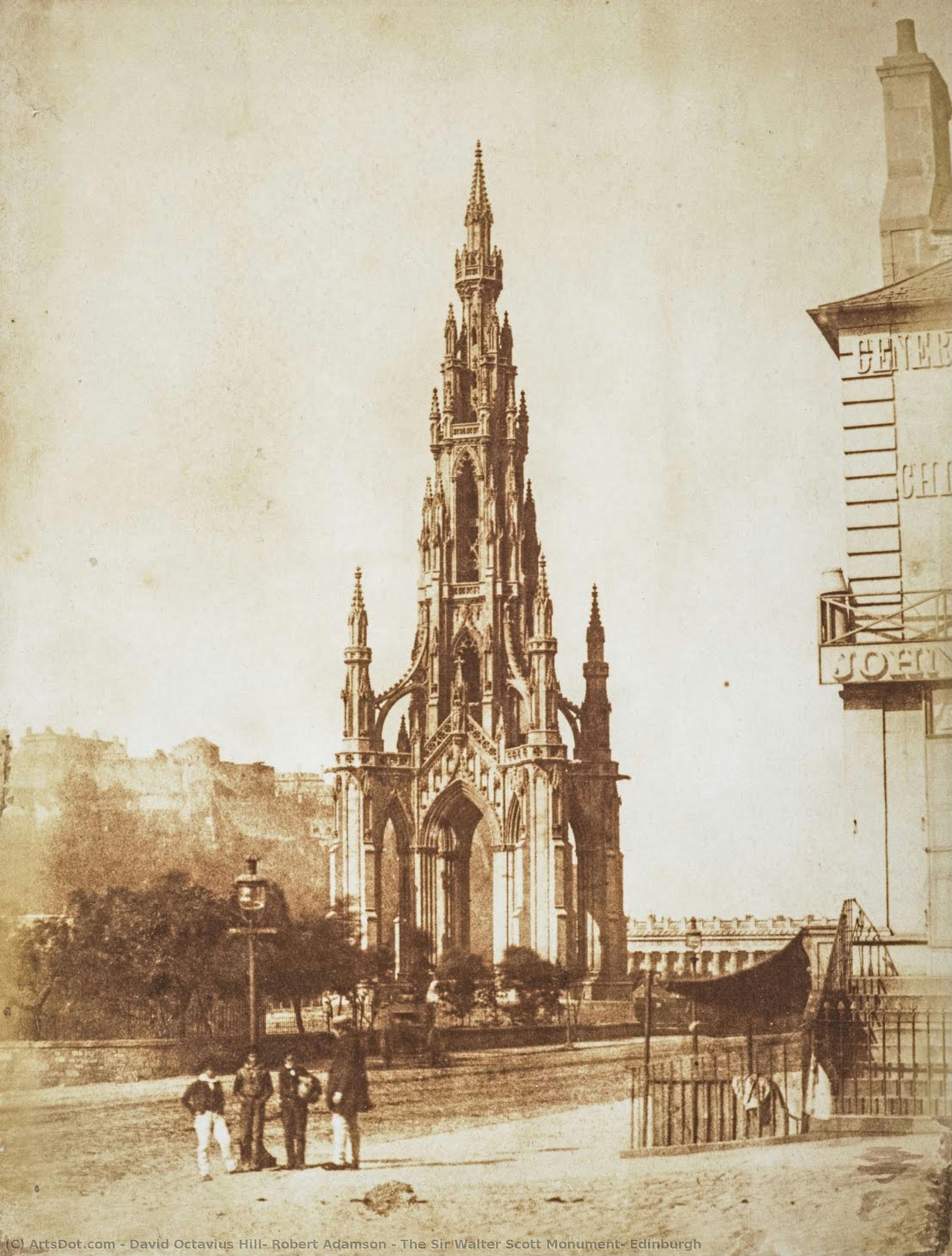
The Sir Walter Scott Monument, Edinburgh


 Citește mai mult
Achiziționați o imagine digitală de înaltă rezoluție, îmbunătățită, mult superioară previzualizării online.
Fiecare fișier este pregătit cu meticulozitate de specialiștii noștri interni, utilizând instrumente avansate și retușare manuală expertă. Ne asigurăm că fiecare imagine beneficiază de o claritate excepțională, o acuratețe precisă a culorilor și detalii fine.
Fișierul final este livrat prin e-mail în termen de 72 de ore, optimizat pentru utilizare imediată în medii profesionale, editoriale și de imprimare. Aceasta este aceeași calitate în care au încredere studiouri de design, edituri și galerii de top.
Imagine Digitală
Descărcați un fișier la rezoluție înaltă pentru afișare personală, imprimare și proiecte creative. ( Comută pe versiunea Print Comandă pictură realizată manual)
Inclus în fiecare comandă de imagini digitale
Livrare digitală de expertiză, garantată
Când alegeți OriginalUniqueArt.com, nu primiți doar o simplă imagine – primiți o operă de artă digitală îmbunătățită profesional, creată cu precizie și susținută de o garanție de satisfacție. Iată tot ceea ce primești odată cu comanda ta, în mod automat:

Livrare rapidă prin e-mail
Fișierul imaginii digitale la rezoluție înaltă vă va fi trimis prin e-mail în termen de 72 de ore de la finalizarea comenzii – gata pentru utilizare imediată.

Fișier digital optimizat prin IA
Opera ta de artă este optimizată profesional prin intermediul unor instrumente AI avansate și al editării manuale, asigurând un nivel maxim de detalii, claritate și acuratețe a culorilor.

Retransmitere gratuită pe viață
Ai șters sau ai pierdut din greșeală fișierul? Nu îți face griji – ți-l vom retrimite oricând, gratuit.

Fără taxe de import – Întotdeauna
Bucură-te instant de noua ta operă de artă, fără taxe vamale, taxe de import sau costuri de livrare – descărcările digitale sunt întotdeauna fără taxe.

Garanția fidelității culorilor
Asigurăm o reflectare cât mai fidelă a culorilor originale în imaginea ta digitală, prin utilizarea unor instrumente profesionale și a proceselor de gestionare a culorii.

Garanție de satisfacție de 100 de zile
Dacă nu sunteți mulțumit de imaginea digitală achiziționată, o vom revizui sau vă vom returna 100% în termen de 100 de zile – fără nicio întrebare.

Garanție de returnare 100% a banilor
Nu ești mulțumit? Primești rambursarea integrală în termen de 100 de zile de la primirea fișierului digital – fără nicio întrebare.

Reduceri pentru comenzi în volum
Cumpără 3 imagini, economisește 10% - Cumpără 5, economisește 15% - Cumpără 10+, economisește 20%. Ideal pentru proiecte creative, galerii și agenții.
The Majesty of Stone and Shadow: Hill & Adamson’s “Edinburgh. The Scott Monument”
David Octavius Hill and Robert Adamson's "Edinburgh. The Scott Monument," captured in 1845, isn’t merely a photograph; it’s a meticulously crafted tableau vivant, a frozen moment of ambition and civic pride rendered with the nascent magic of early photography. This remarkable image, now housed within the Metropolitan Museum of Art, offers a captivating glimpse into a pivotal era of artistic experimentation and Scottish identity. The scene unfolds against the imposing silhouette of Walter Scott's monument under construction – a towering testament to the celebrated author’s legacy – set against the dramatic backdrop of Edinburgh’s skyline. The photograph isn’t simply documenting progress; it’s imbued with a palpable sense of anticipation, as if capturing the very breath held by those witnessing this grand undertaking.
Hill and Adamson's collaboration was a truly unique partnership, blending Hill’s artistic eye – honed through years of landscape painting – with Adamson’s scientific precision in mastering the calotype process. This technique, allowing for multiple prints from a single negative, demanded an acute understanding of light and shadow, a skill brilliantly demonstrated here. The image is dominated by a cool, almost melancholic palette; the grey stone of the monument contrasts sharply with the muted blues and greys of the sky, creating a sense of depth and solidity. The figures in the foreground – workmen, onlookers, and even a few elegantly dressed gentlemen – are rendered with remarkable sensitivity, their postures and expressions hinting at the diverse reactions to this monumental project.
A Window into Victorian Edinburgh
To fully appreciate “Edinburgh. The Scott Monument,” one must understand the context of 1845. Victorian Scotland was a nation grappling with industrialization, social change, and a fervent desire to celebrate its literary heritage. Walter Scott’s works had profoundly shaped the national identity, and his monument represented a bold statement of cultural significance. Hill & Adamson's photograph serves as both a record of this construction and a reflection of Edinburgh’s vibrant urban life. The inclusion of everyday people amidst the grand scale of the monument highlights the shared experience of witnessing this historical event – a microcosm of society observing an act of civic grandeur.
The composition itself is masterful, employing a carefully considered perspective to draw the viewer into the scene. Hill’s artistic training shines through in the subtle use of leading lines and atmospheric effects. The photograph isn't simply a snapshot; it’s a deliberate arrangement designed to evoke emotion and convey a specific narrative. Notice how the monument dominates the frame, asserting its presence while simultaneously inviting contemplation. The placement of the figures creates a sense of movement and dynamism, suggesting that this is not a static image but rather a fleeting moment captured in time.
The Alchemy of Light and Shadow
Technically, “Edinburgh. The Scott Monument” represents a significant achievement for Hill & Adamson – and indeed, for early photography as a whole. They were pioneers in utilizing the calotype process to create images with remarkable detail and tonal range. The subtle gradations of grey, achieved through careful manipulation of light and exposure, are particularly noteworthy. This masterful control over light is what gives the photograph its depth and atmosphere – it’s not just a representation of the scene; it's an *interpretation* of it.
The image’s enduring appeal lies in its ability to transport us back to 1845, allowing us to experience the sights, sounds, and emotions of Victorian Edinburgh. It is a testament to the artistic vision of Hill & Adamson, their technical skill, and their remarkable sensitivity to human subjects and the beauty of the natural world. Reproductions of this iconic photograph offer a tangible connection to a bygone era, inviting viewers to contemplate the legacy of Walter Scott and the enduring power of photography as an art form.
Symbolism and Emotional Resonance
Beyond its technical brilliance, “Edinburgh. The Scott Monument” is rich in symbolism. The monument itself represents ambition, national pride, and a desire to immortalize a literary giant. The figures surrounding it embody the diverse elements of Edinburgh society – from the laborers building the structure to the wealthy patrons observing the progress. The photograph captures not just a physical construction but also a cultural moment, reflecting the aspirations and values of Victorian Scotland.
The overall mood is one of quiet contemplation and restrained excitement. There’s a sense of history in the making, a feeling that this monumental project will forever alter the landscape of Edinburgh. The photograph evokes a powerful emotional response – a mixture of awe, admiration, and perhaps even a touch of melancholy, as we recognize the fleeting nature of time and the enduring power of memory. It's a poignant reminder of the beauty and complexity of human experience, captured with remarkable skill and sensitivity by two extraordinary artists.
Biografie artist
A Pioneering Vision: The Collaborative World of Hill & Adamson
The story of David Octavius Hill and Robert Adamson is a remarkable chapter in the nascent history of photography, a testament to artistic vision blossoming within the constraints of early technological innovation. Active for a mere four years – from 1843 to 1847 – this Scottish partnership nonetheless laid foundational stones for photographic art, producing a body of work that resonates with both technical ingenuity and profound human sensitivity. Their collaboration wasn’t simply about documenting reality; it was about *interpreting* it, imbuing the newly accessible medium with an artistic sensibility previously reserved for painting. Hill, already an established painter and secretary to the Royal Scottish Academy, brought a compositional eye honed by years of landscape and portraiture. Adamson, a young chemist with a scientific precision, mastered the intricacies of the calotype process, allowing their combined talents to flourish in Edinburgh’s burgeoning artistic climate.From Disruption to Discovery: The Genesis of a Partnership
The catalyst for this extraordinary collaboration was, perhaps surprisingly, religious upheaval. In 1843, Scotland witnessed the dramatic Disruption of the Church of Scotland, as ministers protested against state interference in ecclesiastical affairs. Hill, deeply moved by the event, embarked on an ambitious project: a monumental painting depicting the signing of the Deed of Demission – the document outlining the ministers’ secession. Faced with the daunting task of accurately portraying hundreds of individuals, he sought a solution that transcended traditional sketching methods. It was Sir David Brewster who suggested employing the recently invented calotype process, and introduced Hill to Robert Adamson. Initially skeptical, Hill quickly recognized the potential of photography not merely as a tool for replication, but as an art form in its own right. Adamson’s technical expertise, coupled with Hill's artistic direction, proved a potent combination. Their studio at Rock House became a hub of activity, attracting a diverse array of sitters – from prominent figures within the Free Church to everyday laborers and fishermen.Calotypes and Character: A Rembrandt-esque Approach
Hill & Adamson’s calotypes are distinguished by their remarkable quality, often described as possessing a “Rembrandt-esque” luminosity. This wasn't accidental. Hill, with his painterly background, carefully orchestrated each composition, utilizing dramatic lighting and evocative props to create images that were far more than simple likenesses. He understood the power of chiaroscuro – the interplay of light and shadow – to reveal character and emotion. Their portraits weren’t static representations; they captured fleeting moments of personality, a sense of inner life. The *Newhaven Fishwives*, for example, is not merely a documentation of working-class women; it's a poignant portrayal of resilience, dignity, and the hardships of their existence. Similarly, their portrait of Patrick Byrne playing the harp exudes an atmosphere of contemplative artistry. This ability to infuse their calotypes with psychological depth set them apart from other early photographers, establishing a new standard for photographic portraiture.A Legacy Forged in Light: Influence and Enduring Significance
The untimely death of Robert Adamson in 1848 brought the partnership to an abrupt end. Hill continued to work with photography, but the magic of their collaboration was irreplaceable. Despite its brevity, the impact of Hill & Adamson’s work was profound. They demonstrated that photography could be a vehicle for artistic expression, challenging prevailing notions about the medium's capabilities. Their calotypes influenced generations of photographers, inspiring them to explore the aesthetic possibilities of light, composition, and subject matter. Today, their images are held in esteemed collections worldwide, including the Scottish National Gallery and the Metropolitan Museum of Art, serving as a powerful reminder of their pioneering spirit and enduring artistic legacy. They weren’t simply documenting a moment in time; they were *creating* art with it, forever altering the course of photographic history. Their work remains a testament to the power of collaboration and the transformative potential of embracing new technologies within an established artistic framework.Exploring Their World
- Scottish National Gallery: Discover a comprehensive collection of Hill & Adamson’s calotypes, showcasing their mastery of portraiture and landscape photography.
- The Metropolitan Museum of Art: Explore essays and analyses that delve into the historical context and artistic significance of their work.
- Wikipedia: Gain a broader understanding of Hill & Adamson’s lives, techniques, and lasting impact on the world of photography.

David Octavius Hill & Robert Adamson
1802 - 1848