

 Previzualizare
 Trimite prin felicitare
 Distribuie
 Detalii despre lucrare
 Ghid
Ghid

 Descarcă imaginea
 Produse similare
 Radiografie
 Galerie foto
 Statistici
Sketch for unknown play
 Modernism
 1929
1929- Modern
 24.0 x 18.0 cm
 Art Palace of Georgia - Muzeul Istoriei Culturale
 Vezi mai mult
Giclée / Imprimare artistică
Printuri giclée sau pe canvas de calitate muzeală, cu proces de producție rapid și opțiuni flexibile de finisare. ( Comandă pictură realizată manual Comută pe Imagine Digitală)




P118B lei10

P118H lei10

P118W lei10

P438Z lei10

P508JH lei12

P508YH lei12

P805H lei10

P805Z lei10

P919BZ lei10

P919G lei10

P919XJ lei10

P959ZH lei10

P968JZ lei12

W106C lei8

W218G lei10

W218JH lei8

W218Y lei10

W307PJ lei10

W316G lei10

W316PJ lei8

W316Y lei10

W398PJ lei8

W4111J lei10

W500HY lei15

W500JH lei15

W692G lei12

W849H lei8

W940BG lei15

W953PJ lei8




Alegeți dintre dimensiunile noastre prestabilite, care respectă proporțiile originale ale operei de artă.

Introduceți lățimea și înălțimea necesare pentru a se potrivi ramei sau peretelui dumneavoastră. O printare poate fi doar tăiată, niciodată extinsă dincolo de dimensiunea imaginii originale, astfel încât o dimensiune cu o formă diferită va pierde o parte din imagine. Vă trimitem o simulare digitală pentru aprobare înainte de a imprima orice. Imaginea afișată pe această pagină nu prezintă tăierea reală — doar simularea arată acest lucru.
Livrare în întreaga lume () în 2 săptămâni, în loc de cele 4/5 săptămâni standard. (27 Octombrie)

Livrare expres gratuită la nivel mondial

Pânză de in de înaltă calitate

Asigurare completă pentru transport

Garanție de rambursare a taxelor vamale

Garanția fidelității culorilor

Politica de retur în 100 de zile (doar pentru defecte de fabricație)

Garanție de rambursare 100%

Ofertă pentru comenzi multiple
 Opțiunea cu sticlă este disponibilă doar pentru dimensiuni de sub 110 cm

Sketch for unknown play
Giclée / Imprimare artistică
Dimensiune reproducere
-


Preț total calculat
lei 371
A Moment Frozen in the Avant-Garde Spotlight
In the intimate dimensions of this 1929 sketch, we find ourselves transported to the threshold of a theatrical performance, caught in a singular moment of dramatic tension. David Kakabadze, a titan of Georgian Modernism, presents us with a scene that feels less like a static image and more like a captured breath. At the heart of the composition stands a figure in striking uniform, draped in a vibrant red jacket accented by crisp white trim, topped with a commanding blue hat. This central protagonist, positioned with a poised yet grounded stance, commands the stage, while the presence of peripheral figures—shadowy observers tucked into the edges of the frame—creates a sense of depth and voyeuristic intrigue. The composition is not merely a depiction of a character, but an exploration of space, light, and the very essence of theatricality.
The technique employed in this work reflects Kakabadze’s profound mastery over the graphic arts and his background as a scenic designer. There is a rhythmic quality to the brushwork that suggests movement even within the stillness of the sketch. The interplay between the bold, primary colors of the uniform and the more muted, atmospheric tones of the background creates a visual hierarchy that draws the eye unerringly toward the central figure. As a polymath who understood the mechanics of the stage, Kakabadze uses the canvas to manipulate perspective, making the viewer feel as though they are sitting in the front row of an experimental theater, witnessing the birth of a narrative through color and form.
The Intersection of Tradition and Modernity
To understand this piece is to understand the spirit of 1929, a period where the boundaries of art were being radically redefined. Kakabadze, having studied natural sciences and been immersed in the European avant-garde, possessed a unique ability to infuse his work with both structural precision and emotional fluidity. This sketch for an unknown play serves as a testament to his role as a pioneer; it carries the experimental energy of the era while maintaining a connection to the storytelling traditions of his Georgian heritage. The subtle inclusion of writing or markings in the background hints at the conceptual nature of the piece—it is a blueprint for a dream, a visual rehearsal for a drama that exists only in the imagination of the viewer.
For the discerning collector or interior designer, this artwork offers more than just aesthetic beauty; it provides a sophisticated focal point that invites conversation. The piece possesses a rare emotional resonance, evoking feelings of nostalgia, curiosity, and the quiet thrill of the unknown. Whether placed in a contemporary gallery setting or integrated into a classic study, its bold color palette and historical weight lend an air of intellectual depth to any space. Owning a reproduction of such a significant modernist work is an opportunity to preserve a fragment of art history—a piece that celebrates the enduring power of the theatrical imagination and the brilliant, multifaceted legacy of David Kakabadze.
Întrebări și răspunsuri
Unde pot găsi un ghid pentru "Sketch for unknown play"?
O pagină de Fișă informativă este disponibilă pentru "Sketch for unknown play" de David Kakabadze: o fișă informativă imprimabilă despre operă, concepută pentru elevi și utilizare în mediul școlar.
În ce an și în cadrul cărui curent artistic a fost creată „Sketch for unknown play”?
„Sketch for unknown play” a fost creat în 1929, făcând parte din mișcarea Modernism.
Din ce țară provine lucrarea de Modernism „Sketch for unknown play”?
Lucrarea de Modernism „Sketch for unknown play” a fost creată de un artist născut în Georgia.
Biografie artist
A Pioneer of Georgian Modernism: The Life and Art of David Kakabadze
David Kakabadze, born in the village of Kukhi near Khoni, Georgia, in 1889, stands as a pivotal figure in the development of twentieth-century Georgian art. His career was one of remarkable innovation, seamlessly blending the burgeoning currents of European avant-garde movements with a deep reverence for his native Georgian traditions. Kakabadze wasn’t merely an artist; he was a polymath – a painter, graphic artist, scenic designer, art scholar, cinematic innovator, and even an amateur photographer. This multifaceted approach to creativity defined his artistic journey and cemented his legacy as one of Georgia's most important modernist masters. His early life, though rooted in the simplicity of a peasant family, was marked by intellectual curiosity fostered through sponsorship that allowed him to pursue studies at St. Petersburg University, graduating with a degree in natural sciences in 1916. Simultaneously, he honed his artistic skills under Dmitroyev-Kavkazsky and immersed himself in the study of Georgia’s rich artistic heritage. This dual education – scientific rigor combined with artistic sensitivity – would become a hallmark of his work.Parisian Encounters and Artistic Transformation
Following a brief period teaching and painting in Tbilisi, Kakabadze embarked on a transformative chapter of his life in Paris from 1919 to 1927. This sojourn placed him at the epicenter of the European avant-garde, exposing him to Cubism, Futurism, and other radical artistic experiments. He actively participated in exhibitions with the Société des Artistes Indépendants, forging connections with fellow Georgian artists Lado Gudiashvili and Shalva Kikodze. It was during this period that Kakabadze’s style underwent a dramatic evolution. Initially captivated by the landscapes of his native Imereti province – particularly the ethereal beauty of misty mountains bathed in sunlight – he began to explore “subjectless painting,” experimenting with unconventional materials like metal, mirror glass, and stained glass in place of traditional paints. This exploration wasn't merely about technical innovation; it was a quest to redefine the very essence of pictorial representation. He delved deeply into Cubism, absorbing its fragmented forms and analytical approach, yet always maintaining a distinct artistic voice that prevented his work from becoming mere imitation. His theoretical writings during this time, published in Parisian art journals, demonstrate a profound engagement with the intellectual underpinnings of modern art, establishing him as a thought leader within the modernist community. He meticulously dissected visual perception, questioning established conventions and advocating for new ways of perceiving and interpreting reality – principles that would inform his subsequent artistic endeavors.Innovation Beyond the Canvas: Cinema and Stage Design
Kakabadze’s inventive spirit extended far beyond painting. Recognizing the potential of new technologies, he began experimenting with cinema in the early 1920s, driven by a desire to overcome what he perceived as film's inherent limitations. He envisioned a cinematic experience that transcended conventional viewing, aiming for an immersive illusion akin to theatrical spectacle. This visionary ambition culminated in the invention of a stereoscopic film projector – a groundbreaking achievement of engineering and artistic ingenuity – that created the illusion of three-dimensionality without the need for glasses. This remarkable feat positioned him as a pioneer of 3D cinema decades before it became commonplace, demonstrating his unwavering commitment to pushing the boundaries of artistic expression. Furthermore, Kakabadze’s theatrical pursuits were equally ambitious. Collaborating with Kote Marjanishvili, he conceived and executed stage designs that revolutionized Georgian theatre, incorporating innovative techniques like projections, light effects, and collage-like constructions – transforming the auditorium into a dynamic environment where space and illusion intertwined seamlessly. His productions for films by Noutsa Gogoberidze and Michail Kalatosov showcased his mastery of cinematic artistry alongside his theatrical vision.Return to Georgia and Enduring Legacy
Kakabadze’s return to Georgia in 1927 coincided with the rise of Soviet power and the imposition of Socialist Realism as the dominant artistic style. This presented a formidable challenge for an artist whose aesthetic sensibilities were firmly rooted in abstraction and experimentation – principles antithetical to the ideological imperatives of the era. Despite facing pressure from official authorities, Kakabadze steadfastly defended his artistic convictions, refusing to compromise on his vision. He continued to contribute to Georgian art through scenic design, documentary filmmaking focused on preserving cultural heritage, and teaching at Tbilisi State Academy of Arts, maintaining a dialogue between tradition and innovation. His later landscapes retained a distinctive aesthetic – imbued with the memory of Imereti’s misty mountains – reflecting both his formative influences and his enduring artistic spirit. David Kakabadze passed away in 1952, leaving behind a body of work that was largely overlooked for decades. However, in recent years, there has been a resurgence of interest in Kakabadze's oeuvre, recognizing him as one of Georgia’s most significant modernist masters and celebrating his pioneering contributions to both visual arts and cinematic technology. His legacy continues to inspire artists today, ensuring his enduring place within the annals of Georgian art history.Notable Works
Among Kakabadze’s celebrated paintings are Sailboats (1923), depicting serene Imeretian waters under a hazy sky; Bretagne (1924), capturing the rugged coastline of Brittany with meticulous detail; and Sketch for Getting Various Grades of Light in a Single Electric Bulb (1925), an experimental exploration of luminescence that foreshadowed developments in photographic lighting. His films include *The Tale of Tsar Giorgi Lazarevich* (1930) and *The Legend of Saint Nino* (1934). Collections featuring Kakabadze’s artwork can be found at Yale University, the Art Palace of Georgia – Museum of Cultural History in Tbilisi, Lisbon's Berardo Collection Museum, and Madrid’s Thyssen-Bornemisza Museum.
David Kakabadze
1889 - 1952 , Georgia
Detalii rapide
- Artistic Movement Or Style: Avant-garde, Cubism
- Artists Or Movements Influenced By This Artist: ['Numerous artists']
- Date Of Birth: August 20, 1889
- Date Of Death: 1952
- Full Name: David Kakabadze
- Nationality: Georgian
- Notable Artworks:
- Sailboats
- Bretagne
- Sketch for Getting Various Grades of Light in a Single Electric Bulb
- Place Of Birth: Kutaisi, Georgia
Articole similare

Premium Ready-to-Hang Wall Art: Express Delivery for High-End Home Staging in Under 3 Weeks
Elevate your home staging with premium, hand-painted art reproductions from OriginalUniqueArt. Achieve luxury transformations in under 3 weeks with our express delivery service. Perfect for freelance decorators seeking museum-quality, ready-to-hang masterpieces that drive property value.

Crimson Threads of Narrative: Exploring Symbolism & Representation in Artworks Featuring the Red Dress
Explore the rich symbolism of the red dress in art history! From ancient power displays to iconic portraits like Cézanne’s 'Madame Cezanne', discover the cultural and artistic significance behind this captivating color. Expert analysis & insights.

Mark Rothko: Cele Mai Iconice 25 De Capodopere – Artă Abstractă pentru Decor Rafinat
Descoperă cele mai iconice 25 de picturi abstracte ale lui Mark Rothko! Explorează istoria, culorile și emoțiile din spatele fiecărei capodopere. Reproduceri artă de calitate muzeală & inspirație decor pe OriginalUniqueArt.com.
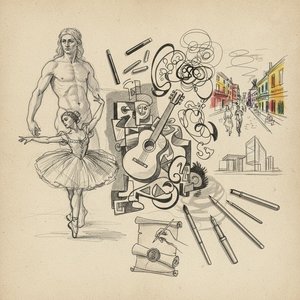
The Eloquent Line: Exploring the Artistic Significance of Sketches Across Movements and Media
Explore the profound artistic significance of sketches throughout history. From Renaissance masters to modern innovators like Van Gogh & Guston, discover how these foundational works reveal technique, emotion, and vision. Learn more at OriginalUniqueArt.
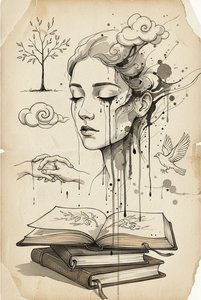
Ephemeral Lines: Exploring Emotional Resonance in Ink Sketching Traditions
Explore the profound art of ink sketching! Discover techniques to express emotion, master line work, and cultivate artistic sensitivity. Learn from historical masters & unlock your creative potential.
