

 Vezi în context
 Trimite
 Distribuie
 Detalii
 Ghidul

 Descarcă
 Produse similare
 Radiografie
 Diaporama
 Statistici
The third love painting


 Citește mai mult
Lucrarea de artă afișată pe această pagină este protejată de legile privind drepturile de autor, ceea ce înseamnă că nu putem crea sau vinde în mod legal o reproducere identică. Această protecție este garantată prin acorduri internaționale, precum Convenția de la Berna și de legile naționale, inclusiv cele prevăzute de Legea dreptului de autor din S.U.A. – Titlul 17. Toate drepturile rezervate. Orice reproducere neautorizată este interzisă.
Această metodă respectă pe deplin reglementările privind drepturile de autor, deoarece nu implică copierea sau duplicarea operei protejate. În schimb, este o reinterpretare creativă – o pictură nouă, influențată de original, dar care nu este identică cu acesta.
Giclée / Imprimare artistică
Printuri giclée sau pe canvas de calitate muzeală, cu proces de producție rapid și opțiuni flexibile de finisare. ( Comandă pictură realizată manual Treci la imagine digitală)




P118B lei10

P118H lei10

P118W lei10

P438Z lei10

P508JH lei12

P508YH lei12

P805H lei10

P805Z lei10

P919BZ lei10

P919G lei10

P919XJ lei10

P959ZH lei10

P968JZ lei12

W106C lei8

W218G lei10

W218JH lei8

W218Y lei10

W307PJ lei10

W316G lei10

W316PJ lei8

W316Y lei10

W398PJ lei8

W4111J lei10

W500HY lei15

W500JH lei15

W692G lei12

W849H lei8

W940BG lei15

W953PJ lei8




Alegeți dintre dimensiunile noastre prestabilite, care respectă proporțiile originale ale operei de artă.

Puteți introduce propriile dimensiuni pentru a se potrivi unui anumit cadru sau spațiu. Dacă dimensiunea selectată nu corespunde proporțiilor imaginii originale, vom decupa lucrarea de artă sau vom extinde imaginea cu margini oglindite sau cu o culoare uniformă. Un mockup digital va fi trimis pentru aprobarea dumneavoastră înainte de începerea producției.
Vă rugăm să rețineți că previzualizarea de pe ecran nu reflectă decuparea sau extinderea reală. Doar mockup-ul va arăta cu exactitate compoziția finală.
Deși dimensiunile personalizate sunt disponibile, vă recomandăm să selectați o dimensiune din lista predefinită pentru a păstra proporțiile originale.
Livrare în întreaga lume () în 2 săptămâni, în loc de cele 4/5 săptămâni standard. (10 Octombrie)

Livrare expres gratuită la nivel mondial

Pânză de in premium

Asigurare completă pentru transport

Garanție de rambursare a taxelor vamale

Garanția fidelității culorilor

Politica de retur în 100 de zile (doar pentru defecte)

Garanție de rambursare 100%

Reducere pentru comenzi multiple
 Opțiunea cu sticlă este disponibilă doar pentru dimensiuni de sub 110 cm

The third love painting
Giclée / Imprimare artistică
Dimensiune reproducere
-


Preț total
lei 362
A Poignant Encounter with Impermanence
In the quietude of David Hockney’s “The Third Love,” we find ourselves standing before a composition that is as much a psychological landscape as it is a visual one. At first glance, the viewer is met with a striking, almost jarring simplicity: a solitary wooden chair, its seat a vibrant splash of red, bearing the stark, handwritten command “must go.” This single phrase transforms the object from a mere piece of furniture into a profound vessel for existential reflection. The painting does not merely depict a chair; it captures a moment of transition, an intersection between presence and departure, where the weight of memory meets the inevitability of change.
The emotional resonance of the work lies in its ability to evoke a sense of bittersweet nostalgia. There is a stillness here that feels heavy with the passage of time, inviting the observer to contemplate their own attachments and the transient nature of life. For the collector or the designer, this piece offers more than just aesthetic beauty; it provides a conversational anchor, a way to introduce themes of mindfulness and deep introspection into a living space.
The Mastery of Hockney’s Visual Language
To understand the power of “The Third Love,” one must look closely at Hockney’s signature approach to form and color. Eschewing the rigid constraints of photographic realism, Hockney employs a style that prioritizes atmosphere and feeling over literal accuracy. Influenced by the structural innovations of Cézanne and the bold contours of Picasso, his technique here utilizes flattened perspectives and a luminous palette to create a sense of depth that is felt rather than measured. The texture of the wood grain is rendered with meticulous care, yet it exists within a space where light and color take precedence over shadow.
The artist’s use of color is particularly masterful in this period of his career. The interplay between the muted, earthy tones of the background—reminiscent of the rolling Yorkshire hills—and the sudden, defiant brightness of the red seat creates a visual tension that keeps the eye moving. This deliberate rejection of illusionistic depth allows the subject to emerge with a graphic clarity, making the "must go" inscription feel like an inescapable truth etched into the very fabric of the scene.
A Legacy of Observation and Context
Created during a prolific era between 1968 and 1970, this work serves as a vital window into Hockney’s evolving relationship with his surroundings. During this time, the artist was deeply engaged in documenting the landscapes of Yorkshire, finding inspiration in the subtle shifts of light and the organic geometry of the English countryside. In “The Third Love,” we see the seeds of his transition from figuration toward a more nuanced abstraction. The background, though understated, carries the DNA of that landscape, grounding the surrealist element of the text within a recognizable, naturalistic world.
For those seeking to adorn a curated collection or an avant-garde interior, this painting represents a pinnacle of 20th-century British art. It is a piece that bridges the gap between Pop Art sensibilities and deep, emotive expressionism. Owning a reproduction of such a significant work allows one to bring a piece of art history into the modern home—a constant, quiet reminder of the beauty found in the fleeting moments of our lives.
Întrebări și răspunsuri
„The third love painting” este disponibil(ă) sub formă de print de fine art?
Pentru a achiziționa o printă a lucrării "The third love painting" de David Hockney, trebuie doar să o comandați pe această pagină: o printă de fine art pe canvas din bumbac sau pe hârtie canvas arhivistică.
Cum poate fi integrată "The third love painting" de David Hockney în decorul casei?
Utilizarea (Statement) și spațiul (Living Room) sunt cele două recomandări menționate pentru "The third love painting" de David Hockney.
Ce emoție transmite opera de Contemporary Minimalism „The third love painting”?
"The third love painting" transmite o Nostalgic notă emoțională în cadrul mișcării Contemporary Minimalism.
Care este utilizarea recomandată pentru o printă a lucrării "The third love painting"?
Utilizarea recomandată pentru o printă a lucrării "The third love painting" este Statement.
Unde pot cumpăra o reproducere pictată manual a operei "The third love painting" de David Hockney?
Puteți comanda o reproducere pictată manual a operei "The third love painting" de David Hockney direct pe această pagină: o reproducere pictată manual în ulei pe pânză de in, realizată la comandă.
La ce artist este atribuită opera „The third love painting”?
Artistul din spatele operei „The third love painting” este David Hockney. Lucrarea este catalogată sub numele lui David Hockney.
Cu ce sentiment este asociată opera „The third love painting”?
Tonul emoțional înregistrat pentru "The third love painting" de David Hockney este Nostalgic. Acesta rezumă sentimentul exprimat de operă.
Biografie artist
David Hockney: A Life Painted in Light
David Hockney, born July 9, 1937, in Bradford, England, is more than simply a painter; he’s a visual polymath whose career has spanned painting, drawing, printmaking, stage design, and photography. His story begins amidst the grit and determination of Bradford, a landscape that instilled within him a keen observational eye, even as his father, Kenneth Hockney, fostered a spirit of independent thought through conscientious objection during World War II. This early environment shaped a young artist who would consistently challenge conventions and forge his own path. Formal education at Wellington Primary School and Bradford Grammar School laid the foundation for a career that would redefine British art in the 20th and 21st centuries, culminating in studies at Bradford College of Art and later, the prestigious Royal College of Art in London. It was during these formative years that Hockney began to articulate a unique artistic voice, one that blended Pop sensibilities with a distinctly British perspective.The Early Years: Yorkshire Roots and Artistic Awakening
David Hockney’s childhood in Bradford profoundly influenced his artistic vision. Growing up in a working-class industrial town instilled within him an appreciation for the everyday realities of life – a fascination with textures, colors, and patterns that would permeate his oeuvre throughout his career. His father's stance against conscription during World War II fostered a rebellious spirit and encouraged intellectual curiosity, shaping Hockney’s belief in questioning established norms and pursuing unconventional ideas. These formative experiences fueled his passion for art from an early age, propelling him to excel at Bradford College of Art where he honed his skills in drawing and painting, experimenting with various styles and techniques. It was during his time at the Royal College of Art that Hockney truly blossomed as a painter, developing his distinctive approach to color and composition—a style that would soon become synonymous with British Pop Art.The Rise of Pop Art: Bold Color and Californian Dreams
The 1960s witnessed Hockney’s ascent as a pivotal figure within the burgeoning Pop Art movement. Unlike many contemporaries who wholeheartedly embraced American commercial culture, Hockney brought a uniquely British sensibility to the genre—a subtle critique of materialism combined with an exuberant celebration of visual pleasure. His breakthrough came with *A Bigger Splash* (1966), a deceptively simple depiction of a swimming pool that transcends mere representation; it becomes a meditation on Californian leisure, artifice, and the very act of seeing. Hockney’s masterful use of color—particularly vibrant reds and yellows—captured the energy and optimism of the era while simultaneously questioning conventional artistic conventions. Simultaneously, he embarked on an ambitious project exploring gay love with openness and vulnerability in *We Two Boys Together Clinging* (1961), challenging societal prejudices at a time when homosexuality was largely stigmatized. This courageous stance cemented his reputation as a trailblazing artist who dared to confront difficult subjects head-on.Innovation and Experimentation: Beyond Conventional Boundaries
David Hockney’s artistic curiosity never rested on established paths. Throughout his prolific career, he relentlessly experimented with new mediums and techniques—from lithography and etching to photography and iPad drawings—demonstrating an unwavering commitment to pushing the boundaries of what art could achieve. He famously declared painting wasn't dead but needed “rescuing” from its own limitations, leading him to develop innovative approaches like perspective distortions and fragmented viewpoints. This desire for artistic renewal culminated in projects such as *Pearblossom Hwy., 11–18th April 1986*, a monumental photomontage that challenged traditional notions of space and representation—a testament to Hockney’s visionary spirit. His stage designs for operas like Mozart's *The Magic Flute* showcased his versatility and ability to translate his visual language into another artistic realm, solidifying his legacy as one of Britain’s most influential artists.Legacy and Enduring Influence
David Hockney’s impact on the art world extends far beyond his celebrated paintings—he has become a cultural icon recognized for his wit, intelligence, and unwavering dedication to artistic exploration. His works are held in major museums across the globe, ensuring that his vision continues to inspire future generations of artists. From his pioneering use of Polaroid photography to his groundbreaking iPad drawings capturing the beauty of California landscapes, Hockney consistently defied expectations—demonstrating that true artistry lies in embracing innovation and questioning conventional wisdom. He remains an active force in contemporary art, continuing to challenge perceptions and enriching our understanding of visual culture—a testament to a lifetime devoted to transforming images into enduring symbols of creativity and observation.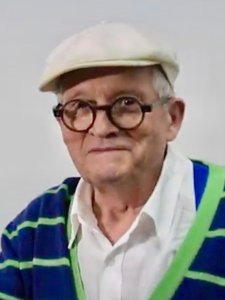
David Hockney
1937 - , Regatul Unit
Informații rapide
- Artistic Movement Or Style: Pop Art
- Artists Or Movements Influenced By This Artist: ['Pauline Boty']
- Artists Who Influenced This Artist: ['Francis Bacon']
- Date Of Birth: 9 iulie 1937
- Full Name: David Hockney
- Nationality: British
- Notable Artworks:
- A Bigger Splash
- Portrait of an Artist
- We Two Boys Together
- Place Of Birth: Bradford, UK
Articole conexe

Echoes of Time: Exploring the Enduring Appeal & Historical Context of Vintage Art Prints
Explore the captivating world of vintage art prints! Discover their history, collecting tips & enduring appeal. Expert insights on chromolithography and building a legacy collection with OriginalUniqueArt.

Crimson Threads of Narrative: Exploring Symbolism & Representation in Artworks Featuring the Red Dress
Explore the rich symbolism of the red dress in art history! From ancient power displays to iconic portraits like Cézanne’s 'Madame Cezanne', discover the cultural and artistic significance behind this captivating color. Expert analysis & insights.

Giclée Prints: Archival Quality & Aesthetic Nuances for the Discerning Collector
Explore the world of giclée prints with OriginalUniqueArt. Learn about archival quality, aesthetic nuances & investment potential. Expert guidance for discerning art collectors seeking museum-quality reproductions and lasting value.

The Enduring Legacy of Fine Art Prints: Technique, History & Aesthetic Impact
Explore the rich history & techniques of fine art prints. Discover investment potential, assess authenticity, and learn how to preserve your collection with expert guidance. Trusted insights for discerning collectors.
The Enduring Legacy of Printmaking: Techniques, Themes & Artistic Innovation Across Centuries
Explore the rich history of printmaking with OriginalUniqueArt. Discover techniques from intaglio to lithography, learn about collecting valuable prints & find museum-quality reproductions. Expert insights for art enthusiasts and collectors.


