Previzualizare
 Trimite prin felicitare
 Distribuie
 Detalii despre lucrare
 Ghid
Ghid

 Descarcă imaginea
 Produse similare
 Radiografie
 Galerie foto
 Întrebări și răspunsuri
 Statistici
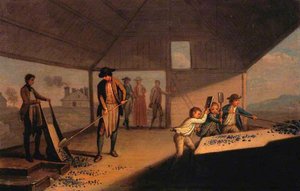
Lead Processing at Leadhills Washing the Ore


 Vezi mai mult
Giclée / Imprimare artistică
Printuri giclée sau pe canvas de calitate muzeală, cu proces de producție rapid și opțiuni flexibile de finisare. ( Comandă pictură realizată manual Comută pe Imagine Digitală)




P118B lei10

P118H lei10

P118W lei10

P438Z lei10

P508JH lei12

P508YH lei12

P805H lei10

P805Z lei10

P919BZ lei10

P919G lei10

P919XJ lei10

P959ZH lei10

P968JZ lei12

W106C lei8

W218G lei10

W218JH lei8

W218Y lei10

W307PJ lei10

W316G lei10

W316PJ lei8

W316Y lei10

W398PJ lei8

W4111J lei10

W500HY lei15

W500JH lei15

W692G lei12

W849H lei8

W940BG lei15

W953PJ lei8




Alegeți dintre dimensiunile noastre prestabilite, care respectă proporțiile originale ale operei de artă.

Introduceți lățimea și înălțimea necesare pentru a se potrivi ramei sau peretelui dumneavoastră. O printare poate fi doar tăiată, niciodată extinsă dincolo de dimensiunea imaginii originale, astfel încât o dimensiune cu o formă diferită va pierde o parte din imagine. Vă trimitem o simulare digitală pentru aprobare înainte de a imprima orice. Imaginea afișată pe această pagină nu prezintă tăierea reală — doar simularea arată acest lucru.
Livrare în întreaga lume () în 2 săptămâni, în loc de cele 4/5 săptămâni standard. (5 Noiembrie)

Livrare expres gratuită la nivel mondial

Pânză de in de înaltă calitate

Asigurare completă pentru transport

Garanție de rambursare a taxelor vamale

Garanția fidelității culorilor

Politica de retur în 100 de zile (doar pentru defecte de fabricație)

Garanție de rambursare 100%

Ofertă pentru comenzi multiple
 Opțiunea cu sticlă este disponibilă doar pentru dimensiuni de sub 110 cm

Lead Processing at Leadhills Washing the Ore
Giclée / Imprimare artistică
Dimensiune reproducere
-


Preț total calculat
lei 387
A Rustic Symphony of Industry: David Allan’s “Lead Processing at Leadhills Washing the Ore”
David Allan's "Lead Processing at Leadhills Washing the Ore," painted in 1789, isn’t merely a depiction of a 18th-century mining operation; it’s a carefully constructed tableau brimming with historical significance, social commentary, and a surprisingly romanticized vision of labor. This oil on canvas masterpiece, now housed at the National Galleries of Scotland, transports us to the heart of Leadhills, a small town in South Lanarkshire renowned for its lead mines – a vital industry fueling the burgeoning industrial landscape of Great Britain. Allan’s work offers a rare glimpse into the daily lives and arduous tasks undertaken by those who extracted this essential metal, revealing both the grit and the surprisingly dignified routine of early industrial life.
The scene unfolds within a dimly lit barn or workshop, dominated by a colossal white tub overflowing with molten glass – a detail that immediately suggests the broader context of glassmaking, a craft intimately linked to the mining operations. Three figures are engaged in various stages of this process: a man stirring the molten material with a long metal rod, another carefully collecting finished pieces into a wooden tray, and a third overseeing the operation from a slightly removed position. Allan’s composition is deliberately flattened, eschewing dramatic perspective for a focus on capturing the activity itself – a deliberate choice that emphasizes the relentless rhythm of work and the physicality of the labor involved. The muted color palette—browns, grays, and whites—reflects the raw materials and the inherent austerity of the setting, while subtle blues within the glass and clothing provide visual interest and prevent the scene from becoming entirely monochromatic.
Neoclassical Roots and Scottish Identity
Allan’s artistic style is firmly rooted in Neoclassicism, a movement that drew inspiration from the art and architecture of ancient Greece and Rome. This influence is evident in the carefully rendered figures, their poses conveying a sense of order and dignity despite the demanding nature of their work. However, Allan's Scottish heritage subtly infuses this classical framework with a distinctly local sensibility. The rugged landscape—the rolling Lowther Hills visible in the background—and the depiction of a specific regional industry ground the painting firmly within its geographical context. The inclusion of the Earl of Hopetoun’s patronage further underscores this connection, suggesting that Allan was commissioned to celebrate and legitimize a significant local enterprise.
Born in Alloa, Scotland, David Allan's early life was shaped by his father’s position as harbor master, exposing him to the world beyond his native land. His time in Rome profoundly influenced his artistic development, where he meticulously copied masterpieces by Gavin Hamilton, honing his skills in form and technique. This Italian sojourn instilled a deep appreciation for classical ideals, which he then skillfully integrated into his depictions of Scottish life.
Symbolism Beyond the Surface
Beyond its straightforward portrayal of mining operations, “Lead Processing at Leadhills” carries layers of symbolic meaning. Allan’s decision to romanticize the work—to present it with a degree of grace and dignity—is particularly noteworthy. In an era marked by harsh working conditions and social inequalities, he subtly elevates the status of these laborers, suggesting that their efforts contribute to the prosperity of the nation. The inclusion of a classically posed couple in the background further reinforces this message, creating a visual dialogue between the rustic realities of mining and the ideals of Enlightenment society.
The scattered blue objects on the floor—likely glass beads or fragments—serve as a potent reminder of the interconnectedness of industries within the region. Lead processing was intrinsically linked to glassmaking, highlighting the complex web of economic relationships that sustained Leadhills and its surrounding communities. The painting, therefore, becomes not just a record of a specific industry but a broader commentary on the social and economic dynamics of 18th-century Scotland.
A Window into a Bygone Era
“Lead Processing at Leadhills Washing the Ore” is more than simply a historical painting; it’s a powerful evocation of a bygone era. Allan's meticulous attention to detail—the textures of the wooden walls, the sheen of the molten glass, the expressions on the workers’ faces—transport us back in time, allowing us to connect with the lives and experiences of those who labored in these demanding conditions. Reproductions of this captivating artwork offer a unique opportunity to bring this slice of Scottish history into our homes, serving as both a decorative object and a poignant reminder of the enduring legacy of industry and craftsmanship.
Întrebări și răspunsuri
„Lead Processing at Leadhills Washing the Ore” este mai degrabă o lucrare luminoasă sau întunecată în ansamblu?
"Lead Processing at Leadhills Washing the Ore" are shadow în întregime, iar luminozitatea sa este Soft Shadow.
Cât de multă lumină par să reflecte culorile din "Lead Processing at Leadhills Washing the Ore"?
Culorile din "Lead Processing at Leadhills Washing the Ore" prezintă o luminanță Soft Shadow.
Culorile din "Lead Processing at Leadhills Washing the Ore" de David Allan sunt vii sau discrete?
"Lead Processing at Leadhills Washing the Ore" de David Allan prezintă o saturație de Balanced Soft și o intensitate de Balanced.
Biografie artist
A Scottish Voice in the Age of Enlightenment
David Allan, născut în Alloa, Scoția, în 1744, a ieșit la iveală ca o figură semnificativă într-o perioadă de schimbare artistică și intelectuală profundă. Poziția tatălui său ca maestru de porturi i-a oferit un contact timpuriu cu lumea dincolo de granițele Scoției, sugerând influențe care au modelat ulterior viziunea sa artistică. Deși detaliile instruirii sale timpurii rămân rare, este clar că un talent natural a înflorit de la o vârstă fragedă, stabilindu-l pe calea de a deveni unul dintre cei mai apreciați pictori din Scoția. Această cale l-a condus, în 1764, la Roma – o călătorie crucială pentru orice artist aspirant de la acea vreme. Pentru zece ani, Allan s-a scufundat în studiul artei și arhitecturii clasice, copind cu meticulozitate capodopere precum Gladiatorul Borghese, perfecționându-și abilitățile în formă și tehnică sub îndrumarea lui Gavin Hamilton. Această odisee italiană nu a fost doar despre măiestrie tehnică; a fost o imersiune într-o lume de idealuri care au infiltrat subtil lucrarea sa ulterioară.Blending Worlds: Neoclassicism with Scottish Life
La întoarcerea în Scoția, în jurul anului 1770, Allan și-a stabilit reședința în Edinburgh, devenind rapid un artist de renume în cadrul scenei culturale vibrante a orașului. Stilul său este remarcabil pentru sinteza sa unică de precizie neoclasică și eleganță rococo. În timp ce îmbrățișa idealurile clasice ale ordinii, echilibrului și clarității – caracteristici cheie ale mișcării neoclasice – a păstrat o sensibilitate decorativă evidentă în utilizarea culorilor și compoziției sale. Nu a fost o aderare rigidă la o singură școală, ci mai degrabă o fuziune atentă a influențelor. Allan s-a remarcat atât în pictura portretistică, cât și în pictura de gen, demonstrând o abilitate de observație ascuțită și capacitatea de a surprinde esența subiectelor sale. Portretele sale nu au fost doar reprezentări; acestea au avut profunzime psihologică, dezvăluind caracterul și personalitatea. Cu toate acestea, a fost poate în scenele sale de gen unde Allan s-a distins cu adevărat, oferind priviri intime asupra vieții scoțiene din secolul al XVIII-lea – de la zilele aglomerate de piață la momentele liniștite de casă. Lucrări precum „Lead Processing at Leadhills Washing the Ore” nu sunt doar reprezentări ale industriei, ci și comentarii sociale perspicace, realizate cu o atenție remarcabilă la detalii. De asemenea, a intrat în subiecte istorice, cum ar fi „Hope (triptych, centre panel)”, demonstrând ambiția sa și versatilitatea, integrând în mod abil influențe clasice cu teme religioase.The ‘Scottish Hogarth’ and a Legacy Forged in Observation
Allan a fost lăudat pentru abilitatea sa de a reprezenta viața contemporană, câștigându-și porecla de „Hogarthul scoțian”, o comparație care evidențiază contribuțiile sale la pictura de gen și comentariile sociale prin artă. Deși nu a imitat în mod direct satira lui Hogarth, Allan a împărtășit un interes similar pentru reprezentarea scenelor cotidiene cu onestitate și perspicacitate. A avut o abilitate remarcabilă de a surprinde nuanțele interacțiunilor umane și texturile vieții de zi cu zi, ridicând subiecte aparent ordinar la importanță artistică. Asociația sa cu Academia Foulis, un centru important pentru instruirea artistică din Edinburgh, a consolidat în continuare rolul său în modelarea artei scoțiene în această perioadă. Allan nu crea doar picturi; el contribua la dezvoltarea unei identități artistice naționale distincte. A influențat generațiile ulterioare de artiști scoțieni, îndemnându-i să se uite în interior și să găsească inspirație în propria cultură și împrejurimi.A Lasting Impression
Moartea lui David Allan în 1796 a marcat pierderea unei voci cu adevărat originale în arta britanică. Lucrările sale rămân admirate astăzi pentru măiestria lor tehnică, reprezentări perspicace ale societății scoțiene și meritul artistic durabil. Allan’s legacy lies not only in the beauty of his creations but also in his ability to bridge classical ideals with distinctly Scottish subject matter, leaving an indelible mark on the cultural landscape of his time and inspiring artists for generations to come.
David Allan
1744 - 1796 , Scoția
Detalii rapide
- Artistic Movement Or Style: Neoclassicism & Rococo
- Artists Or Movements Influenced By This Artist: ['Scottish artists']
- Artists Who Influenced This Artist: ['Gavin Hamilton']
- Date Of Birth: 1744
- Date Of Death: 1796
- Full Name: David Allan
- Nationality: Scottish
- Notable Artworks:
- Lead Processing
- Hope (triptych)
- James Craig
- Place Of Birth: Akron, USA
Articole similare
David Teniers the Younger: Genre Painting & Social Commentary in Baroque Flanders
Explore the captivating world of David Teniers the Younger, a leading Flemish Baroque painter. Discover his genre scenes, social commentary, and lasting influence on 17th-century art. Learn about his life, techniques & legacy.
David Teniers II: Master of Flemish Genre & Social Commentary
Explore the captivating world of David Teniers II, a leading Flemish Baroque painter renowned for his lively genre scenes & insightful social commentary. Discover his masterpieces and legacy with OriginalUniqueArt.
Cele Mai Frumoase Opere de Artă din Secolul al XVIII-lea | OriginalUniqueArt.ro
Descoperă cele mai frumoase picturi din secolul al XVIII-lea! Explorează operele rococo ale lui Fragonard, neoclasicismul lui David și multe altele. Reproduceri de artă de calitate muzeală pentru un decor interior rafinat. Descoperă toate capodoperele pe OriginalUniqueArt.com
Sir John Watson Gordon: A Study in Scottish Landscape Painting & Tonal Impressionism
Explore the captivating portraits of Sir John Watson Gordon, a leading Scottish master. Discover his evolution from neoclassical style to atmospheric Tonalism and influence on 19th-century British art. Learn about his iconic sitters & legacy.

Sir David Wilkie: Narrative Detail & the Rise of Victorian Genre Painting
Explore the life & work of Sir David Wilkie, a pivotal figure in Victorian genre painting. Discover his narrative detail, social commentary, and lasting influence on 19th-century British art. Learn more at OriginalUniqueArt.