

 Trimite
 Distribuie
 Detalii
 Ghidul

 Descarcă
 Produse similare
 Diaporama
 Statistici
Evening ensemble


 Citește mai mult
Lucrarea de artă afișată pe această pagină este protejată de legile privind drepturile de autor, ceea ce înseamnă că nu putem crea sau vinde în mod legal o reproducere identică. Această protecție este garantată prin acorduri internaționale, precum Convenția de la Berna și de legile naționale, inclusiv cele prevăzute de Legea dreptului de autor din S.U.A. – Titlul 17. Toate drepturile rezervate. Orice reproducere neautorizată este interzisă.
Ca alternativă respectuoasă și legală, oferim tablouri pictate manual, personalizate, inspirate de original. Artistii noștri experimentați și profesioniști studiază cu atenție stilul, starea de spirit și esența artistică a originalului pentru a crea o piesă nouă și unică, care evocă aceeași emoție – rămânând, în același timp, o creație originală în sine.
Această metodă respectă pe deplin reglementările privind drepturile de autor, deoarece nu implică copierea sau duplicarea operei protejate. În schimb, este o reinterpretare creativă – o pictură nouă, influențată de original, dar care nu este identică cu acesta.
Reproducere pictată manual în ulei
Pictură în ulei pe pânză, realizată manual de artiștii noștri la dimensiunea și ramele dorite de dumneavoastră, pe comandă. ( Comută pe versiunea Print Treci la imagine digitală)




































Alegeți dintre dimensiunile noastre prestabilite, care respectă proporțiile originale ale operei de artă.

Introduceți lățimea și înălțimea de care aveți nevoie, pentru a se potrivi ramei sau peretelui dumneavoastră. Această lucrare este pictată manual, așa că pentru o dimensiune cu o formă diferită, artistul poate picta puțin mai mult în jurul imaginii sau poate tăia puțin din margini — dumneavoastră decideți. Vă vom trimite o simulare digitală pentru aprobare înainte de a începe pictarea. Imaginea afișată pe această pagină nu reprezintă rezultatul real — doar simularea este reprezentativă.
După plasarea comenzii, echipa OriginalUniqueArt.com va contacta clientul prin e-mail pentru instrucțiuni și îi va furniza o previzualizare a machetei
Livrare în întreaga lume () în 3-4 săptămâni, în loc de cele 5 săptămâni standard. (23 Octombrie). Fără compromisuri în ceea ce privește calitatea.

Livrare expres gratuită la nivel mondial

Pânză de in premium

Asigurare completă pentru transport

Garanție de rambursare a taxelor vamale

Garanția fidelității culorilor

Politica de retur în 100 de zile (doar pentru defecte)

Garanție de rambursare 100%

Reducere pentru comenzi multiple
 Opțiunea cu sticlă este disponibilă doar pentru dimensiuni de sub 110 cm

Evening ensemble
Tip de reproducere
Dimensiune reproducere
-


Preț total
lei 1391
The Enigmatic Evening Ensemble: Balenciaga’s Echo of India
Cristóbal Balenciaga, often hailed as “the master of us all,” possessed an unparalleled ability to distill elegance into its purest form. His designs weren't merely garments; they were architectural statements, imbued with a quiet confidence and a profound respect for the materials themselves. The "Evening Ensemble" – a black satin gown adorned with jet bead trim, currently available as a meticulously crafted reproduction – exemplifies this philosophy perfectly. This particular piece, created in 1965, offers a fascinating glimpse into Balenciaga’s enduring fascination with global textile traditions and his innovative approach to couture.
The photograph itself presents a study in restrained glamour. A woman stands poised, holding a hat—a subtle detail that speaks volumes about the era's emphasis on refined presentation. The backdrop, featuring two clocks, subtly anchors the image within a specific time and place, hinting at the social context of the garment’s creation. The yellow dress is striking against the black satin, creating a visual contrast that draws the eye to its intricate detailing.
A Fusion of Cultures: Balenciaga's Indian Inspiration
Balenciaga’s relationship with India was deeply significant and long-standing. He had been captivated by the sari since the 1920s, recognizing its inherent beauty and structural complexity. Rather than simply replicating a traditional design, Balenciaga treated the sari as a canvas—a flat textile ripe for reimagining through couture techniques. This particular ensemble demonstrates this brilliantly; he meticulously dissected the woven edging of an Indian sari, carefully appliquéing it to form a luxurious border around the gown’s silhouette. This wasn't mere decoration; it was a deliberate act of honoring the source material while simultaneously elevating it to the realm of high fashion.
The choice of black satin further underscores this fusion. Black, historically associated with mourning and formality in Western culture, provided a dramatic counterpoint to the vibrant colors and intricate patterns of the sari’s original design. This juxtaposition speaks to Balenciaga's ability to seamlessly blend disparate influences into a cohesive and utterly captivating aesthetic.
The Art of Architectural Couture
Balenciaga’s designs were renowned for their sculptural quality, often described as “architectural.” He approached each garment as if it were a three-dimensional structure, meticulously shaping the fabric to create dramatic volumes and precise lines. The "Evening Ensemble" is no exception. The bias draping—a technique borrowed from the sari—contributes significantly to its fluidity and movement, creating an ethereal quality that belies the gown’s structured form. The meticulous placement of the jet beads adds another layer of complexity, highlighting the garment's intricate details and reinforcing Balenciaga’s commitment to precision.
Symbolism and Emotional Resonance
Beyond its technical brilliance, the "Evening Ensemble" carries a potent symbolic weight. It represents a dialogue between cultures—a respectful engagement with Indian textile traditions while simultaneously asserting Balenciaga’s own artistic vision. The gown evokes a sense of timeless elegance, suggesting sophistication, grace, and quiet confidence. It's a garment that speaks to the enduring power of beauty, craftsmanship, and cultural exchange – qualities that continue to resonate deeply within the world of fashion today.
As a reproduction, this piece offers an opportunity to experience Balenciaga’s genius firsthand. It is more than just a beautiful gown; it's a tangible connection to one of the 20th century’s most influential designers – a testament to his innovative spirit and unparalleled skill.
Întrebări și răspunsuri
Când și din ce materiale a fost realizată opera „Evening ensemble”?
"Evening ensemble" a fost realizată în 1965, în Textile.
În ce încăpere din casă s-ar potrivi o reproducere a operei "Evening ensemble"?
O reproducere a „Evening ensemble” se potrivește de minune într-un Living Room.
Cu ce sentiment este asociată opera „Evening ensemble”?
"Evening ensemble" este asociată cu un sentiment Nostalgic. Tonul emoțional descrie impresia pe care o transmite lucrarea.
Biografie artist
Early Life and Artistic Beginnings
Cristóbal Balenciaga Eizaguirre, a name synonymous with unparalleled elegance and revolutionary design, was born in 1895 in the picturesque fishing village of Getaria, nestled along the rugged coast of Spain’s Basque Country. This humble beginning profoundly shaped his artistic vision, imbuing it with a deep connection to nature, craftsmanship, and the traditions of his homeland. His father, José Balenciaga Basurto, was a skilled mariner, while his mother, Martina Eizaguirre Embil, possessed a remarkable talent for sewing – a skill she diligently practiced, providing young Cristóbal with his first exposure to the world of textiles and meticulous construction. Growing up amidst the sounds of the sea and the rhythmic hum of her sewing machine, he absorbed an appreciation for both raw beauty and intricate detail. At the tender age of twelve, he began his apprenticeship under the tutelage of a local tailor, laying the foundation for his future mastery of garment construction. This early training instilled in him a profound respect for materials, techniques, and the transformative power of skillful hands. The influence of his mother’s work was particularly strong, shaping his understanding of pattern making and draping – skills he would later refine to breathtaking effect.The Influences Shaping a Master
Balenciaga's artistic journey wasn't forged in isolation; it was deeply informed by the vibrant cultural landscape surrounding him. The Basque region itself, with its rich history of craftsmanship, textiles, and traditional dress, served as a constant source of inspiration. However, his exposure extended far beyond his local roots. A pivotal moment occurred when he was sent to Madrid at the age of fourteen, where he received formal training in tailoring – an opportunity afforded to him by the patronage of the Marchioness de Casa Torres, a prominent noblewoman who recognized his exceptional talent. This experience exposed him to the refined world of Spanish high society and provided him with invaluable skills. Crucially, he also encountered Coco Chanel in San Sebastián, a meeting that would prove transformative. Chanel’s radical approach to fashion – her liberation of women from restrictive garments – resonated deeply with Balenciaga's own desire to challenge conventional aesthetics. He admired her boldness and innovative spirit, recognizing her as a kindred soul pushing the boundaries of design. Furthermore, his exposure to the avant-garde art movements emerging in Europe—particularly Surrealism and Cubism—influenced his willingness to experiment with form and volume, leading him to create designs that were both sculptural and utterly unexpected.A Revolutionary Approach to Couture
Balenciaga’s rise to prominence was marked by a relentless pursuit of perfection and an unwavering commitment to the craft of couture. Unlike many of his contemporaries who relied on pre-drawn patterns and mass production techniques, Balenciaga favored a hands-on approach, meticulously constructing each garment from scratch using his own custom-made muslin templates – known as *toiles*. This painstaking process allowed him to achieve unparalleled precision and control over every detail, resulting in garments that were both exquisitely beautiful and remarkably wearable. He possessed an almost intuitive understanding of how fabrics responded to movement and form, manipulating them with a deftness rarely seen in the fashion world. His designs weren’t simply about aesthetics; they were about creating a harmonious relationship between the garment and the wearer – celebrating the female figure while simultaneously challenging conventional notions of beauty. His signature style—characterized by its dramatic silhouettes, innovative use of volume, and masterful draping—quickly garnered international acclaim, earning him the moniker "the master of us all" from Christian Dior and “the only couturier in the truest sense of the word” from Coco Chanel.Key Works and Lasting Legacy
Balenciaga’s oeuvre is a testament to his extraordinary talent and unwavering dedication. Some of his most iconic creations include the ‘Infanta’ gown, inspired by the portraits of Diego Velázquez, showcasing his ability to seamlessly blend historical references with contemporary design; the groundbreaking “jacket of light,” a dramatic evening coat that redefined the possibilities of draped fabric; and the revolutionary "sack dress," which stripped away traditional waistlines and liberated women from restrictive silhouettes. His work extended beyond clothing, encompassing accessories such as hats, gloves, and handbags – each meticulously crafted to complement his signature designs. Even after closing his couture house in 1968, Balenciaga’s influence continued to resonate throughout the fashion industry. His innovative techniques and sculptural forms inspired generations of designers, including Yves Saint Laurent, who famously declared, “Balenciaga is the master.” Today, Cristóbal Balenciaga remains an enduring icon—a testament to the power of craftsmanship, artistic vision, and a profound respect for the art of dressing the human form. The Cristóbal Balenciaga Museum in Getaria stands as a poignant tribute to his legacy, preserving and celebrating the extraordinary world of this true fashion architect.
Cristóbal Balenciaga Eizaguirre
1895 - 1972 , Spania
Informații rapide
- Artistic Movement Or Style: Avant-garde / Surrealism
- Artists Or Movements Influenced By This Artist: ['Hubert de Givenchy']
- Artists Who Influenced This Artist:
- Christian Dior
- Coco Chanel
- Date Of Birth: 21 ianuarie 1895
- Date Of Death: 23 martie 1972
- Full Name: Cristóbal Balenciaga Eizaguirre
- Nationality: Spaniol
- Notable Artworks:
- Study 'Song of Songs IV'
- Tree Roots
- Acrobat
- Place Of Birth: Getaria, Spania
Articole conexe

Top 10 Capodopere Picturale Dominante de Tonuri 'Mars Black' | Artă & Decor
Descoperă top 10 picturi celebre dominate de tonuri 'Mars Black', de la Rembrandt la Picasso. Explorează istoria, tehnicile și emoțiile din spatele acestor capodopere artistice. Reproduceri tablouri de calitate muzeală pe OriginalUniqueArt.com!
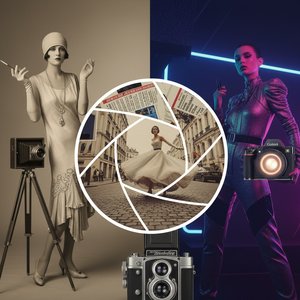
The Lens of Luxury: A Visual Journey Through the Evolution and Artistry of Fashion Photography
Embark on a visual journey through the evolution of fashion photography. Discover how masters like Gianfranco Ferré blended geometry, surrealism, and texture to redefine high-fashion art for collectors and connoisseurs of luxury imagery.

Cristóbal Balenciaga: Deconstructing Haute Couture's Architectural Legacy
Explore the revolutionary world of Cristóbal Balenciaga, the 'couturier's couturier'. Discover his architectural designs, lasting influence on haute couture, and guide to collecting rare pieces. A connoisseur’s resource.

Top 10 Tablouri Celebre Dominante de Negru: Artă, Istorie și Decor Rafinat
Descoperă Top 10 tablouri celebre dominate de negru! Explorează istoria, simbolismul și tehnicile artistice ale unor opere iconice de Rembrandt, Goya și alți maeștri. Reproduceri de artă de calitate muzeală pe OriginalUniqueArt.com – inspiră-ți decorul!
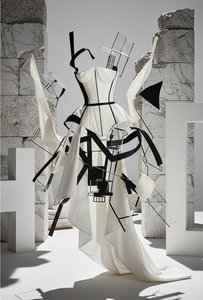
Gianfranco Ferré: Deconstructing Haute Couture – A Legacy of Architectural Form
Explore the revolutionary world of Gianfranco Ferré, 'the architect of fashion.' Discover his architectural approach to haute couture, iconic Dior designs, and lasting influence on luxury style. A deep dive for collectors & enthusiasts.


