

 Vezi în context
 Trimite
 Distribuie
 Detalii
 Ghidul

 Descarcă
 Produse similare
 Radiografie
 Diaporama
 Statistici
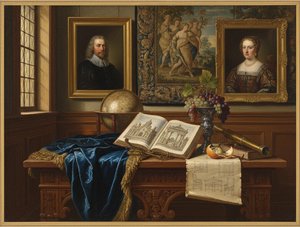
A Drawing School


 Citește mai mult
Reproducere pictată manual în ulei
Pictură în ulei pe pânză, realizată manual de artiștii noștri la dimensiunea și ramele dorite de dumneavoastră, pe comandă. ( Comută pe versiunea Print Treci la imagine digitală)




P118B lei10

P118H lei10

P118W lei10

P438Z lei10

P508JH lei12

P508YH lei12

P805H lei10

P805Z lei10

P919BZ lei10

P919G lei10

P919XJ lei10

P959ZH lei10

P968JZ lei12

W106C lei8

W218G lei10

W218JH lei8

W218Y lei10

W307PJ lei10

W316G lei10

W316PJ lei8

W316Y lei10

W398PJ lei8

W4111J lei10

W500HY lei15

W500JH lei15

W692G lei12

W849H lei8

W940BG lei15

W953PJ lei8




Alegeți dintre dimensiunile noastre prestabilite, care respectă proporțiile originale ale operei de artă.

Introduceți lățimea și înălțimea de care aveți nevoie, pentru a se potrivi ramei sau peretelui dumneavoastră. Această lucrare este pictată manual, așa că pentru o dimensiune cu o formă diferită, artistul poate picta puțin mai mult în jurul imaginii sau poate tăia puțin din margini — dumneavoastră decideți. Vă vom trimite o simulare digitală pentru aprobare înainte de a începe pictarea. Imaginea afișată pe această pagină nu reprezintă rezultatul real — doar simularea este reprezentativă.
După plasarea comenzii, echipa OriginalUniqueArt.com va contacta clientul prin e-mail pentru instrucțiuni și îi va furniza o previzualizare a machetei
Livrare în întreaga lume () în 3-4 săptămâni, în loc de cele 5 săptămâni standard. (24 Octombrie). Fără compromisuri în ceea ce privește calitatea.

Livrare expres gratuită la nivel mondial

Pânză de in premium

Asigurare completă pentru transport

Garanție de rambursare a taxelor vamale

Garanția fidelității culorilor

Politica de retur în 100 de zile (doar pentru defecte)

Garanție de rambursare 100%

Reducere pentru comenzi multiple
 Opțiunea cu sticlă este disponibilă doar pentru dimensiuni de sub 110 cm

A Drawing School
Tip de reproducere
Dimensiune reproducere
-


Preț total
lei 3015
Biografie artist
Crispijn van de Passe: A Master of Dutch Printmaking
Crispijn van de Passe, born in Arnemuiden, Netherlands around 1564 and passing away in Utrecht in 1637, stands as a pivotal figure in the history of Flemish and Dutch printmaking. More than just an engraver, he was a publisher, a family patriarch, and a driving force behind the flourishing print trade of Antwerp during the late 16th and early 17th centuries. His legacy isn’t defined by individual masterpieces alone, but rather by his systematic approach to reproducing works of art – portraits, book illustrations, decorative plates, and even architectural designs – with remarkable accuracy and detail, establishing a standard for quality that influenced generations of printmakers.
Van de Passe's early life remains somewhat shrouded in mystery. He was part of a large artistic family centered around his father, Crispijn I van de Passe, who had established a successful engraving workshop in Antwerp. This familial connection provided him with invaluable training and access to a network of artists and patrons. However, Crispijn van de Passe the Elder quickly distinguished himself through his meticulous technique and organizational skills. He didn’t simply copy existing images; he developed a sophisticated system for transferring designs – often based on paintings by renowned Flemish masters – onto copper plates using a process involving multiple stages of etching and engraving. This method, which involved creating a series of intermediate prints, allowed him to achieve an astonishing level of precision and tonal subtlety rarely seen in contemporary engravings.
The Van de Passe Family Enterprise
Crispijn van de Passe’s influence extends far beyond his individual output; he essentially built a printmaking dynasty. His wife, Magdalena van de Passe, was not merely a domestic figure but a skilled engraver in her own right, contributing significantly to the family's business and specializing particularly in landscapes and portraits. Their children – Simon, Crispijn II, Willem, and Martha – all followed in their father’s footsteps, each mastering different aspects of the printmaking process: engraving, etching, and publishing. This collaborative environment fostered a remarkable exchange of knowledge and techniques within the family workshop.
The Van de Passe family's success was largely due to their ability to cater to the growing demand for printed images during this period. Books were becoming increasingly accessible, and illustrated editions – particularly those featuring portraits of prominent figures – were highly sought after by wealthy collectors and institutions. The family’s systematic approach to reproduction ensured that these books could be produced quickly and efficiently, while maintaining a high level of visual quality. They also specialized in producing “family prints,” meticulously detailed engravings depicting members of noble families, which became incredibly popular as commemorative portraits.
Technique and Style
Crispijn van de Passe’s engravings are characterized by their remarkable realism and attention to detail. He was a master of capturing texture – the folds of clothing, the sheen of metal, the delicate details of hair – with astonishing accuracy. His use of light and shadow created a sense of depth and volume, bringing his subjects to life on the printed page. Unlike some of his contemporaries who favored a more stylized approach, Van de Passe’s engravings were remarkably faithful to the original paintings they depicted.
A key element of his technique was his use of multiple plates. He would create several separate plates, each engraved with a different part of the image, and then combine them using a process called “pochoir” – essentially a stencil technique – to achieve complex tonal effects and intricate details. This method allowed him to reproduce subtle gradations of color and shading that would have been impossible to achieve with a single plate. His work is often described as ‘mechanical’ due to the precision involved, but it's important to remember this was achieved through immense skill and artistic judgment.
Legacy and Influence
Crispijn van de Passe’s impact on the development of printmaking in the Netherlands is undeniable. He established a model for systematic reproduction that influenced countless engravers who followed him. His meticulous technique, combined with his entrepreneurial spirit, helped to transform Antwerp into a major center of print production. Furthermore, his family's legacy continued long after his death, with his descendants maintaining the workshop and producing prints until the mid-18th century.
His work continues to be studied and admired today for its technical brilliance and artistic merit. Pieces like “Fortitude” and “Frontispiece,” showcasing his ability to capture both portraiture and decorative elements, remain prime examples of his skill. Crispijn van de Passe’s contribution to the dissemination of art through print helped shape the visual culture of Europe during a period of immense artistic innovation and change.

Crispijn Van De Passe
1564 - 1637 , Netherlands
Informații rapide
- Full Name: Crispijn van de Passe
- Nationality: Dutch
- Date Of Birth: 1564
- Date Of Death: 1637
- Place Of Birth: Arnemuiden, Netherlands
- Notable Artworks:
- Fortitude
- Frontispiece
- Discordia
- Artistic Movement Or Style: Flemish Prints
- Artists Or Movements Influenced By This Artist: ['Van de Passe Family']
Articole conexe

Cu privire la noi
Descoperă povestea noastră! Aduceți arta de talie mondială în viața dumneavoastră prin selecție expertă, creații personalizate și previzualizări gratuite. Aprobate de persoane fizice și companii din 2000.

Willem van de Velde the Elder: Master of Maritime Painting & Chronicler of the Dutch Golden Age
Discover the captivating maritime paintings of Willem van de Velde the Elder, a master chronicler of the Dutch Golden Age. Explore his unparalleled realism and lasting influence on naval art history.

Goya: Cele Mai Iconice Capodopere – Artă Spaniolă pentru Decor Rafinat | OriginalUniqueArt.ro
Descoperă cele mai frumoase 25 de picturi ale lui Francisco Goya! Explorează capodoperele romantice, portretele impresionante și gravurile puternice. Reproduceri artă spaniolă de calitate muzeală pentru un decor rafinat. Explorează colecția completă online pe OriginalUniqueArt.com

Rembrandt van Rijn: Cele Mai Frumoase 25 de Capodopere – Artă, Istorie și Decorațiuni Interioare
Descoperă cele mai frumoase 25 de picturi ale lui Rembrandt van Rijn! Explorează capodopere baroce, portrete emoționante și peisaje iconice. Reproduceri de artă de calitate muzeală pentru un design interior rafinat. Descoperă toate operele pe OriginalUniqueArt.com!
Maestri Secolului al XVII-lea: 10 Capodopere pentru Decorul de Lux | OriginalUniqueArt.ro
Descoperiți 10 capodopere ale secolului al XVII-lea! Rembrandt, Caravaggio, Velázquez și Rubens prind viață prin reproduceri de artă excepționale. Inspirație barocă pentru decorul dvs. pe OriginalUniqueArt.ro