
 Previzualizare
 Trimite prin felicitare
 Distribuie
 Detalii despre lucrare
 Ghid
Ghid

 Descarcă imaginea
 Produse similare
 Radiografie
 Galerie foto
 Întrebări și răspunsuri
 Statistici
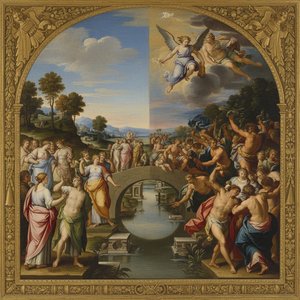
Laudatory epigraph for Agostino Carracci


 Vezi mai mult
Giclée / Imprimare artistică
Printuri giclée sau pe canvas de calitate muzeală, cu proces de producție rapid și opțiuni flexibile de finisare. ( Comandă pictură realizată manual Comută pe Imagine Digitală)




































Alegeți dintre dimensiunile noastre prestabilite, care respectă proporțiile originale ale operei de artă.

Introduceți lățimea și înălțimea necesare pentru a se potrivi ramei sau peretelui dumneavoastră. O printare poate fi doar tăiată, niciodată extinsă dincolo de dimensiunea imaginii originale, astfel încât o dimensiune cu o formă diferită va pierde o parte din imagine. Vă trimitem o simulare digitală pentru aprobare înainte de a imprima orice. Imaginea afișată pe această pagină nu prezintă tăierea reală — doar simularea arată acest lucru.
Livrare în întreaga lume () în 2 săptămâni, în loc de cele 4/5 săptămâni standard. (3 Noiembrie)

Livrare expres gratuită la nivel mondial

Pânză de in de înaltă calitate

Asigurare completă pentru transport

Garanție de rambursare a taxelor vamale

Garanția fidelității culorilor

Politica de retur în 100 de zile (doar pentru defecte de fabricație)

Garanție de rambursare 100%

Ofertă pentru comenzi multiple
 Opțiunea cu sticlă este disponibilă doar pentru dimensiuni de sub 110 cm

Laudatory epigraph for Agostino Carracci
Giclée / Imprimare artistică
Dimensiune reproducere
-


Preț total calculat
lei 385
Întrebări și răspunsuri
Pot comanda o reproducere în ulei a operei "Laudatory epigraph for Agostino Carracci"?
Reproducțiile pictate manual ale operei "Laudatory epigraph for Agostino Carracci" de Claudius Achilinus pot fi achiziționate pe acest site web: o reproducere pictată manual în ulei pe pânză de in, prin comandă direct de pe pagina Reproducere pictată în ulei.
„Laudatory epigraph for Agostino Carracci” este disponibil(ă) sub formă de print de fine art?
„Laudatory epigraph for Agostino Carracci” este disponibil sub formă de o printă fine art pe canvas din bumbac sau pe hârtie canvas arhivistică. Comenzile pot fi plasate pe pagina sa de Print Fine Art, în dimensiunea dorită de dumneavoastră.
Pot vedea "Laudatory epigraph for Agostino Carracci" de Claudius Achilinus pe propriul meu perete înainte de achiziție?
Pagina Previzualizare în AR pentru "Laudatory epigraph for Agostino Carracci" de Claudius Achilinus folosește realitatea augmentată pentru a vizualiza opera de artă în propriul tău spațiu, pe un dispozitiv compatibil.
Biografie artist
Claudius Achillinus: The Baroque Poet of Bologna
Claudius Achillinus (latin claudius achillinus; 18 september 1574 – 1 october 1640) was an italian philosopher, theologian, mathematician, poet, and jurist. He is a major figure in the history of italian baroque poetry, celebrated for his masterful Latin verse that captured the spirit of its time—a period marked by dramatic artistic innovation and fervent religious fervor. Born in Bologna, Italy, Achillinus descended from a distinguished legal family, shaping his intellectual pursuits accordingly. His formative years instilled within him a profound appreciation for logic and argumentation, which would later permeate his poetic endeavors. Achillinus’s early life was steeped in scholarly tradition. He pursued law at Bologna University, earning renown as an exceptionally astute jurist—a vocation that honed his analytical skills and provided invaluable experience in interpreting legal texts with meticulous precision. This grounding in jurisprudence undeniably influenced his stylistic choices in poetry, prioritizing clarity and reasoned argumentation alongside a deep understanding of human emotion. The legacy of Giovanni Filoteo Achillini and Alessandro Achillini – his grandfather and great-nephew respectively – instilled within him a commitment to intellectual excellence that would define his entire career. Achillinus’s philosophical convictions centered around Cartesian rationalism, mirroring the dominant intellectual currents of his era. Descartes' unwavering belief in deductive reasoning—starting from fundamental axioms—furnished Achillinus with a framework for grappling with profound metaphysical questions and constructing intricate conceptual structures within his poems. This commitment to logic resonated deeply with the Baroque fascination for intellectual puzzles and underscored the humanist values that underpinned his artistic vision. He actively engaged with thinkers like Descartes, fostering a dialogue that enriched both his philosophical understanding and his poetic creativity. His literary output consisted primarily of Latin verses—a deliberate decision reflecting the prestige accorded to classical scholarship during the Baroque period. Achillinus skillfully employed elaborate metaphors and rhetorical devices—techniques favored by poets such as Marino—to convey complex ideas with breathtaking artistry. His work exemplifies the baroque penchant for grandeur and theatricality, mirroring the opulent architectural styles and dramatic narratives characteristic of the era. Notably, he penned an epigraph for Agostino Carracci’s monumental fresco cycle in Palazzo Farnese, Rome – a testament to his artistic prowess and his embrace of humanist ideals. This piece embodies the Baroque ideal of harmonious composition and symbolic representation, showcasing Achillinus's enduring contribution to visual art alongside literature. Achillinus’s poetic legacy extends beyond stylistic innovation; it resides in his profound engagement with philosophical debates and his unwavering commitment to intellectual rigor. He served as an inspiration for poets like Marino, fostering a tradition that prioritized reasoned argumentation alongside emotional depth. His verses continue to be studied today, offering insights into the intellectual landscape of seventeenth-century Italy—a testament to his enduring influence on literary history. The reward bestowed upon him by Cardinal Richelieu for his sonnet dedicated to Louis XIII – commemorating the birth of the dauphin – underscores the esteem in which he was held by royal courts and intellectuals alike.
Claudius Achilinus
1574 - 1640 , Italia
Detalii rapide
- Artistic Movement Or Style: Baroque Poesia
- Artists Or Movements Influenced By This Artist: ['Giambattista Marino']
- Artists Who Influenced This Artist:
- Giovanni Filoteo Achillini
- Alessandro Achillini
- Date Of Birth: 1574
- Date Of Death: 1640
- Full Name: Claudius Achillinus
- Nationality: Italian
- Notable Artworks: ['Epigrafă pentru Agostino Carracci']
- Place Of Birth: Bologna, Italia
Articole similare

Baroque Classicism: The Grandeur of Order and Drama in 17th-Century Art History
Explore the profound elegance of Baroque Classicism. Discover how 17th-century masters synthesized dramatic emotion with classical order through the lens of the Counter-Reformation and the works of legends like Carlo Maratta and Andrea Sacchi.

Barocul în Splendoare: Cele Mai Reprezentative 10 Capodopere Artistice | OriginalUniqueArt.ro
Descoperă splendoarea Barocului! Explorează cele mai importante 10 capodopere ale lui Caravaggio, Rembrandt și Rubens. Află poveștile din spatele picturilor iconice și adu eleganța clasică în casa ta cu reproduceri de artă premium pe OriginalUniqueArt.ro

The Dramatic Flourish: Exploring the Baroque Movement's Enduring Legacy in Art History
Explore the dramatic world of Baroque art! Discover iconic artists like Caravaggio & Rubens, defining techniques, and its lasting impact on art history. Expert insights for collectors & enthusiasts at OriginalUniqueArt.

Drama Barocă: Cum să Aduceți Splendoare și Emoție în Interioarele Contemporane
Descoperiți cum să integrați splendoarea stilului baroc în locuința dumneavoastră! Ghid complet cu elemente de design, culori și inspirație pentru interioare luxoase și pline de emoție.
Annibale Carracci: Bridging Renaissance Ideals & Baroque Innovation
Explore the life & art of Annibale Carracci, a pivotal figure bridging Renaissance ideals with Baroque innovation. Discover his masterpieces and lasting influence on Italian painting.