
 Previzualizare
 Trimite prin felicitare
 Distribuie
 Detalii despre lucrare
 Ghid
Ghid

 Descarcă imaginea
 Produse similare
 Radiografie
 Galerie foto
 Întrebări și răspunsuri
 Statistici
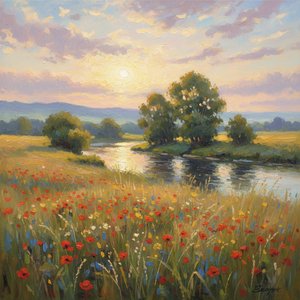
Evening on the Oise

- 99.0 x 200.0 cm


 Vezi mai mult
Giclée / Imprimare artistică
Printuri giclée sau pe canvas de calitate muzeală, cu proces de producție rapid și opțiuni flexibile de finisare. ( Comandă pictură realizată manual Comută pe Imagine Digitală)




P118B lei10

P118H lei10

P118W lei10

P438Z lei10

P508JH lei12

P508YH lei12

P805H lei10

P805Z lei10

P919BZ lei10

P919G lei10

P919XJ lei10

P959ZH lei10

P968JZ lei12

W106C lei8

W218G lei10

W218JH lei8

W218Y lei10

W307PJ lei10

W316G lei10

W316PJ lei8

W316Y lei10

W398PJ lei8

W4111J lei10

W500HY lei15

W500JH lei15

W692G lei12

W849H lei8

W940BG lei15

W953PJ lei8




Alegeți dintre dimensiunile noastre prestabilite, care respectă proporțiile originale ale operei de artă.

Introduceți lățimea și înălțimea necesare pentru a se potrivi ramei sau peretelui dumneavoastră. O printare poate fi doar tăiată, niciodată extinsă dincolo de dimensiunea imaginii originale, astfel încât o dimensiune cu o formă diferită va pierde o parte din imagine. Vă trimitem o simulare digitală pentru aprobare înainte de a imprima orice. Imaginea afișată pe această pagină nu prezintă tăierea reală — doar simularea arată acest lucru.
Livrare în întreaga lume () în 2 săptămâni, în loc de cele 4/5 săptămâni standard. (5 Noiembrie)

Livrare expres gratuită la nivel mondial

Pânză de in de înaltă calitate

Asigurare completă pentru transport

Garanție de rambursare a taxelor vamale

Garanția fidelității culorilor

Politica de retur în 100 de zile (doar pentru defecte de fabricație)

Garanție de rambursare 100%

Ofertă pentru comenzi multiple
 Opțiunea cu sticlă este disponibilă doar pentru dimensiuni de sub 110 cm

Evening on the Oise
Giclée / Imprimare artistică
Dimensiune reproducere
-


Preț total calculat
lei 385
Charles-François Daubigny’s “Evening on the Oise”: A Symphony of Light and Leisure
Evening on the Oise, painted in 1863 by Charles-François Daubigny, is more than just a depiction of a riverbank; it's a carefully constructed meditation on light, atmosphere, and the simple pleasures of rural life. Measuring 99 x 200 cm, this canvas captures a quintessential French scene – the Oise River meandering through a verdant landscape, dotted with figures engaged in quiet pursuits. Daubigny, a pivotal figure in the development of Atmospheric Impressionism, masterfully translates his observations of nature into a work brimming with nuanced color and a palpable sense of tranquility.
- A Pioneer’s Vision: Daubigny's artistic journey was marked by a deliberate rejection of rigid academic conventions. Influenced by his travels to Italy – particularly the landscapes of the region – he sought to represent nature not as an idealized subject for historical or mythological narratives, but as it existed in its raw, fleeting beauty.
- Technique and Color: The painting’s remarkable luminosity stems from Daubigny's innovative use of color and brushwork. He employed broken strokes and juxtaposed complementary hues – blues and oranges, greens and purples – to create a shimmering effect, mimicking the play of light on water and foliage. This technique, anticipating the later developments of Impressionism, prioritizes the immediate sensory experience over precise representation.
The Essence of Atmospheric Impressionism
Daubigny’s approach aligns perfectly with the burgeoning movement of Atmospheric Impressionism, which sought to capture not just the subject matter but also the *impression* of a scene – its mood, light, and atmosphere. Unlike earlier landscape painters who meticulously rendered every detail, Daubigny focused on conveying the ephemeral qualities of the environment. The hazy evening light, diffused through the trees, is particularly striking, creating a sense of depth and mystery. Notice how he uses subtle gradations of color to suggest the movement of water and the shifting shadows cast by the foliage.
- Plein Air Painting: Daubigny was a fervent advocate for *plein air* painting – working directly outdoors – believing it essential for accurately capturing natural light. This commitment is evident in the freshness and immediacy of his brushwork.
- Social Context: The mid-19th century witnessed a growing interest in leisure activities and the beauty of the French countryside. Daubigny’s painting reflects this trend, depicting figures enjoying a peaceful evening by the river – a scene that resonated with the aspirations of a burgeoning middle class.
Symbolism and Emotional Impact
Beyond its technical brilliance, Evening on the Oise possesses a quiet emotional resonance. The scattered figures, engaged in simple activities like boating and sketching, evoke a sense of serenity and connection with nature. The river itself symbolizes fluidity, change, and the passage of time – themes frequently explored in art throughout history. The composition invites the viewer to step into the scene, to share in the tranquility and contemplate the beauty of the natural world. Daubigny’s ability to evoke such a profound sense of peace is a testament to his artistic skill and his deep understanding of the human condition.
- Historical Significance: This painting represents a crucial moment in the development of French landscape art, foreshadowing the innovations of Impressionism.
- Perfect for Your Space: A hand-painted reproduction of this artwork will bring a touch of timeless elegance and tranquility to any interior space – from a formal living room to a serene bedroom.
Întrebări și răspunsuri
Ce reprezintă "Evening on the Oise" de Charles-François Daubigny și ce atmosferă transmite?
"Evening on the Oise" de Charles-François Daubigny înfățișează river landscape, french painting, daubigny artwork, oise river, plein air scene, 19th century art, serene nature, într-o atmosferă Serene. Subiectul și atmosfera definesc împreună opera.
Cine a creat "Evening on the Oise" și în ce an?
Lucrarea „Evening on the Oise” este creată de Charles-François Daubigny și datează din 1863.
Cât de intense sunt culorile din "Evening on the Oise"?
"Evening on the Oise" de Charles-François Daubigny prezintă o saturație de Subtle Color și o intensitate de Balanced.
Biografie artist
A Pioneer of Atmospheric Impressionism: The Life and Art of Charles-François Daubigny
Charles-François Daubigny, born in Paris in 1817, emerged from a family deeply intertwined with the world of art—his father, Edmé François Daubigny, and uncle, Pierre Daubigny, both established painters. This familial legacy provided him with an early foundation, yet Charles quickly sought to forge his own distinctive path, moving beyond the constraints of academic tradition toward a more direct and intimate engagement with the natural world. His initial training under Paul Delaroche instilled in him valuable technical skills, but it was a transformative journey through Italy in 1836, undertaken independently alongside fellow artist Henri Mignan, that truly ignited his artistic vision. This experience profoundly shaped his perspective, fostering an appreciation for landscape not as idealized scenery, but as a vibrant, ever-changing entity—a living, breathing testament to nature’s power and beauty. Returning to Paris, Daubigny skillfully balanced commercial commissions – illustrating books and adorning decorative panels – with his burgeoning passion for *plein air* painting, a practice that would become the cornerstone of his artistic career. He found himself part of a thriving artistic community centered at the Rue des Amandiers-Popincourt, fostering collaboration and shared exploration of innovative approaches to art.The Barbizon Circle and the Embrace of Nature
Daubigny’s artistic trajectory took a decisive turn in 1843 when he settled in Barbizon, a small hamlet nestled within the heart of the Forest of Fontainebleau. This marked his formal association with the Barbizon School, a group of artists who deliberately rejected the polished, artificial aesthetic of academic painting, instead championing direct observation and honest representation of rural life and the landscape. Unlike earlier landscape painters who often sketched outdoors before completing their works in the studio, the Barbizon artists – including Théodore Rousseau, Jean-François Millet, and Camille Corot – embraced *en plein air* painting as a fundamental principle. Daubigny’s friendship with Corot proved particularly influential; together they spent countless hours exploring the forests of Fontainebleau, meticulously capturing the subtle nuances of light, shadow, and atmosphere—a shared dedication to rendering nature's ephemeral qualities. A unique aspect of Daubigny’s practice was his invention of the “Botin,” a specially designed boat that he utilized to navigate the rivers – primarily the Seine and the Oise – allowing him unparalleled access to diverse landscapes and fostering an incredibly intimate connection with the natural world. This mobile studio became inextricably linked to his artistic process, symbolizing his commitment to painting directly from life and experiencing nature firsthand.A Bridge Between Realism and Impressionism
Daubigny’s work occupies a fascinating and somewhat ambiguous position within 19th-century art history—he can be considered both a key figure of the Barbizon School and a crucial precursor to the burgeoning Impressionist movement. While firmly rooted in the Barbizon tradition's emphasis on faithful representation and sincerity, his paintings increasingly demonstrated an awareness of fleeting moments, subjective perception, and atmospheric effects – qualities that would later become hallmarks of Impressionism. He experimented with innovative techniques such as *cliché verre*, a process combining photography and printmaking, showcasing a willingness to embrace new technologies and artistic possibilities. His landscapes are characterized by broad, loose brushstrokes, a muted color palette, and a deliberate focus on capturing the transient qualities of light and weather. Paintings like “Harvest” (1857) and “The Ponds of Gylieu” (1864) exemplify his ability to evoke mood and atmosphere, transporting the viewer into the very heart of the French countryside. He wasn’t simply recording what he saw; he was conveying *how* it felt to be present in that moment—the scent of damp earth, the warmth of the sun, the rustle of leaves.Notable Works and Lasting Influence
Charles-François Daubigny left behind a substantial body of work that continues to captivate viewers today. His most celebrated paintings include “Harvest” (1857), a vibrant depiction of rural life bathed in golden light; "The Ponds of Gylieu" (1864), showcasing his mastery of landscape and atmospheric perspective; “Moonlight” (1865), a hauntingly beautiful portrayal of nocturnal scenes with subtle shifts in light; and “Auvers-sur-Oise” (1868), a captivating depiction of the French countryside. Beyond these individual works, Daubigny’s influence extended far beyond his immediate circle of students – including his son, Karl, Achille Oudinot, and Hippolyte Camille Delpy – inspiring generations of landscape painters to embrace *plein air* painting and prioritize direct observation. He played a pivotal role in fostering connections between the Barbizon School and the nascent Impressionist movement, introducing artists like Claude Monet and Paul Cézanne to new ways of seeing and representing the world. Daubigny’s commitment to capturing the essence of nature, his innovative techniques, and his willingness to experiment cemented his place as a pivotal figure in the transition from realism to modern art—a true pioneer whose legacy continues to resonate within the realm of landscape painting. His paintings are now treasured possessions in museums across Europe, offering a glimpse into the soul of 19th-century France.A Final Note
Daubigny’s life and work were marked by a deep love for nature and an unwavering dedication to his artistic vision. He died in Paris in 1878, leaving behind a rich artistic legacy that continues to inspire artists and art lovers alike. His paintings serve as a reminder of the power of observation, the beauty of the natural world, and the enduring spirit of innovation within the realm of art.
Charles-François Daubigny
1817 - 1878 , Franța
Detalii rapide
- Artistic Movement Or Style: Școala de la Barbizon, Impressionism
- Artists Or Movements Influenced By This Artist:
- Impressionism
- Barbizon
- Artists Who Influenced This Artist:
- Corot
- Courbet
- Date Of Birth: 15 Feb 1817
- Date Of Death: 19 Feb 1878
- Full Name: Charles-François Daubigny
- Nationality: Francez
- Notable Artworks:
- Harvest (1857)
- Pontișor Gylieu (1864)
- Lumină (1865)
- Auvers-sur-Oise (1868)
- Place Of Birth: Paris, Franța
Articole similare

Top 10 Capodopere Impresioniste: Peisaje care au Definit Arta Modernă | OriginalUniqueArt.ro
Descoperă top 10 capodopere impresioniste care au revoluționat arta! Monet, Manet, Renoir și alți maeștri ai peisajului. Reproduceri de tablouri de calitate muzeală pentru un decor inspirat. Explorează colecția completă pe OriginalUniqueArt.com!

Top 10 Capodopere Impresioniste: Peisaje care au Schimbat Arta | OriginalUniqueArt.ro
Descoperă top 10 capodopere impresioniste care au revoluționat arta! Monet, Manet, Renoir și alți maeștri ai peisajului. Reproduceri de tablouri canvas de calitate muzeală pentru un decor inspirat. Explorează colecția completă pe OriginalUniqueArt.com!

Flowing Narratives: Rivers in Painting – A Historical Exploration
Explore the rich history of rivers in painting! Discover masterpieces from ancient times to Impressionism & beyond. Learn about symbolism, artists like Monet & Daubigny, and find your perfect serene artwork at OriginalUniqueArt.

Paul Cézanne: Cele Mai Reprezentative 25 De Capodopere – Artă, Istorie și Decorațiuni Interioare
Descoperă cele mai frumoase 25 de capodopere Paul Cézanne! Explorează istoria, tehnicile și semnificația picturilor impresioniste iconice. Reproduceri artă de calitate muzeală & inspirație decor interioară pe OriginalUniqueArt.com.
Capturing Fleeting Light: A Comprehensive Exploration of Impressionistic Landscape Painting
Explore the captivating world of Impressionistic landscape painting! Discover techniques, key artists like Monet & Renoir, and its lasting influence on art history. A comprehensive guide for enthusiasts.


