Previzualizare
 Trimite prin felicitare
 Distribuie
 Detalii despre lucrare
 Ghid
Ghid

 Descarcă imaginea
 Produse similare
 Radiografie
 Galerie foto
 Întrebări și răspunsuri
 Statistici
The Moulin Rouge


 Vezi mai mult
Giclée / Imprimare artistică
Printuri giclée sau pe canvas de calitate muzeală, cu proces de producție rapid și opțiuni flexibile de finisare. ( Comandă pictură realizată manual Comută pe Imagine Digitală)




P118B lei10

P118H lei10

P118W lei10

P438Z lei10

P508JH lei12

P508YH lei12

P805H lei10

P805Z lei10

P919BZ lei10

P919G lei10

P919XJ lei10

P959ZH lei10

P968JZ lei12

W106C lei8

W218G lei10

W218JH lei8

W218Y lei10

W307PJ lei10

W316G lei10

W316PJ lei8

W316Y lei10

W398PJ lei8

W4111J lei10

W500HY lei15

W500JH lei15

W692G lei12

W849H lei8

W940BG lei15

W953PJ lei8




Alegeți dintre dimensiunile noastre prestabilite, care respectă proporțiile originale ale operei de artă.

Introduceți lățimea și înălțimea necesare pentru a se potrivi ramei sau peretelui dumneavoastră. O printare poate fi doar tăiată, niciodată extinsă dincolo de dimensiunea imaginii originale, astfel încât o dimensiune cu o formă diferită va pierde o parte din imagine. Vă trimitem o simulare digitală pentru aprobare înainte de a imprima orice. Imaginea afișată pe această pagină nu prezintă tăierea reală — doar simularea arată acest lucru.
Livrare în întreaga lume () în 2 săptămâni, în loc de cele 4/5 săptămâni standard. (9 Noiembrie)

Livrare expres gratuită la nivel mondial

Pânză de in de înaltă calitate

Asigurare completă pentru transport

Garanție de rambursare a taxelor vamale

Garanția fidelității culorilor

Politica de retur în 100 de zile (doar pentru defecte de fabricație)

Garanție de rambursare 100%

Ofertă pentru comenzi multiple
 Opțiunea cu sticlă este disponibilă doar pentru dimensiuni de sub 110 cm

The Moulin Rouge
Giclée / Imprimare artistică
Dimensiune reproducere
-


Preț total calculat
lei 386
A Nighttime Waltz in Pigalle
In the heart of late Victorian Paris, amidst the bohemian pulse of the Pigalle district, Charles Edward Conder captured a fleeting moment of pure, unadulterated joy. The Moulin Rouge is not merely a painting of a cabaret; it is an immersive descent into the vibrant energy of the Belle Époque. Through his masterful lens, the canvas breathes with the spirit of a society indulging in its most exuberant pleasures. The scene unfolds within the legendary ballroom, where the air seems thick with the scent of perfume and the sound of distant music. Conder avoids the sterile precision of photographic realism, choosing instead to distill the very essence of the night—the movement of dancers, the shimmer of light, and the collective heartbeat of a crowd caught in a whirlwind of celebration.
The composition is a dynamic tapestry of human interaction, where figures are densely packed to create a palpable sense of motion. At the center of this swirling universe, a single dancer commands the viewer's attention, illuminated by the warm, golden glow emanating from overhead chandeliers. This central figure serves as an anchor amidst the surrounding chaos, her form emphasized by thick, textured layers of paint that suggest the rustle of silk and the grace of a spinning skirt. As the eye wanders through the crowd, glimpses of faces and scattered confetti emerge like fragments of a dream, contributing to a sense of spontaneous, lived experience.
The Impressionistic Symphony of Light and Color
Technically, The Moulin Rouge stands as a triumph of the Impressionist movement. Conder employs loose, expressive brushstrokes that prioritize the sensory experience over rigid outlines. There is a deliberate, visible quality to his application of paint, particularly through the use of impasto, which lends a tactile richness to the highlights. This technique allows light to dance across the surface of the canvas, mimicking the flickering effect of candlelight and gaslight within a crowded hall. The artist skillfully blends deep, shadowy tones in the background with brilliant, luminous strokes in the foreground, creating a profound sense of depth and atmosphere.
The color palette is a sophisticated interplay of warmth and shadow. While darker hues suggest the mysterious corners of the cabaret, the sudden bursts of light create pools of brilliance that guide the viewer's emotional journey. This mastery of light does more than just define shape; it evokes the ephemeral nature of beauty and the fleetingness of a single night. For the collector or interior designer, this piece offers more than decoration; it provides a window into a lost era of glamour. It is an evocative work that brings a sense of historical romance and sophisticated energy to any space, inviting onlookers to lose themselves in the timeless magic of the Parisian night.
Întrebări și răspunsuri
Cum pot descoperi opere de artă similare cu "The Moulin Rouge" de Charles Edward Conder?
Pagina Lucrări similare pentru "The Moulin Rouge" de Charles Edward Conder prezintă opere de artă similare.
Din ce curent artistic face parte "The Moulin Rouge" de Charles Edward Conder?
Mișcarea asociată cu "The Moulin Rouge" de Charles Edward Conder este Impressionism. Această clasificare plasează lucrarea printre artiști și opere de artă conexe.
Unde este recomandată expunerea formatului Landscape pentru „The Moulin Rouge”?
Cu formatul său Landscape, o reproducere a operei „The Moulin Rouge” este recomandată pentru un Living Room.
Biografie artist
Early Life and Artistic Journey
Charles Edward Conder (1868 – 1909) was an English-born painter, lithographer and designer who left an indelible mark on the art world. Born in Tottenham, Middlesex, the second son of six children, of James Conder, civil engineer and Mary Ann Ayres, he spent several years as a young child in India until the death of his mother (aged 31 years) on 14 May 1873 in Bombay, when Charles was four; he was then sent back to England and attended a number of schools including a boarding school at Eastbourne, which he attended from 1877. He left school at 15, and his very religious, non-artistic father, against Charles’s natural artistic inclinations, decided that he should follow in his footsteps as a civil engineer.Artistic Career in Australia
In 1884, at the age of 16, he was sent to Sydney, Australia, where he worked for his uncle, a land surveyor for the New South Wales government. However he disliked the work, much preferring to draw the landscape rather than surveying it. In 1886, he left the job and became an artist for the *Illustrated Sydney News*, where he was in the company of other artists such as Albert Henry Fullwood and Frank Mahony. He also attended the painting classes of Alfred James Daplyn and had joined the Art Society of New South Wales. During his time in Melbourne, Conder collaborated with Tom Roberts, whom he had previously met in Sydney, sharing a studio and exploring new artistic horizons. The influence of Roberts’s expressive style undoubtedly shaped Conder's own approach to painting.The Heidelberg School and Notable Works
Conder’s masterpiece, *Departure of the Orient – Circular Quay* (1888), showcased his newfound mastery of form and brushwork. This dockside scene, depicting the bustling harbour at Sydney Cove at the moment when the *has cast off for her voyage to England*, was quickly purchased by the Art Gallery of New South Wales, making it Conder’s first work to enter a public collection. It exemplifies the Heidelberg School's fascination with capturing fleeting moments of light and atmosphere—a technique honed through meticulous observation and experimentation. Alongside Roberts and Arthur Streeton, Conder contributed significantly to the Heidelberg School movement, establishing it as a distinctive Australian tradition in Western art.Legacy and Later Life
Conder’s later years were marked by persistent illness, including paralysis and a bout of delirium tremens. Despite these challenges, he continued to paint, producing evocative landscapes and portraits that reflect his profound engagement with the natural world and human experience. His work gained recognition in England, where it contrasted sharply with its reception in Paris—a testament to Conder’s artistic vision and enduring appeal. Henri de Toulouse-Lautrec immortalized Conder's likeness in a portrait that now resides in the National Gallery of Australia, securing his place as one of Melbourne’s most celebrated artists. His legacy continues to inspire art enthusiasts worldwide, reminding us of the transformative power of creativity and perseverance.
Charles Edward Conder
1868 - 1909 , Regatul Unit
Detalii rapide
- Artistic Movement Or Style: Heidelberg School
- Artists Who Influenced This Artist:
- Alfred Daplyn
- Victor Mann
- Julian Ashton
- Date Of Birth: October 24, 1868
- Date Of Death: February 9, 1909
- Full Name: Charles Edward Conder
- Nationality: British
- Notable Artworks:
- Departure of the Orient – Circular Quay
- A holiday at Mentone
- Under The Southern Sun
- Place Of Birth: Tottenham, United Kingdom
Articole similare

Renoir: Cele Mai Iconice Capodopere – Artă, Frumusețe și Decorațiuni de Lux
Descoperă cele mai frumoase 25 de picturi Renoir! Explorează capodoperele impresionismului, culorile vibrante și poveștile din spatele fiecărei opere. Reproduceri artă de lux pe OriginalUniqueArt.com – adaugă eleganță locuinței tale!

Top 10 Capodopere Impresioniste: Peisaje care au Schimbat Arta | OriginalUniqueArt.ro
Descoperă top 10 capodopere impresioniste care au revoluționat arta! Monet, Manet, Renoir și alți maeștri ai peisajului. Reproduceri de tablouri canvas de calitate muzeală pentru un decor inspirat. Explorează colecția completă pe OriginalUniqueArt.com!

Capturing Light: A Masterclass in the Ethereal Beauty of Impressionistic Landscapes
Explore the ethereal beauty of Impressionist landscapes. Discover how masters like Monet captured fleeting light through color and texture, and learn to curate these timeless, luminous masterpieces for your home collection.

Impressionistic Realism's Finest: 10 Masterpieces for Your Home | OriginalUniqueArt
Journey through Impressionistic Realism with 10 iconic masterpieces by Monet, Renoir & Van Gogh. Explore art history, techniques & find museum-quality reproductions for your home at OriginalUniqueArt.com. Discover all masterpieces online!
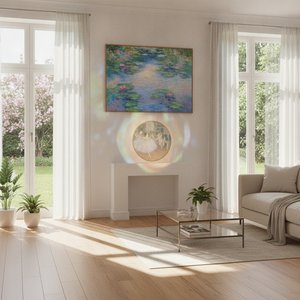
Painting with Light: How Impressionist Masterpieces Transform Your Home's Mood
Discover how Impressionist masterpieces transform your home's mood. Explore the luminous beauty of Monet and Renoir through our exquisite, hand-painted oil reproductions designed to bring light, warmth, and timeless elegance to your living space.