Rococo Style · 1735
Perseus and Andromeda (Charles André van Loo, 1735)
Charles André van Loo (1705–1765) a realizat Perseus and Andromeda. Data sa este din 1735. Face parte din mișcarea Rococo Style. Este realizată în Oil On Canvas. Este păstrat la Muzeul Ermitaj în Sankt Petersburg, Rusia. Dimensiunile sunt 73 × 92 cm.
- 1735
- Oil On Canvas
- 73 × 92 cm
- Muzeul Ermitaj, Sankt Petersburg

 Previzualizare

 Tablou în ulei pictat manual
 Trimite prin felicitare
 Distribuie
 Fișă informativă


 Descarcă imaginea
 Produse similare
 Radiografie
 Galerie foto
 Întrebări și răspunsuri

 Statistici
Perseus and Andromeda, pe scurt
- Titlu
- Perseus and Andromeda
- Artist
- Charles André van Loo (1705–1765)
- Artist născut în
- Nisa, Franța
- Date
- 1735
- Medium
- Oil On Canvas
- Dimensiuni
- 73 × 92 cm
- Unde poate fi vizualizată
- Muzeul Ermitaj, Sankt Petersburg, Rusia
- Mișcare
- Rococo Style
- Perioadă
- Early Modern
- Subiect
- mythology, heroism, mythology narrative, sea monster, perseus, andromeda
Ce reprezintă Perseus and Andromeda?
A Struggle Amidst the Waves
The air feels heavy with the salt of the sea and the tension of a life hanging in the balance. Perseus moves with a sudden, decisive energy, his sword poised to strike as he confronts the terror of the Gorgon's legacy. Below him, the massive, lifeless form of the sea monster lies slumped, its struggle ended, while Andromeda remains a vision of vulnerability. She rests near the creature, her hands pressed to her head in a gesture of profound distress, her jewelry catching the light amidst the chaos of the rescue. The scene pulses with the immediate drama of a hero's arrival, capturing the exact moment where salvation meets certain peril.
The Language of Rococo Elegance
The composition flows with a grace that defies the violence of the subject matter. Rather than focusing on raw, gritty realism, the brushwork emphasizes a certain decorative fluidity. The palette relies on soft, luminous tones that transform a scene of death and rescue into something ethereal.- The use of delicate blue and gold hues to create an atmosphere of aristocratic refinement.
- Meticulous layering of glazes that lends a textural richness to the drapery and skin.
- A focus on rhythmic movement through the subtle folds of fabric and the curves of the bodies.
- The interplay of light and shadow to heighten the sense of divine intervention.
Symbolism and the Royal Court
This work emerges from the opulent atmosphere of Louis XV’s reign, reflecting a period fascinated by the ideals of classical mythology. Perseus represents more than a mere warrior; he embodies the triumph of intellect and courage over overwhelming obstacles. Andromeda, in her innocence, reflects the virtues of grace and the necessity of divine protection. During this era, such mythological narratives functioned as visual celebrations of authority and the heroic spirit. The painting carries the weight of the French court's aesthetic, where beauty and moral allegory are woven into every brushstroke, turning a myth into a statement of cultural sophistication.
În ce muzeu se află Perseus and Andromeda?
Muzeul Ermitaj
Sankt Petersburg, Rusia
Origini și Istoria Muzeului Ermitaj Povestea Muzeului Ermitaj începe în anul 1764, odată cu achiziția unei colecții de 225 de picturi de la negustorul din Berlin, Johann Ernst Gotzkowsky. Impulsionată de această achiziție, Ecaterina cea Mare a pus piatra de temelie a unei colecții care avea să definească prezența muzeului în Sankt Petersburg, Rusia. Aceste primele achiziții au format nucleul celui care avea să devină un vast depozit de artă europeană occidentală.


Imagini la înaltă rezoluție ale lui Perseus and Andromeda

Domeniu public: artistul a decedat în 1765.
Alte dimensiuni, cadrări și citări →Charles André van Loo, Perseus and Andromeda (1735), Muzeul Ermitaj. Domeniu public
Întrebări despre Perseus and Andromeda, răspunsuri
În ce muzeu se află originalul "Perseus and Andromeda"?
"Perseus and Andromeda" de Charles André van Loo este expusă la Muzeul Ermitaj, Sankt Petersburg, Rusia. Mențiunea muzeului se referă la lucrarea originală, nu la reproduceri.
În ce an a fost creat "Perseus and Andromeda" de Charles André van Loo?
Opera "Perseus and Andromeda" de Charles André van Loo a fost creată în 1735.
Ce tehnică a fost utilizată pentru "Perseus and Andromeda" de Charles André van Loo?
Tehnica utilizată pentru "Perseus and Andromeda" de Charles André van Loo este Oil On Canvas, iar reproducerile urmăresc să reducă aspectul acestei tehnici.
Care sunt dimensiunile originalului "Perseus and Andromeda" de Charles André van Loo?
Lucrarea originală "Perseus and Andromeda" de Charles André van Loo are dimensiunile de 73 x 92 cm.
Ce reprezintă "Perseus and Andromeda"?
Temele prezente în "Perseus and Andromeda" de Charles André van Loo includ mythology, heroism, mythology narrative, sea monster, perseus, andromeda, classical art. Împreună, acestea definesc subiectul întregii opere de artă.
Imaginea pentru "Perseus and Andromeda" de Charles André van Loo poate fi reprodusă liber?
În ceea ce privește drepturile de autor, "Perseus and Andromeda" este în domeniul public – drepturile de autor au expirat.
La ce artist este atribuită opera „Perseus and Andromeda”?
„Perseus and Andromeda” este atribuit lui Charles André van Loo.
Din ce curent artistic face parte "Perseus and Andromeda" de Charles André van Loo?
„Perseus and Andromeda” este o operă de Rococo Style. Acest curent indică tradiția artistică din care face parte lucrarea.
În ce etapă a evoluției lui Charles André van Loo se încadrează „Perseus and Andromeda”?
În cariera lui Charles André van Loo, „Perseus and Andromeda” aparține perioadei Mature Period. Această etapă facilitează compararea sa cu celelalte opere ale artistului.
Despre artistul Charles André van Loo
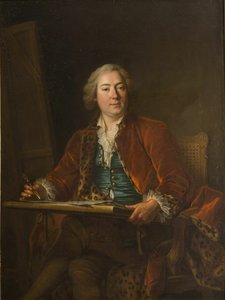
1705–1765, Franța
Charles André van Loo
Early Life and Training Charles André van Loo, born February 15, 1705, in Nice, France, was the youngest son of Louis-Abraham van Loo, a celebrated Dutch painter who had established himself in France during the Baroque era. His elder brother, Jean Baptiste van Loo, equally accomplished and influential, nurtured his artistic talent from an early age, shaping him into one of the foremost figures of the Rococo movement. The family’s lineage traced back to Jacob van Loo, a Flemish artist who had emigrated to Amsterdam in the seventeenth century, marking them as inheritors of a rich artistic tradition. Initially trained in Turin under Benedetto Luti—a renowned sculptor and teacher—van Loo continued his studies in Rome during 1712-1714, immersing himself in the vibrant intellectual and artistic atmosphere of the papal city.
Despre Charles André van Loo Lucrări remarcabile ale lui Charles André van Loo
Alte lucrări ale lui Charles André van Loo
 Spanish Concert (Spanish Сonversation)1754
 Aeneas Carrying Anchises1729
 The sultana1747
 Jerusalem Delivered Tancredi Fighting Clorinda1733

Eseuri despre Perseus and Andromeda
 Captured Courage: A Study of Dramatic Artworks Depicting Heroic Rescues and Human ResilienceExplore the powerful history of heroic rescue art from Cellini to Géricault. Discover tales of human resilience through masterworks.
 Charles-André van Loo: A Study in Rococo Portraiture & the French Court's Artistic DynamicsExplore the elegant world of Charles-André van Loo, a master of Rococo portraiture at the French court. Discover his life, techniques, and …
 25 Masterpieces by Jean-Antoine Watteau: The Essence of Rococo EleganceExplore 25 iconic Rococo masterpieces by Jean-Antoine Watteau. Discover the full collection online at OriginalUniqueArt.com.