

 Vezi în context
 Trimite
 Distribuie
 Detalii
 Ghidul

 Descarcă
 Produse similare
 Radiografie
 Diaporama
 Statistici
Life of St Augustine Saint Augustine Disputing with the Donatists
 Oil On Canvas
- WallArt
- Rococo Style
 1753
1753- Early Modern
 400.0 x 550.0 cm
 Basilique Notre
 Citește mai mult
Reproducere pictată manual în ulei
Pictură în ulei pe pânză, realizată manual de artiștii noștri la dimensiunea și ramele dorite de dumneavoastră, pe comandă. ( Comută pe versiunea Print Treci la imagine digitală)




P118B lei10

P118H lei10

P118W lei10

P438Z lei10

P508JH lei12

P508YH lei12

P805H lei10

P805Z lei10

P919BZ lei10

P919G lei10

P919XJ lei10

P959ZH lei10

P968JZ lei12

W106C lei8

W218G lei10

W218JH lei8

W218Y lei10

W307PJ lei10

W316G lei10

W316PJ lei8

W316Y lei10

W398PJ lei8

W4111J lei10

W500HY lei15

W500JH lei15

W692G lei12

W849H lei8

W940BG lei15

W953PJ lei8




Alegeți dintre dimensiunile noastre prestabilite, care respectă proporțiile originale ale operei de artă.

Introduceți lățimea și înălțimea de care aveți nevoie, pentru a se potrivi ramei sau peretelui dumneavoastră. Această lucrare este pictată manual, așa că pentru o dimensiune cu o formă diferită, artistul poate picta puțin mai mult în jurul imaginii sau poate tăia puțin din margini — dumneavoastră decideți. Vă vom trimite o simulare digitală pentru aprobare înainte de a începe pictarea. Imaginea afișată pe această pagină nu reprezintă rezultatul real — doar simularea este reprezentativă.
După plasarea comenzii, echipa OriginalUniqueArt.com va contacta clientul prin e-mail pentru instrucțiuni și îi va furniza o previzualizare a machetei
Livrare în întreaga lume () în 3-4 săptămâni, în loc de cele 5 săptămâni standard. (24 Octombrie). Fără compromisuri în ceea ce privește calitatea.

Livrare expres gratuită la nivel mondial

Pânză de in premium

Asigurare completă pentru transport

Garanție de rambursare a taxelor vamale

Garanția fidelității culorilor

Politica de retur în 100 de zile (doar pentru defecte)

Garanție de rambursare 100%

Reducere pentru comenzi multiple
 Opțiunea cu sticlă este disponibilă doar pentru dimensiuni de sub 110 cm

Life of St Augustine Saint Augustine Disputing with the Donatists
Tip de reproducere
Dimensiune reproducere
-


Preț total
lei 1391
A Window Into Enlightenment: The Intellectual Drama of Van Loo
In the grand tapestry of eighteenth-century art, few works capture the electric tension between faith and reason as masterfully as Charles-André van Loo’s 1753 masterpiece, Life of St Augustine Saint Augustine Disputing with the Donatists. This expansive oil on canvas is far more than a mere historical reconstruction; it is a meticulously crafted tableau that breathes life into the intellectual fervor of the Enlightenment era. As the eye wanders across the vast composition, it is immediately arrested by the central figure of Saint Augustine, whose animated posture and fervent expression embody a relentless pursuit of truth. Surrounded by companions engaged in spirited debate, the scene transcends its theological subject matter to mirror the philosophical dialogues that defined the reign of Louis XV, inviting every viewer to witness a moment where dogma meets scrutiny.
The setting itself serves as a silent protagonist in this drama. Arranged around a table laden with heavy books and scattered documents, the figures exist within an atmosphere of academic rigor and spiritual urgency. Van Loo utilizes the dramatic technique of chiaroscuro—the masterful interplay of light and shadow—to heighten the emotional stakes of the dispute. The light does not merely illuminate; it carves out the importance of each participant’s stance, casting deep shadows that suggest the gravity of the Donatist heresy and the weight of the theological consequences at stake. This strategic use of light creates a sense of depth and movement, pulling the observer into the very heart of the conversation.
Rococo Elegance and the Art of the Brush
While the subject matter is heavy with historical significance, Van Loo executes the scene with the unmistakable grace of the Rochoco style. The painting is a triumph of delicate brushwork and a luxurious, luminous palette. Eschewing the somber tones often associated with religious history painting, Van Loo embraces a spectrum of pastel hues—creams, golds, soft pinks, and ethereal blues—to create an atmosphere that feels both regal and transcendent. This lightness of color provides a breathtaking contrast to the darker architectural elements, lending the work an almost dreamlike quality that is characteristic of the era's refined ornamentation.
For the discerning collector or interior designer, this piece offers a profound sense of prestige and narrative depth. The artist’s ability to render the intricate folds of drapery and the subtle nuances of facial expressions demonstrates a level of technical virtuosity that commands attention in any grand space. Whether placed in a library, a formal study, or a sophisticated gallery setting, the painting acts as a focal point of conversation. It does not merely decorate a wall; it anchors a room with its historical weight and aesthetic splendor, offering a timeless connection to an age where art, intellect, and divinity were inextricably entwined.
Întrebări și răspunsuri
Din ce este realizată "Life of St Augustine Saint Augustine Disputing with the Donatists" și în ce stil?
"Life of St Augustine Saint Augustine Disputing with the Donatists" este realizată în Oil On Canvas, în stilul Rococo Style.
„Life of St Augustine Saint Augustine Disputing with the Donatists” prezintă contraste puternice între lumină și întuneric?
Contrastul lumină-umbră din "Life of St Augustine Saint Augustine Disputing with the Donatists" este înregistrat ca Balanced. Contrastul descrie cât de puternic diferă zonele luminoase de cele întunecate.
Care este locul ocupat de "Life of St Augustine Saint Augustine Disputing with the Donatists" de Charles André van Loo în istoria artei?
Din punct de vedere istoric, „Life of St Augustine Saint Augustine Disputing with the Donatists” este o operă Rococo Style din cadrul erei mai largi Early Modern.
Biografie artist
Early Life and Training
Charles André van Loo, born February 15, 1705, in Nice, France, was the youngest son of Louis-Abraham van Loo, a celebrated Dutch painter who had established himself in France during the Baroque era. His elder brother, Jean Baptiste van Loo, equally accomplished and influential, nurtured his artistic talent from an early age, shaping him into one of the foremost figures of the Rococo movement. The family’s lineage traced back to Jacob van Loo, a Flemish artist who had emigrated to Amsterdam in the seventeenth century, marking them as inheritors of a rich artistic tradition. Initially trained in Turin under Benedetto Luti—a renowned sculptor and teacher—van Loo continued his studies in Rome during 1712-1714, immersing himself in the vibrant intellectual and artistic atmosphere of the papal city. He benefited immensely from the tutelage of Pierre Legros, a master of disegno (drawing) who instilled in him meticulous observation skills and an unwavering commitment to classical principles. These formative years laid the groundwork for his distinctive style—characterized by elegance, grace, and painstaking detail—which would define his entire artistic career. Returning to Paris in 1723, van Loo swiftly ascended the ranks of the Académie royale de peinture et de sculpture, securing first prize for drawing—a prestigious honor that signaled his prodigious talent. This achievement cemented his position as one of the academy’s brightest pupils and foreshadowed his future success as a historical painter. The Académie's curriculum emphasized humanist ideals and artistic virtuosity, fostering a generation of artists dedicated to elevating art as a reflection of human intellect and beauty.Artistic Career and Notable Works
Charles André van Loo quickly established himself as a prolific artist, tackling diverse subjects with unwavering dedication—portraits, mythological scenes, historical narratives, allegories, and genre depictions—all rendered in the opulent style emblematic of Rococo. His artistic vision was profoundly influenced by his father’s legacy, particularly Jean Baptiste’s masterful handling of light and color, as well as his brother’s profound understanding of composition and theatricality. Among van Loo's most celebrated achievements are monumental canvases that capture pivotal moments in European history—most notably *Halt of the Hunt*, commissioned by King Louis XV to commemorate a royal hunt, which exemplifies the grandeur and dynamism characteristic of the Rococo aesthetic. Equally impressive is his depiction of Marie Leszczynska, Queen of France, portraying her with regal dignity and capturing the subtleties of aristocratic portraiture. Furthermore, he produced breathtaking mythological paintings—such as *Jupiter and Antiope*, demonstrating an exceptional grasp of classical iconography and artistic technique—and captivating genre scenes that offer glimpses into everyday life amidst lavish ornamentation. His oeuvre includes masterpieces like *Venus and Amor*, a sensual portrayal of divine love executed with exquisite delicacy and color harmony; *Perseus and Andromeda*, illustrating the heroic tale of Perseus slaying Medusa to rescue Andromeda from sea monsters, showcasing his skill in conveying narrative emotion through visual imagery; and *Mademoiselle Clairon as Medea*, a miniature portrait imbued with dramatic intensity—a testament to van Loo’s ability to distill complex emotions into compact compositions. Moreover, he achieved international renown for his engravings—particularly *The Rape of Proserpine*, which became one of the most popular prints of its time and solidified his reputation as a master printmaker. His artistic versatility extended beyond painting and engraving; he designed elaborate decorations for royal palaces and contributed significantly to the embellishment of Parisian interiors, shaping the visual landscape of the Enlightenment era.Patronage and Royal Recognition
Charles André van Loo enjoyed considerable patronage from influential figures—including Madame de Pompadour, Louis XV’s mistress—who recognized his artistic genius and commissioned him to undertake ambitious projects. This royal favor elevated his social standing and ensured that his work would be showcased in the most prestigious venues of the court. In 1762, he was appointed First Painter to King Louis XV—a position of immense prestige and responsibility—reflecting the monarchy’s unwavering faith in his artistic talent and securing him a prominent place among the leading artists of his time. His dedication to duty and excellence earned him the Order of Saint Michael—a symbol of royal honor—affirming his contribution to French culture and acknowledging his unwavering commitment to upholding artistic standards. Throughout his life, van Loo remained steadfast in his pursuit of artistic perfection, producing a vast body of work that continues to inspire admiration for its beauty and technical mastery.Influences and Legacy
Van Loo’s artistic sensibilities were shaped by the prevailing intellectual currents of his era—particularly the humanist philosophy championed by Descartes and Leibniz—which emphasized reason and observation as pathways to understanding the natural world. He drew inspiration from classical art and literature, adopting techniques honed by Michelangelo Buonarroti and Raphael Sanzio—masters who had established new paradigms for artistic expression. Despite facing competition from fellow Rococo artists like François Boucher—who possessed a distinctive style characterized by softer brushstrokes and pastel hues—van Loo maintained his own unwavering aesthetic vision. His meticulous attention to detail, combined with an innate understanding of composition and theatricality, profoundly influenced the modern French school of painting—establishing him as one of its foremost proponents and securing his enduring legacy as a pivotal figure in European art history.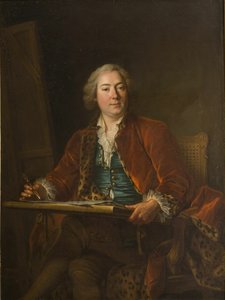
Charles André van Loo
1705 - 1765 , Franța
Informații rapide
- Artistic Movement Or Style: Rococo painting
- Artists Or Movements Influenced By This Artist: ['Modern French school']
- Artists Who Influenced This Artist:
- Benedetto Luti
- Pierre Le Gros
- Date Of Birth: Feb 15, 1705
- Full Name: Charles-André van Loo
- Nationality: French
- Notable Artworks:
- Venus and Amor
- Halt of the Hunt
- Portrait of Marie Leszczynska
- Jupiter and Antiope
- Self Portrait
- Place Of Birth: Nice, France
Articole conexe

Charles-André van Loo: A Study in Rococo Portraiture & the French Court's Artistic Dynamics
Explore the elegant world of Charles-André van Loo, a master of Rococo portraiture at the French court. Discover his life, techniques, and enduring influence on 18th-century art. Hand-painted reproductions available.

Rembrandt van Rijn: Cele Mai Frumoase 25 de Capodopere – Artă, Istorie și Decorațiuni Interioare
Descoperă cele mai frumoase 25 de picturi ale lui Rembrandt van Rijn! Explorează capodopere baroce, portrete emoționante și peisaje iconice. Reproduceri de artă de calitate muzeală pentru un design interior rafinat. Descoperă toate operele pe OriginalUniqueArt.com!

Top 10 Capodopere ale Picturii Netherlandeze Timpurii: Frumusețe și Simbolism pentru Decorul Tău
Descoperă top 10 capodopere ale picturii netherlandeze timpurii! Jan van Eyck, Robert Campin și alți maeștri renascentiști. Află poveștile din spatele simbolismului bogat și tehnicilor inovatoare. Reproduceri de artă de calitate muzeală pe OriginalUniqueArt.com.

Top 10 Capodopere Rococo: Arta, Istorie și Decor Excepțional | OriginalUniqueArt.ro
Descoperă top 10 capodopere Rococo de la Fragonard, Boucher și Watteau! Explorează istoria artei, tehnicile și culorile vibrante ale stilului Rococo. Reproduceri de artă excepționale pentru decorul perfect pe OriginalUniqueArt.ro.

Renașterea Netherlandeză Timpurie: 10 Capodopere Esențiale pentru Decorul de Lux
Descoperiți 10 capodopere ale Renașterii Netherlandeze timpurii! Jan van Eyck, Robert Campin și alți maeștri. Reproduceri de tablouri de lux pentru un decor artistic unic. Explorează colecția completă pe OriginalUniqueArt.com


