
![Landscape At Céret [paysage À Céret] — Chaim Soutine](/media/artworks/images-full/35/5a/355a615cc0de7aff615dd914cfa996d2.jpg)
 Vezi în context
 Trimite
 Distribuie
 Detalii
 Ghidul

 Descarcă
 Produse similare
 Radiografie
 Diaporama
 Statistici
Landscape at Céret [Paysage à Céret]
 Acrylic On Canvas
- WallArt
- Expressionism
 1922
1922- Modern
 79.0 x 87.0 cm
 Nagoya City Art Museum
 Citește mai mult
Giclée / Imprimare artistică
Printuri giclée sau pe canvas de calitate muzeală, cu proces de producție rapid și opțiuni flexibile de finisare. ( Comandă pictură realizată manual Treci la imagine digitală)




P118B lei10

P118H lei10

P118W lei10

P438Z lei10

P508JH lei12

P508YH lei12

P805H lei10

P805Z lei10

P919BZ lei10

P919G lei10

P919XJ lei10

P959ZH lei10

P968JZ lei12

W106C lei8

W218G lei10

W218JH lei8

W218Y lei10

W307PJ lei10

W316G lei10

W316PJ lei8

W316Y lei10

W398PJ lei8

W4111J lei10

W500HY lei15

W500JH lei15

W692G lei12

W849H lei8

W940BG lei15

W953PJ lei8




Alegeți dintre dimensiunile noastre prestabilite, care respectă proporțiile originale ale operei de artă.

Introduceți lățimea și înălțimea de care aveți nevoie, pentru a se potrivi ramei sau peretelui dumneavoastră. O printare poate fi doar tăiată, niciodată extinsă dincolo de dimensiunea imaginii originale, astfel încât o dimensiune cu o formă diferită va pierde o parte din imagine. Vă trimitem o simulare digitală pentru aprobare înainte de a imprima orice. Imaginea afișată pe această pagină nu prezintă tăierea reală — doar simularea arată acest lucru.
Livrare în întreaga lume () în 2 săptămâni, în loc de cele 4/5 săptămâni standard. (23 Octombrie)

Livrare expres gratuită la nivel mondial

Pânză de in premium

Asigurare completă pentru transport

Garanție de rambursare a taxelor vamale

Garanția fidelității culorilor

Politica de retur în 100 de zile (doar pentru defecte)

Garanție de rambursare 100%

Reducere pentru comenzi multiple
 Opțiunea cu sticlă este disponibilă doar pentru dimensiuni de sub 110 cm
![Landscape at Céret [Paysage à Céret]](/static/images/originaluniqueart/artworks/painting.a1e74a1cb7dc.png)
Landscape at Céret [Paysage à Céret]
Giclée / Imprimare artistică
Dimensiune reproducere
-


Preț total
lei 371
Landscape at Céret by Chaim Soutine: A Vision of Turbulent Beauty
Chaim Soutine’s “Landscape at Céret” is more than just a depiction of a Pyrenean hillside; it's a visceral expression of the artist’s inner turmoil and a testament to his singular artistic vision. Painted in 1922, during a pivotal period of his career, this work embodies the raw emotion that would come to define Soutine’s oeuvre – a style characterized by intensely expressive brushwork, distorted forms, and a profound engagement with the psychological landscape.
- Subject Matter: The painting presents a dramatic mountain scene dominated by gnarled trees ablaze with autumnal hues. A small village nestles amongst the foliage, adding a touch of human presence to the otherwise imposing natural world.
- Historical Context: Soutine’s time in Céret was profoundly influential. Following World War I, he sought refuge and creative renewal in this region, a place already associated with artistic innovation – notably, the Cubist explorations of Picasso and Braque. His relationship with art dealer Zachari Zborowski proved crucial to his success, providing both support and access to the Parisian art market.
A Style Forged in Emotion: Soutine’s Technique
Soutine's technique is immediately arresting. He employs a dynamic, almost violent brushstroke – thick impasto applied with a frenetic energy that seems to capture the very essence of movement and instability. The trees aren’t rendered realistically; instead, they are monumentalized, their branches twisting and reaching like tormented limbs. This distortion isn't merely stylistic; it reflects Soutine’s emotional state, his struggle to reconcile beauty with suffering.
- Impasto Technique: The heavy application of paint (impasto) creates a tactile surface, inviting the viewer to engage physically with the artwork.
- Color Palette: Dominated by yellows, ochres, and browns, the color palette evokes a sense of heat, intensity, and perhaps even decay – mirroring the themes of mortality and transformation often present in Soutine’s work.
- Brushwork: The swirling, directional brushstrokes create a powerful sense of movement and energy, drawing the eye across the canvas and contributing to the painting's overall feeling of unease.
Symbolism and Emotional Resonance
"Landscape at Céret" is laden with symbolic weight. The towering trees can be interpreted as representing both strength and vulnerability, while the solitary figure gazing out towards the viewer suggests a sense of isolation and contemplation. The chaotic arrangement of elements – the distorted forms, the intense colors – reflects Soutine’s own psychological state, hinting at the anxieties and uncertainties that permeated his life. The painting speaks to themes of memory, loss, and the struggle for meaning in a world often perceived as hostile or absurd.
- Interpretation: The scene can be seen as a reflection of Soutine's own emotional landscape – turbulent, passionate, and deeply personal.
- Human Element: The presence of the figure adds another layer of complexity, inviting viewers to consider their own relationship with nature and the act of observation.
Dimensions & Details
This exceptional reproduction captures every nuance of Soutine’s original masterpiece. The dimensions are 79 x 87 cm (31 ¼ x 34 ¼ inches), making it suitable for a variety of interior spaces. Produced using high-quality materials, this hand-painted reproduction offers an authentic representation of this iconic work, ensuring that its beauty and emotional power will be enjoyed for generations to come.
Întrebări și răspunsuri
Ce nivel de saturație și intensitate prezintă "Landscape at Céret [Paysage à Céret]" de Chaim Soutine?
Culorile din "Landscape at Céret [Paysage à Céret]" de Chaim Soutine prezintă o saturație de Subtle Color cu o intensitate de Balanced.
Ce fel de piesă este "Landscape at Céret [Paysage à Céret]"?
"Landscape at Céret [Paysage à Céret]" de Chaim Soutine este clasificată ca WallArt. Această categorie descrie tipul de operă de artă din care este compusă originalul.
Din ce perioadă istorică face parte "Landscape at Céret [Paysage à Céret]" de Chaim Soutine?
Perioada istorică a operei "Landscape at Céret [Paysage à Céret]" de Chaim Soutine este Modern. Această clasificare plasează lucrarea în contextul istoriei artei.
Biografie artist
A Life Forged in Turmoil: The World of Chaim Soutine
Chaim Soutine, un nume care rezonează cu intensitate și mister în lumea artei moderne, a fost un pictor rus-francez al cărui stil unic și expresiv a marcat o epocă. Născut în Smilovichi, Rusia (actualul Belarus), la 13 ianuarie 1893, într-o familie evreiască săracă, viața lui Soutine a fost modelată de dificultăți și restricții, influențe care s-au reflectat profund în operele sale. Deși reprezentarea figurativă era descurajată în cadrul comunității sale religioase, un talent latent pentru desen a început să se dezvolte, anticipând intensitatea emoțională care va defini întregul său artistice. A urmat cursurile unei școli de arte în Vilna (actualul Vilnius), Lituania, între 1910 și 1913, dar emigrarea sa în Paris în 1913 s-a dovedit a fi un punct de cotitură decisiv. Înscrierea la École des Beaux-Arts sub îndrumarea lui Fernand Cormon l-a plasat într-o comunitate artistică vibrantă, dar el a rămas marginalizat, creând o cale distinctă, una care va defini stilul său unic. Primii săi ani în Paris au fost marcați de sărăcie extremă, o luptă care a reflectat turbulențele emoționale din adâncul tablitei sale.An Expressionist Apart: Style and Influences
Deși adesea clasificat ca un artist expresionist, etichetarea lui Soutine doar în acest cadru este limitativă. Stilul său era profund individual, o sinteză convingătoare a picturii europene tradiționale – în special a maeștrilor olandezi precum Rembrandt și Chardin, și a realismului lui Courbet – filtrată printr-o lentilă de intensitate emoțională brută. El nu a imitat pur și simplu acești maeştri; i-a absorbit tehnicile și strategiile compoziționale, apoi le-a reinterpretat violent pentru a exprima propria sa lume interioară. Culorile îndrăznețe, aplicate cu impasto gros – o aplicație texturată a vopselei care îi dă suprafețelor sale o fizicalitate palpabilă – și contururile energice sunt caracteristici ale stilului său. Soutine nu era interesat de reprezentarea precisă; el căuta să capteze esența emoțională a subiectelor sale, imbuindu-le adesea cu un sentiment de neliniște sau tensiune psihologică. Peisajele, portretele și naturile moarte au devenit vehiculele sale preferate pentru această explorare, teme recurente precum mâncarea și animalele reflectând atât experiențe personale, cât și moștenirea sa evreiască. Acestea nu erau doar reprezentări; erau expresii viscera care transmiteau emoții intense. Soutine a fost influențat de picturile lui Chardin și Rembrandt, dar le-a reinterpretat cu o intensitate unică.Development and Defining Works
Dezvoltarea artistică a lui Soutine s-a desfășurat prin perioade distincte, fiecare marcată de explorări stilistice unice. Primii săi ani parizi (1913-1917) au fost marcați de lupta pentru a-și găsi vocea în mijlocul sărăciei. Perioada petrecută la Céret între 1919 și 1922 s-a dovedit crucială. Aici, înconjurat de peisajele dramatice din sudul Franței, a creat multe dintre cele mai celebrate opere ale sale. Aceste picturi sunt caracterizate de culori vibrante, forme distorsionate și un sentiment de energie aproape violentă. Copacii, șansele și câmpurile devin mase în mișcare de vopsea, reflectând nu doar ce Soutine vedea ci și modul în care *se simțea* în preajma lor. Portretele sale, de asemenea, se disting prin adâncimea psihologică, provocând convențiile tradiționale de portretizare și dezvăluind demnitatea și vulnerabilitatea subiecților săi. Naturile moarte – aranjamente de mâncare și obiecte – transmit, de asemenea, un sentiment de vitalitate, dar și o energie tulburătoare, ca și cum obiectele inanimate ar fi imbucurate cu viață și emoție. Lucrări notabile din această perioadă includ studii legate de “Dansul vieții”, alături de numeroase peisaje care surprind esența lui Céret și portrete pline de umanitate ale emigranților ruși din Paris.Recognition, Legacy, and Lasting Impact
Soutine a fost o figură cheie în Școala de la Paris, un grup divers de artiști care lucrau în oraș în primii ani ai secolului XX. Cu toate acestea, calea sa către recunoaștere nu a fost una simplă. Dealerul de artă Leopold Zborowski a jucat un rol crucial în promovarea operei sale și asigurarea stabilității financiare, recunoscând puterea unică a viziunii sale. Recepția inițială critică a fost mixtă, dar reputația sa a crescut treptat în timp. Utilizarea sa expresivă a vopselei și intensitatea emoțională au influențat profund artiștii mai tineri, inclusiv Willem de Kooning și Francis Bacon, care au văzut în Soutine un spirit frăumos – un artist dispus să depășească limitele reprezentării în căutarea unei expresii autentice. Astăzi, Chaim Soutine este recunoscut drept o figură majoră în expresionism și un contribuitor semnificativ la arta secolului XX. Lucrările sale sunt deținute în muzee prestigioase din întreaga lume, mărturii ale moștenirii sale durabile. El reprezintă o punte crucială între tehnicile picturale europene tradiționale și formele emergente ale expresionismului abstract, punând accent pe exprimarea emoțională mai degrabă decât pe reprezentarea obiectivă și dezvoltând o voce artistică care a transcendat preocupările convenționale ale expresionismului. Stilul său inovator a deschis drumul pentru generațiile viitoare de artiști care caută să exploreze adâncurile lumii umane prin puterea vopselei.
Chaim Soutine
1894 - 1943 , Rusia
Informații rapide
- Artistic Movement Or Style: Expresionism
- Artists Or Movements Influenced By This Artist:
- Willem de Kooning
- Francis Bacon
- Artists Who Influenced This Artist:
- Rembrandt
- Chardin
- Courbet
- Date Of Birth: 13 ianuarie 1893
- Date Of Death: 9 august 1943
- Full Name: Chaim Soutine
- Nationality: Francez
- Notable Artworks:
- Peisaj suburban
- Untitled (2161)
- Studiu pentru Dans
- Place Of Birth: Smilovici, Rusia
Articole conexe

Evocations of Place: A Historical Journey Through Landscape Art
Explore the rich history of landscape art with OriginalUniqueArt. Discover renowned artists, movements like Impressionism & Romanticism, and expert guidance for collecting timeless pieces. Find your perfect serene escape today!
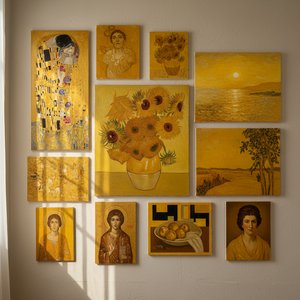
Top 10 Capodopere Pictate în Nuanțe de Ocră Galben: Artă și Decor Inspirat
Descoperă top 10 picturi celebre dominate de nuanțe calde de ocră galben! Explorează poveștile lui Van Gogh, Monet și Rembrandt. Găsește inspirație pentru decorul tău cu reproduceri artă de calitate muzeală pe OriginalUniqueArt.com

Peisaje Romantice Iconice: 10 Capodopere Artistice pentru Decorul de Lux
Descoperă 10 capodopere romantice iconice de Caspar David Friedrich, Turner și alți maeștri. Explorează istoria artei, emoțiile din peisaje și găsește tablouri canvas perfecte pentru decorul tău pe OriginalUniqueArt.com!

Evocations of Place: A Historical Journey Through Landscape Art
Explore the rich history of landscape art with OriginalUniqueArt. Discover renowned artists, movements like Impressionism & tonalism, and expert guidance for collecting timeless pieces. Find your perfect serene escape today!

John Constable: Cele Mai Frumoase 25 de Capodopere – Artă Clasică pentru Decorul Casei Tale
Descoperă cele mai frumoase 25 de picturi ale lui John Constable, maestru al peisajului englezesc! Explorează stilul romantic, Dedham Vale și capodopere precum The Hay Wain. Reproduceri artă clasică pentru decorul casei tale – OriginalUniqueArt.com.

