
 Previzualizare
 Trimite
 Distribuie
 Detalii despre lucrare

 Descarcă
 Produse similare
 Radiografie
 Diapozitive automate
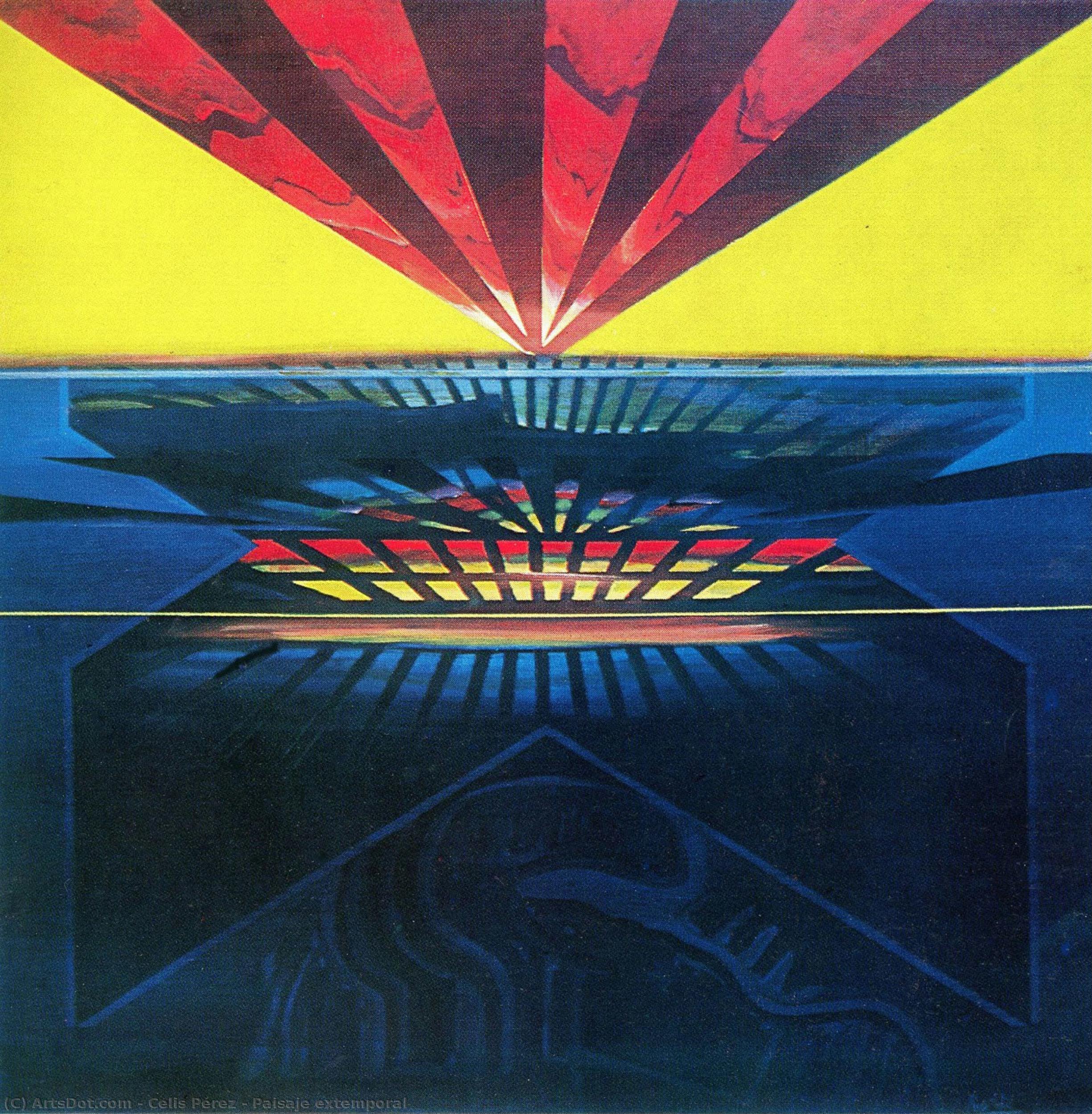
Paisaje extemporal


 Vezi mai mult
Giclée / Imprimare artistică
Printuri giclée sau pe canvas de calitate muzeală, cu proces de producție rapid și opțiuni flexibile de finisare. ( Comandă pictură lucrată manual Cumpără imaginea)




































Alegeți dintre dimensiunile noastre prestabilite, care respectă proporțiile originale ale operei de artă.

Puteți introduce propriile dimensiuni pentru a se potrivi unui anumit cadru sau spațiu. Dacă dimensiunea selectată nu corespunde proporțiilor imaginii originale, vom decupa lucrarea de artă sau vom extinde imaginea cu margini oglindite sau cu o culoare uniformă. Un mockup digital va fi trimis pentru aprobarea dumneavoastră înainte de începerea producției.
Vă rugăm să rețineți că previzualizarea de pe ecran nu reflectă decuparea sau extinderea reală. Doar mockup-ul va arăta cu exactitate compoziția finală.
Deși dimensiunile personalizate sunt disponibile, vă recomandăm să selectați o dimensiune din lista predefinită pentru a păstra proporțiile originale.
Livrare în întreaga lume () în 2 săptămâni, în loc de cele 4/5 săptămâni standard. (14 August)

Livrare expres gratuită la nivel mondial

Pânză de in de înaltă calitate

Asigurare completă pentru transport

Garanție de rambursare a taxelor vamale

Garanția fidelității culorilor

Politica de retur în 60 de zile (doar pentru defecte)

Garanție de rambursare 100%

Ofertă pentru comenzi multiple
 Opțiunea cu sticlă este disponibilă doar pentru dimensiuni de sub 110 cm

Paisaje extemporal
Giclée / Imprimare artistică
Dimensiune reproducere
-


Preț total calculat
$ 80
Descriere obiect de colecție
A Symphony of Light and Geometry
In the evocative masterpiece Paisaje extemporal, created in 1968, the Argentine master Celis Pérez invites us into a realm where the boundaries between landscape and abstraction dissolve into pure emotion. This work serves as a breathtaking meditation on the essence of light, capturing a moment that feels both timeless and fleeting. At first glance, the viewer is greeted by a radiant, sun-drenched atmosphere, dominated by a luminous yellow background that seems to pulse with the warmth of a rising or setting sun. Red accents dance across the canvas, injecting a rhythmic vitality that mimics the flickering heat of a summer twilight. It is not merely a depiction of a sunset, but an exploration of the very energy that light imparts to the world.
The composition is a masterful study in balance and structural intrigue. Pérez utilizes a sophisticated interplay of geometric forms to guide the eye through a dreamlike topography. A striking yellow triangle, accented with delicate red strokes, floats above the horizon line, acting as a celestial anchor that disrupts the traditional landscape perspective. This use of geometry creates a tension between the organic feeling of a sunset and the calculated precision of abstract art. The foreground is particularly captivating, featuring an intricate pattern of light and shadow that lends a profound sense of depth to the piece. These shadows are not merely dark spaces but are textured layers that invite the viewer to step into the painting, discovering new nuances with every glance.
The Legacy of Argentine Abstraction
To understand Paisaje extemporal, one must look toward the rich artistic heritage of Celis Pérez. Born in the historic San Telmo district of Buenos Aires, Pérez was a pivotal figure in the evolution of Latin American abstraction. His technique reflects a deep engagement with the visual language of his era, blending the structural rigor found in geometric abstraction with a soulful, almost lyrical approach to color. By 1968, when this piece was executed, Pérez had refined his ability to use color as a primary narrative tool, moving away from literal representation toward a more spiritualized version of reality. The painting stands as a testament to his ability to translate the physical sensation of light into a permanent, visual rhythm.
For the discerning collector or interior designer, this artwork offers much more than mere decoration; it provides a focal point of intellectual and emotional depth. The warm palette of golds, yellows, and reds makes it an ideal centerpiece for spaces designed to evoke warmth, creativity, and sophistication. Whether placed in a contemporary gallery setting or a curated residential lounge, the painting’s ability to manipulate light and space creates an atmosphere of serene contemplation. Owning a reproduction of such a significant work allows one to bring the vibrant spirit of Argentine modernism into the home, offering a daily encounter with the sublime beauty of a world captured in perfect, geometric harmony.
Biografie artist
A Life Immersed in Geometry and Light: The World of Celis Pérez
Celis Pérez, born in the vibrant heart of San Telmo, Buenos Aires, Argentina, on January 15, 1939, emerged as a pivotal figure in Latin American abstract art. His artistic journey wasn’t defined by immediate acclaim but rather unfolded gradually, fueled by correspondence courses that ignited an early passion and solidified through formal studies at the Belgrano School of Fine Arts in 1954. Even during his formative years, working as a newsboy, he was absorbing the visual world around him – unknowingly laying the groundwork for his future explorations of form and color. Pérez’s creative process wasn't merely about producing art; it was about constructing a unique visual language, deeply rooted in both personal experience and a profound engagement with the artistic currents shaping his time. His early exposure to drawing and painting through these foundational lessons proved instrumental, setting him on a trajectory toward becoming one of Argentina’s most celebrated abstract artists.The Vasarely Spark and the Rise of Geometric Abstraction
A transformative moment in Pérez's artistic development occurred in 1957 with a retrospective dedicated to Victor Vasarely at the National Fine Arts Museum. This encounter proved profoundly influential, igniting within him a fascination with geometric abstraction – a style that would dominate much of his subsequent work. Vasarely’s meticulous and systematic approach resonated deeply, prompting Pérez to embark on his own exploration of this visual vocabulary. It wasn't simply imitation; rather, he absorbed the principles of geometric construction, meticulously studying their application, and began to infuse them with his distinctive sensibility. This intellectual engagement culminated in 1962 with *Fuerza América*, his inaugural mural – a bold declaration that signaled his arrival as a significant force within the Argentine art scene. This early work wasn’t merely an aesthetic exercise; it was a deliberate statement of intent, showcasing his commitment to pushing boundaries and forging a new visual language. The impact of this initial foray into large-scale geometric compositions reverberated throughout his career, establishing a core element of his artistic identity.A Global Dialogue: Exhibitions and Recognition
Pérez’s artistic vision extended far beyond the confines of Argentina, finding resonance in galleries and museums across the globe. He participated in over 120 solo exhibitions during his lifetime – a remarkable testament to the enduring appeal of his work. These weren't confined to Latin America; he showcased his art at prestigious institutions such as the Museo Nacional de Bellas Artes in Buenos Aires and even the Musée d’Orsay in Paris, a significant achievement for an artist deeply rooted in Argentine identity. His ability to connect with diverse audiences speaks volumes about the universality of his artistic concerns: the interplay of form, color, and light; the exploration of spatial relationships; and the evocative power of abstract art to trigger emotional responses. This international recognition wasn’t simply about exposure; it was a validation of his unique contribution to the broader conversation within modern art – solidifying his place as a respected voice on the global stage.Beyond Canvas and Walls: Murals, Awards, and Lasting Legacy
Pérez's artistic reach extended beyond traditional canvases and gallery walls. He received significant commissions, including the prestigious Alba Award at the 61st Salón Nacional de Artes Plásticas Argentino in 2001 – a recognition of his enduring contribution to Argentine art. Perhaps most notably, he created murals for Club Atlético Boca Juniors’ iconic La Bombonera stadium – a project that brought his art directly to a massive public audience and cemented his place within Argentine popular culture. These weren't merely decorative additions; they were integral components of the stadium’s atmosphere, adding another layer of visual energy to the passionate world of Argentine football. His work became interwoven with the fabric of everyday life, demonstrating the power of art to transcend elitist boundaries and connect with people from all walks of life. Tragically, Pérez passed away in 2008 at the age of 69 after battling leukemia, but his legacy continues through his numerous works – a vibrant testament to his enduring vision and artistic innovation. His paintings, sculptures, and murals remain as captivating reminders of an artist who dared to explore the boundaries of abstraction and create a visual world that is both intellectually stimulating and emotionally resonant. Works like “Guerra Santa” and “Bird in the Space Gold” exemplify his mastery of color and form, continuing to captivate audiences today.Early Life and Influences
Born in San Telmo, Buenos Aires, on January 15, 1939, Celis Pérez’s early life was shaped by a modest upbringing. He began working as a newsboy at the age of ten, an experience that instilled in him a keen observation of the visual world – absorbing the details of cityscapes and human interactions. This formative period laid the foundation for his future artistic explorations. His formal art education commenced with correspondence courses, sparking an initial passion for drawing and painting. These early lessons provided him with essential skills and introduced him to fundamental principles of composition and technique. He enrolled at the Belgrano School of Fine Arts in 1954, where he honed his craft and developed a deeper understanding of artistic history and theory. His childhood experiences, combined with his formal training, created a unique synthesis that would inform his distinctive style.Key Works and Artistic Style
Pérez’s artistic style is characterized by its geometric precision, vibrant color palettes, and dynamic compositions. He was deeply influenced by Victor Vasarely's work, particularly his exploration of optical illusions and the relationship between geometry and perception. However, Pérez didn’t simply imitate Vasarely; he developed a unique approach that incorporated elements of Argentine indigenous art and folklore – evident in recurring motifs and symbolic imagery. His murals are particularly noteworthy for their scale and impact, transforming public spaces into immersive visual experiences. Notable works include *Fuerza América* (1962), a monumental mural celebrating Argentine identity; *Guerra Santa* (1970), a complex composition exploring themes of conflict and reconciliation; and *Bird in the Space Gold* (1978), a striking example of his mastery of color and form. His art is often described as “geometric abstraction” but also possesses elements of surrealism and expressionism, reflecting the breadth of his artistic influences.
Celis Pérez
1939 - 2008 , Argentina
Detalii rapide
- Artistic Movement Or Style: Abstract art, Geometric art
- Artists Or Movements Influenced By This Artist: ['Surrealism']
- Artists Who Influenced This Artist: ['Victor Vasarely']
- Date Of Birth: 1939
- Date Of Death: 2008
- Full Name: Celis Pérez
- Nationality: Argentina
- Notable Artworks:
- Fuerza América
- Guerra Santa
- Bird in the space gold
- Place Of Birth: San Telmo, Argentina
Articole similare

Cele mai importante 10 capodopere ale abstracției geometrice | Artă & Decor de lux pe OriginalUniqueArt.com
Descoperă cele mai importante 10 capodopere ale abstracției geometrice! Explorează istoria, artiștii (Mondrian, Kandinsky) și culorile vibrante care au definit arta modernă. Reproduceri de tablouri de lux pe OriginalUniqueArt.com pentru un decor interior rafinat. Explorează colecția online!

Wassily Kandinsky: Cele Mai Iconice 25 De Opere – Artă Abstractă pentru Decor Rafinat
Descoperă cele mai emblematice 25 de opere ale lui Wassily Kandinsky, pionierul artei abstracte! Explorează culorile vibrante, compozițiile unice și istoria fascinantă din spatele fiecărei picturi. Reproduceri de calitate muzeală pe OriginalUniqueArt.com – inspiră-ți decorul cu artă modernă!

Neo-Abstract Art: The High-Impact Evolution of Modern Visual Energy and Geometric Sophistication
Discover the power of Neo-Abstract art. Explore how bold geometric forms and high-impact visual energy are redefining modern design. Learn to curate sophisticated, high-energy spaces with the latest trends in contemporary abstraction and structural color.

Beyond Form & Color: Geometric Abstraction's Evolution in 20th/21st Century Art
Explore the evolution of geometric abstraction from Cubism to contemporary art. Discover key artists like Malevich & Mondrian, investment insights, and expert collecting advice at OriginalUniqueArt.

Mark Rothko: Cele Mai Iconice 25 De Capodopere – Artă Abstractă pentru Decor Rafinat
Descoperă cele mai iconice 25 de picturi abstracte ale lui Mark Rothko! Explorează istoria, culorile și emoțiile din spatele fiecărei capodopere. Reproduceri artă de calitate muzeală & inspirație decor pe OriginalUniqueArt.com.

