
 Previzualizare
 Trimite
 Distribuie
 Detalii despre lucrare

 Descarcă
 Produse similare
 Radiografie
 Diapozitive automate
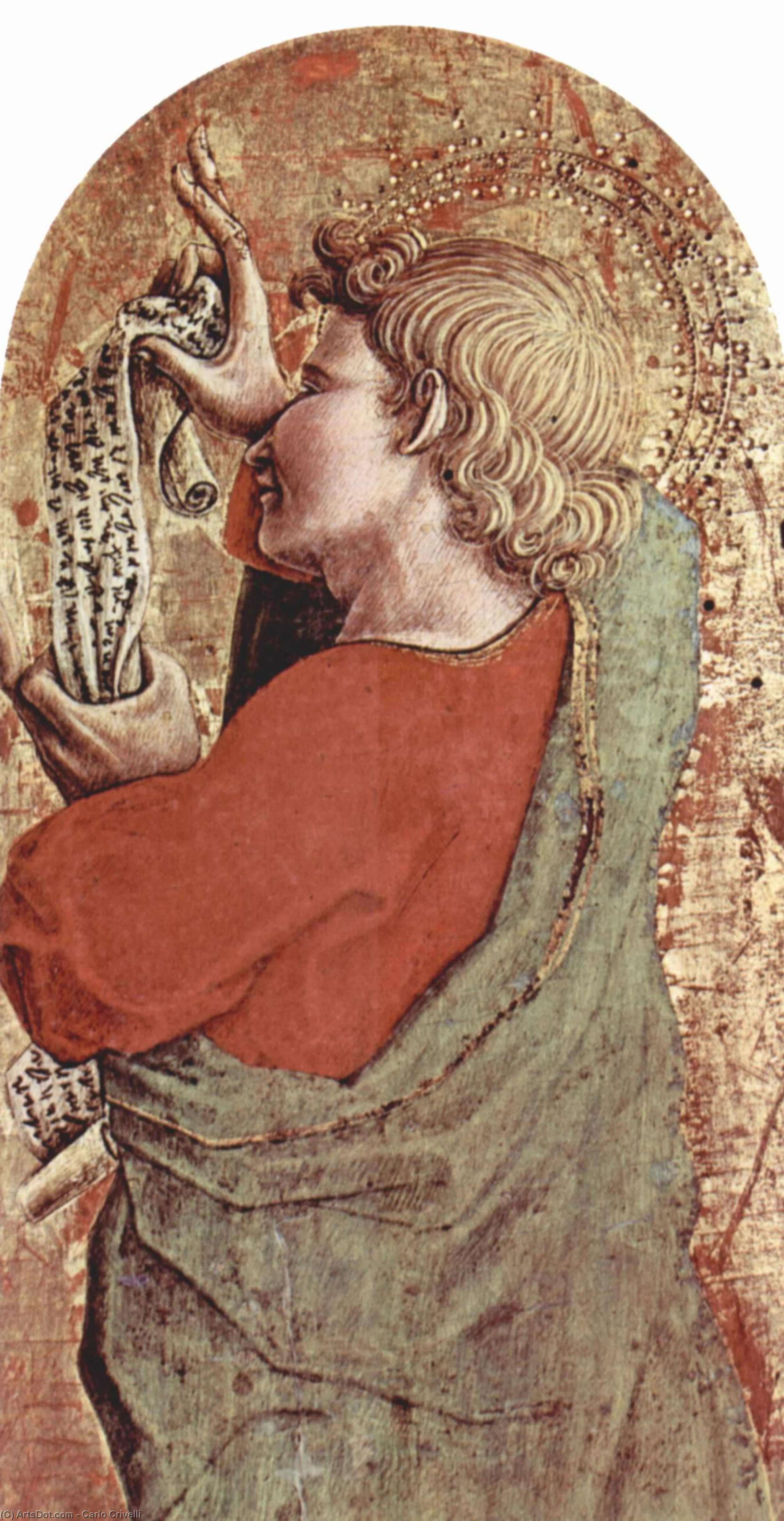
Saint James
 Oil On Panel
- Early Renaissance
 1473
1473- Renaissance
 29.0 x 17.0 cm
 Vezi mai mult
Giclée / Imprimare artistică
Printuri giclée sau pe canvas de calitate muzeală, cu proces de producție rapid și opțiuni flexibile de finisare. ( Comandă pictură realizată manual Comută la imagine)




P118B $10

P118H $10

P118W $10

P438Z $10

P508JH $12

P508YH $12

P805H $10

P805Z $10

P919BZ $10

P919G $10

P919XJ $10

P959ZH $10

P968JZ $12

W106C $8

W218G $10

W218JH $8

W218Y $10

W307PJ $10

W316G $10

W316PJ $8

W316Y $10

W398PJ $8

W4111J $10

W500HY $15

W500JH $15

W692G $12

W849H $8

W940BG $15

W953PJ $8




Alegeți dintre dimensiunile noastre prestabilite, care respectă proporțiile originale ale operei de artă.

Puteți introduce propriile dimensiuni pentru a se potrivi unui anumit cadru sau spațiu. Dacă dimensiunea selectată nu corespunde proporțiilor imaginii originale, vom decupa lucrarea de artă sau vom extinde imaginea cu margini oglindite sau cu o culoare uniformă. Un mockup digital va fi trimis pentru aprobarea dumneavoastră înainte de începerea producției.
Vă rugăm să rețineți că previzualizarea de pe ecran nu reflectă decuparea sau extinderea reală. Doar mockup-ul va arăta cu exactitate compoziția finală.
Deși dimensiunile personalizate sunt disponibile, vă recomandăm să selectați o dimensiune din lista predefinită pentru a păstra proporțiile originale.
Livrare în întreaga lume () în 2 săptămâni, în loc de cele 4/5 săptămâni standard. (10 August)

Livrare expres gratuită la nivel mondial

Pânză de in de înaltă calitate

Asigurare completă pentru transport

Garanție de rambursare a taxelor vamale

Garanția fidelității culorilor

Politica de retur în 60 de zile (doar pentru defecte)

Garanție de rambursare 100%

Ofertă pentru comenzi multiple
 Opțiunea cu sticlă este disponibilă doar pentru dimensiuni de sub 110 cm

Saint James
Giclée / Imprimare artistică
Dimensiune reproducere
-


Preț total calculat
$ 80
Descriere obiect de colecție
A Divine Encounter in Oil
In the quiet, textured depths of Carlo Crivelli’s Saint James, painted in 1473, viewers are transported to the dawn of the Italian Renaissance. This intimate masterpiece, rendered on a delicate wood panel, captures a moment of profound spiritual connection. The composition centers on a noble male figure—often identified through his attributes as a saintly presence—who rests his hand with gentle authority upon the head of a winged lion. There is an immediate, palpable sense of reverence in the way the figure holds his book, a symbol of divine wisdom and sacred scripture, while the lion gazals outward, bridging the gap between the earthly and the celestial. The painting does not merely depict a scene; it invites the observer into a meditative state, where the weight of history and the lightness of grace coexist.
The artistry of Crivelli is nothing short of mesmerizing, characterized by a meticulous attention to detail that defines his unique Venetian-influenced style. As an expert in the nuances of the Early Renaissance, one cannot help but admire the way the artist utilizes impasto techniques to breathe life into the fabric of the saint's crimson robes. The red pigments are layered with such richness that they seem to catch the light even in shadow, creating a tactile sensation of heavy, luxurious drapery. Crivelli’s mastery of trompe l'oeil—the art of optical illusion—is evident in the way the organic shapes of the lion’s wings and the anatomical precision of the figure’s hands emerge from a mottled, earthy background. This textured backdrop, far from being a mere void, acts as a weathered tapestry of time, lending the work an ancient, venerable soul.
Symbolism and the Renaissance Spirit
Beyond its aesthetic splendor, Saint James serves as a profound vessel for religious and civic symbolism. The presence of the winged lion is particularly evocative; while it serves as a companion to the saint, it also carries the heavy weight of Venetian identity, representing strength, majesty, and the watchful eye of the Republic. The interplay between the human form and the beast suggests a harmony between man’s intellect—represented by the book—and the untamed power of nature and divinity. For the discerning collector or interior designer, this piece offers more than just decoration; it provides a focal point of intellectual depth. The subtle lighting, descending from above to cast soft shadows across the musculature of the figure, creates a three-dimensional presence that commands attention in any curated space.
Integrating a reproduction of such historical significance into a modern environment allows for a sophisticated dialogue between the past and the present. Whether placed in a sunlit study or a grand, classical hallway, the work’s muted, earthy tones and dramatic highlights provide a sense of permanence and prestige. It is an artwork that rewards prolonged contemplation, offering new layers of meaning with every glance at its fine lines and masterful brushwork. To possess such a piece is to hold a fragment of the 15th century, a testament to the enduring power of Crivelli’s vision and the timeless beauty of the Renaissance spirit.
Biografie artist
primii ani și formarea
Carlo Crivelli, pictor al Renașterii italiene, s-a născut în Veneția în jurul anului 1430-35. Provenind dintr-o familie de pictori, el și-a urmat vocația primind o formare artistică riguroasă atât în Veneția, cât și în Padova. Se crede că primele sale lecții au fost sub îndrumarea lui Jacobello del Fiore, un maestru încă activ în anul 1arg436. De asemenea, studiile sale s-au desfășurat în cadrul celebrei școli Vivarini din Veneția.
cariera și stilul
Anii săi de început au fost petrecuți în regiunea Veneto, unde a absorbit influențe profunde de la maeștri precum Vivarini, Squarcione și Mantegna. Până în 1458, Crivelli a părăsit zona Veneto și și-a petrecut cea mai mare parte a carierei în Marchia de Ancona, unde a reușit să dezvolte un stil personal distinctiv, care contrastează puternic cu cel al contemporanului său venețian, Giovanni Bellini. Opera sa este definită de o sensibilitate decorativă conservatoare, specifică stilului tardogotic, fiind marcată de o calitate liniară remarcabilă, de o atenție meticuloasă la detalii și de utilizarea magistrală a tehnicilor de „trompe l'oeil
lucrări notabile și colaborări
* Tabloul lui Carlo Crivelli, „Madonna și Copilul pe Tron” (106 x 55 cm, Muzeul de Arte Frumoase, Budapesta, Ungaria), reprezintă un exemplu sublim al stilului său. * Artistul a colaborat la diverse proiecte cu fratele său mai tânăr, Vittorio Crivelli. * De asemenea, Pietro Alemanno, un pictor care a emigrat în Marchia de Ancona din Germania sau Austria, a fost ucenicul și colaboratorul său.
muzee și colecții
* Pinacoteca di Brera din Milano, Italia, găzduiește câteva dintre lucrările lui Crivelli, inclusiv „Pietà” (128 x 241 cm). * Muzeul San Giovanni in Bragora din Veneția, Italia, deține o colecție de opere de artă din diverse perioade și stiluri, inclusiv unele atribuite lui Crivelli.
- vizualizați operele lui Carlo Crivelli pe OriginalUniqueArt.com
- explorați lucrările lui Jacopo Robusti pe OriginalUniqueArt.com
- aflați mai multe despre Carlo Crivelli pe Wikipedia
Moștenirea lui Crivelli continuă să îi inspire pe iubitorii de artă și pe cercetători deopotrivă, opera sa rămânând o mărturie a puterii durabile a sensibilității decorative tardogotice.

Carlo Crivelli
1435 - 1495 , Italia
Detalii rapide
- Artistic Movement Or Style: Gotic târziu/Renaștere
- Artists Or Movements Influenced By This Artist: ['Giovanni Bellini']
- Artists Who Influenced This Artist:
- Jacobello del Fiore
- Vivarini
- Squarcione
- Mantegna
- Date Of Birth: c. 1430-35 Veneția
- Date Of Death: c. 1495 Italia
- Full Name: Carlo Crivelli
- Nationality: Italian
- Notable Artworks:
- Madonna și Copilul
- Sfântul Bartolomeu
- Sfântul Roch
- Place Of Birth: Veneția, Italia
Articole similare

Top 25 de Capodopere James Abbott McNeill Whistler: Artă, Istorie și Decor Excepțional
Descoperă top 25 de picturi James Abbott McNeill Whistler, maeștri ai impresionismului și esteticismului. Explorează nocturnele, portretele și capodoperele sale pline de atmosferă pe OriginalUniqueArt.com! Reproduceri artă de calitate superioară pentru decorul perfect.

Sir Alfred James Munnings: Cele Mai Iubite 25 de Capodopere – Artă Excepțională pentru Decorul Casei Tale
Descoperă cele mai frumoase 25 de picturi ale lui Alfred James Munnings! Explorează capodoperele impresionismului britanic, scene rurale vibrante și arta ecvestră. Reproduceri de artă de calitate muzeală pentru decorul casei tale pe OriginalUniqueArt.com
Oil on Board: A Historical Survey of Technique, Aesthetic Qualities & Enduring Appeal
Explore the rich history of oil on board painting! Discover techniques, aesthetic qualities & enduring appeal from early masters to modern practice. Expert insights for collectors and art enthusiasts.

The Enduring Legacy of Oil on Canvas: Technique, History & Aesthetic Impact
Explore the rich history & techniques of oil painting – from Renaissance masters to Impressionism. Discover pigments, layering methods, and why this timeless medium endures. Expert insights for artists & art enthusiasts.

Oil on Canvas: A Historical & Technical Exploration of a Timeless Artistic Medium
Explore the rich history & enduring techniques of oil painting on canvas. Discover the science behind its longevity, conservation practices, and contemporary relevance. Expert insights for art enthusiasts.



