
 Previzualizare
 Trimite
 Distribuie
 Detalii despre lucrare

 Descarcă
 Produse similare
 Radiografie
 Diapozitive automate
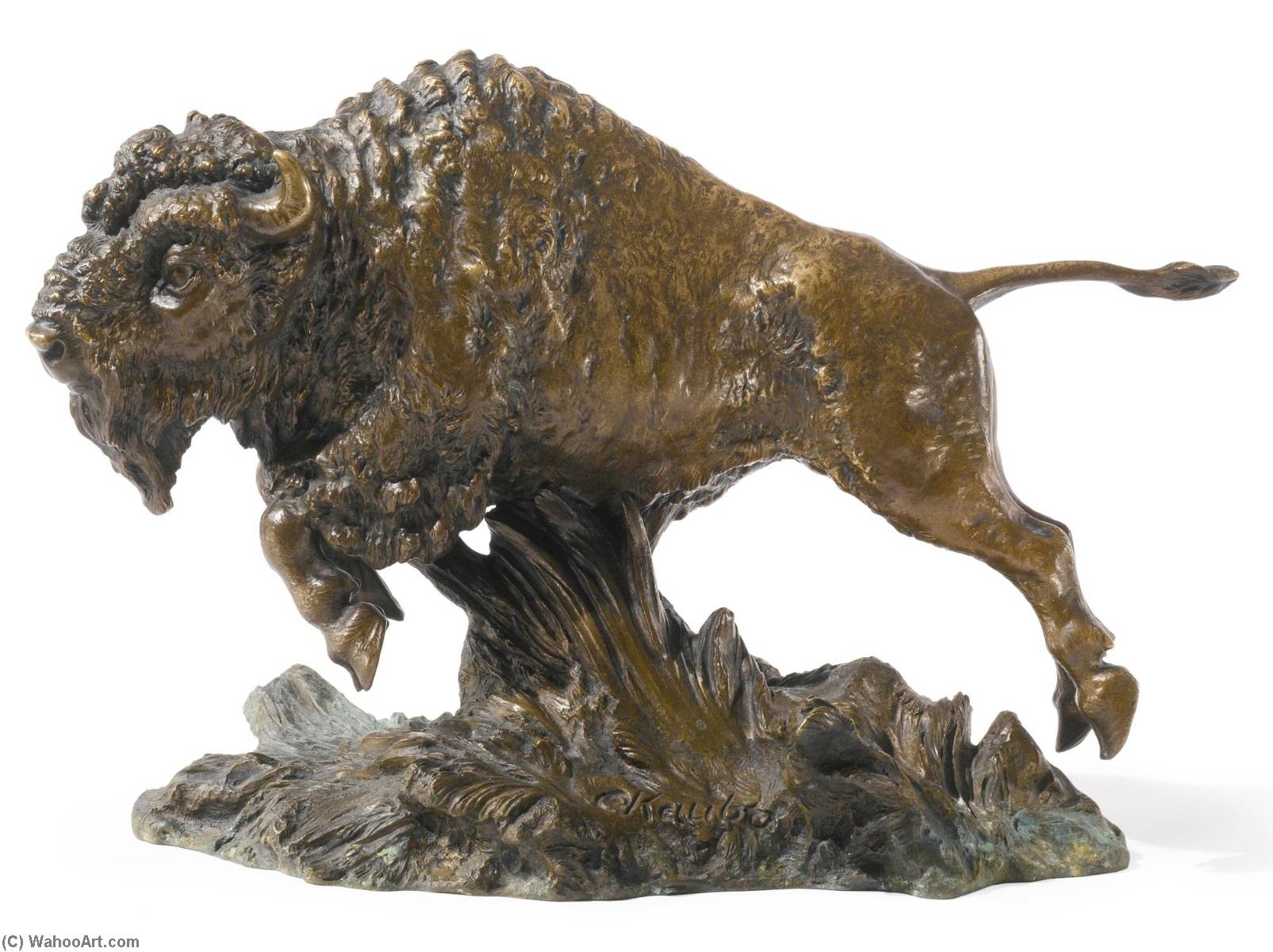
Charging Buffalo

 Vezi mai mult
Giclée / Imprimare artistică
Printuri giclée sau pe canvas de calitate muzeală, cu proces de producție rapid și opțiuni flexibile de finisare. ( Comandă pictură lucrată manual Cumpără imaginea)




P118B $10

P118H $10

P118W $10

P438Z $10

P508JH $12

P508YH $12

P805H $10

P805Z $10

P919BZ $10

P919G $10

P919XJ $10

P959ZH $10

P968JZ $12

W106C $8

W218G $10

W218JH $8

W218Y $10

W307PJ $10

W316G $10

W316PJ $8

W316Y $10

W398PJ $8

W4111J $10

W500HY $15

W500JH $15

W692G $12

W849H $8

W940BG $15

W953PJ $8




Alegeți dintre dimensiunile noastre prestabilite, care respectă proporțiile originale ale operei de artă.

Puteți introduce propriile dimensiuni pentru a se potrivi unui anumit cadru sau spațiu. Dacă dimensiunea selectată nu corespunde proporțiilor imaginii originale, vom decupa lucrarea de artă sau vom extinde imaginea cu margini oglindite sau cu o culoare uniformă. Un mockup digital va fi trimis pentru aprobarea dumneavoastră înainte de începerea producției.
Vă rugăm să rețineți că previzualizarea de pe ecran nu reflectă decuparea sau extinderea reală. Doar mockup-ul va arăta cu exactitate compoziția finală.
Deși dimensiunile personalizate sunt disponibile, vă recomandăm să selectați o dimensiune din lista predefinită pentru a păstra proporțiile originale.
Livrare în întreaga lume () în 2 săptămâni, în loc de cele 4/5 săptămâni standard. (24 August)

Livrare expres gratuită la nivel mondial

Pânză de in de înaltă calitate

Asigurare completă pentru transport

Garanție de rambursare a taxelor vamale

Garanția fidelității culorilor

Politica de retur în 60 de zile (doar pentru defecte)

Garanție de rambursare 100%

Ofertă pentru comenzi multiple
 Opțiunea cu sticlă este disponibilă doar pentru dimensiuni de sub 110 cm

Charging Buffalo
Giclée / Imprimare artistică
Dimensiune reproducere
-


Preț total calculat
$ 80
Biografie artist
Carl Kauba: Bridging Realism and Symbolism in Late 19th-Century Austrian Painting
Carl Eduard Schuch (1846-1903) stands as a pivotal figure in late 19th-century Austrian painting, marking a crucial transition between traditional realism and the burgeoning influences of modern symbolism. Born in Vienna, Schuch’s artistic journey was shaped by a fascination with both meticulous observation of nature and an exploration of spiritual themes—a duality that characterizes his distinctive oeuvre. His early training focused on academic traditions, absorbing lessons from masters like Albert Brumel and Johann Franz Staubach, grounding him in the conventions of landscape painting prevalent at the time. However, Schuch quickly distinguished himself through a bold experimentation with color and form, rejecting purely representational approaches in favor of conveying emotion and inner experience. Schuch’s artistic vision was profoundly impacted by Orientalism—the European fascination with the East—which gained considerable momentum during his lifetime. Artists like Eugène Delacroix and Frédéric Bazille had already established precedents for depicting exotic locales and cultures with heightened emotional intensity, inspiring Schuch to venture beyond mere topographical accuracy. He traveled extensively throughout Morocco and Algeria, immersing himself in the vibrant colors and textures of North African landscapes and capturing portraits of local inhabitants—often imbued with a sense of melancholy and contemplation. This engagement with Orientalism wasn’t merely stylistic; it represented a broader intellectual preoccupation with questions of spirituality and transcendence. Schuch sought to express profound ideas about human existence through his paintings, utilizing color palettes rich in blues and greens to evoke feelings of serenity and introspection. Schuch's artistic development progressed steadily throughout his career, culminating in a masterful synthesis of realism and symbolism. He honed his technique—particularly watercolor—to achieve unparalleled luminosity and expressive nuance. His landscapes are characterized by meticulous detail—capturing the subtle variations of light and shadow—yet simultaneously infused with an ethereal quality that transcends mere visual perception. Recurring motifs—such as solitary figures gazing upon expansive vistas—suggested a preoccupation with themes of solitude, contemplation, and spiritual yearning. Schuch’s paintings resonate powerfully today because they embody the spirit of their time—a period marked by both scientific advancements and a renewed interest in mysticism. Schuch's legacy extends beyond his individual artworks; he served as an influential teacher at the Akademie der Bildenden Künste Wien (Vienna Academy of Fine Arts), nurturing generations of aspiring artists who embraced his innovative approach to painting. His students included Josef Maria Hornberger and Wilhelm Trübner, who carried forward Schuch’s stylistic principles—particularly the expressive use of color—into their own artistic endeavors. Through his teaching and mentorship, Schuch ensured that his distinctive vision would continue to inspire artists for decades to come. Schuch's contribution to Austrian art history is undeniable. He stands as a testament to the transformative power of artistic experimentation and the enduring relevance of exploring spiritual dimensions within visual representation. His paintings remain treasured examples of late 19th-century watercolor landscape, embodying both meticulous observation and profound emotional depth—a duality that secures his place among Austria’s most celebrated painters.
carl kauba
1865 - 1922
Detalii rapide
- Artistic Movement Or Style: American West Painting
- Date Of Birth: 1865
- Date Of Death: 1922
- Full Name: Carl Kauba
- Nationality: Austrian
- Notable Artworks:
- Charging Buffalo
- Moorish Dancer
- Place Of Birth: Vienna, Austria
Articole similare

Top 10 Capodopere din Bronz care au Revoluționat Arta | OriginalUniqueArt.ro
Descoperiți Top 10 capodopere din bronz care au revoluționat arta! Rodin, Michelangelo și alții. Aflați istoria sculpturilor clasice și inspirație pentru decorul casei dvs. Reproduceri de artă de calitate muzeală pe OriginalUniqueArt.com

Top 10 Capodopere din Bronz care au Revoluționat Arta – Inspirație pentru Decor
Descoperă Top 10 sculpturi din bronz care au schimbat istoria artei! Explorează operele lui Rodin, Michelangelo și alți maeștri, tehnicile lor unice și inspirația pentru decorul casei tale. Replici de calitate muzeală pe OriginalUniqueArt.com.

The Enduring Legacy of Bronze: A Historical & Artistic Exploration for the Collector
Explore the rich history & enduring appeal of bronze sculpture with expert insights for collectors at OriginalUniqueArt. Learn about casting techniques, iconic artists, collecting tips & contemporary interpretations.
The Enduring Legacy of Bronze Sculpture: A Collector's Guide to Form & Cultural Significance
Explore the rich history & enduring appeal of bronze sculpture with expert insights for collectors at OriginalUniqueArt. Learn about casting techniques, iconic artists, and collecting tips to build a discerning art collection.

The Enduring Legacy of Bronze: History, Technique & Artistic Expression for the Collector
Explore the rich history & enduring appeal of bronze sculpture with expert insights for collectors at OriginalUniqueArt. Learn about casting techniques, iconic artists, and collecting tips.

