

 Vezi în context
 Trimite
 Distribuie
 Detalii

 Descarcă
 Produse similare
 Radiografie
 Diaporama
 Statistici
Matthew Boulton
 Acrylic On Canvas
- WallArt
- Neoclassical
 1772
1772 127.0 x 102.0 cm
 Birmingham Museums And Art Gallery
 Citește mai mult
Achiziționați o imagine digitală de înaltă rezoluție, îmbunătățită, mult superioară previzualizării online.
Fiecare fișier este pregătit cu meticulozitate de specialiștii noștri interni, utilizând instrumente avansate și retușare manuală expertă. Ne asigurăm că fiecare imagine beneficiază de o claritate excepțională, o acuratețe precisă a culorilor și detalii fine.
Fișierul final este livrat prin e-mail în termen de 72 de ore, optimizat pentru utilizare imediată în medii profesionale, editoriale și de imprimare. Aceasta este aceeași calitate în care au încredere studiouri de design, edituri și galerii de top.
Imagine Digitală
Descărcați un fișier la rezoluție înaltă pentru afișare personală, imprimare și proiecte creative. ( Comută pe versiunea Print Comandă pictură realizată manual)
Inclus în fiecare comandă de imagini digitale
Livrare digitală de expertiză, garantată
Când alegeți OriginalUniqueArt.com, nu primiți doar o simplă imagine – primiți o operă de artă digitală îmbunătățită profesional, creată cu precizie și susținută de o garanție de satisfacție. Iată tot ceea ce primești odată cu comanda ta, în mod automat:

Livrare rapidă prin e-mail
Fișierul imaginii digitale la rezoluție înaltă vă va fi trimis prin e-mail în termen de 72 de ore de la finalizarea comenzii – gata pentru utilizare imediată.

Fișier digital optimizat prin IA
Opera ta de artă este optimizată profesional prin intermediul unor instrumente AI avansate și al editării manuale, asigurând un nivel maxim de detalii, claritate și acuratețe a culorilor.

Retransmitere gratuită pe viață
Ai șters sau ai pierdut din greșeală fișierul? Nu îți face griji – ți-l vom retrimite oricând, gratuit.

Fără taxe de import – Întotdeauna
Bucură-te instant de noua ta operă de artă, fără taxe vamale, taxe de import sau costuri de livrare – descărcările digitale sunt întotdeauna fără taxe.

Garanția fidelității culorilor
Asigurăm o reflectare cât mai fidelă a culorilor originale în imaginea ta digitală, prin utilizarea unor instrumente profesionale și a proceselor de gestionare a culorii.

Garanție de satisfacție de 100 de zile
Dacă nu sunteți mulțumit de imaginea digitală achiziționată, o vom revizui sau vă vom returna 100% în termen de 100 de zile – fără nicio întrebare.

Garanție de returnare 100% a banilor
Nu ești mulțumit? Primești rambursarea integrală în termen de 100 de zile de la primirea fișierului digital – fără nicio întrebare.

Reduceri pentru comenzi în volum
Cumpără 3 imagini, economisește 10% - Cumpără 5, economisește 15% - Cumpără 10+, economisește 20%. Ideal pentru proiecte creative, galerii și agenții.
The Subject – Matthew Boulton, Architect of Industry
Carl Fredrik von Breda’s 1772 portrait of Matthew Boulton is more than a simple likeness; it's a carefully constructed tableau of ambition, industry, and the burgeoning spirit of the Industrial Revolution. Boulton himself was a pivotal figure in this transformative era – a Birmingham manufacturer who revolutionized iron production, coin minting, and ultimately, the very fabric of British commerce. The painting captures him not merely as a businessman, but as a man deeply invested in shaping his world, radiating an aura of shrewdness and determined innovation. His seated posture, hands deliberately placed, speaks to a mind constantly engaged in calculation and strategic planning – a visual representation of his relentless drive.
A Neoclassical Composition – Echoes of Reynolds and the Age of Reason
Von Breda, trained under the influence of Joshua Reynolds, a leading figure in the British Royal Academy, skillfully employs the principles of neoclassical portraiture. The composition is meticulously balanced, reflecting the order and rationality that defined the era. The dark red curtain serves as a dramatic backdrop, framing Boulton against a subtle suggestion of an outdoor scene – perhaps a glimpse of Birmingham’s developing cityscape through a window. This carefully orchestrated space isn't merely decorative; it subtly elevates Boulton’s status, associating him with both the stability of tradition and the promise of progress. The lighting is directional, highlighting his face and hands, drawing the viewer’s attention to his intellect and authority.
- The use of chiaroscuro (strong contrasts between light and dark) creates a sense of depth and drama.
- Boulton's attire – the dark coat, white shirt, and waistcoat – adheres to the formal dress codes of the period, signifying his wealth and social standing.
- The composition’s symmetry reinforces Boulton’s position as a central figure in the narrative.
Symbolism and Context – The Lunar Society and Birmingham's Rise
To fully appreciate this portrait, it’s crucial to understand the context of 18th-century Birmingham. The city was undergoing an unprecedented transformation, fueled by coal mining, iron production, and the rise of a vibrant merchant class. Matthew Boulton was at the heart of this revolution, alongside James Watt, forming the core of the Lunar Society – a group of intellectuals, scientists, and industrialists who met regularly to exchange ideas and push the boundaries of knowledge. Von Breda’s painting subtly reflects this intellectual ferment; Boulton's thoughtful gaze suggests a man deeply engaged in philosophical inquiry as well as practical innovation. The small object he holds—likely a tool or instrument related to his work – hints at the constant activity of his mind.
Further Research:- Matthew Boulton (1728–1809) | Art UK
- Carl Frederik von Breda
- Matthew Boulton (1728–1809) | Wikipedia
A Legacy in Oil – The Artist’s Hand and the Enduring Image
Von Breda's masterful brushwork, evident in the rich textures of Boulton’s clothing and the subtle modeling of his face, speaks to a deep understanding of oil painting techniques. The portrait is not merely a representation; it’s an embodiment of Boulton’s character – a man of intellect, determination, and entrepreneurial spirit. The enduring appeal of this image lies in its ability to capture a pivotal moment in British history, portraying a figure who fundamentally reshaped the nation's economy and technological landscape. Reproductions of this work offer a tangible connection to this remarkable era, inviting viewers to contemplate the legacy of Matthew Boulton and the transformative power of innovation.
Biografie artist
A Swedish Master Across Borders: The Life and Art of Carl Frederik von Breda
Carl Frederik von Breda, a name often whispered in the halls of art history as “the Van Dyck of Sweden,” was more than just a portrait painter; he was a conduit between artistic traditions, a witness to intellectual ferment, and a pivotal figure in shaping Swedish artistic identity. Born in Stockholm in 1759, his life unfolded across continents, marked by a unique blend of Swedish heritage and British influence – a confluence that profoundly shaped his distinctive style and enduring legacy. His story isn’t simply one of talent; it's a narrative of ambition, adaptation, and the relentless pursuit of artistic excellence.Early Years and Artistic Foundations in Stockholm
From a family steeped in art—his grandfather Lucas was a painter, and his father, Lucas the younger, an esteemed art collector and arbitrator – Carl Frederik von Breda’s artistic journey began within the familiar walls of Stockholm's Royal Academy of Arts. He enrolled at nineteen, immersing himself in the study of historical and portrait painting under the tutelage of Lorens Pasch the Younger, a respected master known for his meticulous realism and classical sensibilities. These early years provided him with a solid foundation in technique and composition, grounding him in the established Swedish artistic tradition. However, even amidst this rigorous training, a nascent ambition began to stir – a desire to transcend the confines of his native land and explore new horizons. The seeds of this aspiration were sown by his father’s extensive collection of prints and drawings from across Europe, exposing young Carl to a wider range of artistic styles and ideas.A Transformative Move to London: The Reynoldsian Influence
A defining moment in Breda's career arrived with an unexpected setback – he lost a competition at the Royal Academy, effectively closing off his path to Paris or Rome, the traditional destinations for aspiring artists. Rather than succumb to disappointment, Breda made a bold and transformative decision: he relocated to London in 1786, accompanied by his family. This move proved to be nothing short of revolutionary. It was here that he encountered Sir Joshua Reynolds, arguably the most influential portrait painter of the era, and secured his tutelage. Reynolds’s influence wasn't merely technical; it fundamentally altered Breda’s artistic approach. While Reynolds maintained a certain formality in his portraits, Breda quickly absorbed his emphasis on capturing character, personality, and the subtle nuances of human expression. He began to experiment with looser brushwork, brighter colors, and a more dynamic composition – techniques that would distinguish his work from the prevailing academic style.The Lunar Society and the Dawn of Romanticism
London became Breda’s artistic incubator, a vibrant hub of intellectual and scientific innovation. It was here that he encountered the “Lunar Society,” a group of Birmingham intellectuals—including James Watt, Matthew Boulton, Erasmus Darwin, and Joseph Priestley—who were pushing the boundaries of science, industry, and philosophy. Breda's portraits of these figures – Watt, Boulton, and Withering – are not simply likenesses; they are imbued with a sense of intellectual curiosity and forward-thinking spirit. These commissions marked a crucial shift in his artistic focus, aligning him with the burgeoning Romantic movement, which celebrated emotion, imagination, and the power of human ingenuity. The portraits reflect this new sensibility—a willingness to capture subjects not just as they appeared but also as they *felt*, imbuing them with an inner life.Return to Sweden and Artistic Maturity
In 1796, after nearly a decade in London, Breda returned to Stockholm, accepting a prestigious professorship at the Royal Swedish Academy of Arts. This marked a new chapter in his career—one characterized by artistic maturity, recognition, and a deepening connection with the Swedish cultural landscape. He was immediately inundated with portrait commissions from royalty, nobility, and prominent figures of society. During this period, Breda’s brushwork became bolder, more expressive, and imbued with a distinctly Romantic sensibility. His portraits of his father, nephews, scholars, and members of the aristocracy are testaments to his evolving style—a harmonious blend of technical skill, psychological insight, and emotional resonance. The portrait of Teresa Vandoni, an Italian opera singer, stands as perhaps his most celebrated work – a dramatic depiction of her vocal power and captivating presence.Legacy and Historical Significance
Carl Frederik von Breda’s impact on Swedish art extended far beyond the individual portraits he created. His exposure to British artistic trends—particularly the influence of Reynolds—helped modernize portraiture in Sweden, inspiring subsequent generations of artists to embrace new techniques and stylistic approaches. He wasn't simply a painter of faces; he was a chronicler of his time, capturing the essence of a dynamic era marked by scientific innovation, intellectual ferment, and social change. His portraits of members of the Lunar Society, for example, offer invaluable insights into this influential group of innovators. Breda’s legacy endures as “the Van Dyck of Sweden,” a testament to his skill, elegance, and enduring contribution to the world of portraiture. He died in Stockholm in 1818, leaving behind a body of work that continues to captivate and inspire art lovers today.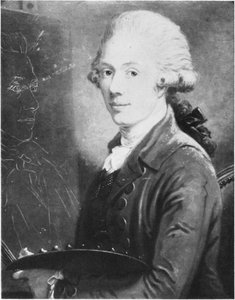
Carl Fredrik von Breda
1759 - 1818 , Suedia
Informații esențiale
- Artistic Movement Or Style: Portretizare, Romanticism
- Artists Or Movements Influenced By This Artist: ['Pictori suedezi']
- Artists Who Influenced This Artist:
- Lorens Pasch
- Joshua Reynolds
- Date Of Birth: 1759
- Date Of Death: 1818
- Full Name: Carl Frederik von Breda
- Nationality: Svedez
- Notable Artworks:
- Teresa Vandoni
- James Watt
- Matthew Boulton
- Place Of Birth: Stockholm, Suedia