Text size

() ·

A painting made for you, by hand

Casa Maicii Mari

Reproducere pictată manual în ulei

Pictură în ulei pe pânză, pictată manual de artiștii noștri la dimensiunea și ramele dorite de dumneavoastră, pe comandă. ( Comută pe versiunea Print Comută pe Imagine Digitală)

Descriere obiect de colecție

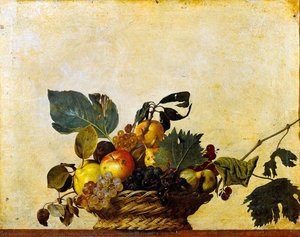
Descoperă splendorul Caravaggio în "Casa Maicii Mari", o operă emblematică ce surprinde emoția și credința într-o iluminare dramatică și simboluri puternice. Vizualizează aici!

Biografie artist

Descoperă Caravaggio (1571-1610), maestrul baroc al realismului și tenebrismului! Scene religioase dramatice, contrast puternic de lumină și umbră, un stil revoluționar.

from ·

Chapter 1

How large should it be?

Slide to change the size; the picture on the left shows the frame at its real width. The proportions of the original are kept.

Standard
personalizat
CM
INCH

Alegeți dintre dimensiunile noastre prestabilite, care respectă proporțiile originale ale operei de artă.

lățime
înălțime

Introduceți lățimea și înălțimea necesare pentru a se potrivi ramei sau peretelui dumneavoastră. Această lucrare este pictată manual, așa că, pentru o dimensiune cu o formă diferită, artistul poate picta puțin mai mult în jurul imaginii sau poate tăia puțin din margini — dumneavoastră decideți. Vă vom trimite o simulare digitală pentru aprobare înainte de a începe pictarea. Imaginea afișată pe această pagină nu reprezintă rezultatul real — doar simularea este reprezentativă.

Chapter 2

How should it arrive?

Choose the edges of the stretched canvas

Choose your frame

Corner sample of the WhiteWrap canvas edge finish, stretched on lemn masiv bars
White lei1
Corner sample of the BlurSideWrap canvas edge finish, stretched on lemn masiv bars
Blurside lei1
Corner sample of the ExtendedWrap canvas edge finish, stretched on lemn masiv bars
Extended lei1
Corner sample of the P118B picture frame: polistiren turnat, 5 cm wide and 3 cm thick
P118B lei10
Corner sample of the P118H picture frame: polistiren turnat, 5 cm wide and 3 cm thick
P118H lei10
Corner sample of the P118W picture frame: polistiren turnat, 5 cm wide and 3 cm thick
P118W lei10
Corner sample of the P438Z picture frame: polistiren turnat, 5.5 cm wide and 3.5 cm thick
P438Z lei10
Corner sample of the P508JH picture frame: polistiren turnat, 7 cm wide and 3.5 cm thick
P508JH lei12
Corner sample of the P508YH picture frame: polistiren turnat, 7 cm wide and 3.5 cm thick
P508YH lei12
Corner sample of the P805H picture frame: polistiren turnat, 5 cm wide and 3.5 cm thick
P805H lei10
Corner sample of the P805Z picture frame: polistiren turnat, 5 cm wide and 3.5 cm thick
P805Z lei10
Corner sample of the P919BZ picture frame: polistiren turnat, 7 cm wide and 3.5 cm thick
P919BZ lei10
Corner sample of the P919G picture frame: polistiren turnat, 7 cm wide and 3.5 cm thick
P919G lei10
Corner sample of the P919XJ picture frame: polistiren turnat, 7 cm wide and 3.5 cm thick
P919XJ lei10
Corner sample of the P959ZH picture frame: polistiren turnat, 5 cm wide and 3 cm thick
P959ZH lei10
Corner sample of the P968JZ picture frame: polistiren turnat, 6 cm wide and 4 cm thick
P968JZ lei12
Corner sample of the W106C picture frame: lemn masiv, 5 cm wide and 3 cm thick
W106C lei8
Corner sample of the W218G picture frame: lemn masiv, 5 cm wide and 3 cm thick
W218G lei10
Corner sample of the W218JH picture frame: lemn masiv, 5 cm wide and 3 cm thick
W218JH lei8
Corner sample of the W218Y picture frame: lemn masiv, 5 cm wide and 3 cm thick
W218Y lei10
Corner sample of the W307PJ picture frame: lemn masiv, 6 cm wide and 3 cm thick
W307PJ lei10
Corner sample of the W316G picture frame: lemn masiv, 6 cm wide and 3 cm thick
W316G lei10
Corner sample of the W316PJ picture frame: lemn masiv, 6 cm wide and 3 cm thick
W316PJ lei8
Corner sample of the W316Y picture frame: lemn masiv, 6 cm wide and 3 cm thick
W316Y lei10
Corner sample of the W398PJ picture frame: lemn masiv, 5 cm wide and 3 cm thick
W398PJ lei8
Corner sample of the W4111J picture frame: lemn masiv, 6.5 cm wide and 3.5 cm thick
W4111J lei10
Corner sample of the W500HY picture frame: lemn masiv, 7 cm wide and 5 cm thick
W500HY lei15
Corner sample of the W500JH picture frame: lemn masiv, 7 cm wide and 5 cm thick
W500JH lei15
Corner sample of the W692G picture frame: lemn masiv, 8 cm wide and 4 cm thick
W692G lei12
Corner sample of the W849H picture frame: lemn masiv, 5 cm wide and 3 cm thick
W849H lei8
Corner sample of the W940BG picture frame: lemn masiv, 7.5 cm wide and 4.5 cm thick
W940BG lei15
Corner sample of the W953PJ picture frame: lemn masiv, 6 cm wide and 3.5 cm thick
W953PJ lei8
Corner sample of the H24-GOLD picture frame: lemn sculptat cu gesso, 10 cm wide and 6 cm thick
H24-GOLD lei30
Corner sample of the H24-SILVER picture frame: lemn sculptat cu gesso, 10 cm wide and 6 cm thick
H24-SILVER lei30
Corner sample of the H36-GOLD picture frame: lemn sculptat cu gesso, 15 cm wide and 6.5 cm thick
H36-GOLD lei45
Corner sample of the H36-SILVER picture frame: lemn sculptat cu gesso, 15 cm wide and 6.5 cm thick
H36-SILVER lei45

Moulding: . Overall size with the frame: .

Chapter 3

Who paints it, and should anything change?

Examples of what can be changed: Replace face with customer photo; Add pet (e.g., replace cat with dog); Include hidden message in background; Change background landscape or elements.
After order, OriginalUniqueArt.com team will email client for instructions and provide a mockup preview

Livrare în întreaga lume () în 3-4 săptămâni, în loc de cele 5 săptămâni standard. (2 Noiembrie). Fără compromisuri în ceea ce privește calitatea.

Chapter 4

The finishing touches

A nameplate, as in a museum?

Detalii plăcuță din bronz gravat

This elegant plaque features the artist's name and the title of the artwork, finely engraved for a timeless presentation.

It is made from bronze with a refined, elegant finish. The text is precisely laser-engraved for a sharp and permanent result. Measuring 9x2 cm, the plaque is compact yet easy to read. It's built to be durable and scratch-resistant, offering a professional, museum-quality look. Mounting is simple thanks to the included adhesive backing.

Detalii plăcuță din acril transparent

The plaque includes essential engraved details such as the artist's name, the title of the artwork, the date it was created, the type of media used-like oil on canvas or watercolor-a brief description of the piece, and a QR code that links to the complete artwork information.

It is crafted from clear acrylic, offering a sleek, modern appearance. The text is UV-engraved in black to ensure strong visual contrast. With a size of 10x15 cm, it ensures optimal readability. It comes equipped with two metal hooks for secure wall mounting. The plaque is designed to be weather-resistant, making it suitable for various environments, and it includes interactive features that work seamlessly with smartphone scanning.

Detalii placă din acril negru

This elegant plaque includes engraved information such as the artist's name, the title of the artwork, the date it was created, the type of media used (like oil on canvas or watercolor), a short description of the artwork, and a QR code for quick access to more information.

The plaque itself is made from refined black acrylic with a premium finish. The text is laser-engraved in white for high contrast and readability. Its size is 10x15 cm, designed to be easy to read. It comes with two metal hooks for professional mounting. The design is sleek and fits any interior style. It is also weather-resistant and durable, with built-in digital integration for mobile compatibility.

A protective varnish?

When do you need it?

Chapter 5

Your painting, as you ordered it

Casa Maicii Mari

Tehnică de reproducere

Dimensiune reproducere

-

Selecție de artiști de elită

Mai multe detalii, rafinament și timp suplimentar de execuție

-

Ramă pentru reproducere artistică

-

-

Pentru opere de artă sau reproduceri care depășesc 105 cm (aproximativ 41 de inch) pe oricare dintre laturi, cadrul va fi livrat demontat, sub formă de kit. Această metodă asigură o livrare sigură și previne deteriorarea în timpul transportului.

Este necesară asamblarea profesională – acest produs nu este de tip DIY (de făcut singur).
Kitul trebuie asamblat, iar pânza întinsă, de către un legător de cadre experimentat, utilizând adeziv pentru lemn (neinclus în colet), o cheie pentru întinderea pânzei și cleme pentru a menține barele la unghi drept în timp ce adezivul se usucă. Asamblarea incorectă sau tensiunea neuniformă a pânzei pot deteriora permanent opera de artă și nu sunt acoperite de garanția noastră.

  • Toate barele din lemn masiv sunt incluse, tăiate cu precizie la dimensiunea necesară.

  • Asamblat cu șuruburile incluse, plus adeziv pentru lemn pentru îmbinările de colț, care nu este furnizat și trebuie achiziționat de către tâmplarul dumneavoastră.

  • Sunt necesare unelte profesionale care nu sunt incluse: o șipte de întindere a pânzei (tensionator) și cleme pentru a menține barele la unghi drept în timp ce adezivul se usucă.

Important:
Îmbinările de colț necesită adeziv pentru lemn, barele trebuie fixate cu clești de strângere până când adezivul este complet uscat, iar întinderea pânzei pe cadrul asamblat necesită un clește pentru întins pânza. Niciunul dintre aceste elemente nu este inclus în kit. Vă rugăm să consultați un încadrator profesionist cu experiență înainte de a comanda această dimensiune.

Etichetă de prezentare

-

-

Lac de protecție

Lac lucios (intensifică nuanțele și oferă protecție împotriva luminii și a umidității)

-

Personalizează opera mea de artă

Exemple de elemente ce pot fi personalizate: Înlocuirea feței cu fotografia clientului; Adăugarea unui animal de companie (de exemplu, înlocuirea unei pisici cu un câine); Includerea unui mesaj ascuns în fundal; Modificarea peisajului sau a elementelor din fundal.

-

Livrare rapidă

Livrare la nivel mondial () în 3-4 săptămâni, în loc de cele 5 săptămâni standard. (2 Noiembrie). Fără compromisuri când vine vorba de calitate.

-

Livrare rapidă

Livrare la nivel mondial () în 5 săptămâni. (9 Noiembrie).

Inclus

Preț total calculat

lei 1426

Preț total lei 1426

Opțiunea cu sticlă este disponibilă doar pentru dimensiuni de sub 110 cm

Included with every order

  • Livrare expres gratuită la nivel mondial
  • Pânză de in de înaltă calitate
  • Asigurare completă pentru transport
  • Garanție de rambursare a taxelor vamale
  • Garanția fidelității culorilor
  • Politica de retur în 100 de zile (doar pentru defecte de fabricație)
  • Garanție de rambursare 100%
  • Ofertă pentru comenzi multiple

Michelangelo Merisi da Caravaggio: A Titan of Baroque Drama

Michelangelo Merisi da Caravaggio (also Michele Angelo Merigi or Amerighi da Caravaggio; 29 September 1571 – 18 July 1610), known mononymously as Caravaggio, was an Italian painter active in Rome for most of his artistic life. During the final four years of his life, he moved between Naples, Malta, and Sicily. His paintings have been characterized by art critics as combining a realistic observation of the human state, both physical and emotional, with a dramatic use of lighting, which had a formative influence on Baroque painting. Caravaggio employed close physical observation with a dramatic use of chiaroscuro that came to be known as tenebrism. He made the technique a dominant stylistic element, transfixing subjects in bright shafts of light and darkening shadows. Caravaggio vividly expressed crucial moments and scenes, often featuring violent struggles, torture, and death. He worked rapidly with live models, preferring to forgo drawings and work directly onto the canvas. His inspiring effect on the new Baroque style that emerged from Mannerism was profound. His influence can be seen directly or indirectly in the work of Peter Paul Rubens, Jusepe de Ribera, Gian Lorenzo Bernini, and Rembrandt. Artists heavily under his influence were called the “Caravaggisti” (or “Caravagesques”), as well as tenebrists or tenebrosi (“shadowists”). Caravaggio’s innovations inspired Baroque painting, but the latter incorporated the drama of his chiaroscuro without the psychological realism. The style evolved and fashions changed, and Caravaggio fell out of favour. In the 20th century, interest in his work revived, and his importance to the development of Western art was reevaluated. The 20th-century art historian André Berne-Joffroy stated: “What begins in the work of Caravaggio is, quite simply, modern painting.” Caravaggio trained as a painter in Milan before moving to Rome when he was in his twenties. He developed a considerable name as an artist and as a violent, touchy and provocative man. He killed Ranuccio Tommasoni in a brawl, which led to a death sentence for murder and forced him to flee to Naples. There he again established himself as one of the most prominent Italian painters of his generation. He travelled to Malta and on to Sicily in 1607 and pursued a papal pardon for his sentence. In 1609, he returned to Naples, where he was involved in a violent clash; his face was disfigured, and rumours of his death circulated. He died in 1610 under uncertain circumstances while on his way from Naples to Rome. Reports stated that he died of a fever, but suggestions have been made that he was murdered or that he died of lead poisoning. ## Exploring the Symbolism Within Beyond its immediate emotional impact, “The Death of the Virgin” is rich in symbolic meaning. The red clothing, a recurring motif in Caravaggio’s work, traditionally symbolizes sacrifice and martyrdom – fittingly applied here to represent the Virgin Mary’s ultimate offering. The lilies adorning her body are emblems of purity and innocence, further emphasizing her role as the Mother of God. The positioning of the figures—the apostles clustered around her, their faces etched with sorrow—suggests a communal mourning, highlighting the shared experience of loss within the Christian community. Even the simple bed upon which she lies is significant; it’s a stark contrast to the opulent settings often depicted in religious art, underscoring the humility and vulnerability of the Virgin Mary. The scene itself can be interpreted as an allegory for humanity's struggle with mortality, reminding us of our own inevitable fate and the importance of faith in the face of adversity. ## A Masterclass in Technique Caravaggio’s technical prowess is undeniable. He employed a technique known as *sfumato*, subtly blending colors to create soft transitions and atmospheric effects – particularly evident in the shadows that envelop the scene. His use of *terracciotto*—a reddish-brown pigment derived from Siena terracotta—contributed to the painting’s dramatic lighting, creating a sense of depth and volume. Crucially, Caravaggio worked directly onto the canvas without preliminary sketches, allowing for an unprecedented level of spontaneity and immediacy in his brushwork. This technique, combined with his meticulous observation of human anatomy and his masterful manipulation of light and shadow, resulted in a painting that is both intensely realistic and profoundly expressive. The details, from the texture of the fabrics to the subtle nuances of expression on the figures’ faces, are rendered with remarkable precision, creating a truly immersive experience for the viewer. ## Recreating Caravaggio's Masterpiece: A OriginalUniqueArt Reproduction At OriginalUniqueArt, we are dedicated to preserving and celebrating the artistic legacy of Michelangelo Merisi da Caravaggio. Our hand-painted oil reproductions capture the essence of “The Death of the Virgin” with meticulous attention to detail, faithfully recreating Caravaggio’s dramatic chiaroscuro and emotional intensity. Each reproduction is created by skilled artisans who painstakingly replicate Caravaggio's techniques, ensuring that you receive a work of art that is both authentic and visually stunning. Whether for your home or office, a OriginalUniqueArt reproduction offers a unique opportunity to experience the power and beauty of this iconic masterpiece – a timeless testament to Caravaggio’s genius and his profound understanding of the human condition. Explore our collection today and bring the haunting beauty of “The Death of the Virgin” into your space. Photo Description: The image is a painting of two people lying in bed together. The woman appears to be dead while the other person is crying beside her. They are both dressed in red clothing. In addition to the main subjects, there are three chairs visible in the scene. One chair is located on the left side of the room, another one is situated near the right edge of the image and the third chair is placed at the far right corner. The painting is a detailed representation of the emotions experienced by the people involved. Size: Unknown Date: 1605 ARTIST INFORMATION: ================== Artist: Caravaggio Birth Year: 1571 Death Year: 1610 Birth City: Milan Birth Country: Spain Biography:

A Life Forged in Shadow and Light

Michelangelo Merisi da Caravaggio, a name synonymous with the dramatic intensity of Baroque painting, was born in Milan in 1571, a period steeped in both artistic flourishing and societal upheaval. His early life was marked by loss; plague ravaged his hometown, claiming the lives of his father and grandfather when he was just six years old. Raised amidst relative poverty, young Michelangelo’s formative years instilled within him a keen awareness of human suffering and resilience—themes that would later dominate his canvases. He began his artistic training in Milan under Simone Peterzano, a former pupil of Titian, absorbing the fundamentals of Renaissance technique but already hinting at a rebellious spirit that would soon shatter conventional norms. This apprenticeship provided a solid foundation, yet it was in Rome, arriving around 1592, that Caravaggio truly found his voice, though not without initial struggle and hardship. The

Întrebări și răspunsuri

Ce dimensiune se recomandă pentru "Casa Maicii Mari" într-un Living Room?

Combinația recomandată pentru "Casa Maicii Mari" de Caravaggio: o printare de dimensiunea Format mare, ideală pentru o Living Room.

Din ce țară provine lucrarea de Baroque „Casa Maicii Mari”?

Lucrarea de Baroque „Casa Maicii Mari” a fost creată de un artist născut în Spania.

Există o prezentare de diapozitive pentru "Casa Maicii Mari" de Caravaggio?

Este disponibil un diaporama: pagina Galerie foto pentru "Casa Maicii Mari" de Caravaggio.

More about this painting

Previzualizare Previzualizare AR Comută pe versiunea Print Comută pe Imagine Digitală Trimite prin felicitare
Detalii despre lucrare Ghid Adaugă la favorite Descarcă imaginea Produse similare Radiografie Galerie foto Q&A Statistici

In numbers

  • 1605the year it was painted
  • 29frames to choose from
  • standard sizes, in its own proportions
  • 5weeks to paint and deliver it
Caravaggio

Caravaggio

1571 - 1610, Spania

Quick facts about Caravaggio

  • Artistic Movement Or Style: Baroc, Tenebrism
  • Artists Or Movements Influenced By This Artist:
    • Rubens
    • Ribera
  • Artists Who Influenced This Artist:
    • Titian
    • Leonardo da Vinci
  • Date Of Birth: 29 septembrie 1571
  • Date Of Death: 18 iulie 1610
  • Full Name: Michelangelo Merisi da Caravaggio
  • Nationality: Italiană
  • Notable Artworks:
    • The Fortune Teller
    • Supper at Emmaus
    • David with Goliath
  • Place Of Birth (City And Country): Milan, Spania

Biografie artist

O Viață Sculptată în Umbră și Lumină

Michelangelo Merisi da Caravaggio, un nume sinonim cu intensitatea dramatică a picturii baroce, s-a născut la Milano în 1571, o perioadă plină de efervescență artistică și tulburări sociale. Copilăria sa timpurie a fost marcată de pierderi; ciuma a devastat orașul său natal, răpându-i viața tatălui și a bunicului când avea doar șase ani. Crescut în relativă sărăcie, anii formativi ai lui Michelangelo i-au insuflat o conștientizare acută a suferinței umane și a rezilienței – teme care aveau să domine mai târziu pânzele sale. Și-a început pregătirea artistică la Milano sub îndrumarea lui Simone Peterzano, un fost elev al lui Titian, asimilând fundamentele tehnicii renascentiste, dar sugerând deja un spirit rebel care avea curând să spulbere normele convenționale. Acest ucenicie i-a oferit o bază solidă, însă a fost în Roma, sosind în jurul anului 1592, că Caravaggio și-a găsit cu adevărat vocea, deși nu fără lupte și greutăți inițiale. Orașul, un centru vibrant al patronajului artistic și al fervorii religioase, s-a dovedit atât atrăgător, cât și nemilos pentru tânărul pictor ambițios.

Revoluționând Viziunea: Tehnica și Stilul

Sosirea lui Caravaggio la Roma a anunțat o schimbare seismică în peisajul artei italiene. A respins stilul dominant manierist – caracterizat prin eleganța artificială și formele alungite – în favoarea unui realism necompromis care a șocat și captivat publicul. Inovația sa definitorie a fost stăpânirea magistrală a chiaroscuro, contrastul dramatic dintre lumină și întuneric, pe care l-a ridicat la un nou nivel de putere expresivă. Această tehnică, adesea denumită tenebrism, nu a fost doar o alegere estetică; a fost un mijloc de intensificare a impactului emoțional, atrăgând privitorii în inima scenei și îmbuind figurile sale cu un sentiment palpabil de prezență. A evitat reprezentările idealizate, populându-și tablourile cu oameni obișnuiți – adesea luați de pe străzile Romei – ca modele pentru figuri religioase. Această abordare radicală a contestat noțiunile tradiționale de frumusețe și sfințenie, făcând sacrul relevant și profund uman. Compozițiile sale erau adesea sumbre și directe, concentrându-se pe momente cruciale de dramă intensă, fie că era vorba de realismul brutal al „Răpirii lui Hristos” sau de contemplarea liniștită din „Sfântul Francisc din Assisi în extaz”.

Opere Cheie și Influența Durabilă

De-a lungul carierei sale relativ scurte, Caravaggio a produs un corpus de lucrări care continuă să rezoneze cu publicul astăzi. Piesele timpurii precum „Ghicitoarea” (1594) demonstrează talentul său în creștere pentru capturarea detaliilor realiste și a nuanțelor psihologice. „Cina din Emmaus” (1601-1602), găzduită la National Gallery din Londra, exemplifică stăpânirea sa asupra chiaroscuro și capacitatea de a transmite o profunzime emoțională profundă în cadrul unei narațiuni biblice. „David cu capul lui Goliat” (c. 1610) este deosebit de tulburătoare, adesea interpretată ca un autoportret care reflectă starea mentală tulburată a lui Caravaggio. Influența sa s-a extins dincolo de Italia, inspirând o generație de artiști cunoscuți sub numele de Caravaggiști, sau „umbrași”, care au adoptat stilul său în întreaga Europă. Următori notabili au inclus Peter Paul Rubens, Jusepe de Ribera și Gerrit van Honthorst, fiecare adaptând tehnicile lui Caravaggio la propriile viziuni artistice unice.

O Existență Tumultuoasă și o Moștenire Enduring

Viața lui Caravaggio a fost la fel de dramatică și turbulentă ca arta sa. Un temperament volatil și o predilecție pentru bătăi l-au adus în mod frecvent în probleme cu legea, culminând cu o acuzație de crimă în 1606 care l-a forțat să fugă din Roma. A petrecut următorii patru ani rătăcind prin Napoli, Malta și Sicilia, continuând să picteze în timp ce căuta disperat iertare papală. În ciuda eforturilor sale, a rămas un proscris, bântuit de trecutul său și măcinat de conflicte personale. A murit la Porto Ercole, Italia, în 1610 în circumstanțe misterioase – cauza morții sale rămâne dezbătută, cu teorii care variază de la febră la otrăvire. Deși viața sa a fost scurtată, moștenirea artistică a lui Caravaggio dăinuie ca o mărturie a viziunii sale revoluționare și a angajamentului său neclintit față de realism. A contestat convențiile timpului său, deschizând calea pentru o abordare mai modernă a picturii și lăsând o amprentă indelebilă asupra cursului istoriei artei occidentale. Opera sa continuă să inspire admirație și să provoace contemplare, amintindu-ne de puterea artei de a ilumina cele mai întunecate colțuri ale experienței umane.

Informații rapide

  • Medium: Oil on canvas
  • Title: The Death of the Virgin
  • Influences: Peter Paul Rubens
  • Notable elements or techniques: Dramatic chiaroscuro; Realist anatomy
  • Year: 1605

Test de cunoștințe despre artă

Fiecare întrebare are un singur răspuns corect.

Întrebare 1:
¿În ce perioadă artistică a fost creat pictorul Caravaggio?
Întrebare 2:
¿Ce tehnică artistică caracterizează operele lui Caravaggio?
Întrebare 3:
¿În ce muzeu se află pictura "Moartea Maicii Domnului"?
Întrebare 4:
¿Ce simbolism este prezent în pictură?
Întrebare 5:
¿De ce este considerată această operă artistică revoluționară?