
 Previzualizare
 Trimite prin felicitare
 Distribuie
 Detalii despre lucrare
 Ghid
Ghid

 Descarcă imaginea
 Produse similare
 Radiografie
 Galerie foto
 Întrebări și răspunsuri
 Statistici
Daniel In The Lions Den


 Vezi mai mult
Giclée / Imprimare artistică
Printuri giclée sau pe canvas de calitate muzeală, cu proces de producție rapid și opțiuni flexibile de finisare. ( Comandă pictură realizată manual Comută pe Imagine Digitală)




P118B lei10

P118H lei10

P118W lei10

P438Z lei10

P508JH lei12

P508YH lei12

P805H lei10

P805Z lei10

P919BZ lei10

P919G lei10

P919XJ lei10

P959ZH lei10

P968JZ lei12

W106C lei8

W218G lei10

W218JH lei8

W218Y lei10

W307PJ lei10

W316G lei10

W316PJ lei8

W316Y lei10

W398PJ lei8

W4111J lei10

W500HY lei15

W500JH lei15

W692G lei12

W849H lei8

W940BG lei15

W953PJ lei8




Alegeți dintre dimensiunile noastre prestabilite, care respectă proporțiile originale ale operei de artă.

Introduceți lățimea și înălțimea necesare pentru a se potrivi ramei sau peretelui dumneavoastră. O printare poate fi doar tăiată, niciodată extinsă dincolo de dimensiunea imaginii originale, astfel încât o dimensiune cu o formă diferită va pierde o parte din imagine. Vă trimitem o simulare digitală pentru aprobare înainte de a imprima orice. Imaginea afișată pe această pagină nu prezintă tăierea reală — doar simularea arată acest lucru.
Livrare în întreaga lume () în 2 săptămâni, în loc de cele 4/5 săptămâni standard. (9 Noiembrie)

Livrare expres gratuită la nivel mondial

Pânză de in de înaltă calitate

Asigurare completă pentru transport

Garanție de rambursare a taxelor vamale

Garanția fidelității culorilor

Politica de retur în 100 de zile (doar pentru defecte de fabricație)

Garanție de rambursare 100%

Ofertă pentru comenzi multiple
 Opțiunea cu sticlă este disponibilă doar pentru dimensiuni de sub 110 cm

Daniel In The Lions Den
Giclée / Imprimare artistică
Dimensiune reproducere
-


Preț total calculat
lei 386
A Moment of Divine Stillness: Reimagining Briton Rivière’s Masterpiece
In the quiet, monochromatic depths of Briton Rivière’s Daniel In The Lions Den, we are invited into a space where the ferocious meets the faithful. This evocative work transcends a mere biblical illustration, offering instead a profound meditation on peace amidst peril. The composition draws the viewer into a shadowy, subterranean realm where the heavy atmosphere of the den is palpable. Here, the artist utilizes a striking black and white palette to strip away the distractions of color, forcing our gaze to focus entirely on the interplay of light, texture, and the raw tension between man and beast. The lions, rendered with a masterful command of form, do not appear as mindless predators but as silent witnesses to a miracle, their presence creating a sense of heavy, breathing stillness that surrounds the central figure.
The technical brilliance of this piece lies in Rivière’s ability to manipulate light to create depth and narrative weight. Through delicate gradations of grey and stark contrasts of black, the artist breathes life into the fur of the lions and the weathered contours of Daniel’s form. The inclusion of a small, unexpected bird near the bottom corner serves as a subtle masterstroke of composition; it provides a delicate counterpoint to the massive, muscular presence of the predators, adding a layer of fragile life that enhances the overall sense of a self-contained, miraculous ecosystem. This meticulous attention to detail ensures that every element, no matter how small, contributes to the atmospheric density of the scene.
The Narrative Soul and Symbolic Resonance
As a pivotal figure of the Victorian era, Briton Rivière was far more than a painter of animals; he was a visual storyteller capable of imbuing his subjects with deep psychological complexity. In Daniel In The Lions Den, he taps into the profound themes of vulnerability and divine protection. The painting captures that breathless moment of suspension—the heartbeat before the roar, or perhaps the eternal silence of a miracle in progress. For the collector, this work offers more than just aesthetic beauty; it provides a window into the Victorian fascination with the intersection of nature and morality. The lions represent the untamed, chaotic forces of the world, while Daniel embodies the steadfastness of the human spirit under trial.
For interior designers and connoisseurs of fine art reproductions, this piece serves as a commanding focal point that brings a sense of historical gravity and intellectual depth to any space. Its monochromatic elegance allows it to integrate seamlessly into both classical and contemporary settings, acting as a sophisticated anchor in a room. Whether placed in a library, a study, or a grand gallery, the painting invites contemplation, prompting viewers to reflect on themes of resilience and the quiet strength found in moments of extreme solitude. To possess a reproduction of this caliber is to bring a piece of narrative history into the modern home, ensuring that the emotive power of Rivière’s vision continues to inspire generations.
Întrebări și răspunsuri
"Daniel In The Lions Den" de Briton Riviere folosește contrastul puternic sau armonii delicate?
Compoziția cromatică a operei "Daniel In The Lions Den" de Briton Riviere îmbină un Statement contrast cu o Balanced Harmony armonie.
Cine este artistul din spatele "Daniel In The Lions Den"?
„Daniel In The Lions Den” este atribuit lui Briton Riviere.
Care este nuanța dominantă în "Daniel In The Lions Den"?
"Daniel In The Lions Den" tinde spre o nuanță de Ochre to Sepia.
Biografie artist
Briton Rivière (1840–1920) - A Life Immersed in Nature and Narrative
Briton Rivière, born in London on August 14, 1840, emerged as a pivotal figure in Victorian art, celebrated for his emotionally resonant animal paintings and earlier explorations into historical and literary themes. He wasn’t simply a painter of animals; he was a storyteller who imbued his subjects with psychological depth and narrative resonance, capturing moments of vulnerability, loyalty, and the complex relationship between humanity and the natural world. Rivière's artistic journey was profoundly shaped by his family heritage – his father, William Rivière, served as an art teacher and drawing master, while his uncle, Henry Parsons Rivière, was a respected watercolourist. This familial foundation provided early encouragement and guidance, though Briton’s training remained largely within this intimate circle rather than formal academic institutions. He received his education at Cheltenham College and later Oxford University, completing his degree in 1867 – an unusual path for a dedicated artist but one that perhaps fostered a unique intellectual curiosity reflected in his work.Early Influences and Artistic Beginnings
Rivière’s artistic inclinations began early, fueled by the influence of his father, William Rivière, who instilled in him a passion for art from childhood. Observing William Rivière's dedication to teaching and drawing inspired Briton to pursue similar pursuits, honing his skills through meticulous observation and disciplined practice. Notably, Henry Parsons Rivière, Briton’s uncle, practiced watercolour painting with considerable skill, further enriching Rivière’s artistic understanding and broadening his creative horizons. These familial connections fostered a supportive environment that nurtured Briton's burgeoning talent—a formative experience that would profoundly shape his subsequent artistic endeavors. His initial artistic explorations centered on grand historical and literary subjects – “The Eve of the Spanish Armada” and scenes inspired by Shakespeare’s "Romeo and Juliet"—demonstrating an early fascination with storytelling and dramatic representation.A Shift Towards Animal Painting
Around 1865, Rivière experienced a significant transformation in his artistic focus, decisively gravitating towards animal paintings – a decision that would define his career and establish him as a leading figure in this genre. This wasn’t merely a change of subject matter; it represented a deeper engagement with artistic intent. Rivière didn't simply depict animals; he sought to portray their inner lives, their emotions, and their interactions with the world around them—a characteristic that aligns closely with the Pre-Raphaelite movement’s emphasis on meticulous detail, naturalism, and narrative storytelling. He possessed an exceptional ability to capture not just physical likeness but also character and feeling, often presenting his animal subjects in dramatic or poignant situations that resonated deeply with Victorian sensibilities. His self-taught training—primarily guided by his father—allowed him to develop a distinctive style informed by the Pre-Raphaelites’ stylistic principles.Technique and Emotional Depth
Rivière's artistic technique was characterized by an unwavering commitment to realism, achieved through painstaking observation and meticulous rendering of animal anatomy and fur. He eschewed superficial accuracy, striving instead for a profound understanding of his subjects—a pursuit that enabled him to convey their essence with compelling visual impact. Like Landseer before him, Rivière meticulously studied the physiology of animals, incorporating scientific knowledge into his artistic practice. His paintings frequently evoked a sense of narrative, inviting viewers to contemplate the stories unfolding within the canvas and connecting with the emotions portrayed – as exemplified by “His Only Friend,” where he captured the tender bond between a boy and his dog.Recognition and Legacy
Rivière gained considerable acclaim during his lifetime—beginning with exhibitions at the British Institution in 1857 and continuing through Royal Academy presentations from 1863 onwards, solidifying his position within the established art world. In 1878 he was elected an Associate of the Royal Academy, followed by full membership in 1881 – achievements that underscored his artistic merit. He even received an honorary Doctor of Civil Law degree from Oxford University in 1891—a testament to his broader intellectual contributions. A bid for the presidency of the Royal Academy in 1896, though unsuccessful, further demonstrated his standing within the art community. Today, Rivière’s paintings are housed in prominent public collections worldwide – including the Tate, the Metropolitan Museum of Art, and Royal Holloway, University of London—ensuring that his work continues to inspire and captivate audiences. His contribution to elevating animal painting as a respected genre within Victorian art is undeniable, and his legacy extends beyond his own artistic achievements – his son Hugh Goldwin Rivière also became a portrait painter, while another son’s wife, Joan Riviere, distinguished herself as an eminent psychoanalyst and translator of Sigmund Freud. Briton Rivière remains a celebrated artist whose work continues to be admired for its technical skill, emotional depth, and evocative portrayal of the animal world – a testament to his enduring artistic vision.
Briton Riviere
1840 - 1920 , Regatul Unit
Detalii rapide
- Artistic Movement Or Style: Pre-Raphaelite, Victorian
- Artists Who Influenced This Artist:
- William Rivière
- Henry Parsons Rivière
- Date Of Birth: 1840
- Date Of Death: 1920
- Full Name: Briton Rivière
- Nationality: British
- Notable Artworks:
- His Only Friend
- Daniel în Lions' Den
- Război
- Ultima garnizoană
- Exilul '45
- Place Of Birth: Londra, UK
Articole similare
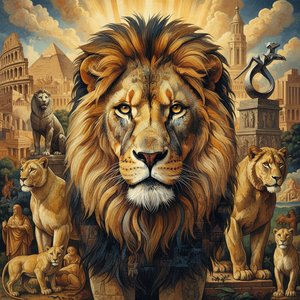
Majestic Lions: Capturing the Power and Soul of the King of Beasts through Art History
Explore the majesty of the King of Beasts through art history. From Baroque drama to Romantic realism, discover how master painters capture the power and soul of lions in exquisite oil reproductions and fine art prints for discerning collectors.

Beyond the Screen: Transforming Personal Memories into Timeless AI-Driven Anime Masterpieces
Experience the magic of digital metamorphosis. Transform your cherished photos into stunning, hand-painted anime masterpieces using our proprietary AI technology and professional artists. Elevate your personal story with a timeless, high-quality oil painting on canvas.
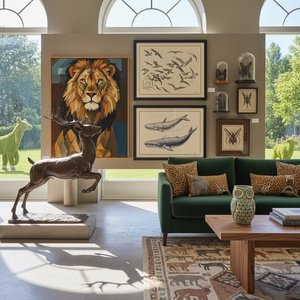
Animalia: Prezența Durabilă a Animalelor în Artă și Design Interior
Explorați prezența fascinantă a animalelor în artă și design interior de-a lungul istoriei. Descoperiți simbolismul, influențele culturale și inspirația oferită de lumea animală.
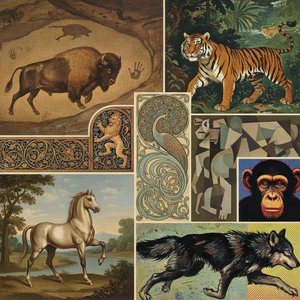
Beastly Brushstrokes: A Historical Journey Through Animal Painting & Aesthetic Movements
Explore the rich history of animal painting across cultures & movements. Discover iconic artists, symbolism, collecting trends & expert art consultation at OriginalUniqueArt.com.
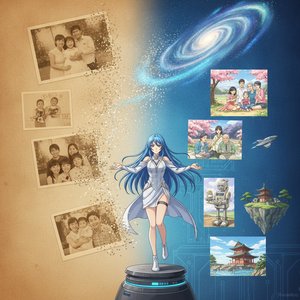
From Selfie to Studio Masterpiece: Transform Your Photos into Stunning AI-Driven Anime Art with OriginalUniqueArt
Step into the spotlight with OriginalUniqueArt's AI-driven transformation. Turn your photos into stunning, hand-painted anime oil masterpieces. Experience the perfect fusion of cutting-edge technology and museum-grade craftsmanship to create a timeless pop-culture legacy for your home.

