

 Vezi în context
 Trimite
 Distribuie
 Detalii
 Ghidul

 Descarcă
 Produse similare
 Radiografie
 Diaporama
 Statistici
The Magdalen
 Oil On Panel
- Italian Renaissance
 1520
1520- Renaissance
 59.0 x 48.0 cm
 Galeria Națională de Artă
 Citește mai mult
Reproducere pictată manual în ulei
Pictură în ulei pe pânză, realizată manual de artiștii noștri la dimensiunea și ramele dorite de dumneavoastră, pe comandă. ( Comută pe versiunea Print Treci la imagine digitală)




P118B lei10

P118H lei10

P118W lei10

P438Z lei10

P508JH lei12

P508YH lei12

P805H lei10

P805Z lei10

P919BZ lei10

P919G lei10

P919XJ lei10

P959ZH lei10

P968JZ lei12

W106C lei8

W218G lei10

W218JH lei8

W218Y lei10

W307PJ lei10

W316G lei10

W316PJ lei8

W316Y lei10

W398PJ lei8

W4111J lei10

W500HY lei15

W500JH lei15

W692G lei12

W849H lei8

W940BG lei15

W953PJ lei8




Alegeți dintre dimensiunile noastre prestabilite, care respectă proporțiile originale ale operei de artă.

Puteți introduce propriile dimensiuni pentru a se potrivi unui anumit cadru sau spațiu. Dacă dimensiunea selectată nu corespunde proporțiilor imaginii originale, vom decupa opera de artă sau vom extinde pictura cu elemente suplimentare pictate manual. O simulare digitală vă va fi trimisă pentru aprobare înainte de începerea producției.
Vă rugăm să rețineți că previzualizarea de pe ecran nu reflectă decuparea sau extinderea reală. Doar macheta va arăta cu exactitate compoziția finală.
Deși sunt disponibile dimensiuni personalizate, vă recomandăm să selectați o dimensiune din lista predefinită pentru a păstra proporțiile originale.
După plasarea comenzii, echipa OriginalUniqueArt.com va contacta clientul prin e-mail pentru instrucțiuni și îi va furniza o previzualizare a machetei
Livrare în întreaga lume () în 3-4 săptămâni, în loc de cele 5 săptămâni standard. (7 Octombrie). Fără compromisuri în ceea ce privește calitatea.

Livrare expres gratuită la nivel mondial

Pânză de in premium

Asigurare completă pentru transport

Garanție de rambursare a taxelor vamale

Garanția fidelității culorilor

Politica de retur în 100 de zile (doar pentru defecte)

Garanție de rambursare 100%

Reducere pentru comenzi multiple
 Opțiunea cu sticlă este disponibilă doar pentru dimensiuni de sub 110 cm

The Magdalen
Tip de reproducere
Dimensiune reproducere
-


Preț total
lei 1356
The Magdalen by Bernardino Luini
Bernardino Luini, a name resonating softly within the annals of Italian Renaissance painting, emerged from the picturesque region surrounding Lake Maggiore around 1480. Born in Runo, a small *frazione* near Dumenza, his early life remains shrouded in some mystery, yet it’s clear that destiny propelled him towards Milan, the vibrant artistic heartland of northern Italy. By 1500, he had relocated with his father, poised to absorb the burgeoning creative energy of the city. While accounts vary regarding his initial training—some credit Giovan Stefano Scotto, others Ambrogio Bergognone—a more profound influence was undoubtedly on the horizon: Leonardo da Vinci. The precise nature of their relationship remains debated, but it’s widely believed Luini worked directly under the master, a formative experience that would indelibly shape his artistic trajectory. This apprenticeship wasn't merely technical; it was an immersion into a world steeped in observation and anatomical precision—a cornerstone of Leonardo’s revolutionary approach to portraying human form.- Subject Matter: The painting depicts Mary Magdalene, portrayed with serene dignity amidst the aftermath of Christ’s crucifixion. Luini meticulously captures her sorrowful gaze and posture, conveying a profound sense of grief and contemplation.
- Style: Luini's style is characterized by its graceful figures—known as “Luinesque”—characterized by elongated eyes and delicately rendered drapery. This aesthetic aligns seamlessly with the prevailing humanist ideals of the Renaissance, prioritizing human emotion and beauty above rigid formalism.
- Technique: Employing oil paint on panel, Luini skillfully utilized *sfumato*, Leonardo’s technique of blurring contours to create atmospheric depth and soften edges. This masterful blending of colors contributes significantly to the painting's ethereal quality and enhances its expressive power.
Historical Context
Painted circa 1520, “The Magdalen” emerged during a period of intense artistic innovation in Milan—a city under the patronage of Federico Borromeo, Bishop of Pavia and ardent supporter of humanist scholarship. Luini’s work reflects the broader cultural currents of the time, mirroring the Renaissance fascination with biblical narratives and exploring themes of faith, compassion, and spiritual redemption. The painting stands as a testament to Luini's ability to distill complex emotions into visually arresting compositions—a hallmark of his artistic legacy.Symbolism
The composition itself is laden with symbolic significance. Mary Magdalene’s posture embodies humility and penitence, reflecting her role as a repentant sinner forgiven by Christ. The muted palette—dominated by greens and browns—evokes the desolate landscape surrounding Jerusalem at the crucifixion, underscoring the painting's solemn atmosphere. Furthermore, Luini’s meticulous attention to detail—particularly in rendering Magdalene’s facial expression—demonstrates his commitment to conveying psychological realism—a departure from earlier artistic conventions.Emotional Impact
“The Magdalen” transcends mere visual representation; it evokes a powerful emotional response in the viewer. The painting's serene beauty juxtaposed with its poignant depiction of sorrow creates a compelling tension that invites contemplation and introspection. Luini’s masterful execution captures the essence of human suffering—transforming grief into an enduring symbol of compassion and spiritual grace. It remains a timeless masterpiece, resonating across centuries with its profound artistic merit and emotional depth.Întrebări și răspunsuri
Pot comanda o reproducere în ulei a operei "The Magdalen"?
Puteți comanda o reproducere pictată manual a operei "The Magdalen" de Bernardino Luini direct pe această pagină: o reproducere pictată manual în ulei pe pânză de in, realizată la comandă.
Ce vârstă avea Bernardino Luini când a fost creat "The Magdalen"?
Bernardino Luini a creat "The Magdalen" la vârsta de 40. Artistul s-a născut în 1480, iar lucrarea datează din 1520.
În ce an a fost creată „The Magdalen”?
Crearea operei "The Magdalen" de Bernardino Luini datează din 1520.
Care este culoarea dominantă în "The Magdalen" de Bernardino Luini?
Culoarea dominantă a operei "The Magdalen" de Bernardino Luini este Black (#0c0c0a).
Cine este artistul din spatele "The Magdalen"?
„The Magdalen” a fost creat de Bernardino Luini. Informațiile de pe această pagină descriu opera originală a lui Bernardino Luini.
În ce încăpere din casă s-ar potrivi o reproducere a operei "The Magdalen"?
"The Magdalen" de Bernardino Luini este recomandată pentru o Living Room. Această sugestie se bazează pe subiectul, culorile și atmosfera lucrării.
Cum poate fi integrată "The Magdalen" de Bernardino Luini în decorul casei?
Utilizarea (Accent) și spațiul (Living Room) sunt cele două recomandări menționate pentru "The Magdalen" de Bernardino Luini.
Biografie artist
A Lombard Luminary: The Life and Art of Bernardino Luini
Bernardino Luini, a name resonating softly within the annals of Italian Renaissance painting, emerged from the picturesque region surrounding Lake Maggiore around 1480. Born in Runo, a small *frazione* near Dumenza, his early life remains shrouded in some mystery, yet it’s clear that destiny propelled him towards Milan, the vibrant artistic heartland of northern Italy. By 1500, he had relocated with his father, poised to absorb the burgeoning creative energy of the city. While accounts vary regarding his initial training—some credit Giovan Stefano Scotto, others Ambrogio Bergognone—a more profound influence was undoubtedly on the horizon: Leonardo da Vinci. The precise nature of their relationship remains debated, but it’s widely believed Luini worked directly under the master, a formative experience that would indelibly shape his artistic trajectory. This apprenticeship wasn't merely technical; it was an immersion into a world of subtle observation, innovative composition, and the elusive quality known as *sfumato*, which Luini would skillfully integrate into his own unique style.The Embrace of Leonardo and the Birth of a Style
Luini’s artistic development wasn’t simply imitation; it was a sensitive assimilation of Leonardo’s techniques filtered through his own Lombard sensibility. He didn’t strive to replicate Da Vinci’s intellectual rigor or anatomical precision, but rather embraced the softer, more lyrical aspects of his style. This is particularly evident in his depictions of women—graceful figures with elongated eyes, often described as “Luinesque” by the discerning eye of Vladimir Nabokov. These captivating gazes possess a gentle melancholy, an inwardness that invites contemplation. Early works like the *Adoration of the Magi* (c. 1505) in San Pietro, Luino, already hint at this emerging style, showcasing a delicate handling of light and shadow and a growing mastery of composition. His frescoes for the Oratory of Santa Maria Nuova in Pilastrello and the subsequent commissions throughout Milan solidified his reputation as a leading artist of the region. The influence of Bernardino Zenale’s *Cantù Polyptych* is also visible in works like *St. Anthony of Padua* (1510s), demonstrating Luini's ability to synthesize diverse influences into a cohesive artistic vision.Frescoes, Palaces, and the Flourishing of Creativity
The first two decades of the 16th century witnessed a period of intense creative activity for Luini. He wasn’t confined to religious subjects; his talents were sought after for secular commissions as well. The frescoes he created between 1509 and 1514 for Villa Pelucca in Sesto San Giovanni stand as a testament to his versatility, depicting mythological scenes with a refined elegance that graced the walls of this aristocratic residence. These works, now housed in Milan’s Pinacoteca di Brera, reveal a painter equally adept at capturing the dynamism of classical narratives and the intimate beauty of human form. He continued to receive prestigious commissions, adorning churches and palaces throughout Lombardy with his distinctive style. His ability to imbue even grand-scale frescoes with an air of intimacy and emotional resonance cemented his position as one of the most sought-after artists of his time.Key Works and Artistic Techniques
Luini’s oeuvre is characterized by a remarkable consistency in style, despite the diversity of commissions he received. His *Adoration of the Magi* (San Pietro, Luino) exemplifies his early mastery of composition and use of color. The *Lamentation of the Dead Christ* in Santa Maria della Passione showcases his ability to evoke profound emotion through subtle gestures and expressions. The frescoes for Villa Pelucca, depicting scenes from classical mythology, demonstrate a remarkable understanding of perspective and spatial arrangement. A defining feature of Luini’s work is his masterful use of *sfumato*, the hazy, atmospheric effect that Leonardo da Vinci perfected. This technique softens outlines, creates a sense of depth, and imbues his figures with an ethereal quality. Furthermore, Luini's elongated eyes in female portraits – often referred to as “Luinesque” – contribute significantly to their captivating presence. His palette is generally muted, favoring earthy tones and subtle gradations of color, creating a harmonious and contemplative atmosphere.Legacy and Enduring Appeal
Bernardino Luini passed away in Milan in June 1532, leaving behind a legacy that extended beyond his own lifetime. His son, Aurelio, followed in his footsteps, continuing the family’s artistic tradition. However, it is Bernardino who remains the more celebrated figure, remembered for his graceful figures, delicate *sfumato*, and the uniquely captivating quality of his “Luinesque” women. His work served as an inspiration to subsequent generations of artists, influencing the development of Lombard painting and contributing to the broader currents of Italian Renaissance art. Today, Luini’s masterpieces can be found in museums and churches throughout Italy—the Pinacoteca di Brera being a particularly rich repository of his works. His paintings continue to enchant viewers with their beauty, grace, and enduring emotional power, offering a glimpse into the artistic sensibilities of a bygone era. Salome with the Head of John the Baptist, for example, continues to captivate audiences with its dramatic intensity and masterful execution, while Holy Family with Saints Anne and John the Baptist exemplifies his serene and harmonious compositions.
Bernardino Luini
1480 - 1532 , Italia
Informații rapide
- Artistic Movement Or Style: Renaissance, Mannerismo
- Artists Or Movements Influenced By This Artist: ['Luinesque style']
- Artists Who Influenced This Artist: ['Leonardo da Vinci']
- Date Of Birth: c. 1480/82
- Date Of Death: 1532
- Full Name: Bernardino Luini
- Nationality: Italian
- Notable Artworks:
- Ador Magi
- St. Anthony
- Villa Pelucca
- Place Of Birth: Reno, Italia
Articole conexe

The Enduring Power of Painting: A Historical & Contemporary Exploration of Form and Emotion
Explore the rich history & enduring techniques of oil painting with OriginalUniqueArt. Discover masterpieces, learn about art collecting, and find authentic handmade reproductions crafted by skilled artists.
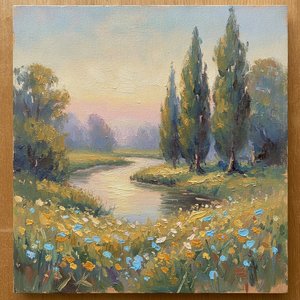
The Timeless Charm of Oil on Board: Reimagining Texture and Light through the Impressionist Lens
Discover the profound intimacy of oil on panel. Explore how Impressionist masters used rigid supports to capture light, texture, and impasto depth through exquisite, handmade oil reproductions for discerning collectors.

Moștenirea Durabilă a Picturii în Ulei: Tehnică, Istorie și Practică Contemporană
Descoperă istoria fascinantă și tehnicile esențiale ale picturii în ulei. Ghid complet pentru artiști, de la materiale până la creații contemporane. Îmbunătățește-ți abilitățile artistice!

Oil on Canvas: A Historical & Technical Exploration of a Timeless Artistic Medium
Explore the rich history & enduring techniques of oil painting on canvas. Discover the science behind its longevity, conservation practices, and contemporary relevance. Expert insights for art enthusiasts.

The Enduring Legacy of Oil on Canvas: Technique, History & Aesthetic Impact
Explore the rich history & techniques of oil painting – from Renaissance masters to Impressionism. Discover pigments, layering methods, and why this timeless medium endures. Expert insights for artists & art enthusiasts.

