

 Trimite
 Distribuie
 Detalii
 Ghidul

 Descarcă
 Produse similare
 Diaporama
 Statistici
Zito
 Gelatin Silver Print
- Photo
- Documentary Photography
 1937
1937- Modern
 192.0 x 248.0 cm
 Muzeul Evreiesc din New York
 Citește mai mult
Giclée / Imprimare artistică
Printuri giclée sau pe canvas de calitate muzeală, cu proces de producție rapid și opțiuni flexibile de finisare. ( Comandă pictură realizată manual Treci la imagine digitală)




































Alegeți dintre dimensiunile noastre prestabilite, care respectă proporțiile originale ale operei de artă.

Puteți introduce propriile dimensiuni pentru a se potrivi unui anumit cadru sau spațiu. Dacă dimensiunea selectată nu corespunde proporțiilor imaginii originale, vom decupa lucrarea de artă sau vom extinde imaginea cu margini oglindite sau cu o culoare uniformă. Un mockup digital va fi trimis pentru aprobarea dumneavoastră înainte de începerea producției.
Vă rugăm să rețineți că previzualizarea de pe ecran nu reflectă decuparea sau extinderea reală. Doar mockup-ul va arăta cu exactitate compoziția finală.
Deși dimensiunile personalizate sunt disponibile, vă recomandăm să selectați o dimensiune din lista predefinită pentru a păstra proporțiile originale.
Livrare în întreaga lume () în 2 săptămâni, în loc de cele 4/5 săptămâni standard. (25 Septembrie)

Livrare expres gratuită la nivel mondial

Pânză de in premium

Asigurare completă pentru transport

Garanție de rambursare a taxelor vamale

Garanția fidelității culorilor

Politica de retur în 100 de zile (doar pentru defecte)

Garanție de rambursare 100%

Reducere pentru comenzi multiple
 Opțiunea cu sticlă este disponibilă doar pentru dimensiuni de sub 110 cm

Zito
Giclée / Imprimare artistică
Dimensiune reproducere
-


Preț total
$ 80
A Window Into the Soul of Greenwich Village
In the quiet, silvered tones of Berenice Abbott’s 1937 masterpiece, Zito’s Bakery, we are invited to step through a portal into a vanished New York. This evocative black and white photograph is far more than a mere documentation of a storefront on Bleecker Street; it is a profound meditation on the rhythm of urban life during the Great Depression. Through Abbott's lens, the window of this humble bakery becomes a stage where the mundane meets the monumental. The composition draws the eye inward, past the textured brickwork and through the glass, to find rows of freshly baked bread—each loaf a silent testament to sustenance, community, and the enduring spirit of the working class. A solitary figure, partially obscured within the shop's interior, adds a layer of human intimacy, suggesting the quiet, diligent labor that fueled the city's heartbeat during one of its most challenging eras.
The technical mastery of this gelatin silver print lies in Abbott’s sophisticated command of light and shadow. Drawing inspiration from her mentor, the legendary Eugène Atget, Abbott utilizes natural daylight to sculpt the scene, creating a rich tapestry of textures that invite the viewer to reach out and touch the rough crust of the bread or the weathered grain of the wooden displays. The interplay of highlights on the glass and the deep, velvety shadows within the shop creates an incredible sense of depth, transforming a flat street-level shot into a three-dimensional experience. This meticulous approach to tonal adjustment ensures that every detail—from the delicate patterns of the woven baskets to the architectural lines of the window frame—is rendered with a clarity that feels both immediate and timeless.
Historical Resonance and Timeless Elegance
To behold Zito’s Bakery is to witness history breathing through the grain of photographic paper. Created as part of the Federal Art Project under President Roosevelt’s New Deal, this work embodies the era's commitment to capturing the authentic American experience amidst economic hardship. Abbott’s documentary style eschews embellishment in favor of a raw, unvarnable realism that serves as a vital social record. For the modern collector or interior designer, this piece offers a sophisticated way to introduce historical gravity and nostalgic charm into a space. Its monochromatic palette provides a versatile anchor for contemporary decor, working harmoniously with minimalist, industrial, or classic mid-century aesthetics.
Beyond its historical value, the photograph carries a deep emotional resonance that transcends time. It evokes a sense of nostalgia not just for a specific decade, but for the universal values of stability and communal nourishment. The image functions as a quiet sanctuary within a room, offering a moment of reflection on the beauty found in the everyday. Whether displayed in a sunlit gallery or as a focal point in a curated living space, this reproduction of Abbott’s vision serves as a powerful reminder that even in the most fleeting moments of daily commerce, there exists an enduring artistry that connects us to our shared human journey.
Biografie artist
Early Life and Artistic Foundations
Berenice Abbott, born Berenice Alice Abbott on July 17, 1898, in Springfield, Ohio, possessed a spirit that seemed destined for artistic exploration from the outset. Her early years were marked by a quiet intensity, shaped by a childhood experience of parental separation – an event that instilled within her a resilience and independence crucial to her future endeavors. After a brief period at The Ohio State University in 1918, she felt drawn to the vibrant pulse of New York City, seeking not just a career but a creative outlet—a place where she could hone her nascent skills in sculpture and painting. This relocation proved pivotal, introducing her to the burgeoning avant-garde circles that would profoundly influence her artistic vision and shape her approach to visual expression. It was within these circles, amongst figures like Marcel Duchamp and Man Ray, that Abbott discovered a world of experimentation, challenging established norms and embracing innovative techniques. These connections weren’t merely social; they were catalytic, providing her with the intellectual stimulation and creative encouragement she needed to develop her unique style. The atmosphere of New York's Greenwich Village fostered a spirit of daring and self-discovery—a fertile ground for an artist yearning to define herself.Parisian Awakening and Photographic Development
A transformative period in Abbott’s life commenced in 1921 when she embarked on a journey to Paris, a city renowned as the epicenter of artistic innovation at the time. This move proved instrumental in her artistic evolution, leading to an invaluable apprenticeship with the celebrated photographer Man Ray. Working closely alongside him, Abbott immersed herself deeply within the intricacies of darkroom techniques and photographic processes—a world previously unknown to her. She absorbed every detail, mastering the craft through hands-on experience and tireless dedication. It was during this time that her distinctive style began to coalesce, characterized by a remarkable attention to detail, an acute awareness of composition, and a profound ability to capture the essence of her subjects. Her work quickly garnered recognition, culminating in a solo exhibition at the gallery Le Sacre du Printemps in 1926—a testament to her burgeoning talent. This exhibition showcased portraits of prominent Parisian artists and literary figures, including the influential James Joyce and Eugène Atget, further solidifying her position within the European artistic landscape. The influence of Atget was particularly significant; Abbott’s fascination with his meticulous documentation of everyday life in Paris would later become a cornerstone of her own photographic practice. She continued to refine her skills in Berlin before returning to Paris and establishing a second studio on the rue Servandoni, firmly establishing herself as a respected figure within the Parisian art scene.Documenting a Changing City: New York Transformed
In 1929, Abbott returned to New York City with a dual purpose—to champion the work of Eugène Atget and to document the rapidly transforming urban environment that captivated her imagination. Recognizing the city’s photographic potential, she embarked on an ambitious project to capture its architecture, its bustling streets, and the dynamic energy of a metropolis undergoing rapid change. Supported by the Works Progress Administration (WPA), this undertaking resulted in “Changing New York,” a comprehensive collection that stands as a landmark achievement in documentary photography—a visual record of a city in transition. Abbott meticulously documented the juxtaposition of old and new structures, capturing candid street scenes, and revealing the vibrant pulse of a city constantly evolving. Her photographs weren’t merely static representations; they were insightful observations about urban life, progress, and the passage of time—a poignant commentary on modernity's impact. This project cemented her reputation as a visionary artist with an unparalleled ability to capture the spirit of a place through her lens. The scale of this undertaking demanded immense dedication and technical skill, pushing Abbott’s abilities to their limits and solidifying her position as a leading figure in American photography.Key Influences and Artistic Style
Berenice Abbott's artistic vision was shaped by a confluence of influences—each contributing to the distinctive character of her work. Her apprenticeship with Man Ray provided her with invaluable experience in avant-garde techniques, introducing her to a network of influential artists who challenged conventional approaches to photography. The rediscovery and promotion of Eugène Atget’s work profoundly impacted her approach to documentary photography, inspiring her meticulous documentation of urban environments—a dedication to capturing the details of everyday life often overlooked by others. Abbott's photographs are characterized by a remarkable clarity of focus, a precise composition, and an unwavering commitment to realism. She embraced the principles of “straight photography,” prioritizing sharp detail and unmanipulated images to present a truthful depiction of her subjects, devoid of artificiality or romanticism. This dedication to authenticity became a defining element of her style—allowing viewers to connect directly with the scenes she captured and appreciate their inherent beauty. Furthermore, Abbott’s work reflects the aesthetic sensibilities of the Art Deco Movement, characterized by geometric forms and a sense of modernity—a visual language that resonated deeply with her artistic sensibility.Legacy and Enduring Influence
Berenice Abbott's legacy extends far beyond her stunning photographs. She is celebrated as a pioneer in documentary photography, demonstrating an unparalleled ability to convey the essence of urban life through her lens. Her portraits offer intimate glimpses into the lives of influential cultural figures, while her New York City photographs serve as a valuable historical record of the city’s evolution—a visual testament to its transformation over time. Crucially, Abbott played a vital role in preserving and promoting the work of Eugène Atget, bringing his artistry to wider recognition and ensuring his place in photographic history. Beyond her artistic practice, she contributed significantly to the field through her writings and illustrations on photographic techniques, furthering its development as an art form. Her photographs are now held in prestigious collections worldwide—a testament to their enduring power and significance. Abbott’s influence continues to inspire photographers today, reminding us of the profound ability of the camera to document, interpret, and celebrate the world around us.
Berenice Abbott
1898 - 1991 , Statele Unite ale Americii
Informații rapide
- Artistic Movement Or Style: Fotografie documentară
- Artists Or Movements Influenced By This Artist: ['Fotografia documentară']
- Artists Who Influenced This Artist:
- Man Ray
- Eugène Atget
- Date Of Birth: 17 iulie 1898
- Date Of Death: 9 decembrie 1991
- Full Name: Berenice Abbott
- Nationality: Americană
- Notable Artworks:
- Portretul lui Anna Wickham
- Normandie, North River
- Zito
- Place Of Birth: Springfield, USA
Articole conexe
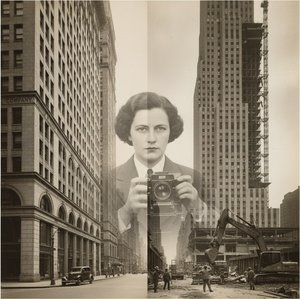
Berenice Abbott: Documenting a Changing America Through Photographic Vision
Explore the groundbreaking work of Berenice Abbott, a pioneer of documentary photography. Discover her iconic images of New York City, portraits, and scientific studies. Learn about her unique style & lasting legacy at OriginalUniqueArt.

Witnessing History Through Lens & Light: Documentary Photography's Enduring Legacy
Explore the powerful history of documentary photography – from its origins to contemporary masters like Gordon Parks & W. Eugene Smith. Discover how this art form shapes our understanding of society and witness pivotal moments in time.

Top 25 de Capodopere James Abbott McNeill Whistler: Artă, Istorie și Decor Excepțional
Descoperă top 25 de picturi James Abbott McNeill Whistler, maeștri ai impresionismului și esteticismului. Explorează nocturnele, portretele și capodoperele sale pline de atmosferă pe OriginalUniqueArt.com! Reproduceri artă de calitate superioară pentru decorul perfect.
Top 10 Capodopere ale Fotografiilor Documentare care au Definit Arta Modernă | OriginalUniqueArt.ro
Descoperă Top 10 capodopere ale fotografiei documentare care au schimbat arta! Explorează poveștile artiștilor, tehnicile și impactul emoțional al acestor imagini iconice. Reproduceri artă de calitate muzeală pe OriginalUniqueArt.ro – inspiră-ți decorul!

The Lens of Truth: A Comprehensive History and Legacy of Documentary Photography
Explore the profound history of documentary photography. From early daguerreotypes to social reform movements, discover how the lens captures truth, preserves vanishing cultures, and shapes our global visual narrative through an expert art-historical lens.