
 Trimite
 Distribuie
 Detalii
 Ghidul

 Descarcă
 Produse similare
 Diaporama
 Statistici
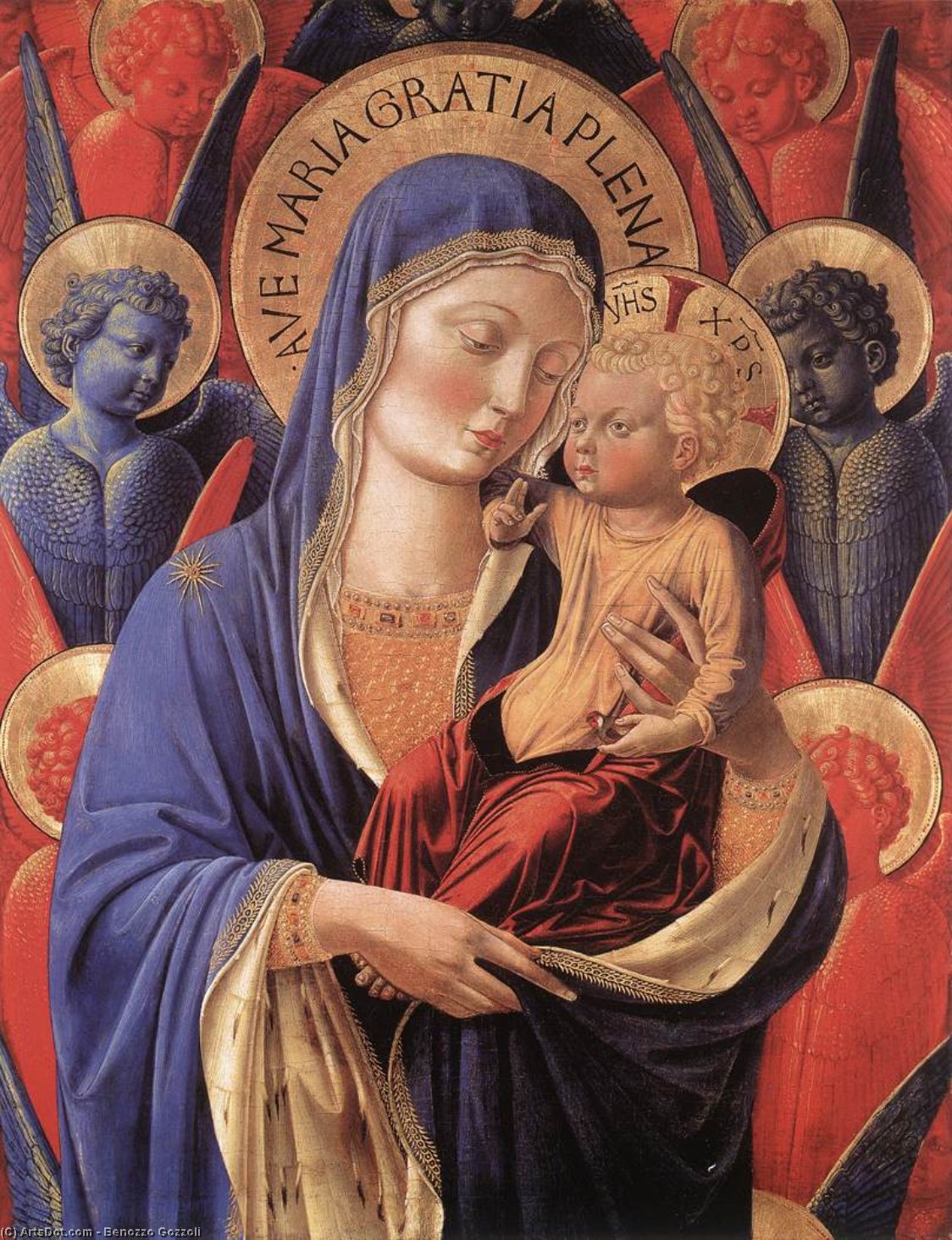
Madonna and Child
 Fresco
- Decor
- International Gothic Style
 1460
1460- Renaissance
 84.0 x 50.0 cm
 Institutul de Arte din Detroit
 Citește mai mult
Giclée / Imprimare artistică
Printuri giclée sau pe canvas de calitate muzeală, cu proces de producție rapid și opțiuni flexibile de finisare. ( Comandă pictură realizată manual Treci la imagine digitală)




































Alegeți dintre dimensiunile noastre prestabilite, care respectă proporțiile originale ale operei de artă.

Puteți introduce propriile dimensiuni pentru a se potrivi unui anumit cadru sau spațiu. Dacă dimensiunea selectată nu corespunde proporțiilor imaginii originale, vom decupa lucrarea de artă sau vom extinde imaginea cu margini oglindite sau cu o culoare uniformă. Un mockup digital va fi trimis pentru aprobarea dumneavoastră înainte de începerea producției.
Vă rugăm să rețineți că previzualizarea de pe ecran nu reflectă decuparea sau extinderea reală. Doar mockup-ul va arăta cu exactitate compoziția finală.
Deși dimensiunile personalizate sunt disponibile, vă recomandăm să selectați o dimensiune din lista predefinită pentru a păstra proporțiile originale.
Livrare în întreaga lume () în 2 săptămâni, în loc de cele 4/5 săptămâni standard. (26 Septembrie)

Livrare expres gratuită la nivel mondial

Pânză de in premium

Asigurare completă pentru transport

Garanție de rambursare a taxelor vamale

Garanția fidelității culorilor

Politica de retur în 100 de zile (doar pentru defecte)

Garanție de rambursare 100%

Reducere pentru comenzi multiple
 Opțiunea cu sticlă este disponibilă doar pentru dimensiuni de sub 110 cm

Madonna and Child
Giclée / Imprimare artistică
Dimensiune reproducere
-


Preț total
$ 80
A Celestial Embrace: The Radiance of Gozzoli’s Madonna
In the heart of the Florentine Renaissance, where the pursuit of divine beauty met the burgeoning dawn of humanism, Benozzo Gozzoli captured a moment of eternal tenderness. His Madonna and Child is not merely a religious icon but a window into a celestial realm, rendered with a vibrancy that defies the passage of centuries. As one gazes upon the Virgin Mary cradling the infant Jesus, there is an immediate sense of being drawn into a sacred dialogue. The composition, rich with the presence of ethereal angels, creates a sanctuary of peace, inviting the viewer to pause and reflect amidst the chaos of the modern world. For the discerning collector or interior designer, this piece offers more than decoration; it provides a focal point of profound spiritual grace and historical weight.
The stylistic essence of this masterpiece lies in its exquisite fusion of the International Gothic tradition with the fresh, optimistic spirit of the early Renaissance. Gozzoli, a devoted pupil of Fra Angelico, inherited a mastery of detail that allows him to render the delicate folds of drapery and the soft, luminous skin of the Christ child with breathtaking precision. The palette is a celebratory feast for the eyes, characterized by deep, regal reds, celestial blues, and shimmering golds that evoke the opulence of 15th-century Florence. This use of color does not just decorate the surface; it breathes life into the figures, creating a sense of movement and vitality that makes the divine feel tangibly present.
Technique and the Mastery of Light
Executed using the demanding fresco technique, the work demonstrates Gozzoli’s profound understanding of permanence and light. By applying pigments directly onto wet plaster, the artist ensured that the colors became an integral part of the very structure of the piece, a method chosen to guarantee a legacy that would endure for generations. This technical prowess is most evident in his use of chiaroscuro—the masterful interplay between light and shadow. Subtle gradations in tone create a three-dimensional depth, allowing the figures to emerge from the background with a sculptural quality. The result is a luminous effect where light seems to emanate from within the painting itself, casting a soft, divine glow upon the faces of the Madonna and her attendant angels.
Beyond its technical brilliance, the artwork serves as a profound symbol of faith and maternal devotion. The way Mary holds her son reflects the dual nature of Christ—the vulnerability of an infant and the majesty of a Savior. This tension between the human and the divine is what gives the painting its enduring emotional impact. For those seeking to infuse a space with a sense of tranquility, dignity, and timelessness, a high-quality reproduction of this Gozzoli masterpiece serves as an incomparable treasure. It is an invitation to surround oneself with the splendor of the Renaissance, bringing a touch of Florentine history and heavenly serenity into the contemporary home.
Biografie artist
Early Life and Artistic Foundations
Benozzo Gozzoli, a name synonymous with the vibrant heart of the Italian Renaissance, was born in Florence around 1420 into a family rooted in both the city’s artistic traditions and its agricultural heritage. His origins, tracing back to Sant’Ilario a Colombaia, a small village just outside Florence, provided him with an intimate connection to the land and a grounding in the values of rural life – elements that would subtly inform his later work. While precise details about his early training remain somewhat elusive, it is generally believed that Gozzoli began his artistic journey not through formal academic instruction, but rather through apprenticeship and observation. He likely honed his skills as a goldsmith before transitioning to painting, absorbing techniques from the diverse workshops of Florence at the time. Crucially, he found himself in the orbit of Fra Angelico, one of the most influential artists of the early Renaissance, a master whose serene spirituality and meticulous detail profoundly shaped Gozzoli’s artistic sensibilities. His collaboration with Fra Angelico on the decoration of the monastery of San Marco in Florence between 1444 and 1445 proved to be a formative experience, exposing him to the principles of tempera painting and fostering an appreciation for harmonious composition and delicate color palettes. This early exposure also introduced him to the burgeoning interest in naturalism that characterized the Renaissance – a fascination with accurately representing the world around them, a trait he would later masterfully integrate into his own work.A Flourishing Career: Collaboration and Independent Works
Gozzoli’s career unfolded across several key centers of artistic activity throughout Italy during the mid-15th century. He initially gained recognition in Montefalco, Umbria, where he produced a series of frescoes depicting scenes from St. Francis for the church of San Fortunato – works that showcased his developing skill in narrative composition and his burgeoning interest in portraying human figures with a newfound sense of realism. His travels then led him to Viterbo, where he undertook the ambitious commission of painting nine frescoes illustrating episodes from the life of Saint Rose of Lima for the Collegio Gerolominiano. This project demonstrated his growing confidence as an independent artist and his ability to execute large-scale decorative schemes. A significant turning point in Gozzoli’s career came with his move to Rome, where he served as a key assistant to Fra Angelico on several prestigious projects, including the decoration of the chapel of Pope Nicholas V in the Vatican. This experience exposed him to the refined artistic standards of the papal court and further honed his technical skills. His time in Rome also solidified his reputation as a versatile artist capable of adapting to diverse stylistic influences. Notably, he collaborated with Lorenzo and Vittorio Ghiberti on the third bronze doors for the Baptistery of Florence (1444-1447), a project that showcased his burgeoning sculptural sensibilities alongside his painting abilities.The Masterpiece: The Journey of the Magi
Perhaps Gozzoli’s most celebrated achievement is undoubtedly the fresco cycle he executed in the chapel of the Medici-Riccardi Palace in Florence between 1459 and 1460. This monumental work, entitled *The Procession of the Three Kings*, represents a culmination of all his artistic influences – the elegance of International Gothic style, the naturalism championed by Renaissance humanists, and the rich symbolism of religious iconography. The fresco depicts the biblical journey of the Magi to Bethlehem, but Gozzoli cleverly integrated portraits of members of the Medici family into the scene, transforming a traditional religious narrative into a sophisticated display of dynastic power and prestige. The composition is remarkably dynamic, filled with movement, color, and intricate detail. Gozzoli’s masterful use of perspective creates a sense of depth and spatial illusion, while his attention to costume and landscape imbues the scene with a remarkable degree of realism. The fresco stands as a testament to Gozzoli's artistic genius and his ability to seamlessly blend diverse stylistic elements into a cohesive and compelling whole.Later Works and Legacy
Following the completion of *The Procession of the Magi*, Gozzoli continued to work prolifically throughout Italy, accepting commissions in Pisa, Perugia, and other cities. He produced a series of frescoes for the Camposanto (cemetery) in Pisa, depicting scenes from the Old Testament – a testament to his versatility and his ability to tackle ambitious projects across various genres. His final major commission was a cycle of seventeen frescoes illustrating the life of Saint Augustine for the choir of Sant’Agostino in San Gimignano, completed in 1465. Benozzo Gozzoli died in Pistoia in 1497, leaving behind a rich and varied body of work that reflects the dynamic artistic landscape of the Italian Renaissance. His legacy lies not only in his individual masterpieces but also in his role as a pivotal figure who bridged the gap between the International Gothic style and the emerging Renaissance aesthetic – an artist whose innovative approach to composition, color, and symbolism continues to captivate viewers today.Key Dates
* **Born:** c. 1420, Florence, Italy * **Active in:** Florence, Umbria, Rome (1444-1497) * **Died:** 1497, Pistoia, Italy
Benozzo Gozzoli
1420 - 1497 , Italia
Informații rapide
- Artistic Movement Or Style: Gotic Internațional
- Artists Or Movements Influenced By This Artist: ['Renașcentism Timpuriu']
- Artists Who Influenced This Artist:
- Fra Angelico
- Lorenzo Ghiberti
- Date Of Birth: 1420
- Date Of Death: 1497
- Full Name: Benozzo di Lese
- Nationality: Florentin
- Notable Artworks:
- Procesiunea Magilor
- Frescele Medici
- Place Of Birth: Florența, Italia
Articole conexe

Moștenirea Frescei: Pictând Istoria Familiei pe Pereți
Transformă istoria familiei tale într-o frescă unică! Artiști profesioniști, tehnici moderne și consultanță gratuită. Creează o moștenire vizuală de neuitat cu .

The Enduring Legacy of Fresco: Technique, History & Artistic Expression Across Cultures
Explore the rich history & enduring legacy of fresco painting! Discover ancient techniques, Giotto's masterpieces, and modern applications. Expert insights for art lovers & professionals.
Arta care prinde viață: Puterea emoțională a unei fresce interioare personalizate
Descoperă puterea emoțională a unei fresce interioare personalizate! Experți în arta frescei oferim design unic, execuție impecabilă și consultanță gratuită. Transformă-ți spațiul!

The Enduring Legacy of Fresco Painting: Techniques, History & Contemporary Relevance
Explore the rich history & enduring artistry of fresco painting – from Giotto to Michelangelo! Discover techniques, conservation efforts, & modern applications. Learn how OriginalUniqueArt brings this timeless art form to your home.

Beyond Borders: The Spiritual & Stylistic Innovations of International Gothic Art
Explore the exquisite beauty & spiritual depth of International Gothic art. Discover key artists like Simone Martini & Pol de Limbourg, its origins, symbolism, and lasting influence on European painting. Expert insights at OriginalUniqueArt.


