
 Previzualizare
 Trimite prin felicitare
 Distribuie
 Detalii despre lucrare
 Ghid
Ghid

 Descarcă imaginea
 Produse similare
 Radiografie
 Galerie foto
 Statistici
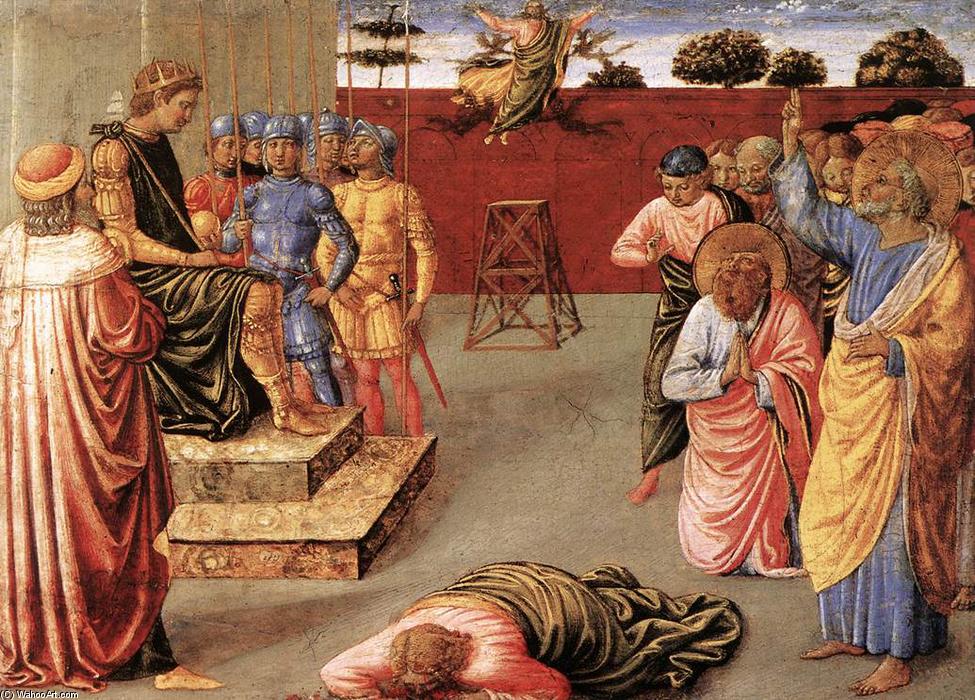
Fall of Simon Magus
 Oil On Canvas
- WallArt
 1461
1461 24.0 x 35.0 cm
 Colecția Regală
 Vezi mai mult
Giclée / Imprimare artistică
Printuri giclée sau pe canvas de calitate muzeală, cu proces de producție rapid și opțiuni flexibile de finisare. ( Comandă pictură realizată manual Comută pe Imagine Digitală)




P118B lei10

P118H lei10

P118W lei10

P438Z lei10

P508JH lei12

P508YH lei12

P805H lei10

P805Z lei10

P919BZ lei10

P919G lei10

P919XJ lei10

P959ZH lei10

P968JZ lei12

W106C lei8

W218G lei10

W218JH lei8

W218Y lei10

W307PJ lei10

W316G lei10

W316PJ lei8

W316Y lei10

W398PJ lei8

W4111J lei10

W500HY lei15

W500JH lei15

W692G lei12

W849H lei8

W940BG lei15

W953PJ lei8




Alegeți dintre dimensiunile noastre prestabilite, care respectă proporțiile originale ale operei de artă.

Introduceți lățimea și înălțimea necesare pentru a se potrivi ramei sau peretelui dumneavoastră. O printare poate fi doar tăiată, niciodată extinsă dincolo de dimensiunea imaginii originale, astfel încât o dimensiune cu o formă diferită va pierde o parte din imagine. Vă trimitem o simulare digitală pentru aprobare înainte de a imprima orice. Imaginea afișată pe această pagină nu prezintă tăierea reală — doar simularea arată acest lucru.
Livrare în întreaga lume () în 2 săptămâni, în loc de cele 4/5 săptămâni standard. (26 Octombrie)

Livrare expres gratuită la nivel mondial

Pânză de in de înaltă calitate

Asigurare completă pentru transport

Garanție de rambursare a taxelor vamale

Garanția fidelității culorilor

Politica de retur în 100 de zile (doar pentru defecte de fabricație)

Garanție de rambursare 100%

Ofertă pentru comenzi multiple
 Opțiunea cu sticlă este disponibilă doar pentru dimensiuni de sub 110 cm

Fall of Simon Magus
Giclée / Imprimare artistică
Dimensiune reproducere
-


Preț total calculat
lei 370
The Fall of Simon Magus: A Triumph of Venetian Gothic Style
Benozzo Gozzoli’s “Fall of Simon Magus,” painted in 1461-62, stands as a remarkable testament to the burgeoning artistic fervor of Renaissance Florence and its embrace of international stylistic influences. Commissioned for the altarpiece of Santa Maria della Purificazione e di San Zanobi—a confraternity dedicated to Saint Peter and Saint Paul—the panel embodies Gozzoli’s masterful command of Venetian Gothic, marking him as a pivotal figure in bridging the gap between medieval grandeur and humanist innovation.
- Subject Matter: The artwork recounts an episode from Jacobus de Voragine's *Golden Legend*, depicting Simon Magus’ audacious attempt to ascend to heaven by launching himself from a tower, fueled by ambition and defiance of divine authority. Peter, guided by Nero’s counsel, intervenes, commanding the demonic forces supporting Simon to release his grip on the earth.
- Style & Technique: Gozzoli employed tempera paint on poplar panel—a technique favored for its vibrancy and durability—resulting in a luminous surface adorned with intricate detail. The Venetian Gothic style is evident in the elongated figures, expressive drapery, and dramatic composition, reflecting the stylistic trends prevalent in Venice at the time.
- Historical Context: Painted during a period of intense artistic experimentation, “Fall of Simon Magus” aligns itself with the broader Renaissance preoccupation with moral allegory and biblical narratives. It speaks to themes of faith versus heresy, humility versus pride—concepts central to humanist thought.
Composition & Symbolism: A Dynamic Narrative
The painting’s dynamism is immediately striking. Gozzoli skillfully orchestrates a complex visual narrative, utilizing diagonal lines and overlapping planes to convey movement and tension. The central figure of Simon Magus dominates the composition, positioned precariously atop the tower—a symbol of ambition and earthly aspiration—while angels descend from above, representing divine intervention and judgment. Nero’s presence on the left underscores the imperial patronage that fueled artistic endeavors during this era.
- Color Palette: Gozzoli utilizes a rich color palette characterized by deep reds, blues, and golds—colors traditionally associated with royalty and piety—to heighten the emotional impact of the scene. The luminous hues contribute to the overall sense of grandeur and drama.
- Symbolic Imagery: Beyond its narrative content, “Fall of Simon Magus” incorporates symbolic imagery that reinforces its moral message. The tower represents ambition and pride, while the angels embody divine grace and redemption. The depiction of Simon’s lifeless body serves as a poignant reminder of earthly mortality.
Legacy & Influence
"Fall of Simon Magus" exemplifies Gozzoli's artistic genius and solidified his reputation as one of Florence’s foremost painters. Its influence extended beyond its immediate commission, inspiring subsequent artists to explore similar stylistic approaches and thematic concerns. Today, the panel resides in Hampton Court Palace, where it continues to captivate viewers with its masterful execution and enduring beauty—a timeless masterpiece that encapsulates the spirit of Renaissance art.
For more information on Benozzo Gozzoli and his works, visit Benozzo Gozzoli on Wikipedia. Handmade oil paintings reproductions of the Fall of Simon Magus can be found at OriginalUniqueArt.comÎntrebări și răspunsuri
Care sunt dimensiunile originalului "Fall of Simon Magus" de Benozzo Gozzoli?
„Fall of Simon Magus” măsoară 24 x 35 cm în formatul său original. Dimensiunile originale reprezintă o referință utilă atunci când alegeți dimensiunea unei reproduceri.
Ce emoție transmit culorile din "Fall of Simon Magus" de Benozzo Gozzoli?
Paleta Dark a operei "Fall of Simon Magus" de Benozzo Gozzoli se armonizează cu tonul său Dramatic. Culoarea este una dintre modalitățile prin care o lucrare transmite emoție.
Culorile din "Fall of Simon Magus" de Benozzo Gozzoli sunt saturate sau tenue?
Culorile din "Fall of Simon Magus" de Benozzo Gozzoli au o saturație de Clear Color Presence. Saturația descrie cât de vii sau de tenue sunt culorile.
Biografie artist
Early Life and Artistic Foundations
Benozzo Gozzoli, a name synonymous with the vibrant heart of the Italian Renaissance, was born in Florence around 1420 into a family rooted in both the city’s artistic traditions and its agricultural heritage. His origins, tracing back to Sant’Ilario a Colombaia, a small village just outside Florence, provided him with an intimate connection to the land and a grounding in the values of rural life – elements that would subtly inform his later work. While precise details about his early training remain somewhat elusive, it is generally believed that Gozzoli began his artistic journey not through formal academic instruction, but rather through apprenticeship and observation. He likely honed his skills as a goldsmith before transitioning to painting, absorbing techniques from the diverse workshops of Florence at the time. Crucially, he found himself in the orbit of Fra Angelico, one of the most influential artists of the early Renaissance, a master whose serene spirituality and meticulous detail profoundly shaped Gozzoli’s artistic sensibilities. His collaboration with Fra Angelico on the decoration of the monastery of San Marco in Florence between 1444 and 1445 proved to be a formative experience, exposing him to the principles of tempera painting and fostering an appreciation for harmonious composition and delicate color palettes. This early exposure also introduced him to the burgeoning interest in naturalism that characterized the Renaissance – a fascination with accurately representing the world around them, a trait he would later masterfully integrate into his own work.A Flourishing Career: Collaboration and Independent Works
Gozzoli’s career unfolded across several key centers of artistic activity throughout Italy during the mid-15th century. He initially gained recognition in Montefalco, Umbria, where he produced a series of frescoes depicting scenes from St. Francis for the church of San Fortunato – works that showcased his developing skill in narrative composition and his burgeoning interest in portraying human figures with a newfound sense of realism. His travels then led him to Viterbo, where he undertook the ambitious commission of painting nine frescoes illustrating episodes from the life of Saint Rose of Lima for the Collegio Gerolominiano. This project demonstrated his growing confidence as an independent artist and his ability to execute large-scale decorative schemes. A significant turning point in Gozzoli’s career came with his move to Rome, where he served as a key assistant to Fra Angelico on several prestigious projects, including the decoration of the chapel of Pope Nicholas V in the Vatican. This experience exposed him to the refined artistic standards of the papal court and further honed his technical skills. His time in Rome also solidified his reputation as a versatile artist capable of adapting to diverse stylistic influences. Notably, he collaborated with Lorenzo and Vittorio Ghiberti on the third bronze doors for the Baptistery of Florence (1444-1447), a project that showcased his burgeoning sculptural sensibilities alongside his painting abilities.The Masterpiece: The Journey of the Magi
Perhaps Gozzoli’s most celebrated achievement is undoubtedly the fresco cycle he executed in the chapel of the Medici-Riccardi Palace in Florence between 1459 and 1460. This monumental work, entitled *The Procession of the Three Kings*, represents a culmination of all his artistic influences – the elegance of International Gothic style, the naturalism championed by Renaissance humanists, and the rich symbolism of religious iconography. The fresco depicts the biblical journey of the Magi to Bethlehem, but Gozzoli cleverly integrated portraits of members of the Medici family into the scene, transforming a traditional religious narrative into a sophisticated display of dynastic power and prestige. The composition is remarkably dynamic, filled with movement, color, and intricate detail. Gozzoli’s masterful use of perspective creates a sense of depth and spatial illusion, while his attention to costume and landscape imbues the scene with a remarkable degree of realism. The fresco stands as a testament to Gozzoli's artistic genius and his ability to seamlessly blend diverse stylistic elements into a cohesive and compelling whole.Later Works and Legacy
Following the completion of *The Procession of the Magi*, Gozzoli continued to work prolifically throughout Italy, accepting commissions in Pisa, Perugia, and other cities. He produced a series of frescoes for the Camposanto (cemetery) in Pisa, depicting scenes from the Old Testament – a testament to his versatility and his ability to tackle ambitious projects across various genres. His final major commission was a cycle of seventeen frescoes illustrating the life of Saint Augustine for the choir of Sant’Agostino in San Gimignano, completed in 1465. Benozzo Gozzoli died in Pistoia in 1497, leaving behind a rich and varied body of work that reflects the dynamic artistic landscape of the Italian Renaissance. His legacy lies not only in his individual masterpieces but also in his role as a pivotal figure who bridged the gap between the International Gothic style and the emerging Renaissance aesthetic – an artist whose innovative approach to composition, color, and symbolism continues to captivate viewers today.Key Dates
* **Born:** c. 1420, Florence, Italy * **Active in:** Florence, Umbria, Rome (1444-1497) * **Died:** 1497, Pistoia, Italy
Benozzo Gozzoli
1420 - 1497 , Italia
Detalii rapide
- Artistic Movement Or Style: Gotic Internațional
- Artists Or Movements Influenced By This Artist: ['Renașcentism Timpuriu']
- Artists Who Influenced This Artist:
- Fra Angelico
- Lorenzo Ghiberti
- Date Of Birth: 1420
- Date Of Death: 1497
- Full Name: Benozzo di Lese
- Nationality: Florentin
- Notable Artworks:
- Procesiunea Magilor
- Frescele Medici
- Place Of Birth: Florența, Italia
Articole similare

Benozzo Gozzoli: Narrative Innovation & Secular Humanism in Early Renaissance Frescoes
Explore the innovative frescoes of Benozzo Gozzoli, a key Florentine Renaissance painter. Discover his unique blend of religious narrative, secular humanism & detailed portraiture in masterpieces like the Magi Chapel cycle.
Late Medieval Masterpieces: 10 Artworks That Defined an Era | OriginalUniqueArt
Journey through 10 defining Late Medieval masterpieces – from Giotto's frescoes to Jan van Eyck’s realism. Explore the stories, techniques & vibrant colors of Gothic art. Find museum-quality reproductions and elevate your home decor with OriginalUniqueArt.com! Discover all masterpieces on OriginalUniqueArt.com
High Medieval Art: 10 Masterpieces That Shaped an Era | OriginalUniqueArt
Journey through High Medieval Art! Explore 10 iconic masterpieces – from Giotto's frescoes to stunning Gothic cathedrals. Discover the stories behind these timeless paintings, sculptures & illuminated manuscripts. Find museum-quality art reproductions at OriginalUniqueArt.com.

Simon Vouet: A Baroque Master's Journey from Italian Influence to French Classicism
Explore the life & art of Simon Vouet, a pivotal French Baroque painter who introduced Italian styles to France. Discover his masterpieces and lasting influence on 17th-century art.

Divine Light & Golden Splendor: A Journey Through the Sacred Grandeur of High Medieval Art
Embark on a soulful journey through High Medieval art. Explore the divine light of Gothic cathedrals, Byzantine splendor, and sacred masterpieces that shaped Western history with our expert-led cultural reflections.


