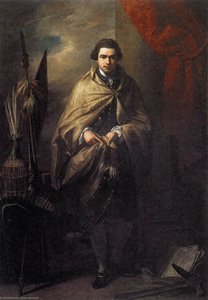
Vezi în context
 Trimite
 Distribuie
 Detalii
 Ghidul

 Descarcă
 Produse similare
 Radiografie
 Diaporama
 Statistici
The Last Supper


 Citește mai mult
Reproducere pictată manual în ulei
Pictură în ulei pe pânză, realizată manual de artiștii noștri la dimensiunea și ramele dorite de dumneavoastră, pe comandă. ( Comută pe versiunea Print Treci la imagine digitală)




P118B lei10

P118H lei10

P118W lei10

P438Z lei10

P508JH lei12

P508YH lei12

P805H lei10

P805Z lei10

P919BZ lei10

P919G lei10

P919XJ lei10

P959ZH lei10

P968JZ lei12

W106C lei8

W218G lei10

W218JH lei8

W218Y lei10

W307PJ lei10

W316G lei10

W316PJ lei8

W316Y lei10

W398PJ lei8

W4111J lei10

W500HY lei15

W500JH lei15

W692G lei12

W849H lei8

W940BG lei15

W953PJ lei8




Alegeți dintre dimensiunile noastre prestabilite, care respectă proporțiile originale ale operei de artă.

Introduceți lățimea și înălțimea de care aveți nevoie, pentru a se potrivi ramei sau peretelui dumneavoastră. Această lucrare este pictată manual, așa că pentru o dimensiune cu o formă diferită, artistul poate picta puțin mai mult în jurul imaginii sau poate tăia puțin din margini — dumneavoastră decideți. Vă vom trimite o simulare digitală pentru aprobare înainte de a începe pictarea. Imaginea afișată pe această pagină nu reprezintă rezultatul real — doar simularea este reprezentativă.
După plasarea comenzii, echipa OriginalUniqueArt.com va contacta clientul prin e-mail pentru instrucțiuni și îi va furniza o previzualizare a machetei
Livrare în întreaga lume () în 3-4 săptămâni, în loc de cele 5 săptămâni standard. (20 Octombrie). Fără compromisuri în ceea ce privește calitatea.

Livrare expres gratuită la nivel mondial

Pânză de in premium

Asigurare completă pentru transport

Garanție de rambursare a taxelor vamale

Garanția fidelității culorilor

Politica de retur în 100 de zile (doar pentru defecte)

Garanție de rambursare 100%

Reducere pentru comenzi multiple
 Opțiunea cu sticlă este disponibilă doar pentru dimensiuni de sub 110 cm

The Last Supper
Tip de reproducere
Dimensiune reproducere
-


Preț total
lei 1376
A Moment Frozen in Time: Benjamin West’s “The Last Supper”
Benjamin West's "The Last Supper," painted in 1786, isn’t merely a depiction of a biblical event; it’s a profound exploration of human emotion and the genesis of faith. This monumental oil on canvas, currently residing at the Detroit Institute of Arts, transcends its historical subject matter to become a timeless meditation on betrayal, disbelief, and the quiet dignity of sacrifice. West, a pivotal figure bridging the worlds of Neoclassicism and burgeoning American artistic identity, masterfully captures the palpable tension within the room as Jesus reveals his impending doom to his disciples. The painting’s power lies not just in its subject matter but in the artist's ability to translate complex theological concepts into a visually arresting and emotionally resonant experience.

Neoclassical Composition and Dramatic Light
West’s compositional choices are immediately striking, firmly rooted in the principles of Neoclassicism. He eschews the swirling dynamism of Romanticism for a carefully structured scene reminiscent of classical Roman frescoes. The figures – Jesus at the head of the table, surrounded by his twelve disciples – are rendered with an almost sculptural quality, their bodies and drapery meticulously observed and flawlessly executed. The setting itself is deliberately austere, evoking the formality and gravity associated with religious gatherings in the era. However, it’s West's masterful use of light and shadow—chiaroscuro—that truly elevates the painting to a higher plane. A single, dramatic light source illuminates the faces of the disciples, highlighting their shock, confusion, and despair. This strategic lighting not only draws the viewer’s eye but also intensifies the emotional impact of the scene, creating a sense of foreboding and impending tragedy.
Symbolism and Psychological Depth
Beyond its formal elements, “The Last Supper” is rich in symbolic meaning. Judas Iscariot, positioned prominently in the foreground—a sickly green shadow enveloping his figure—is not simply a villain but a symbol of corruption and betrayal. West deliberately casts him as oversized, emphasizing his transgression against the group. The disciples’ reactions are equally significant; their gestures, expressions, and body language reveal a spectrum of emotions – disbelief, sorrow, anger, and fear. West doesn't offer easy answers or simplistic portrayals; instead, he presents a complex psychological drama, inviting viewers to contemplate the human condition and the consequences of betrayal.
A Legacy of Influence
“The Last Supper” stands as a pivotal work in art history, profoundly influencing subsequent generations of artists. West’s dramatic composition and masterful use of light and shadow were adopted by painters like Tintoretto and Poussin, demonstrating the painting's enduring impact. Furthermore, it reflects the artistic currents of its time – the rise of Neoclassicism, the growing interest in historical subjects, and the exploration of human emotion within a religious context. Reproductions offered by OriginalUniqueArt.com allow you to experience this masterpiece firsthand, bringing West’s profound vision into your home or studio. For those seeking further insight, we encourage you to explore the Detroit Institute of Arts website and the extensive resources available on OriginalUniqueArt.com.
Întrebări și răspunsuri
Pentru ce este recomandată o reproducere a operei "The Last Supper" de Benjamin West?
Utilizarea sugerată pentru "The Last Supper" de Benjamin West este Statement. Poate servi și alte scopuri.
Culorile din "The Last Supper" de Benjamin West sunt vii sau discrete?
Culorile din "The Last Supper" de Benjamin West prezintă o saturație de Subtle Color cu o intensitate de Balanced.
Unde pot găsi un ghid pentru "The Last Supper"?
Pagina Ghid pentru "The Last Supper" de Benjamin West oferă o fișă informativă imprimabilă în două pagini: opera de artă însoțită de tabelul său de identificare, o bandă decenală care o plasează în intervalul de viață al artistului, alte lucrări ale acestuia, paleta de culori măsurată și citări gata de copiat în patru stiluri diferite.
Biografie artist
A Pioneer Bridging Worlds: The Life and Legacy of Benjamin West
Born in 1738 amidst the burgeoning landscape of colonial Pennsylvania, Benjamin West emerged as a pivotal figure in the transatlantic art world, a painter who skillfully navigated the currents of Neoclassicism and Romanticism while forging a uniquely American artistic identity. His story is one of remarkable self-education, unwavering ambition, and an extraordinary ability to connect with both aristocratic patrons and revolutionary ideals. From humble beginnings—his father an innkeeper in Springfield—West’s innate talent was nurtured by early exposure to the arts, reportedly learning rudimentary techniques from Native Americans before receiving any formal training. This unconventional start instilled within him a spirit of innovation that would characterize his entire career. He quickly established himself as a sought-after portraitist in Philadelphia and New York, but a thirst for deeper artistic knowledge propelled him towards Europe in 1760, embarking on a journey that would irrevocably alter the course of American art.From Italy to London: Forging a Path to Recognition
West’s arrival in Italy marked a turning point. Immersing himself in the artistic heartland of Europe, he studied the masters—Titian, Raphael—and engaged with contemporary Neoclassical thinkers like Anton Rafael Mengs and Angelica Kauffman. This period was crucial in shaping his aesthetic sensibilities, instilling within him an appreciation for classical form and historical narrative. He spent years meticulously copying works by these giants, absorbing their techniques and developing a profound understanding of composition, color theory, and the nuances of human anatomy. However, it was London that ultimately became his adopted home and artistic center. Arriving in 1763, West swiftly ascended the ranks of the British art scene, captivating audiences with his ambitious canvases and securing the patronage of King George III. This royal endorsement not only provided financial stability but also cemented his position as a leading figure within the establishment. A defining moment came with his election to the Royal Academy in 1769, an institution he would later preside over as President from 1792 until his death. His influence extended beyond his own artistic production; West became a champion for American artists seeking training abroad, offering guidance and support to generations of aspiring painters like Allston, Copley, and Morse.Revolutionizing Historical Painting: Technique and Controversy
West’s impact on the art world wasn't merely about achieving technical mastery; it was about challenging conventions. He dared to reimagine historical painting, moving away from rigid adherence to classical precedent and embracing a more contemporary sensibility. The Death of General Wolfe (1770), arguably his most famous work, exemplifies this revolutionary approach. By depicting the fallen general surrounded by figures in *contemporary* military attire rather than traditional Roman garb, West sparked considerable debate. Critics questioned the historical accuracy, but audiences were captivated by the immediacy and emotional resonance of the scene. This bold move signaled a shift towards greater realism and narrative power in history painting, influencing countless artists who followed. His style evolved over time, incorporating elements of Romanticism into his later works, yet always retaining a commitment to ambitious composition and detailed execution. Other notable pieces like Thetis Bringing the Armor to Achilles, The Three Sisters, The Fright of Astyanax, and The Cave of Despair demonstrate his versatility and mastery across a range of mythological and historical themes. He was known for his meticulous preparatory sketches and his ability to capture complex emotions in his subjects’ faces.A Lasting Legacy: Shaping Artistic Identity
Benjamin West’s legacy extends far beyond the canvases he created. He fundamentally altered the landscape of American art, establishing history painting as a viable genre for American artists and fostering a sense of national artistic identity. His presidency of the Royal Academy solidified his influence on British art, promoting innovation and supporting emerging talent.- He championed a more accessible and emotionally engaging style of historical representation.
- His studio became a haven for American artists seeking training in Europe.
- He bridged the gap between Neoclassical ideals and the burgeoning Romantic movement.
Key Works
* The Death of General Wolfe (1770): A pivotal work that redefined historical painting with its contemporary setting and dramatic composition. * Thetis Bringing the Armor to Achilles (c. 1768): Demonstrates West’s early Neoclassical style, showcasing his mastery of classical forms and mythological subjects. * The Three Sisters (1773): A portrait that exemplifies West's ability to capture familial relationships with sensitivity and detail. * Fright of Astyanax (c. 1775): A dramatic narrative scene illustrating West’s talent for conveying emotion and storytelling through visual imagery.Influences
West was profoundly influenced by the artistic traditions of Italy, particularly the works of Titian, Raphael, and Mengs. He also drew inspiration from contemporary Neoclassical thinkers like Angelica Kauffman, whose emphasis on naturalism and emotional expression resonated with West’s own artistic sensibilities. Furthermore, his early exposure to Native American art forms instilled in him a unique perspective on composition and storytelling.Historical Significance
Benjamin West's career coincided with a period of significant political and social change in both America and Britain. His work reflected the ideals of the Enlightenment and the growing sense of national identity that characterized these times. As a prominent figure in the Royal Academy, he played a key role in shaping the course of British art and fostering a new generation of artists.
Benjamin West
1738 - 1820 , Statele Unite ale Americii
Informații rapide
- Artistic Movement Or Style: Neoclassicism, Romanticism
- Artists Or Movements Influenced By This Artist:
- Allston
- Copley
- Morse
- Artists Who Influenced This Artist:
- Titian
- Raphael
- Mengs
- Date Of Birth: 1738-10-10
- Date Of Death: 1820-03-11
- Full Name: Benjamin West
- Nationality: American
- Notable Artworks:
- Death Wolfe
- Thetis
- Three Sisters
- Place Of Birth: Springfield, USA
Articole conexe
Leonardo da Vinci: Cele Mai Iubite Capodopere – Artă, Istorie și Inspirație pentru Decor
Descoperă cele mai frumoase 25 de capodopere ale lui Leonardo da Vinci! Explorează istoria, tehnicile și semnificația picturilor iconice precum Mona Lisa sau Ultima Cină. Găsește reproduceri de artă de calitate muzeală și idei inspirate pentru decor pe OriginalUniqueArt.com.

Masterpieces of the Last Supper: An Art Historian's Journey Through Iconic Depictions of a Sacred Moment
Explore the profound artistry of The Last Supper through an art historian's lens. From Leonardo da Vinci’s genius to diverse Renaissance interpretations, discover the symbolism and technique behind history's most iconic sacred depictions.
R.A. Benjamin Williams: Victorian Genre Painting & Social Commentary
Explore the captivating world of Benjamin Williams Leader's Victorian genre paintings. Discover his mastery of naturalism, social commentary & lasting influence on British art. Expert insights at OriginalUniqueArt.

Benjamin Haughton: Victorian Genre Painting & Social Commentary
Explore the captivating world of Benjamin Haughton, Victorian genre painter. Discover his realistic depictions of daily life, social commentary, and enduring artistic legacy. Shop high-quality reproductions at OriginalUniqueArt.

Benjamin West: Transatlantic Ambition & Shaping American Art
Explore the life & legacy of Benjamin West, pioneering American artist and Royal Academy president. Discover his Neoclassical masterpieces, transatlantic influence, and lasting impact on art history. Learn more at OriginalUniqueArt.