

 Previzualizare
 Trimite
 Distribuie
 Detalii despre lucrare

 Descarcă
 Produse similare
 Radiografie
 Diapozitive automate
Boy with a Flute
 Acrylic On Canvas
- WallArt
- Baroque Portraiture
 1720
1720 42.0 x 33.0 cm
 Muzeul Hermitaj
 Vezi mai mult
Reproducere pictată manual în ulei
Pictură în ulei pe pânză, realizată manual de artiștii noștri la dimensiunea și ramele dorite de dumneavoastră, pe comandă. ( Comandă printul Cumpără imaginea)




P118B $10

P118H $10

P118W $10

P438Z $10

P508JH $12

P508YH $12

P805H $10

P805Z $10

P919BZ $10

P919G $10

P919XJ $10

P959ZH $10

P968JZ $12

W106C $8

W218G $10

W218JH $8

W218Y $10

W307PJ $10

W316G $10

W316PJ $8

W316Y $10

W398PJ $8

W4111J $10

W500HY $15

W500JH $15

W692G $12

W849H $8

W940BG $15

W953PJ $8




Alegeți dintre dimensiunile noastre prestabilite, care respectă proporțiile originale ale operei de artă.

Puteți introduce propriile dimensiuni pentru a se potrivi unui anumit cadru sau spațiu. Dacă dimensiunea selectată nu corespunde proporțiilor imaginii originale, vom decupa opera de artă sau vom extinde pictura cu elemente suplimentare pictate manual. O simulare digitală vă va fi trimisă pentru aprobare înainte de începerea producției.
Vă rugăm să rețineți că previzualizarea de pe ecran nu reflectă decuparea sau extinderea reală. Doar macheta va arăta cu exactitate compoziția finală.
Deși sunt disponibile dimensiuni personalizate, vă recomandăm să selectați o dimensiune din lista predefinită pentru a păstra proporțiile originale.
După plasarea comenzii, echipa OriginalUniqueArt.com va contacta clientul prin e-mail pentru instrucțiuni și îi va furniza o previzualizare a machetei
Livrare în întreaga lume () în 3-4 săptămâni, în loc de cele 5 săptămâni standard. (31 August). Fără compromisuri în ceea ce privește calitatea.

Livrare expres gratuită la nivel mondial

Pânză de in de înaltă calitate

Asigurare completă pentru transport

Garanție de rambursare a taxelor vamale

Garanția fidelității culorilor

Politica de retur în 60 de zile (doar pentru defecte)

Garanție de rambursare 100%

Ofertă pentru comenzi multiple
 Opțiunea cu sticlă este disponibilă doar pentru dimensiuni de sub 110 cm

Boy with a Flute
Tehnică de reproducere
Dimensiune reproducere
-


Preț total calculat
$ 300
Benedetto Luti’s “Boy with a Flute”: A Masterpiece of Pastel Elegance
The Florentine artist Benedetto Luti (1666–1724) stands as an extraordinary figure in Baroque art, particularly renowned for his pioneering use of pastel—a technique that would profoundly influence subsequent generations of painters. While biographical details remain somewhat sparse, Luti’s artistic journey was undeniably shaped by the vibrant cultural landscape of Florence, where he absorbed the legacy of Renaissance grandeur and embraced burgeoning creative impulses. His relocation to Rome marked a pivotal moment in his career, propelling him into the epicenter of Baroque innovation and establishing him as an artist celebrated not merely for technical prowess but for audacious experimentation—a willingness to transcend established conventions and explore uncharted artistic territories.A Portrait Steeped in Symbolism
“Boy with a Flute,” painted circa 1720, exemplifies Luti’s distinctive approach to portraiture. Unlike the opulent grandeur often associated with Baroque commissions, this piece exudes understated elegance—a hallmark of Luti's stylistic signature. The subject is depicted in meticulous detail: a young boy seated against a muted wall backdrop, holding a flute poised delicately near his mouth. This seemingly simple composition belies a wealth of symbolic significance. The flute itself represents musical artistry and intellectual contemplation—themes frequently explored by Baroque artists as expressions of humanist ideals. Furthermore, the boy’s gaze directly engages the viewer, fostering a sense of intimacy and inviting reflection on themes of youthfulness, innocence, and aspiration.Technique: Pastel – A Revolutionary Medium
Luti's brilliance lay not only in his compositional vision but also in his masterful manipulation of pastel—a medium he championed as a final artistic finish. Prior to Luti’s breakthrough, artists predominantly utilized oil paints for portraiture, resulting in canvases characterized by rich textures and vibrant hues. Pastel offered an entirely different aesthetic experience—one defined by luminosity, softness, and ethereal delicacy. By applying pigment mixed with chalk or powdered pastel onto prepared paper, Luti achieved unparalleled tonal subtlety and nuanced color gradations that surpassed the capabilities of oil paint. This innovative technique allowed for a captivating illusion of depth and luminescence, capturing fleeting expressions of emotion with remarkable precision.Historical Context: The Rococo’s Delicate Influence
“Boy with a Flute” emerged during the transitional period between Baroque and Rococo styles—a moment when artistic sensibilities were shifting toward greater refinement and ornamentation. While Luti firmly rooted his work in Baroque principles, he undeniably absorbed influences from the burgeoning Rococo movement, which favored pastel hues, asymmetrical compositions, and playful decorative motifs. This fusion of stylistic elements underscores Luti’s artistic adaptability and demonstrates his ability to synthesize disparate traditions into a cohesive visual language—a testament to his enduring legacy as an innovator who reshaped the contours of European art history.Emotional Resonance: Capturing Transient Beauty
Ultimately, “Boy with a Flute” transcends mere representation; it embodies Luti’s profound understanding of human psychology and his capacity to evoke emotional resonance within the viewer. The painting's muted palette—dominated by shades of blue and white—creates an atmosphere of serenity and contemplation—reflecting the boy’s serene demeanor and conveying a sense of timeless beauty. Through meticulous attention to detail and masterful tonal control, Luti captures not only the physical appearance of his subject but also his inner spirit—a feat accomplished with remarkable sensitivity and artistic conviction. This enduring masterpiece continues to inspire admiration for its elegance, subtlety, and profound emotional impact.- Artist: Benedetto Luti
- Year: 1720
- Medium: Pastel on Paper
- Location: Hermitage Museum
- Boy with a Flute by LUTI, Benedetto – Web Gallery of Art
- Benedetto Luti – Artists Database
- Boy with a Flute – Artworks Database
- File:Boy with the flute Benedetto Luti (1720).jpg – Wikimedia Commons
Articole similare

Barocul în Splendoare: Cele Mai Reprezentative 10 Capodopere Artistice | OriginalUniqueArt.ro
Descoperă splendoarea Barocului! Explorează cele mai importante 10 capodopere ale lui Caravaggio, Rembrandt și Rubens. Află poveștile din spatele picturilor iconice și adu eleganța clasică în casa ta cu reproduceri de artă premium pe OriginalUniqueArt.ro

Drama Barocă: Cum să Aduceți Splendoare și Emoție în Interioarele Contemporane
Descoperiți cum să integrați splendoarea stilului baroc în locuința dumneavoastră! Ghid complet cu elemente de design, culori și inspirație pentru interioare luxoase și pline de emoție.
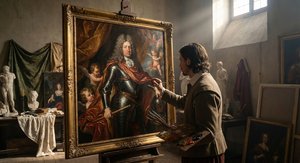
The Grandeur of Baroque Portraiture: Power, Emotion & Artistic Innovation
Explore the grandeur of Baroque portraiture! Discover Rubens, Van Dyck & the masters of 17th-century art. Uncover symbolism, techniques & lasting influence. Expert insights for collectors and enthusiasts.

Baroque Classicism: The Grandeur of Order and Drama in 17th-Century Art History
Explore the profound elegance of Baroque Classicism. Discover how 17th-century masters synthesized dramatic emotion with classical order through the lens of the Counter-Reformation and the works of legends like Carlo Maratta and Andrea Sacchi.

The Subtleties of Pastel: A Comprehensive Exploration of Technique, History & Emotional Resonance
Explore the captivating world of pastel art! Discover its rich history, Impressionistic masters like Degas, emotional power & unique techniques. Find museum-quality reproductions at OriginalUniqueArt.



.jpg)