

 Trimite
 Distribuie
 Detalii
 Ghidul

 Descarcă
 Produse similare
 Diaporama
 Statistici
Genesis III


 Citește mai mult
Lucrarea de artă afișată pe această pagină este protejată de legile privind drepturile de autor, ceea ce înseamnă că nu putem crea sau vinde în mod legal o reproducere identică. Această protecție este garantată prin acorduri internaționale, precum Convenția de la Berna și de legile naționale, inclusiv cele prevăzute de Legea dreptului de autor din S.U.A. – Titlul 17. Toate drepturile rezervate. Orice reproducere neautorizată este interzisă.
Această metodă respectă pe deplin reglementările privind drepturile de autor, deoarece nu implică copierea sau duplicarea operei protejate. În schimb, este o reinterpretare creativă – o pictură nouă, influențată de original, dar care nu este identică cu acesta.
Giclée / Imprimare artistică
Printuri giclée sau pe canvas de calitate muzeală, cu proces de producție rapid și opțiuni flexibile de finisare. ( Comandă pictură realizată manual Treci la imagine digitală)




































Alegeți dintre dimensiunile noastre prestabilite, care respectă proporțiile originale ale operei de artă.

Introduceți lățimea și înălțimea de care aveți nevoie, pentru a se potrivi ramei sau peretelui dumneavoastră. O printare poate fi doar tăiată, niciodată extinsă dincolo de dimensiunea imaginii originale, astfel încât o dimensiune cu o formă diferită va pierde o parte din imagine. Vă trimitem o simulare digitală pentru aprobare înainte de a imprima orice. Imaginea afișată pe această pagină nu prezintă tăierea reală — doar simularea arată acest lucru.
Livrare în întreaga lume () în 2 săptămâni, în loc de cele 4/5 săptămâni standard. (23 Octombrie)

Livrare expres gratuită la nivel mondial

Pânză de in premium

Asigurare completă pentru transport

Garanție de rambursare a taxelor vamale

Garanția fidelității culorilor

Politica de retur în 100 de zile (doar pentru defecte)

Garanție de rambursare 100%

Reducere pentru comenzi multiple
 Opțiunea cu sticlă este disponibilă doar pentru dimensiuni de sub 110 cm

Genesis III
Giclée / Imprimare artistică
Dimensiune reproducere
-


Preț total
lei 370
The Ethereal Geometry of Genesis III
In the quiet realm of modern abstraction, few works command a sense of profound stillness quite like Genesis III. Created in 1966 by the visionary sculptor Barbara Hepworth, this piece serves as an exquisite embodiment of contemplation and the delicate interplay between form and space. While Hepworth is celebrated for her mastery of three-dimensional stone and bronze, this particular iteration presents a captivating visual dialogue through its circular motifs. The composition is anchored by two primary interlocking circles—one a deep, resonant black and the other a vibrant, warm red—positioned in an asymmetrical dance across the canvas. This arrangement creates a subtle visual tension, a push and pull that prevents the eye from resting too easily, instead inviting a continuous, meditative journey through the work's geometric landscape.
The technique employed in this piece reflects a masterful control over texture and light. The surface possesses a luminous quality, where the application of color feels both deliberate and fluid. Scattered throughout the composition are smaller celestial-like circles and delicate dots that suggest a vast, quiet universe. This intricate layering creates an effect of depth, as if the viewer is peering into a cosmic void where shapes emerge from and recede into a luminous background. For the discerning collector or interior designer, such a work offers more than mere decoration; it provides a focal point of understated elegance, capable of anchoring a room with its sophisticated balance of weight and lightness.
Symbolism and the Spirit of Modernism
Beyond its striking visual presence, Genesis III is steeped in the symbolic language of the mid-20th century. The choice of circular forms is far from arbitrary; these shapes represent wholeness, unity, and the eternal cycle of existence. By juxtaposing the dark, grounding black with the energetic red, Hepworth explores the concept of duality—the balance between opposing forces such as stability and movement, or shadow and light. This exploration of fundamental geometries allows the artwork to transcend specific imagery, offering an experience that is deeply personal yet universally resonant.
Historically, this work emerged from a period of significant experimentation within British sculpture and abstraction. Hepworth, a pioneer of the modern movement, sought to move away from traditional representation toward a language of pure form and emotion. The influence of Abstract Expressionism is palpable here, as the piece prioritizes the emotional impact of color and shape over the depiction of the physical world. To encounter Genesis III is to enter a meditative space; its smooth, polished aesthetic and tranquil composition nourish the soul, making it an enduring masterpiece for those who seek to surround themselves with art that inspires introspection and peace.
Întrebări și răspunsuri
Cu ce sentiment este asociată opera „Genesis III”?
Tonul emoțional înregistrat pentru "Genesis III" de Barbara Hepworth este Reflective. Acesta rezumă sentimentul exprimat de operă.
Pentru ce cameră este recomandată lucrarea "Genesis III" de Barbara Hepworth?
Spațiul recomandat pentru "Genesis III" de Barbara Hepworth este o Living Room. Sugestia poate fi, desigur, adaptată interiorului dumneavoastră.
Este "Genesis III" o idee bună de cadou?
"Genesis III" de Barbara Hepworth este recomandată ca cadou pentru Anniversary. O reproducere a acestei opere de artă poate fi oferită ca prezent.
Biografie artist
primii ani de viață și educație
dame barbara hepwork, o artistă și sculptorță engleză de renume, s-a născut pe 10 ianuarie 1903, în wakefield, yorkshire. studiile sale au început la leeds school of art din 1920, moment în care, ulterior, a câștigat o bursă județeană pentru a studia la royal college of art (rca) din londra, perioadă care s-a întins din 1921 până la primirea diplomei în anul 1924.cariera artistică
- opera lui dame barbara hepworth exemplifică modernismul, în special sculptura modernă, fiind una dintre puținele artiste care au reușit să atingă o notorietate internațională.
- în 1933, ea a cofondat mișcarea artistică unit one împreună cu ben nicholson, paul nash și alții, căutând să unească suprarealismul și abstractizarea în arta britanică.
- primele lucrări ale lui hepworth au fost caracterizate prin abstractizare și prin implicarea sa în mișcarea artistică pariziană, abstraction-création.
lucrări și expoziții remarcabile
- oval form (trezion), o sculptură din bronz, face parte din colecția kimbell art museum din fort worth, statele unite. (vizualizați pe OriginalUniqueArt)
- two forms, o sculptură, este expusă la the hepworth wakefield în wakefield, regatul unit. (vizualizați pe AllPaintings_Store)
- totem, o sculptură din marmură, face parte, de asemenea, din colecția de la the hepworth wakefield. (vizualizați pe OriginalUniqueArt)
moștenire și colecții de muzee
opera lui barbara hepworth este recunoscută pe scară largă, sculpturile și picturile sale făcând parte din diverse colecții de muzee din întreaga lume. the hepworth wakefield, botezat după artistă, găzduiește numeroase capodopere ale unor artiști renumiți, inclusiv propriile lucrări ale lui hepworth. (descoperiți mai multe despre the hepworth wakefield pe OriginalUniqueArt)concluzie
munca pionieră a damei barbara hepworth în sculptura britanică modernă a lăsat o amprentă indelibilă asupra lumii arte. moștenirea sa continuă să îi inspire atât pe artiști, cât și pe iubitorii de artă, lucrările sale rămânând o mărturie a spiritului ei inovator și a geniului său artistic. mai multe despre barbara hepworth pe wikipedia
Barbara Hepworth
1903 - 1975 , Regatul Unit
Informații rapide
- Artistic Movement Or Style: Modernism
- Artists Or Movements Influenced By This Artist: ['Unit One']
- Artists Who Influenced This Artist: ['Henry Moore']
- Date Of Birth: 10 ianuarie 1903
- Full Name: Jocelyn Barbara Hepworth
- Nationality: Anglieză
- Notable Artworks:
- Oval Form
- Two Forms
- Totem
- Place Of Birth: Wakefield, Anglia
Articole conexe

Top 10 Capodopere din Bronz care au Revoluționat Arta – Inspirație pentru Decor
Descoperă Top 10 sculpturi din bronz care au schimbat istoria artei! Explorează operele lui Rodin, Michelangelo și alți maeștri, tehnicile lor unice și inspirația pentru decorul casei tale. Replici de calitate muzeală pe OriginalUniqueArt.com.

Top 10 Capodopere din Bronz care au Revoluționat Arta | OriginalUniqueArt.ro
Descoperiți Top 10 capodopere din bronz care au revoluționat arta! Rodin, Michelangelo și alții. Aflați istoria sculpturilor clasice și inspirație pentru decorul casei dvs. Reproduceri de artă de calitate muzeală pe OriginalUniqueArt.com
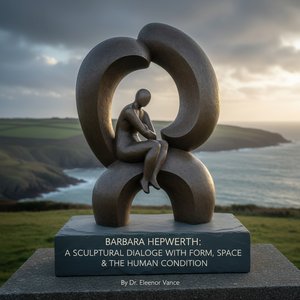
Barbara Hepworth: A Sculptural Dialogue with Form, Space & the Human Condition
Explore the profound world of Barbara Hepworth's sculpture. Discover her artistic evolution, iconic forms, and lasting influence on modern art. A guide for collectors & enthusiasts.

The Enduring Legacy of Bronze: A Historical & Artistic Exploration for the Collector
Explore the rich history & enduring appeal of bronze sculpture with expert insights for collectors at OriginalUniqueArt. Learn about casting techniques, iconic artists, collecting tips & contemporary interpretations.
The Enduring Legacy of Bronze: History, Technique & Artistic Expression for the Collector
Explore the rich history & enduring appeal of bronze sculpture with expert insights for collectors at OriginalUniqueArt. Learn about casting techniques, iconic artists, and collecting tips.


