

 Previzualizare
 Trimite
 Distribuie
 Detalii despre lucrare

 Descarcă
 Produse similare
 Radiografie
 Diapozitive automate
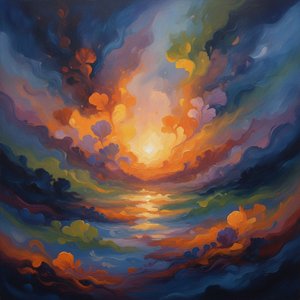
Night Clouds and Star Dust
 Acrylic On Canvas
- WallArt
- Abstract Expressionism
 163.0 x 83.0 cm
 Muzeul Metropolitan de Artă
 Vezi mai mult
Giclée / Imprimare artistică
Printuri giclée sau pe canvas de calitate muzeală, cu proces de producție rapid și opțiuni flexibile de finisare. ( Comandă pictură lucrată manual Cumpără imaginea)




P118B $10

P118H $10

P118W $10

P438Z $10

P508JH $12

P508YH $12

P805H $10

P805Z $10

P919BZ $10

P919G $10

P919XJ $10

P959ZH $10

P968JZ $12

W106C $8

W218G $10

W218JH $8

W218Y $10

W307PJ $10

W316G $10

W316PJ $8

W316Y $10

W398PJ $8

W4111J $10

W500HY $15

W500JH $15

W692G $12

W849H $8

W940BG $15

W953PJ $8




Alegeți dintre dimensiunile noastre prestabilite, care respectă proporțiile originale ale operei de artă.

Puteți introduce propriile dimensiuni pentru a se potrivi unui anumit cadru sau spațiu. Dacă dimensiunea selectată nu corespunde proporțiilor imaginii originale, vom decupa lucrarea de artă sau vom extinde imaginea cu margini oglindite sau cu o culoare uniformă. Un mockup digital va fi trimis pentru aprobarea dumneavoastră înainte de începerea producției.
Vă rugăm să rețineți că previzualizarea de pe ecran nu reflectă decuparea sau extinderea reală. Doar mockup-ul va arăta cu exactitate compoziția finală.
Deși dimensiunile personalizate sunt disponibile, vă recomandăm să selectați o dimensiune din lista predefinită pentru a păstra proporțiile originale.
Livrare în întreaga lume () în 2 săptămâni, în loc de cele 4/5 săptămâni standard. (25 August)

Livrare expres gratuită la nivel mondial

Pânză de in de înaltă calitate

Asigurare completă pentru transport

Garanție de rambursare a taxelor vamale

Garanția fidelității culorilor

Politica de retur în 60 de zile (doar pentru defecte)

Garanție de rambursare 100%

Ofertă pentru comenzi multiple
 Opțiunea cu sticlă este disponibilă doar pentru dimensiuni de sub 110 cm

Night Clouds and Star Dust
Giclée / Imprimare artistică
Dimensiune reproducere
-


Preț total calculat
$ 80
Descriere obiect de colecție
Augustus Vincent Tack: A Pioneer of Spiritual Landscape
Augustus Vincent Tack (1870 – 1949) stands as a singular figure in American art history, recognized primarily for his distinctive blend of realism and abstraction—a stylistic approach that foreshadowed the burgeoning movement of Abstract Expressionism. Born in Pittsburgh, Pennsylvania, Tack’s artistic journey began with formal training at St. Francis Xavier College before he honed his skills at the Art Students League of New York, absorbing influences from luminaries like John La Farge whose studio he frequented. This formative period established a foundation for his subsequent explorations into landscape painting and, crucially, into deeply symbolic representations of nature—a preoccupation that would define much of his oeuvre. He wasn’t merely depicting what he saw; he was striving to convey something far more profound – the spirit of place itself.Early Career & Influences: Kraushaar Galleries and Artistic Foundations
Tack's debut exhibition at Kraushaar Galleries in 1896 marked the commencement of a prolific artistic career characterized by consistent engagement with prominent institutions. This initial foray into the art world solidified his commitment to capturing the essence of the natural environment, a pursuit that would continue throughout his life and profoundly impact his stylistic evolution. Observing artists like La Farge, Tack internalized techniques emphasizing tonal gradation and atmospheric perspective—elements he skillfully integrated into his own compositions. These influences underscored his belief that art could transcend mere visual representation, communicating intangible emotions and spiritual truths.The Style of Spiritual Landscape: Texture, Tone, and Symbolic Resonance
Tack’s artistic hallmark was undoubtedly his distinctive style – what critics termed “spiritual landscape.” Unlike Impressionists who sought to capture fleeting moments of light and color, Tack focused on conveying the enduring character of a location. He achieved this remarkable feat through meticulous layering of paint—often applying thick impasto—creating surfaces brimming with textural complexity. Shades of grey dominated his palette, punctuated by subtle whites that evoked distant horizons and illuminated interior recesses. This tonal scheme wasn’t arbitrary; it mirrored geological formations and atmospheric conditions, reflecting Tack's fascination with the forces shaping our planet. More importantly, these landscapes functioned as conduits for contemplation—inviting viewers to consider themes of solitude, resilience, and the sublime beauty inherent in untamed wilderness.Technique & Material Considerations: Impasto and Composition Panels
The execution of Tack’s paintings demanded considerable technical skill. He favored oil paints applied thickly onto composition panels – a method that maximized textural contrast and ensured durability. The scraping technique—removing excess paint to reveal underlying layers—was particularly prominent, emphasizing the artist's deliberate manipulation of material to achieve expressive effect. This process wasn’t simply about replicating visual appearance; it was about embodying the geological processes he sought to depict—erosion, sedimentation, and weathering—transforming canvas into a tangible representation of time and transformation. Tack’s meticulous attention to detail underscored his conviction that art could communicate not only what is seen but also how it feels – the palpable presence of nature's enduring power.Legacy & Influence: A Precursor to Abstract Expressionism
Augustus Vincent Tack’s artistic vision anticipated the seismic shift toward Abstract Expressionism, cementing his place as a pivotal figure in American art history. His pioneering exploration of textural abstraction paved the way for artists like Jackson Pollock and Willem de Kooning—who embraced spontaneity and gesture as expressive tools—further propelling the movement's ascendancy. Tack’s unwavering dedication to conveying spiritual depth through landscape painting continues to inspire contemporary artists and collectors alike, demonstrating the enduring relevance of his artistic legacy. His work resides in major collections worldwide, serving as a testament to its profound beauty and intellectual rigor.Biografie artist
Augustus Vincent Tack: Pioneer of Spiritual Landscape
Augustus Vincent Tack (1870 – 1949) stands as a singular figure in American art history, recognized primarily for his distinctive blend of realism and abstraction—a stylistic approach that foreshadowed the burgeoning movement of Abstract Expressionism. Born in Pittsburgh, Pennsylvania, Tack’s artistic journey began with formal training at St. Francis Xavier College before he honed his skills at the Art Students League of New York, absorbing influences from luminaries like John La Farge whose studio he frequented. This formative period established a foundation for his subsequent explorations into landscape painting and, crucially, into deeply symbolic representations of nature—a preoccupation that would define much of his oeuvre.- Early Career & Influences: Tack’s debut exhibition at Kraushaar Galleries in 1896 marked the commencement of a prolific artistic career characterized by consistent engagement with prominent institutions such as Worcester Art Museum, Carnegie International Exhibitions, and Pennsylvania Academy of Fine Arts. His collaborations with Duncan Phillips—particularly their involvement in the Allied War Salon of 1918—demonstrated not only his social connections but also his commitment to addressing pressing societal concerns through artistic expression.
- Deerfield Colony & Marriage: Seeking inspiration and camaraderie, Tack relocated to Deerfield, Massachusetts, where he established an artist’s colony and married Agnes Gordon Fuller, daughter of renowned painter George Fuller. This union fostered a supportive environment conducive to creative pursuits and solidified his position within the artistic community.
- Teaching & Yale University: Tack’s pedagogical role extended beyond Deerfield; he lectured at the Art Students League of New York between 1906 and 1910 and subsequently taught at Yale University from 1910 to 1913, imparting his artistic vision to a new generation of artists.
A Distinctive Style: Realism Infused with Mysticism
Tack’s artistic style distinguished itself through a careful balance between traditional realism and evocative abstraction. While his portraits adhered to academic conventions—capturing likenesses with meticulous detail and dramatic lighting—his landscapes transcended mere depiction, delving into realms of spiritual contemplation. Paintings like “Time and Timelessness” exemplify this approach, juxtaposing geometric forms with figurative elements to convey a sense of enduring beauty and profound symbolism. Critics noted that Tack’s work "was a contemporary reworking of nineteenth-century heroic idealism," highlighting its ambition to elevate the viewer beyond the mundane.- Notable Works: Among his most celebrated pieces are “The High Command Right Panel” (1949), portraying naval officers with masterful realism and compositional complexity; portraits of Harry S. Truman and Elihu Root—executed in 1948 and 1922 respectively—demonstrating Tack’s ability to convey character and emotion through nuanced brushwork; and “Time and Timelessness,” a landscape masterpiece reflecting his fascination with spiritual themes.
Legacy & Recognition
Despite commercial setbacks, Tack's artistic legacy persists as a precursor to Abstract Expressionism—a movement that would reshape the landscape of American art in the decades following his death. His paintings remain housed in major collections and continue to inspire artists and scholars alike. Augustus Vincent Tack’s contribution to American art lies not merely in his stylistic innovations but also in his unwavering pursuit of artistic truth—a testament to the enduring power of imagination and vision.
Augustus Vincent Tack
1870 - 1949 , United States of America
Detalii rapide
- Artistic Movement Or Style: Abstract Expressionism
- Artists Or Movements Influenced By This Artist: ['Nineteenth-century heroic idealism']
- Artists Who Influenced This Artist: ['John La Farge']
- Date Of Birth: 1870
- Date Of Death: 1949
- Full Name: Augustus Vincent Tack
- Nationality: American
- Notable Artworks:
- Time and Timelessness
- The High Command Right Panel
- Elihu Root
- Harry S. Truman
- Place Of Birth: Pittsburgh, United States
Articole similare

Top 10 Capodopere ale Expresionismului Abstract: Artă, Artiști și Decorațiuni de Lux | OriginalUniqueArt.ro
Descoperă Top 10 capodopere ale Expresionismului Abstract! Explorează poveștile lui Pollock, Rothko și De Kooning. Reproduceri de artă de lux & inspirație decor pe OriginalUniqueArt.ro. Găsește pictura perfectă pentru spațiul tău!
The Soul of Color: A Journey into the Emotional Resonance of Lyrical Abstraction
Embark on a cultural journey through Lyrical Abstraction. Explore how masters like Kandinsky used color and motion to translate emotion into visual poetry. Discover the profound beauty of abstract expressionism and learn to curate emotional resonance in your own art collection.

Peisaje Romantice Iconice: 10 Capodopere Artistice pentru Decorul de Lux
Descoperă 10 capodopere romantice iconice de Caspar David Friedrich, Turner și alți maeștri. Explorează istoria artei, emoțiile din peisaje și găsește tablouri canvas perfecte pentru decorul tău pe OriginalUniqueArt.com!

Wassily Kandinsky: Cele Mai Iconice 25 De Opere – Artă Abstractă pentru Decor Rafinat
Descoperă cele mai emblematice 25 de opere ale lui Wassily Kandinsky, pionierul artei abstracte! Explorează culorile vibrante, compozițiile unice și istoria fascinantă din spatele fiecărei picturi. Reproduceri de calitate muzeală pe OriginalUniqueArt.com – inspiră-ți decorul cu artă modernă!

Cele mai importante 10 capodopere ale abstracției geometrice | Artă & Decor de lux pe OriginalUniqueArt.com
Descoperă cele mai importante 10 capodopere ale abstracției geometrice! Explorează istoria, artiștii (Mondrian, Kandinsky) și culorile vibrante care au definit arta modernă. Reproduceri de tablouri de lux pe OriginalUniqueArt.com pentru un decor interior rafinat. Explorează colecția online!

